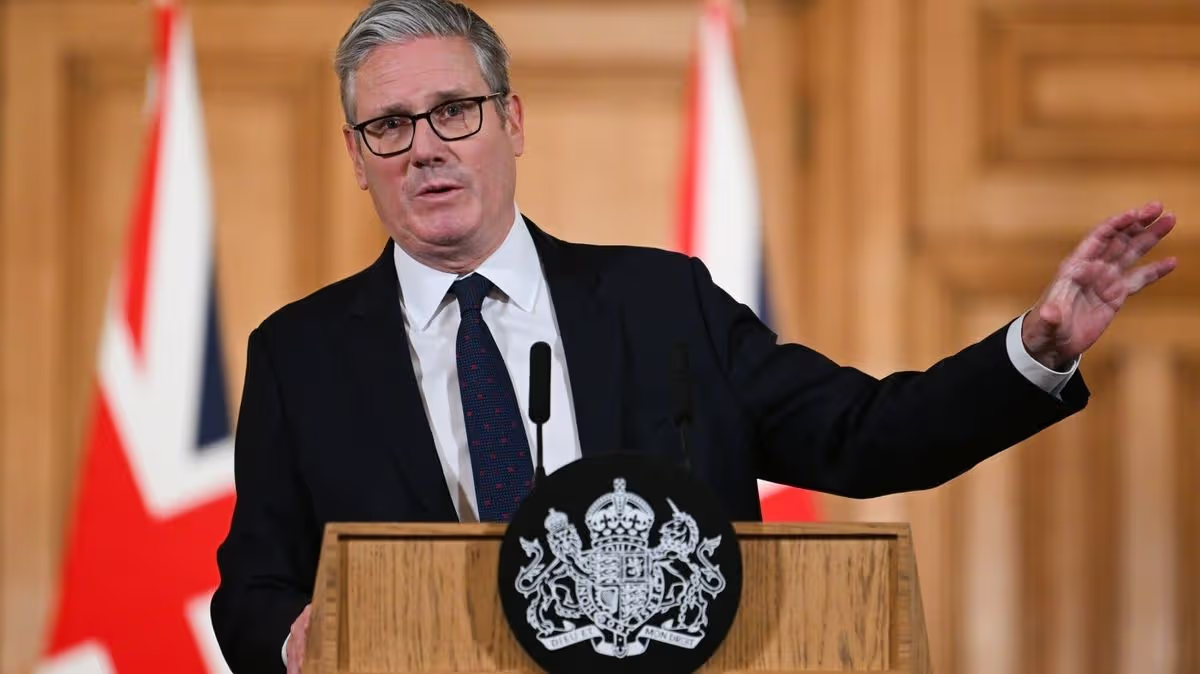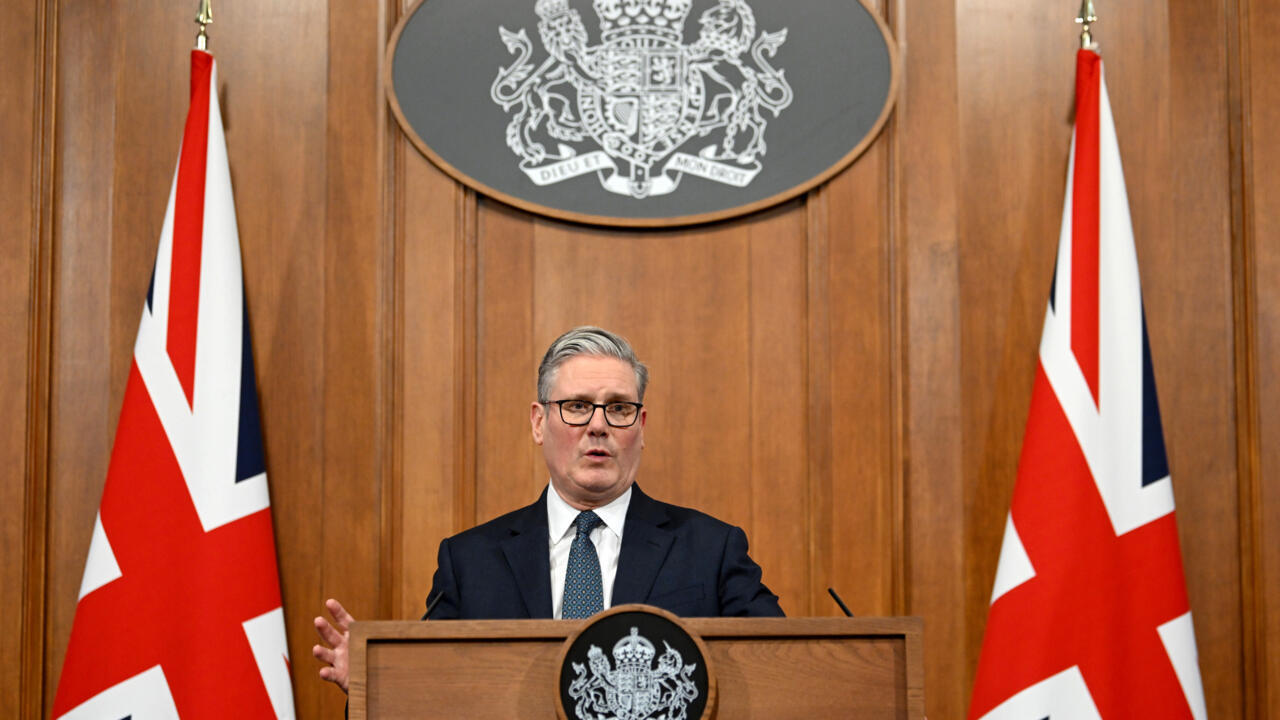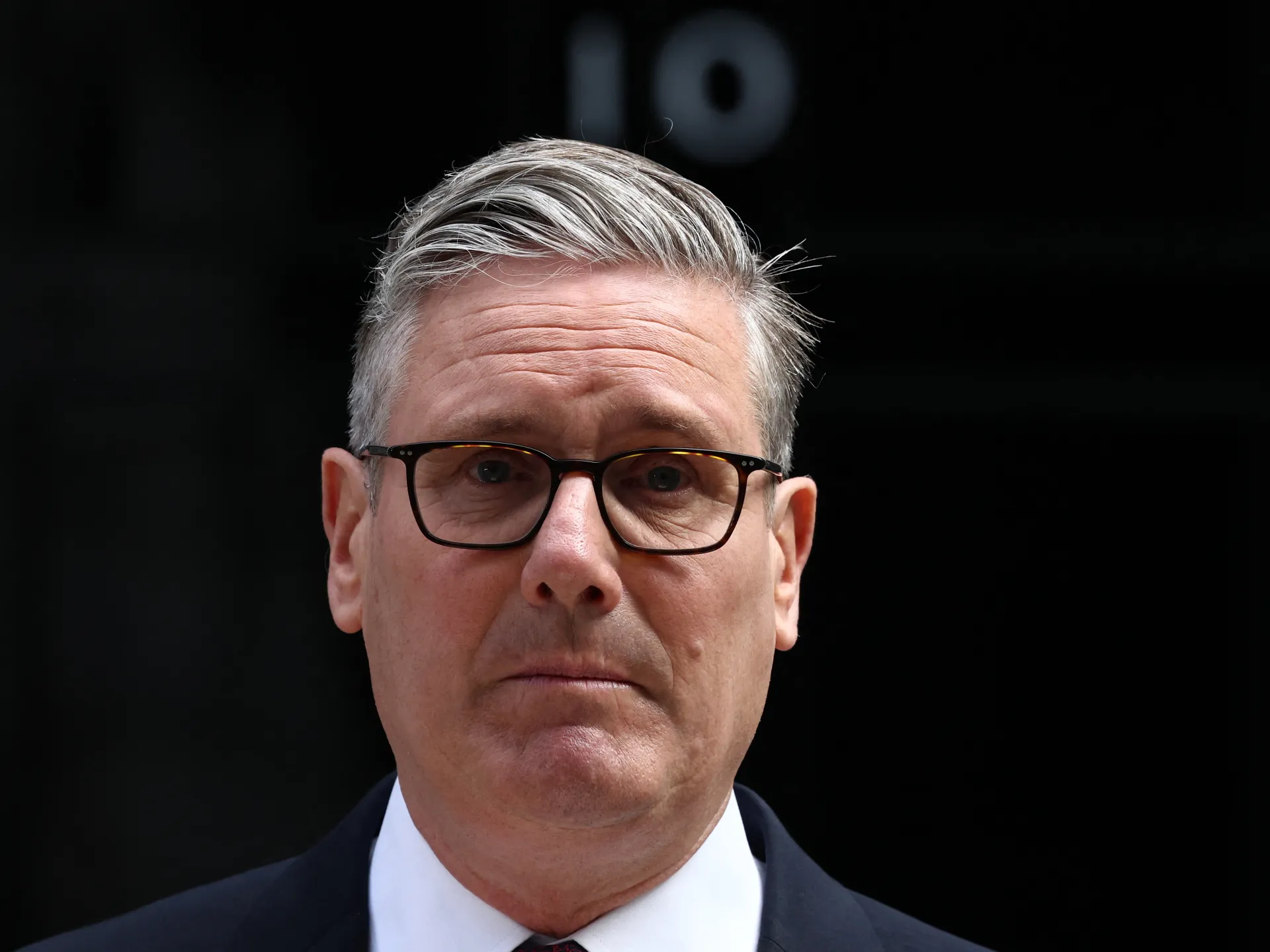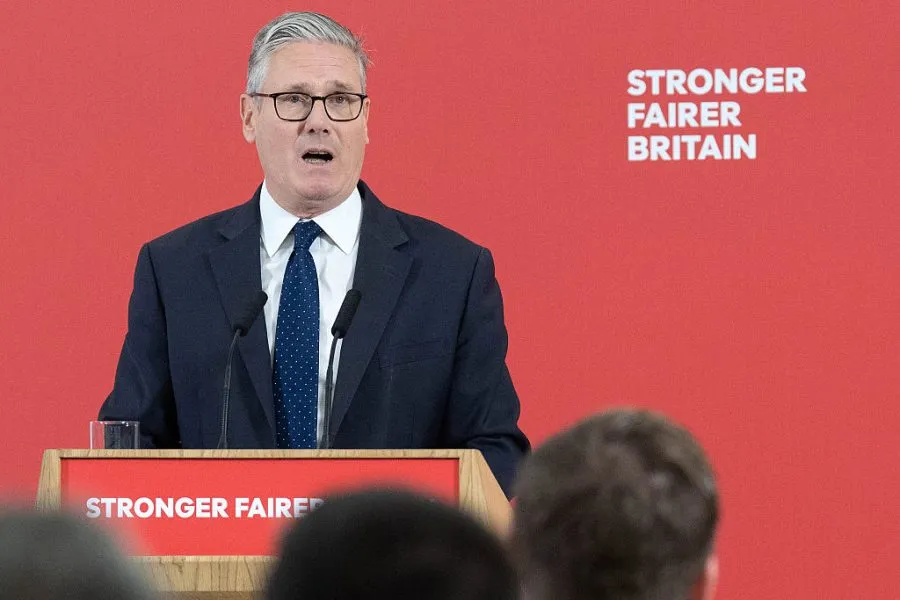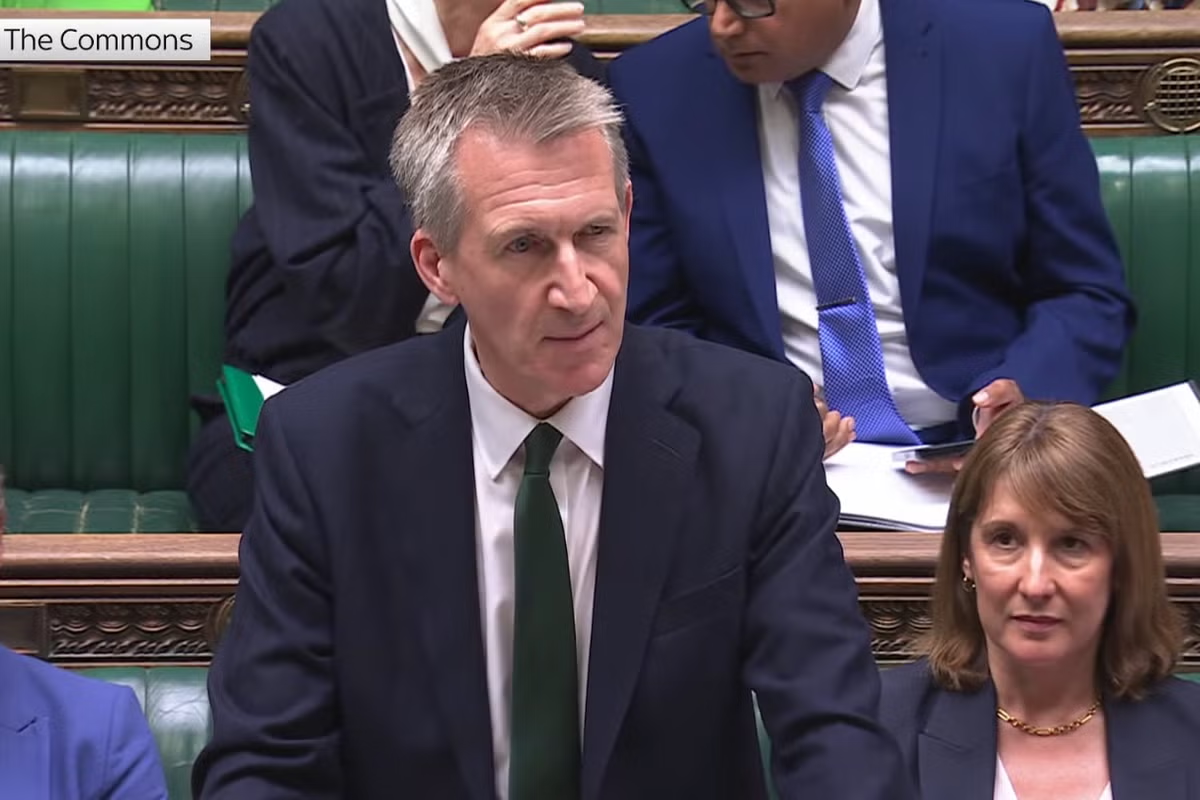
Dan Jarvis has said the Ministry of Defence must find £11bn worth of cuts as part of the defence investment plan (DIP).These cuts are expected to come from reducing the armed forces workforce as well as cutting back spending on consultancy and expanding the use of technology and digital tools and techniques to boost efficiency.The defence secretary unveiled the full details of the £15 billion DIP in the House of Commons, which has already faced criticism despite Sir Keir Starmer’s hopes to cement a more positive legacy as he announces it before his premiership ends.The prime minister announced a £5 billion boost in new military weapons as part of the full settlement of £14.5 billion, rounded up by an extra billion pounds. Critics have called the boost a “drop in the ocean” when compared to the £28 billion many defence officials have said is needed. Road and energy projects are set to be scrapped to pay for the military, the prime minister acknowledged. Donald Trump warned the UK and Nato allies on Monday to abide by the five per cent defence pledge.MP for 'Home of the British Army' questions lack of industrial capacity on the groundAlex Baker, Labour MP for Aldershot, the home of the British Army has pointed out concerns that on the ground her constituency still lacks the industrial capacity to spend any invested money.“I'm confident that we will make good on that commitment in the context of the next spending review and a down payment on the future of towns like mine in Aldershot and Farnborough.“But as much as we wrangle over percentages of GDP, on the ground, we still lack the industrial capacity to actually spend this money and build more defense companies in my patch and across the supply chain cannot access the finance they need to hire more people and expand production.“Which is why I've been campaigning for over a year for the UK to join the defence security and resilience bank,” she said.“Does the secretary of state recognize this challenge, and what are we going to do to increase our industrial capacity?”Bryony Gooch30 June 2026 15:27Plan will be judged by whether those in the armed forces support it, defence secretary saysDefence secretary Dan Jarvis told MPs that the success of the defence investment plan (Dip) will be judged by whether those in the armed forces support it.Speaking in the House of Commons on Tuesday, he said: “Ultimately, the success of this defence investment plan will be measured by whether it commands the support of those amazing men and women who serve in our armed forces.“They remain our most important asset, respected by those who stand with us, feared by those who stand against us. We know that they are equal to any task, and with this defence investment plan, we give them the means to match their courage.”Mr Jarvis thanked the prime minister and the Chancellor “for their support and the spirit of goodwill which has guided our negotiations over the past fortnight”.He said: “They have, for two years, demonstrated steadfast commitment to our national security, and our armed forces are today better prepared and better supported as a consequence of that.”He also paid tributed to his predecessor John Healey, highlighting that £1.5 billion more has been raised for defence between his resignation and the publication of the Dip.Bryony Gooch30 June 2026 15:08Ex defence secretary warns more needs doing to hit three per cent targetJohn Healey has said he welcomes the extra money the treasury has ceded since he exited his position as defence secretary, but more needs doing to hit the three per cent target.“But threats are still growing, demands on defense are still rising in this dangerous world, and today's step means that we will be spending as a nation 2.7 per cent of GDP on defense in 2030 the date that NATO now warns we could face a Russian attack. “So, with European security at stake, would my right hon friends agree that more needs to be done in the months ahead, beyond the dip, to develop a clear credible funding plan that will hit 3 per cent and that will meet our NATO commitment to 3.5 per cent by 2035?”John Healey previously quit as defence secretary over military funding (James Manning/PA) (PA Wire)Bryony Gooch30 June 2026 14:56Defence spending: The key takeaways from Starmer’s plan to protect BritainThe key takeaways from the defence spending planWhile Sir Keir Starmer has promised the DIP will reverse the ‘corrosive hollowing out’ of the armed forces, the funding package still falls well short of the £28bn military officials said would be necessary to fill a black hole in the MoD’s budgetBryony Gooch30 June 2026 14:54Shadow defence secretary decries defence investment plan as securing Starmer's 'legacy of failure'James Cartlidge stepped up to criticise the defence investment plan (DIP), which he said was only released out of a “desperate search of legacy”.“To conclude, after months of dither and delay, it's taken the sudden end of his premiership for the prime minister to finally publish the DIP in a desperate search for a legacy, but it's a legacy of failure.”Shadow defence secretary James Cartlidge (Jonathan Brady/ PA credit) (PA Archive)Bryony Gooch30 June 2026 14:53£330m investment in critical underwater infrastructureMillie Cooke, political correspondentThe MoD will invest £330m into critical underwater infrastructure protection to tackle hostile activity in and around UK waters, as well as spending an additional £1.5bn over the next four years on Atlantic Bastion, the Royal Navy’s plan to secure the North Atlantic for the UK and NATO against the “persistent and growing underwater threat from a modernising Russian submarine force.”Launched in December 2025, Atlantic Bastion creates an “advanced hybrid naval force to defend the UK and NATO allies against evolving threats”.The extra £1.5bn in funding will “enable the UK to find, track and, if required, act against adversaries with unprecedented effectiveness across vast areas of ocean”, the DIP said.It comes after the UK responded to “increased Russian activity” near crucial UK cables and pipelines in the Atlantic north of Britain in April this year.Bryony Gooch30 June 2026 14:51£330m investment in critical underwater infrastructureMillie Cooke, political correspondentThe MoD will invest £330m into critical underwater infrastructure protection to tackle hostile activity in and around UK waters, as well as spending an additional £1.5bn over the next four years on Atlantic Bastion, the Royal Navy’s plan to secure the North Atlantic for the UK and NATO against the “persistent and growing underwater threat from a modernising Russian submarine force.”Launched in December 2025, Atlantic Bastion creates an “advanced hybrid naval force to defend the UK and NATO allies against evolving threats”.The extra £1.5bn in funding will “enable the UK to find, track and, if required, act against adversaries with unprecedented effectiveness across vast areas of ocean”, the DIP said.It comes after the UK responded to “increased Russian activity” near crucial UK cables and pipelines in the Atlantic north of Britain in April this year.Bryony Gooch30 June 2026 14:50£64bn upgrade to Britain’s nuclear deterrentMillie Cooke, political correspondentSir Keir said the investment in “renewing” the UK’s nuclear deterrent would include spending on new Dreadnought submarines, a new sovereign warhead and 12 F35-A jets capable of carry nuclear weapons.The new Dreadnought submarines will see four boats replace the current Vanguard class from the 2030s, while Sir Keir announced plans to buy nuclear-capable jets at last year’s Nato summit in The Hague.Some of the money for the nuclear deterrent will also form part of a decade-long £26 billion overhaul of naval bases at Faslane, Portsmouth and Devonport, dubbed “Project Royal Oak”.“The SDR made clear that a modernised nuclear deterrent is essential for the defence of the UK.It underpins our security in a new nuclear age and worsening security environment, characterised by Russia’s aggression, China’s nuclear expansion, and North Korea’s destabilising weapons programme”, the DIP says.“As one of only three nuclear powers in NATO, the UK provides the ultimate guarantee of security for itself and its NATO allies. We are the only European nation which declares our nuclear deterrent to NATO.”Bryony Gooch30 June 2026 14:50£5bn for “drone transformation” for the armed forcesMillie Cooke, political correspondentLearning the lessons from both Ukraine and Iran, Sir Keir pledged more than £5bn of spending over the next four years to fund a “drone transformation” for the armed forces.Some £650m will be spent on combat and surveillance drones for land forces, which Sir Keir said would help increase the Army’s “lethality” ten-fold.There will also be funding for a “hybrid” Royal Navy, with smaller, autonomous vessels working alongside crewed ships.And the prime minister pledged more than £8bn for the Global Combat Air Programme to create a next-generation stealth fighter jet for the Royal Air Force in concert with Japan and Italy. The new jet will also be supported by smaller autonomous “wingmen”, invisible to enemy radar, he added.By 2030, £3.2bn will also be spent on novel technologies, including AI and autonomous systems, which represents 10 per cent of the MOD’s annual Equipment Programme budget as part of an attempt to create an Armed Forces fit for the modern age.Bryony Gooch30 June 2026 14:49Storm shadows to be retired as part of ‘tough choices’Millie Cooke, political correspondentStorm Shadow missiles - Anglo-French long range, air-launched cruise missiles which allow Ukraine to strike deep into Russia - will be retired as part of a series of “tough choices” being made by the MoD.The DIP sets out that while Storm Shadow missiles have plated a “vital role” for the Armed Forces, ministers are “now pivoting to the next generation of low-cost cruise missiles, meaning we will get significantly more missiles at a reduced overall cost.”“Alongside these types of weapons, Stratus missiles will be the future of the UK’s complex weapons programme, delivering long range strikes against complex targets”, it adds.The Stratus joint missile programme with France and Italy is working to develop a next generation stealth replacement to the Storm Shadow missile.The DIP also sets out plans for the early retirement of Wildcat battlefield reconnaissance helicopters from 2027 and the oldest Chinooks as they reach maintenance milestones, cutbacks which the DIP said would be “offset by investment in Projects NYX and CORVUA, New Medium Helicopter and planned future purchases of newer Chinooks.”Older Type 23 Frigates will also enter phased retirement up to 2033, while at least seven new ships will come online during that period.The trade-offs also include plans to slow the pace of meeting the SDR recommendation to increase cadets by 30 per cent, something which will now not be achieved by 2030. Instead, the MoD will aim to meet this target by 2035.Bryony Gooch30 June 2026 14:48
Politics latest: MoD must cut £11bn under Starmer’s defence investment plan
Road and energy projects are set to be scrapped to pay for the military, the prime minister acknowledged
1,764 words~8 min read