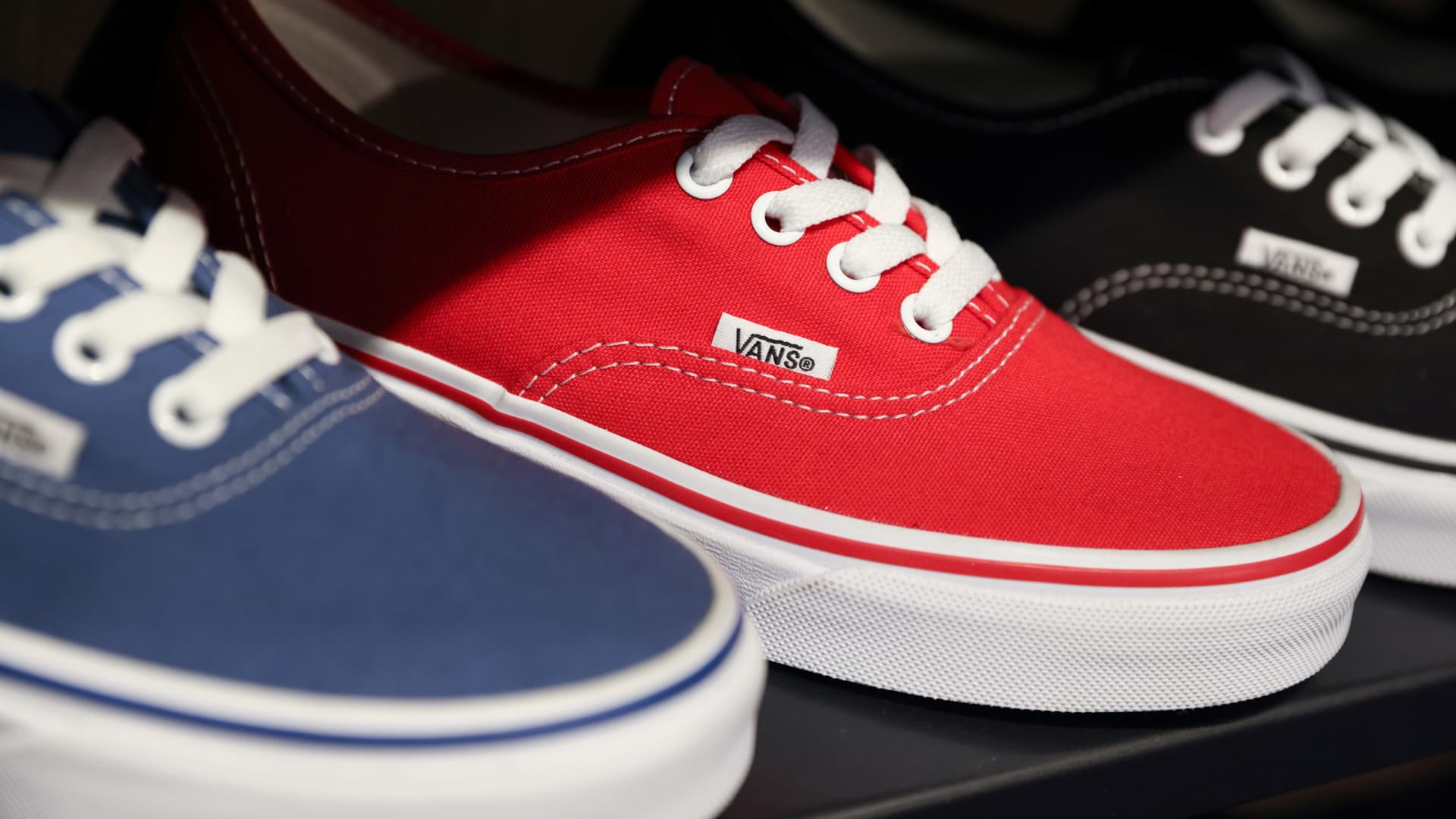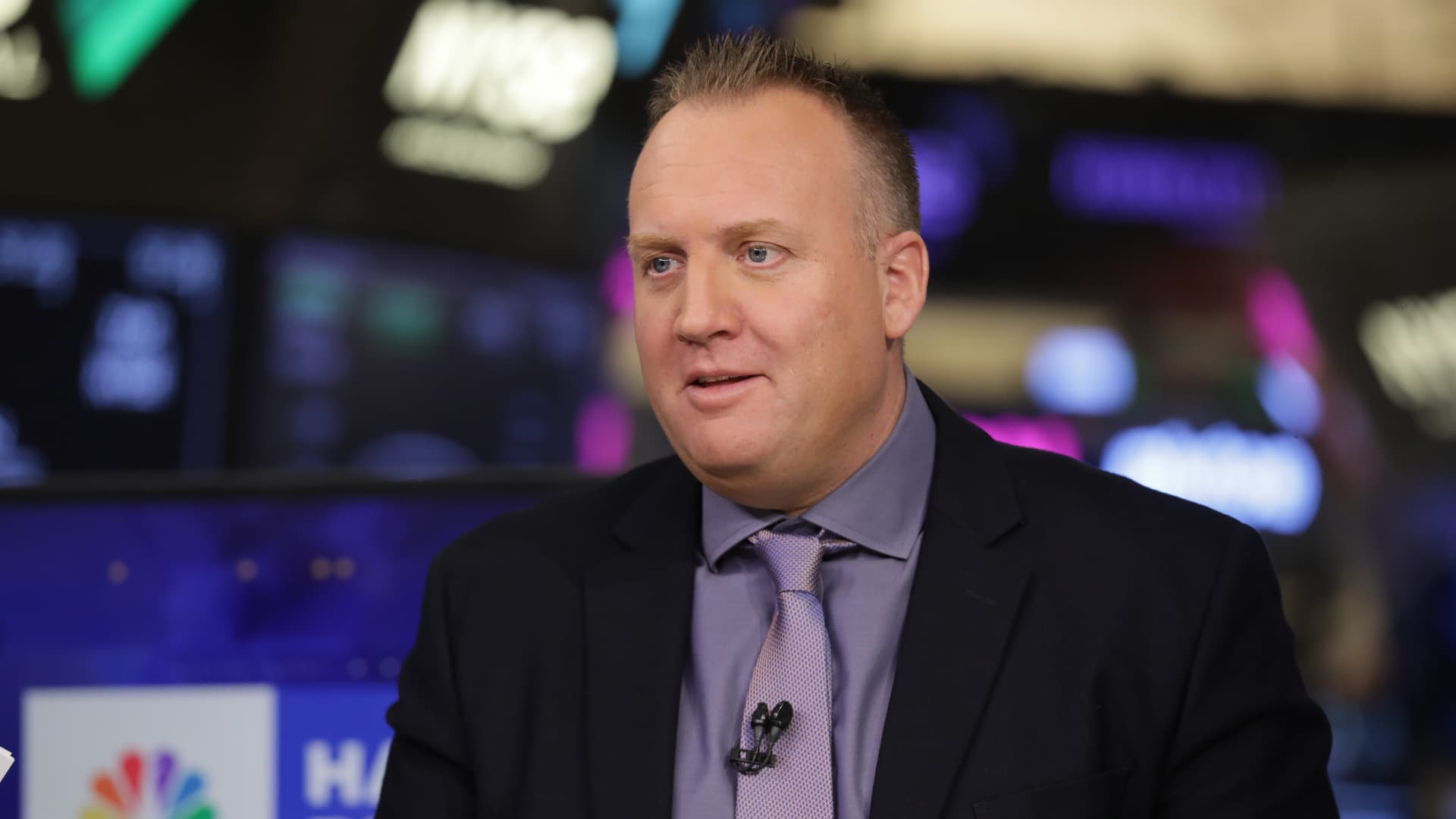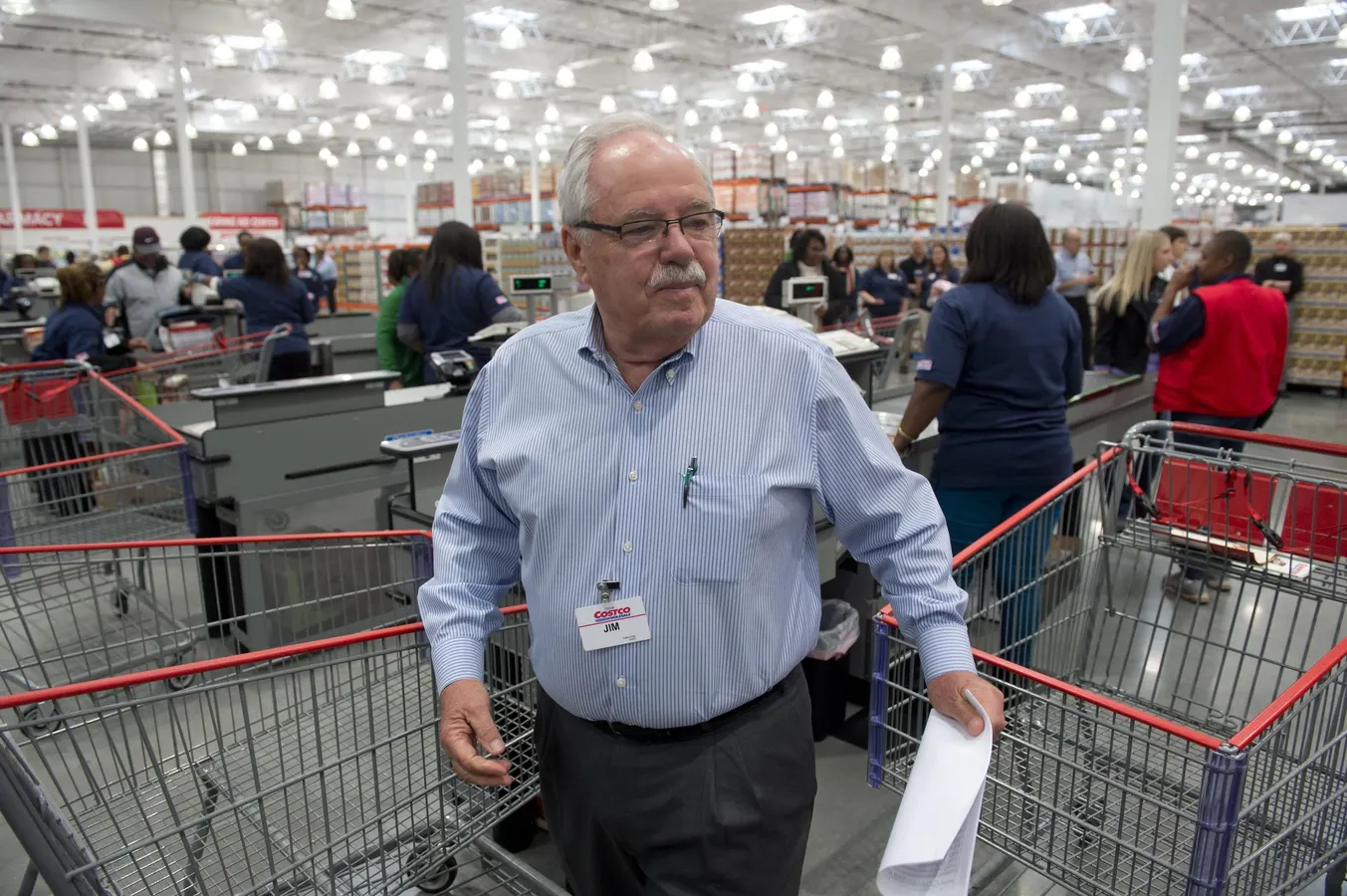
When the credit card taps the kiosk, consumers rarely buy anything they think is a poor value. Companies that deliver the best value—essentially the price paid for quality received (in all its forms, including function, durability, customer service and so on)—break from the pack, while those who ignore it are left in the dust.To accompany Forbes’ 2026 Best Brands for Value list, three CEOs joined Forbes to discuss their approach to value and how to communicate it, whether through traditional means or—lest anyone forget—via AI. The executives are: Brett Schulman, CEO of Cava; Tim Boyle, the CEO of Columbia Sportswear; and Rob Pace, CEO of HundredX, the consumer-insights firm whose survey and analysis created the list. The conversation is edited for length and clarity.ALAN SCHWARZ, Forbes Assistant Managing Editor: Let’s get to the heart of what the word “value” means. It’s really decided by the consumer, not by a brand or a company. What do you think customers think value is?TIM BOYLE, CEO, Columbia Sportswear: Frankly, nobody needs another brand of footwear and apparel. You have a grandchild that has a Sharpie and a blank T-shirt, you're in the apparel business. So we deal with a lot of that. How we think about value is what kind of garment are you going to be buying, and what kind of protective qualities do you want? You can buy a Gore-Tex jacket for X price. You can buy a garment that contains equal or perhaps superior protection from us for a lower price. It doesn't mean it's cheap. It's very expensive sometimes, but they basically provide a better value for the consumer. If they would prefer to pay more for something else, that's what they want to do.BRETT SCHULMAN, CEO, Cava: When Tim said the world doesn't need another apparel company, the world certainly doesn't need another restaurant. The customer perceives value as bang for the buck. And in the restaurant industry, we believe it's a combination of the quality of our cuisine, the convenience in which you can access that cuisine, and the experience you have eating that cuisine. You see a lot of discounting in our space, a lot of price-point focused marketing, and we just don't believe in that because we don't think customers perceive value in terms of just the lowest price.ALAN SCHWARZ: So Rob, how does HundredX attempt to capture the value that the consumer is looking for and whether they get it or not?ROB PACE, CEO, HundredX: We've been looking at the science of value for a couple of years now, and it's always been this thing that we kind of know what it is, but there hasn't been a good definition. It is the trade-off between what you pay and what you get for it. But here's what we've found looking at 23 million pieces of data: value occurs everywhere along the price spectrum, and it's all about “Do you stand out as the superior choice?” both within your price point and the adjacent price points. You can provide more value for the price at an Aldi's price point or at Whole Foods’ price points.ALAN SCHWARZ: Which explains why Toyota and Lexus are both in the top 10 of the Best Brands for Value list, even though they’re made by the same company. The cars’ quality keeps up with the price. So prior to purchase, how does a company communicate the concept of value?TIM BOYLE: I think it's on a comparison basis. We always do best when we're hanging next to a few other brands and people can touch and feel and know what they're looking at, and compare the price across other brands. But the reputation, which is really one of the most difficult things to build, is really what gives us the sort of inherent value. Consumers will approach one of our products and say, "Well, I know this brand. I know what it does and I've seen other people wearing it, so I know it's inherently going to work and then it's going to be X price versus something that's hanging next to it.”ALAN SCHWARZ: Brett, food is different. You buy sportswear, but you basically rent food, if I may. How does a restaurant communicate value?BRETT SCHULMAN: When you walk into the restaurant, it’s how we're communicating visually and narratively the quality and relevance of our food and the value of our food nutritionally from a quality standpoint. There's the value we deliver in our hospitality and how our team members interact with you and recognize you and deliver that kindness. And then there's the value you get when you're eating your meal and the flavors and then how you feel. Frankly, there's a lot of food that you feel good when you eat it, but you don't feel so good after you eat it.ALAN SCHWARZ: A bit of an elephant in this room is that “value” can be a euphemism for “inexpensive” or even “cheap”. Can the vibe of the word “value” change? Are some industries easier than others?ROB PACE: I actually think that that sort of myth is already rapidly eroding. You see $200,000-income shoppers at Walmart. CEO earnings conference calls are talking about consumers being choiceful, and really at the heart of that is the word “value”. An interesting thing that we see is that the companies on this list, over time, if you provide more value for price, you'll trade at a 20% to 30% premium just in the financial market. So it's key to value creation on multiple dimensions.ALAN SCHWARZ: OK, so I'm the CEO of a brand that's in the 20th percentile of value. What do I do about it?TIM BOYLE: Well, it depends on maybe what's causing it. Maybe [you’re] a luxury brand that's very costly—people want to show off their Rolex—and do you even want to be in the value band? Some may not want to. But otherwise you’ve got to figure out how to get in there. That's something that we've built our business on. I guess maybe the best example is that at one time we were the largest global customer for Gore-Tex, and everybody knew what Gore-Tex was, and we sold a lot of Gore-Tex garments. But the price for garments was driven by Gore. And so every Gore-Tex jacket, regardless of the brand, was the same price and the only person that made any margin on it was Mr. Gore. So we decided to develop what we considered to be a superior product and we owned it, we developed it. We ended up having the margin and the ability to price products where we thought they should be.BRETT SCHULMAN: If I’m scoring really poorly on value, I go back and get in my customer's shoes and understand why they're not perceiving or experiencing great value from us. We do quarterly shoulder-to-shoulders where we work shifts in every restaurant so that we are on the front lines understanding what's happening, how our guests are interacting with us. You're doing focus group work, you're doing research work, you're understanding, you're eating your food, experiencing your product, right? We have a struggle sometimes where people feel like they get lesser portions when they order digitally than when they go in physically. So how do we make sure that they feel like they get abundant portions? Because that can be a negative to value perception.ALAN SCHWARZ: I want to read everybody a quote from the HundredX/Deloitte report: "AI agents reduce a brand to a vector of attributes and price, then surface the better value. The brands that win will be those whose value position holds up to any reasonable agent's scoring backed by objective independent data.” So, to ask bluntly, how can a company get AI agents to think what you want them to think?BRETT SCHULMAN: I think every brand's thinking about this. AEO and GEO are rapidly emerging and I think it's still to be determined exactly how the algorithms or how these agents scour the information, how information's populated, how you may get some actors trying to game the information. But as I understand it today, a lot of that information is coming from social conversation. It's certainly coming from metadata across websites, across marketplaces. If you're effectively communicating your value proposition and your attributes, then that information should proliferate and should be absorbed by the agents as they synthesize the information.ALAN SCHWARZ: OK, I hadn’t planned on this, but I want to do a live experiment here. My wife and I are going on an Alaska cruise in July. We really are. So I’m going to type into Claude right now, “I’m going on an Alaska cruise. What brands of apparel should I buy?” Strap in fellas. [Waits for response] OK, here’s what it says. “Premium: Arc’terix or Patagonia. Mid-tier and reliable: Columbia or NorthFace. Budget: REI, Co-op.” Tim, what is your reaction to that? Is that good? Is that concerning? Is that something you want to influence?TIM BOYLE: No. No. That's how I would probably have responded if someone asked me that question. So at the end of the day, when we're hanging up products at REI and they have Patagonia and they have Arc’teryx and ourselves and Northface and REI's products there, we generally do much better than others because of the value that we generate.BRETT SCHULMAN: I think it goes back to the Toyota-Lexus thing. You can't be all things to all people as a brand. You have to be the best at the jobs you're doing or the territory you're owning. For us, it's Mediterranean cuisine. And so how are we being the best at that? And then what AI is doing is it's breaking out the best in class in all those different segments—luxury, mid-tier, reliable budget. And as long as you're the brand that's the best in class in those categories or those territories, I think that's a winning proposition.For the full list of Best Brands for Value, click here.As with all Forbes lists, candidates do not pay any fee to be considered or selected. For questions about this list, please contact listdesk [at] forbes.com.Forbes | America's Best Brands For Value, 2026Forbes
From Grub To Garb: Three CEOs Discuss Best Brands For Value
How can a company move up Forbes' Best Brands for Value rankings? CEOs of Cava, Columbia Sportswear and HundredX discuss their secrets.
1,697 words~8 min read