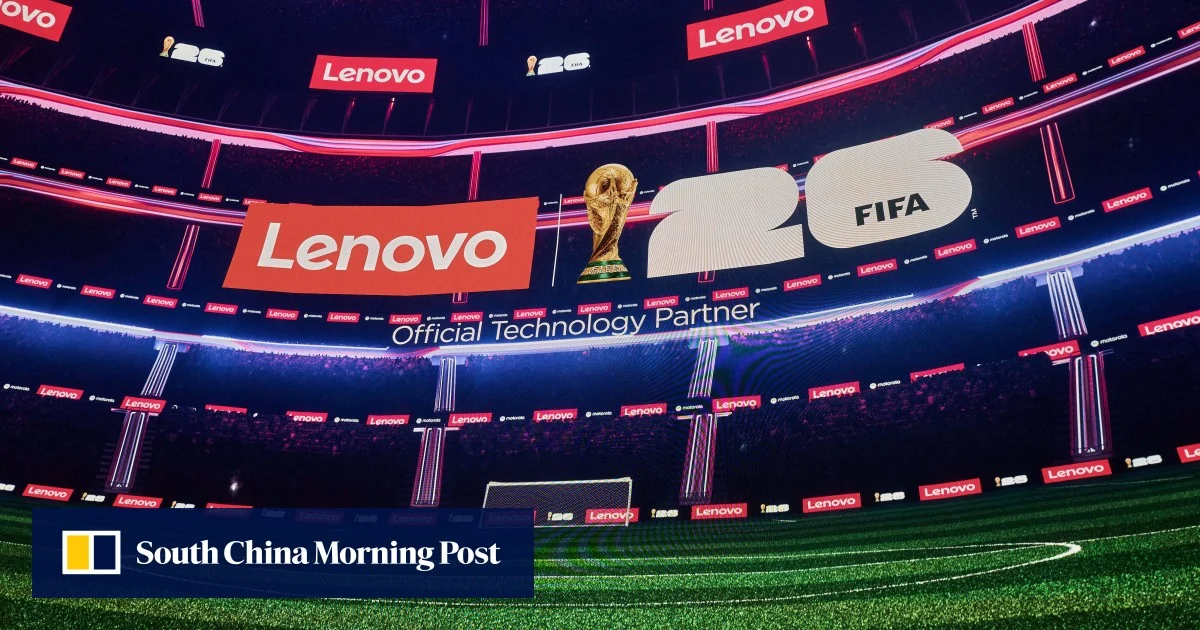
The FIFA World Cup 2026 in the United States, Mexico, and Canada has captured the global imagination through open play, star players, fan diversity, and state-of-the-art stadiums. Few events attract attention quite like a World Cup, drawing worldwide television audiences at all hours of the day and night. Yet football’s showcase tournament is rarely free from controversy. This World Cup has generated criticism over travel restrictions, eye-watering ticket prices, and commercial pressures that have reshaped the game. Less visible are protests directed at corporate actors, such as Aramco and Mytel, linking FIFA to states with dismal human rights records.
The World Cup has long been used by malign governments seeking legitimacy and international prestige. Benito Mussolini recognized the propaganda value of the tournament when Italy hosted the 1934 World Cup, presenting fascist Italy as modern, disciplined, and successful. During Argentina’s 1978 World Cup, General Jorge Rafael Videla’s military dictatorship projected an image of national unity while political prisoners were tortured and disappeared only miles from tournament venues. More recently, Russia’s hosting of the 2018 World Cup and Qatar’s of the 2022 tournament demonstrated how major football events can help soften international criticism and cultivate favorable narratives.