By Charles Kennedy - Jun 30, 2026, 9:00 AM CDT
Brent crude is on track for its largest quarterly decline since the COVID-19 market crash as tensions in the Middle East ease.
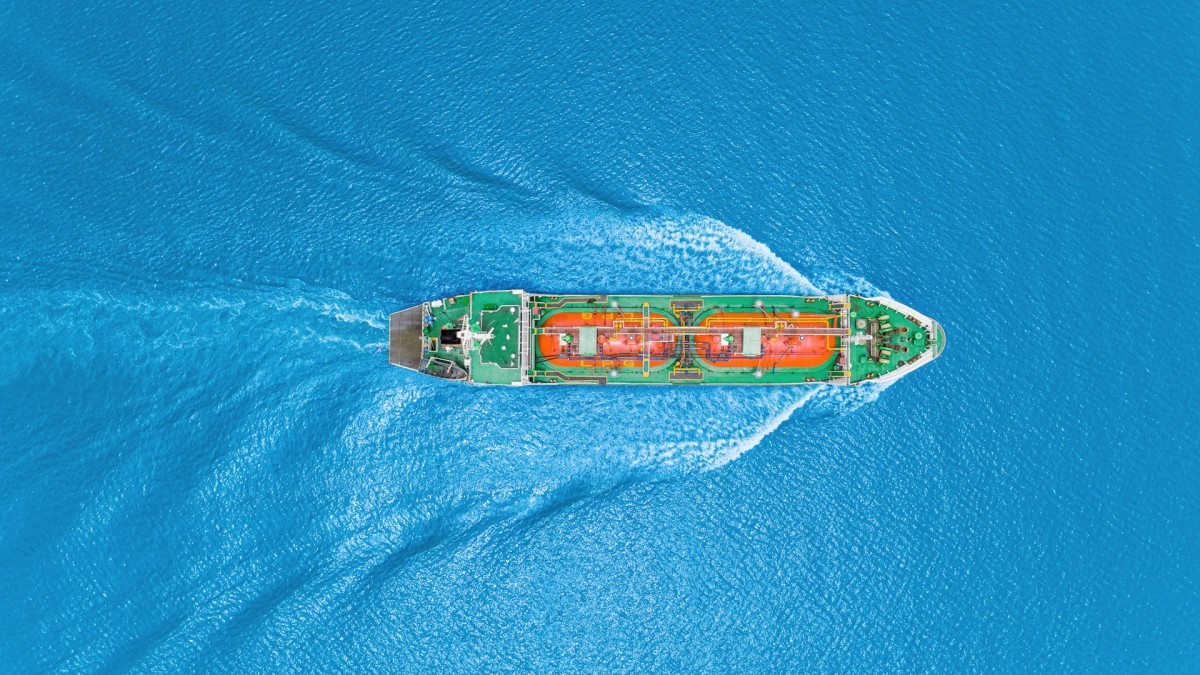
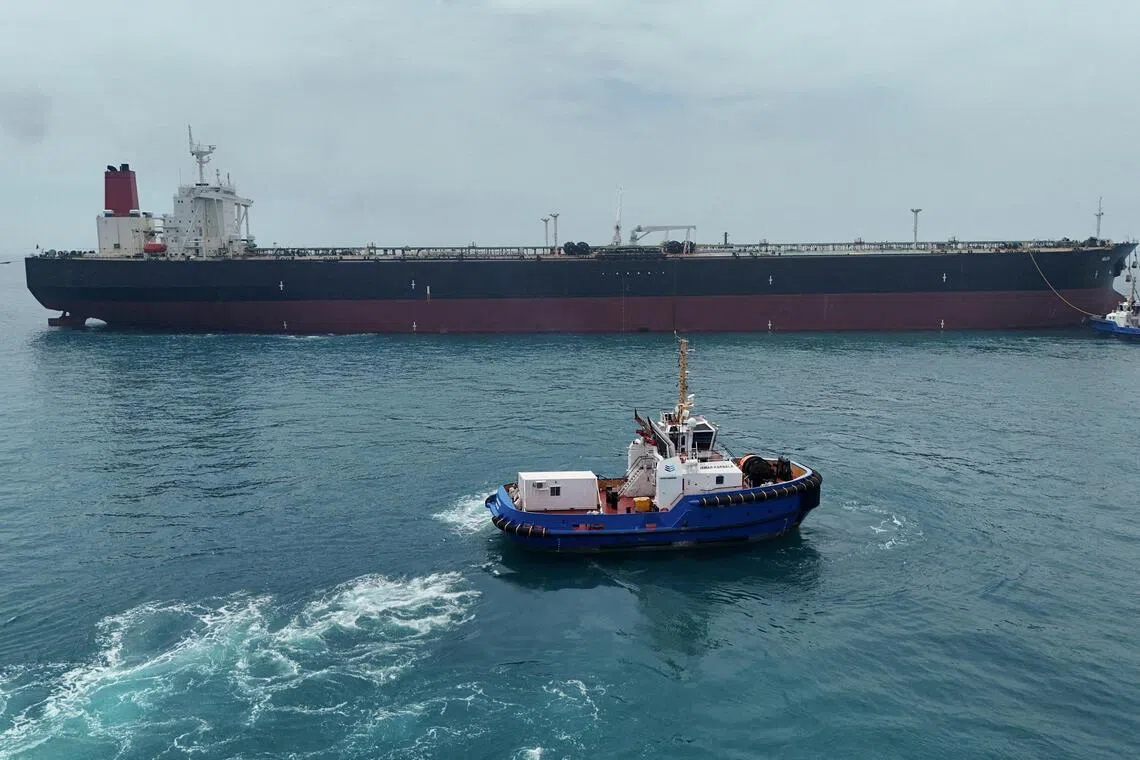
Markets have largely erased the geopolitical risk premium after the U.S. and Iran agreed to continue negotiations, allowing tanker traffic through Hormuz to recover.
Analysts caution that traders may be underestimating the risk of renewed disruptions despite improving sentiment.
As traffic through the Strait of Hormuz tentatively reopens following the U.S.-Iran deal to make a deal, oil prices on Tuesday were on track to post a 20% monthly decline and a 30% quarterly plunge in the biggest slump in a quarter since the pandemic-driven crash in prices.In the first quarter of 2020, Brent Crude prices plummeted by 65.5% as the world entered into lockdowns and road transport and industrial fuel demand crashed.The next steepest decline since then was registered in the quarter ending on Tuesday, with quarterly Brent prices slumping by 30.4%, per data from the ICE exchange compiled by Bloomberg. For the month of June alone, oil prices were losing as much as 22% as of early Tuesday, after the U.S. and Iran signed a memorandum of understanding in mid-June to continue negotiations on a potential peace deal by August.Both Brent and WTI benchmarks have dropped so much in the past two weeks that they are now nearly level with the prices from just before the first U.S. and Israeli attacks on Iran on February 28.The return to pre-war price levels is the result of market hopes that the Strait of Hormuz will remain open and traffic will gradually continue to pick up in the coming weeks.Investment banks rushed to slash their oil price forecasts after the U.S. and Iran announced the MoU, but many analysts continue to caution against too much optimism. Sentiment points to traders betting on a quick recovery of oil flows through the Strait of Hormuz. This isn’t a given—the situation can deteriorate at any moment, as this weekend’s renewed hostilities showed.“The price action in recent weeks reflects a market that is treating this temporary ceasefire between the US and Iran as a permanent deal,” Warren Patterson, Head of Commodities Strategy at ING, said in a note this week.“At close to $70/bbl, the oil market currently has close to zero geopolitical risk premium priced in.”By Charles Kennedy for Oilprice.comMore Top Reads From Oilprice.comAsian Refiners Redirect Middle East Crude to the U.S. as Hormuz Flows RecoverPakistan Pays Premium for Urgent LNG CargoVLCC Earnings Near $470,000 a Day as Hormuz Hopes Drive Tanker Frenzy