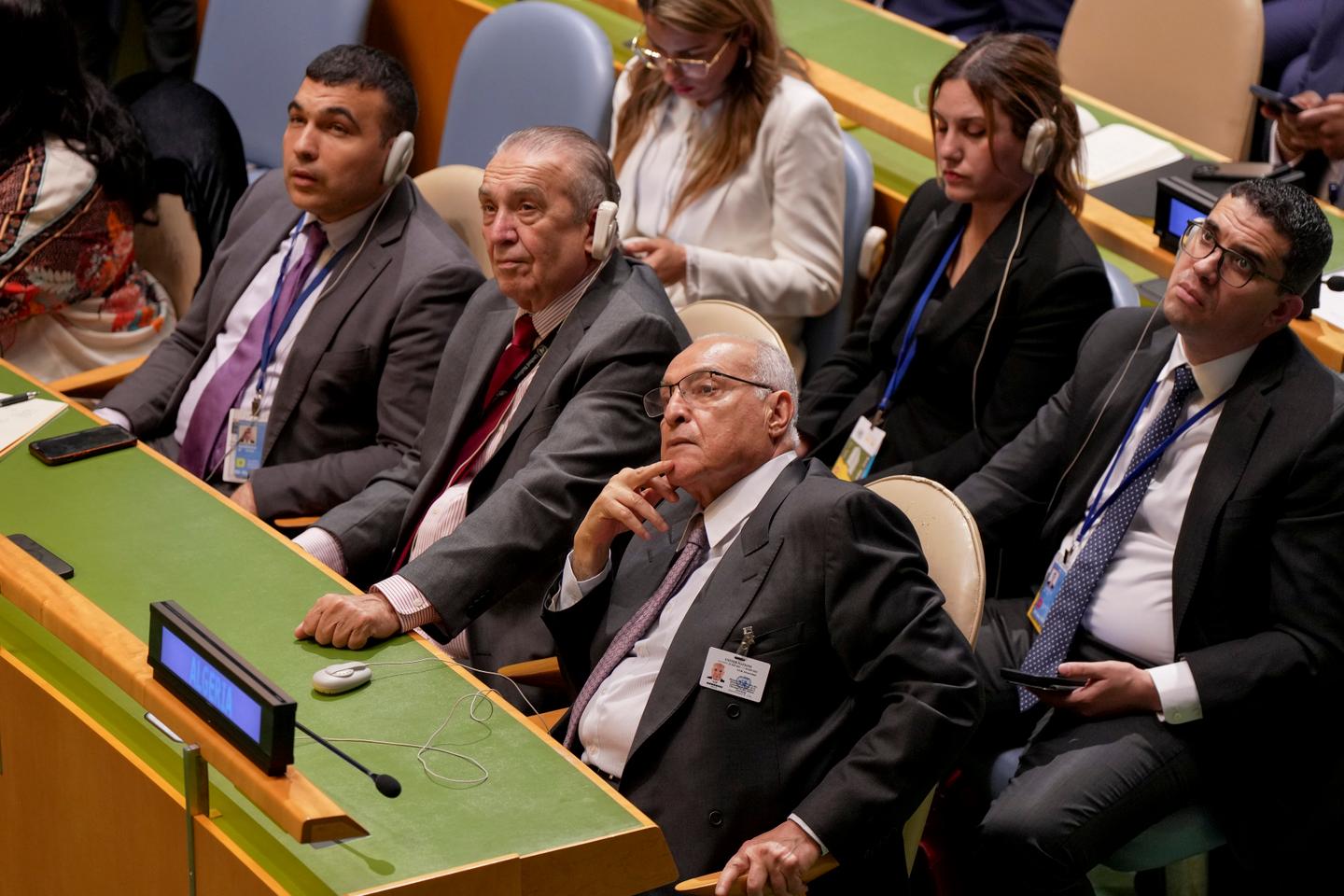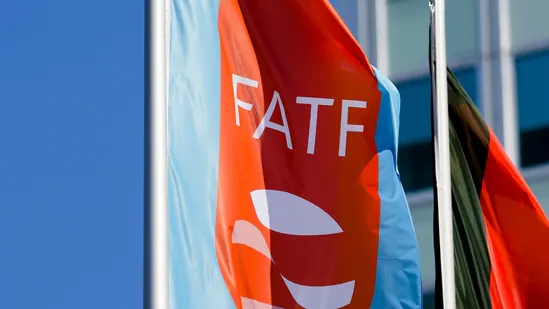
At its June plenary in Paris, the Financial Action Task Force (FATF) removed Algeria from its grey list, less than twenty months after the country was added in October 2024. Considering that Morocco’s delisting in 2023 took two years and the United Arab Emirates in 2024 nearly as long, Algiers’ completion of FATF’s action plan is notable. It demonstrates that Algiers can deliver on reform when the benchmarks are concrete, technical, and tied to real economic costs. Algeria is not unmovable, and Washington should take notice as it could signal broader opportunities to develop the bilateral relationship.
FATF is the intergovernmental body that sets global standards for anti-money laundering and combating the financing of terrorism (AML/CFT). Countries with strategic deficiencies that commit to fixes are placed under increased monitoring, commonly called the grey list. Being grey listed is not a sanctions designation but functions as a risk signal to international markets. Banks tighten due diligence and, in some cases, may choose to end correspondent relationships altogether. A 2021 International Monetary Fund study found that capital inflows decline on average by 7.6 percent of gross domestic product when a country is grey listed.