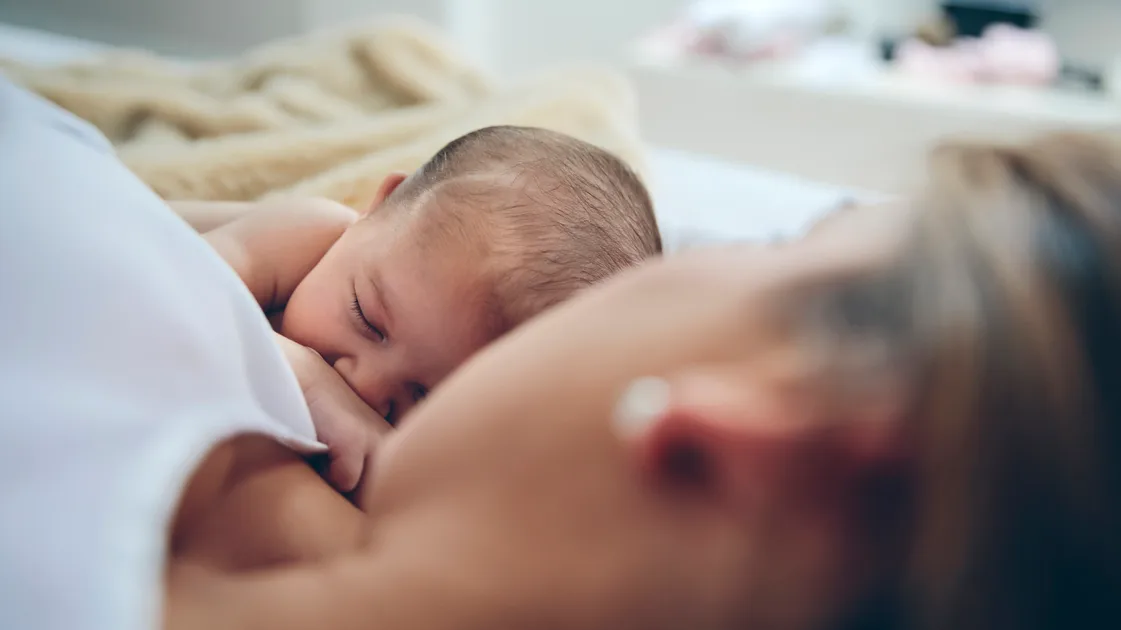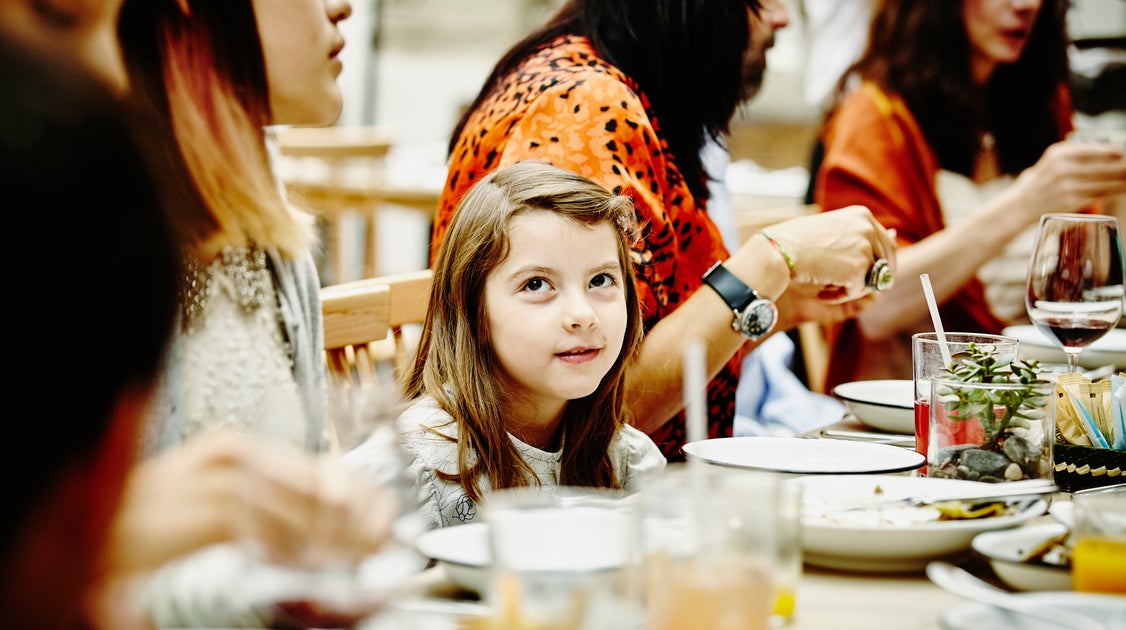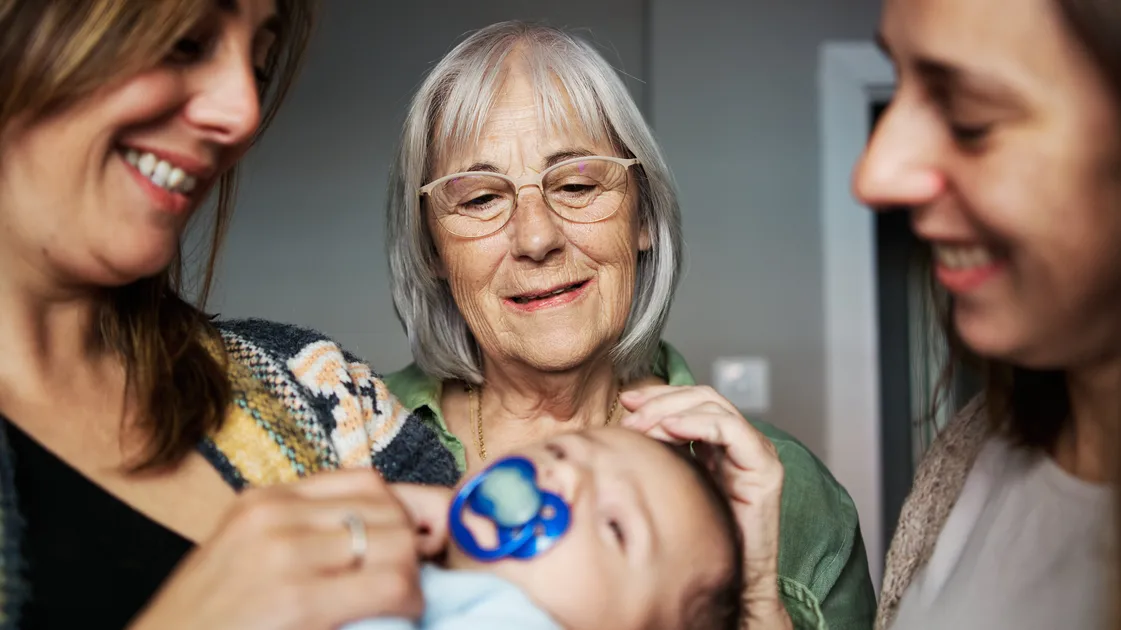
In the US, there are certainly norms surrounding pregnancy and child-rearing, but have you ever wondered how parents in other countries handle raising their kids? Here are some common pregnancy and parenting practices that parents abroad follow that might surprise Americans.Note: Some responses were pulled from these Reddit threads: 1, 2, 3, 4, and 5."Swedish here. I think there's a lot of emphasis on breastfeeding, and cosleeping is common. Sleep training is a big no-no, and many see it as child abuse. Speaking of that, corporal punishment like spanking is forbidden by law and very socially unacceptable. Parental leave is very long (two years is not uncommon) and almost fully paid."SanyaSM / Getty Images"In El Salvador, baby girls' ears are pierced before they leave the hospital. And you have to provide the earrings."Dimarik / Getty Images"I live in New Zealand, but I am Turkish and speak to Turkish friends with babies a lot. In Turkey, they believe in having no pets near babies, extreme hygiene at all times, and sterilizing everything forever (although this applies to Turkish culture in general). This means keeping babies indoors as much as possible, and having minimal contact with nature because it's 'dirty.' Unfortunately, there's a perfectionist ideology, which puts immense pressure on new moms. Turks tend to be very judgy. Also, you have to occupy your kid at all times: reading, playing, teaching them something, or whatever else. There's less emphasis on independent play."Vera Livchak / Getty Images"I'm Indian and married to an American. I've tried to raise my child as close to how my mom and grandma did. One thing is that baby food is made from scratch. Everything is boiled a bit and pureed, including fruit. There are lots of foods that are discouraged because they make the baby congested or mess with digestion before a certain age.""France here. It's true: kids eat the same things as their parents at mealtime. There is no such thing as having 'kid-friendly' food. All the kids I know, including my own, eat absolutely everything, from veggies to snails to unpasteurised cheese, etc. The biggest difference between here and the US (I've lived in both) is that kids are treated like little humans rather than babied. They learn to sit still at the restaurant, go grocery shopping, and interact in public without putting a screen in front of them or throwing a thousand snacks at them so they shut up.""I'm an American living in Iceland. My son walks/bikes to school, usually in the dark for half the year, which is something I wouldn't trust in the US. Schools here are also more relaxed. The kids can take their shoes off, they sometimes learn while sitting on couches, and they learn basic life skills like sewing and cooking early. There's a BIG emphasis on group activities. Sports and social clubs are run by the municipality, and there's one for almost anything you can think of. Many kids here ride their bikes around town and take the bus to the city. I remember I went to a 'soccer' game in the summer, and there was a group of 10–11-year-olds there, unsupervised. I was shocked. Parents, half the time, don't know where their kids are. They just go over to whoever's house to hang out. It feels a lot like when I was a kid in the '80s and '90s. Lots of freedom."Cavan Images / Getty Images/Cavan Images RF"Here in Norway, the goal is to make the kids into functioning adults, so they get more responsibility gradually as they grow. They have to live alone at some point, and dumping the responsibility of that on them one day is just setting them up for failure. So, kids walk to school on their own around age 6–8. They have plenty of chores to do to help out at home, and we teach them how to cook and clean. They are responsible for their own homework and education from around 10, and so on."MinoruM / Getty ImagesLastly: "I'm an American. Parenting here is very over-the-top, and I find it ridiculous. I know most will not agree with me, but that's just how I feel. 🤷♀️ There's too much 'helicopter parenting.' It seems like it's really frowned upon to have a life outside of your kids, have a job, or spend even a single night away from them. Parental leave is short — too short. Mine is 16 weeks, which, for the US, is considered very good (which says a lot about our leave policies). Everything about parenting strategy is up for debate, and people have strong opinions about it. If you do something different than another parent, they might get offended and tell you how you're going to ruin your child's life. Not every parent is like that, but many of them are.""Sorry, I'm not trying to shit on the US, but parenting over here sucks sometimes. I feel like it's a competition of some sort. I've found my best 'parenting strategy' is to just do what feels right to me and works best for our family. People might have an opinion, but at the end of the day, it's not their family, so it's not their business." — [deleted]Note: Some submissions have been edited for length and/or clarity.RelatedParenting
The Surprising Parenting Habits That Are Totally Normal Abroad — But Rarely Practiced In The U.S.
"Parenting here is over-the-top, and I find it ridiculous."
878 words~4 min read