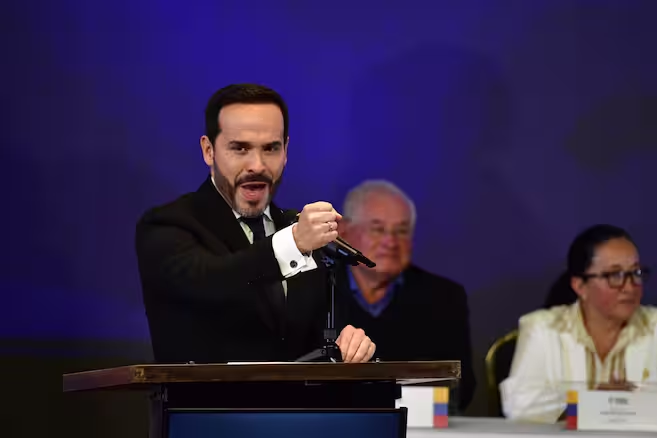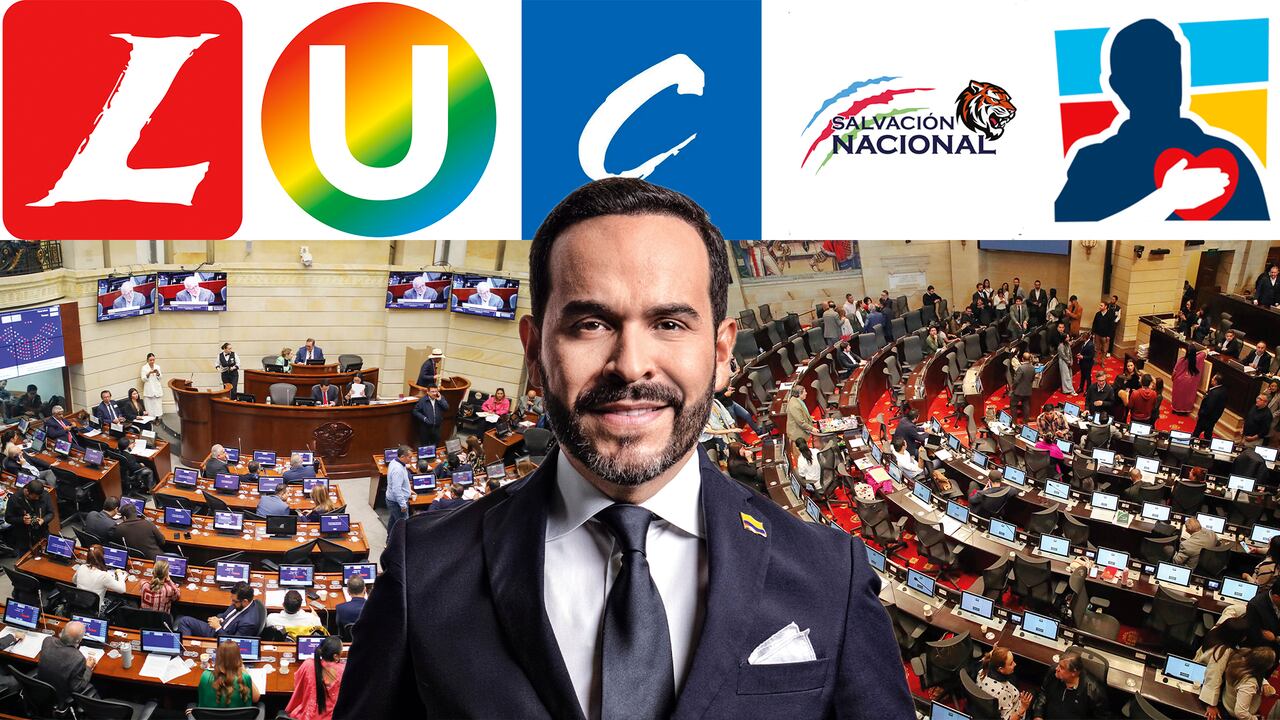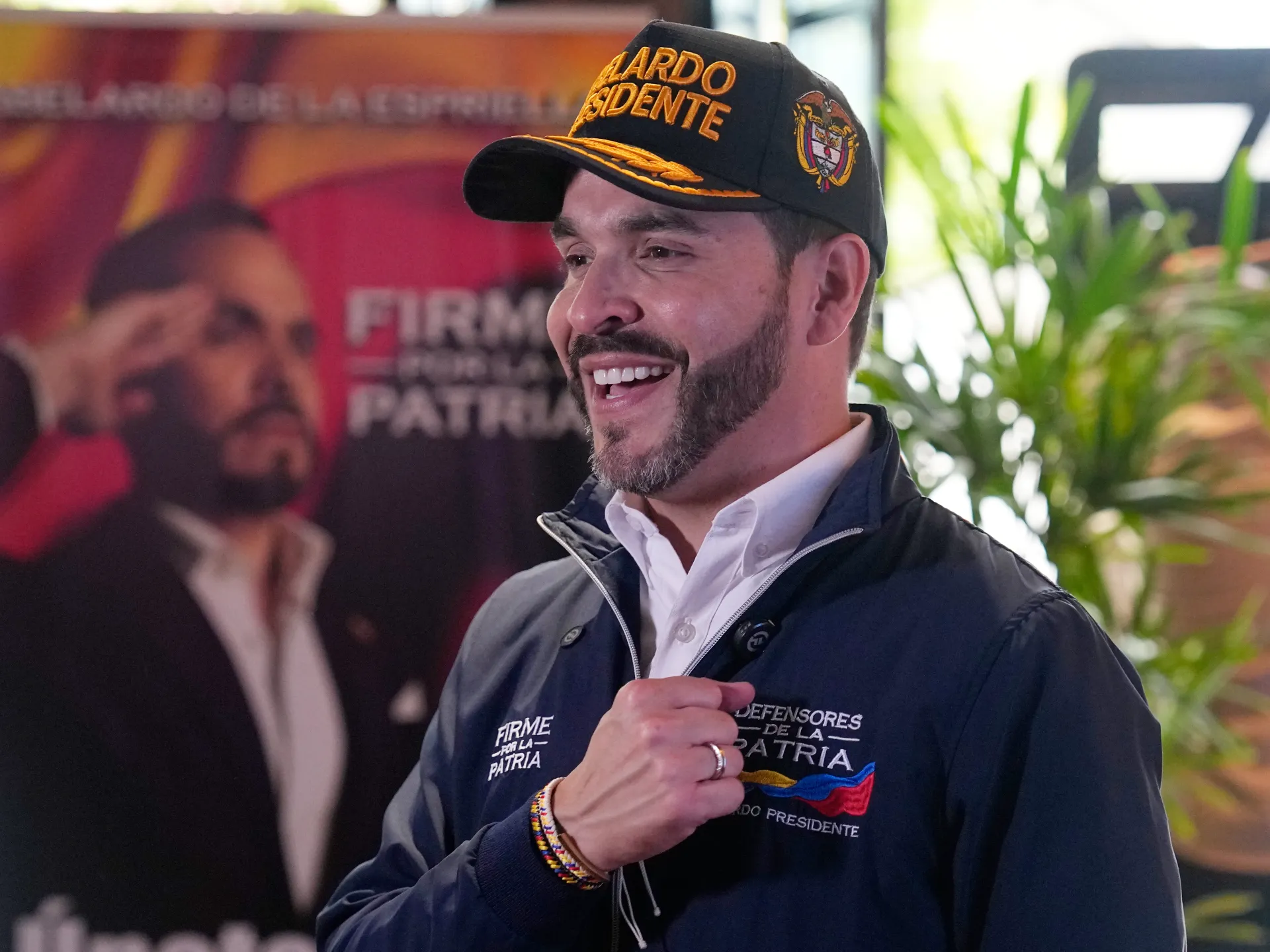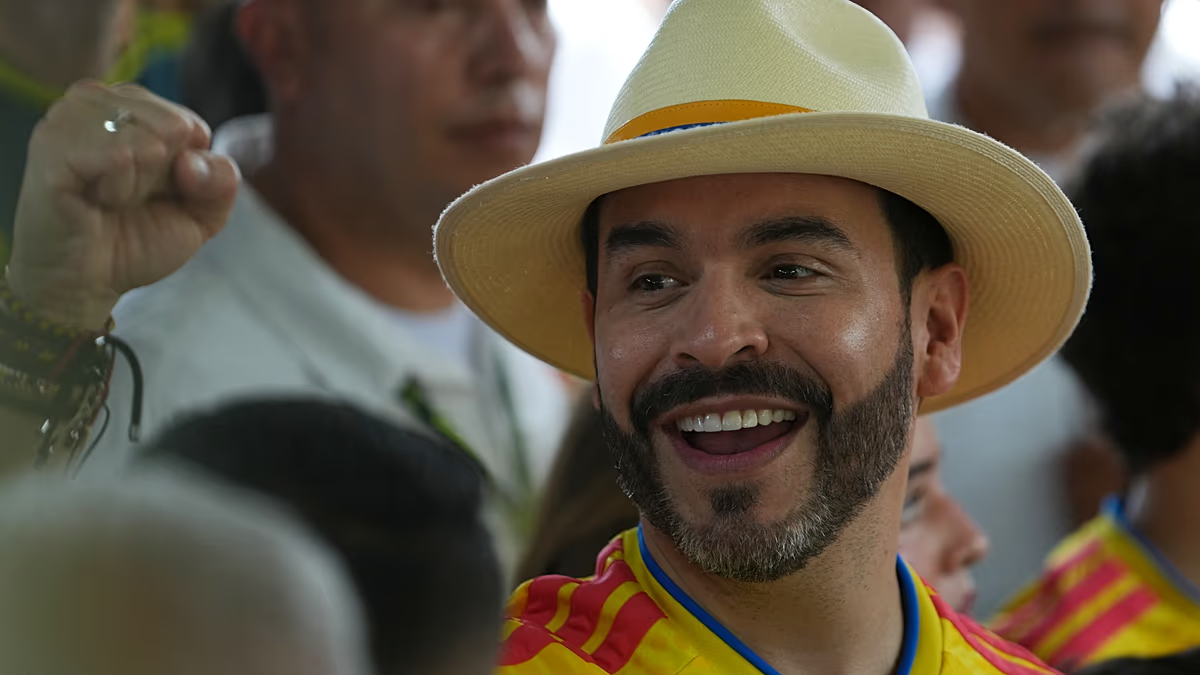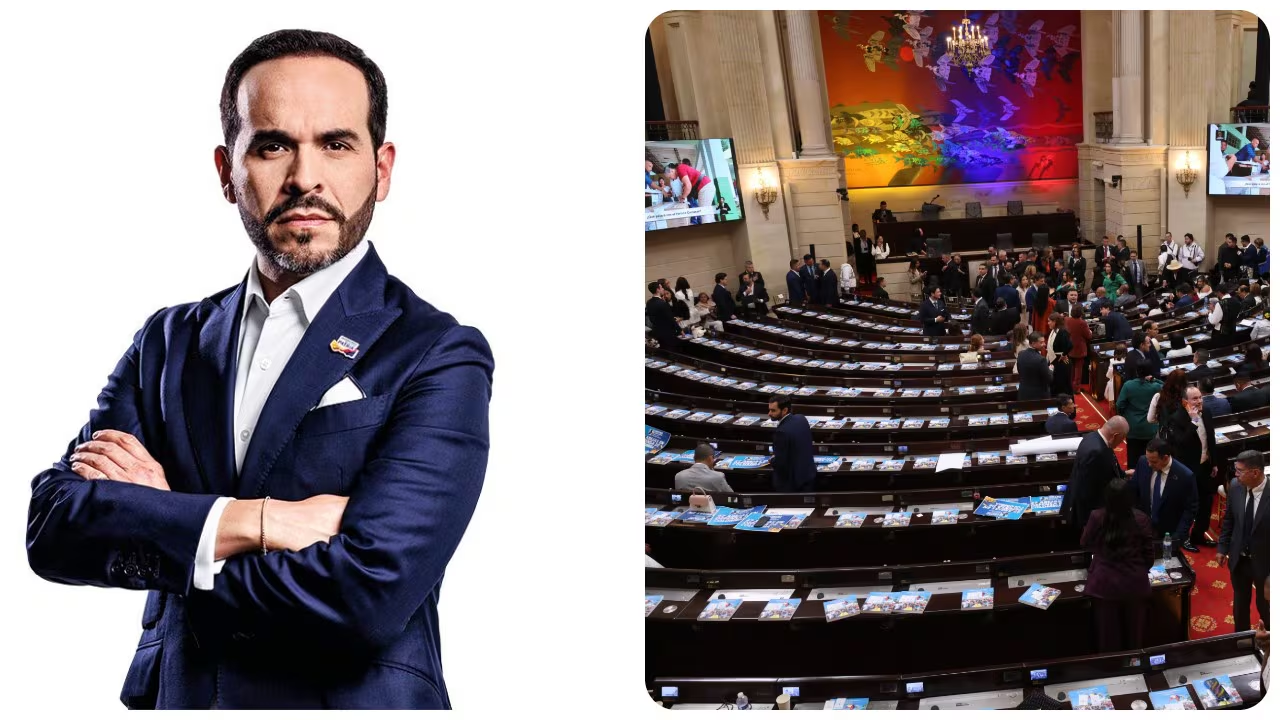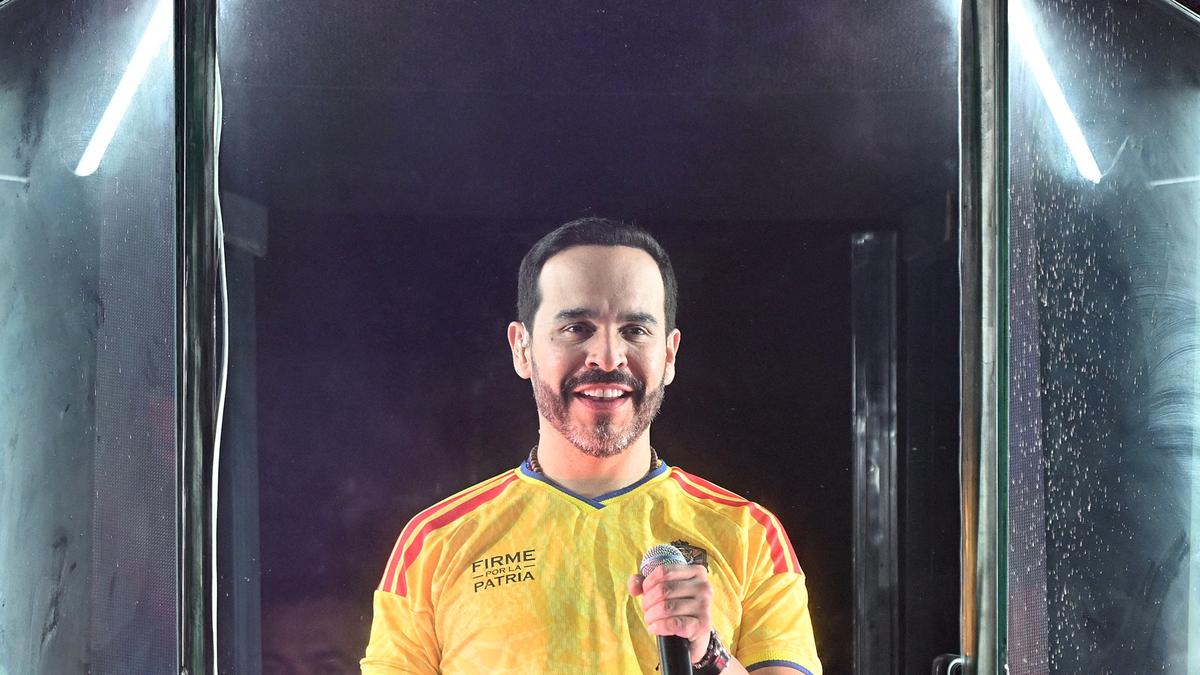
Reading Time: 5 minutesAbelardo De La Espriella will be the 22nd president in Latin America since the 1980s who can be classified as a newcomer: a figure elected to the presidency with minimal experience in public office. What do we know about these cases? Newcomers arrive with a big agenda, but they struggle to achieve their goals or even stay in the job—and when they do, damage to democracy is sometimes the result.
In De La Espriella, Colombia has elected its most unusual president in a generation. He is a criminal defense lawyer whose clients included questionable figures such as people linked to the paramilitaries, a notorious pyramid-scheme operator, and even Alex Saab, accused of laundering money for Nicolás Maduro’s government in Venezuela. He qualified for the ballot through citizen signatures rather than a major party, and has never held elected office.
Newcomer presidents may be new to Colombia, but it is not a fringe, or even new, phenomenon in Latin America; figures with low experience in public office are common presidential candidates in the region (60 by my count since 1989). As elected presidents, newcomers span the ideological spectrum—Hugo Chávez on the left, De La Espriella on the right, with figures like Ecuador’s Rafael Correa blending different currents once in office. What unites them isn’t ideology but their thin political resumes. They emerge from outside the political class. They may be celebrities, but have no experience building coalitions. They arrive on a wave of public exhaustion with the politicians who came before.