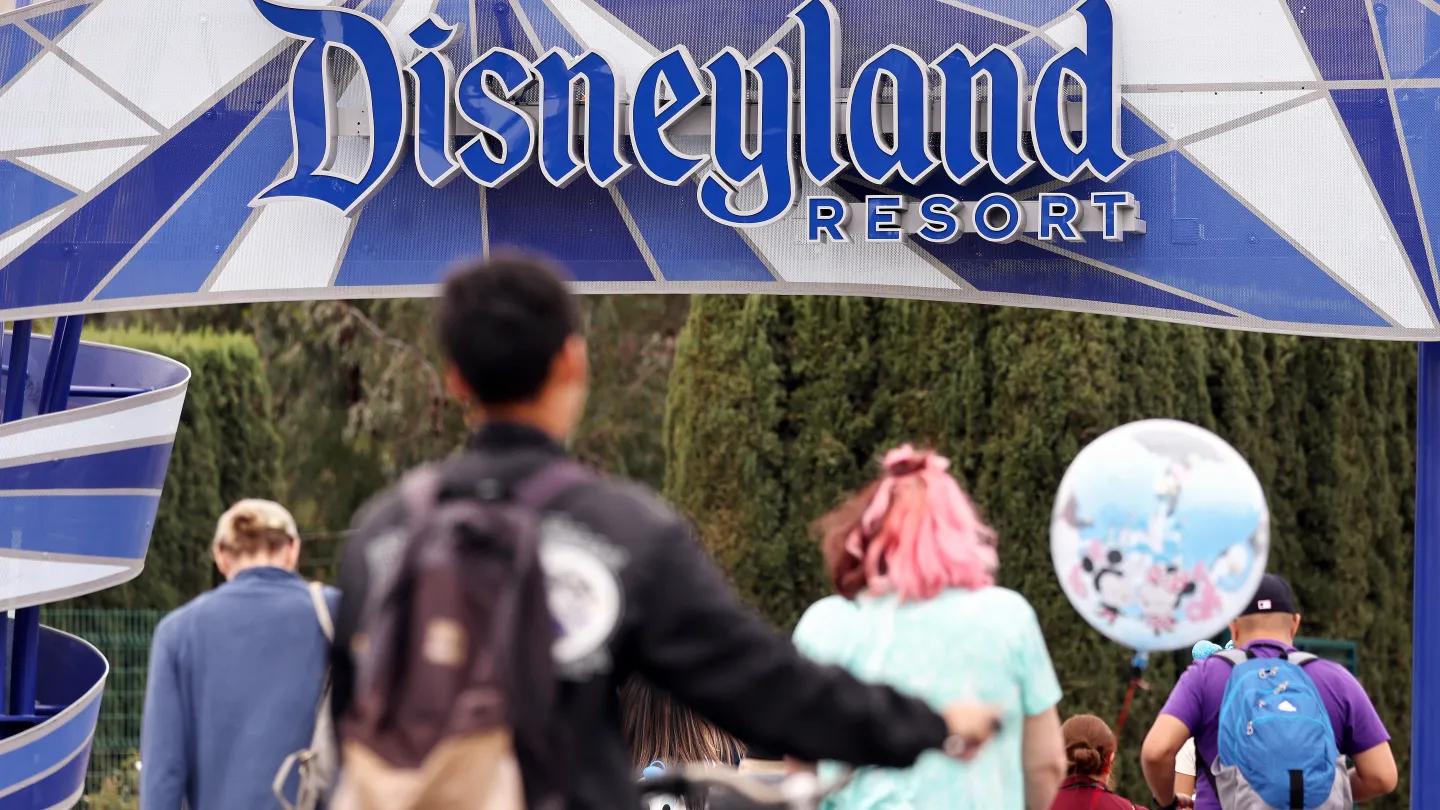
In 2024, a man named Jeffrey Piccolo sued a restaurant inside a Disney theme park after his wife died from an allergic reaction the restaurant staff had been explicitly warned about. Disney's lawyers moved to dismiss the case before it reached a jury — not on the facts of the allergy, but on a clause buried in the terms of service Piccolo had accepted years earlier, for an entirely different product: a free trial of Disney+.
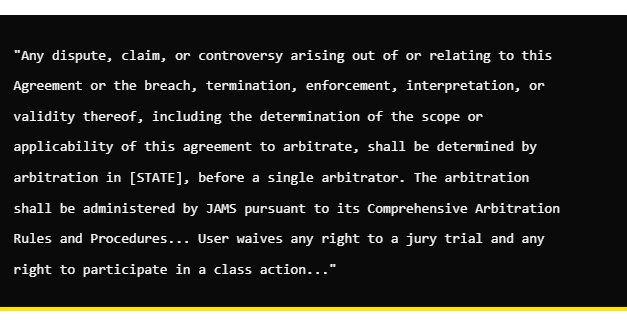
The argument was that by clicking "I agree" on a streaming trial, Piccolo had consented to resolve all future disputes with any Disney entity through private, binding arbitration — forfeiting his right to a jury trial for anything, including a wrongful death claim at a restaurant he hadn't even visited yet when he signed up.
Public backlash forced Disney to withdraw the motion. But the case demonstrated something that should concern anyone who has ever clicked "accept" without reading what came after it: the clause itself was not unusual, and the legal argument was not frivolous. It worked exactly as the contract was written to work. The National Consumer Law Center's response to the case called explicitly for federal legislation, on the basis that the current legal framework allows exactly this kind of cross-application of arbitration clauses across unrelated products from the same corporate parent.