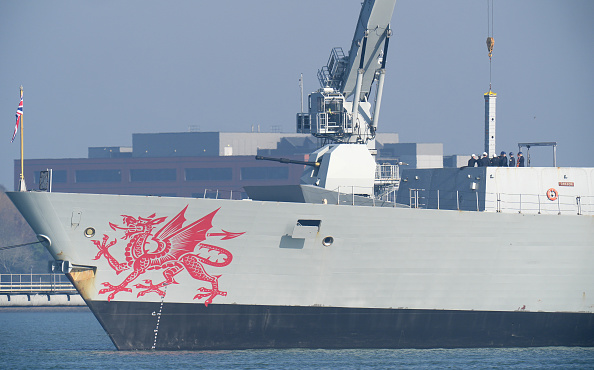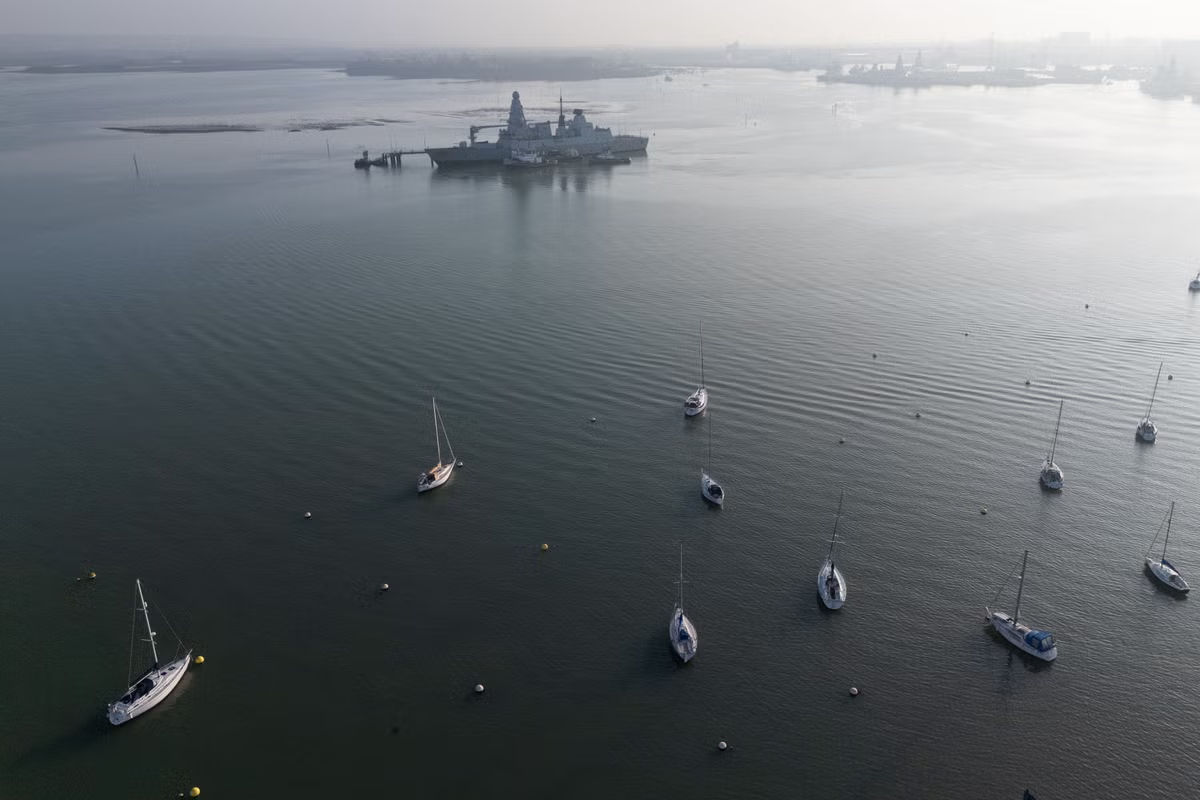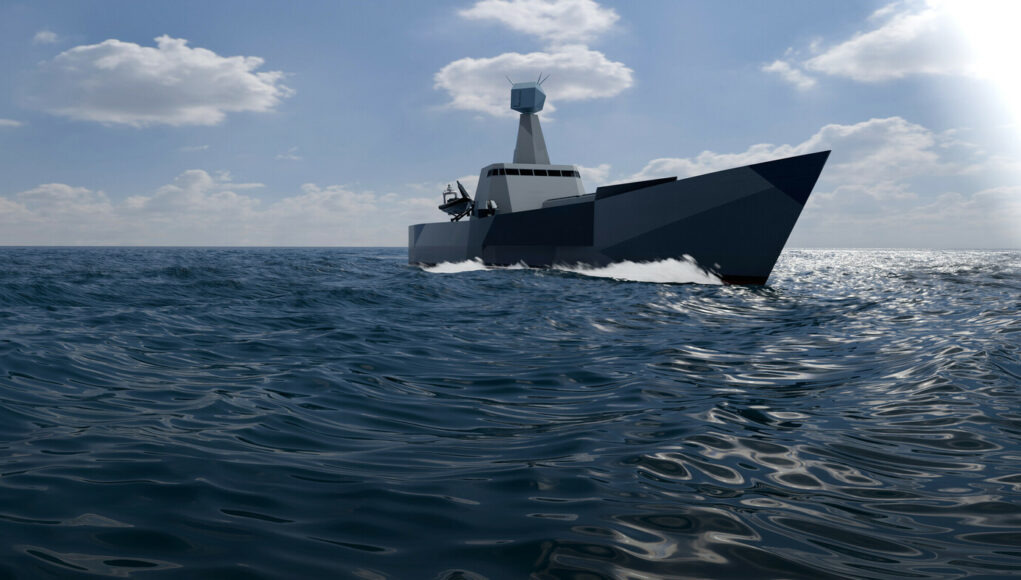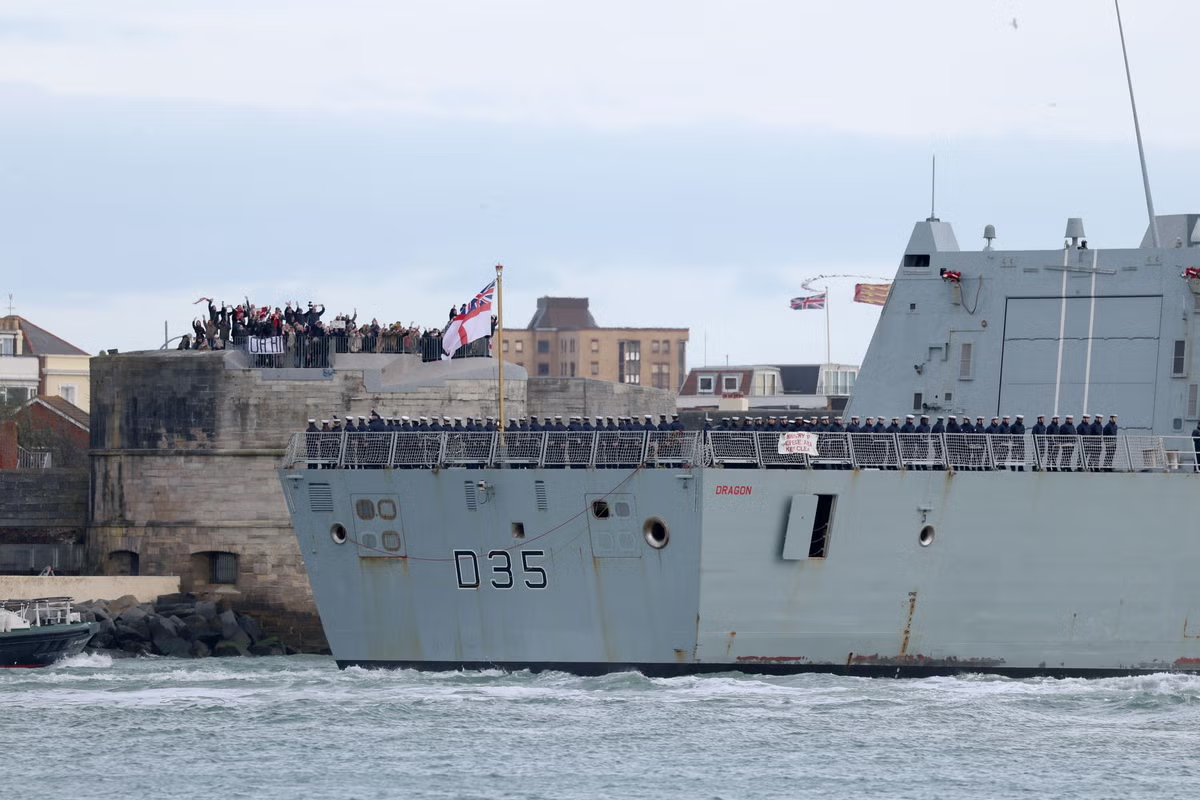
This week, it was announced that the Royal Navy is to lose its dedicated air-defence destroyers. The six Type 45 class destroyers will leave service from 2038 and be replaced not by the Type 83 class destroyer – the successor promised in 2021 and then quietly sidelined – but by at least six Common Combat Vessels (CCV), the Ministry of Defence has announced.
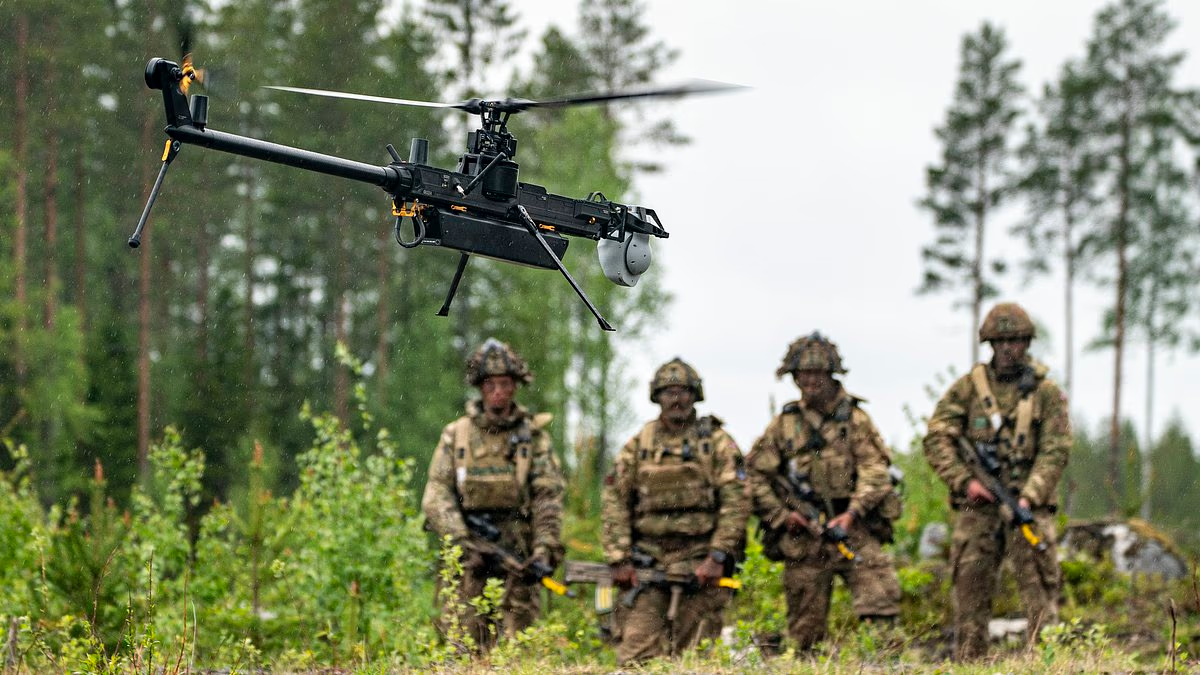
These new crewed warships are supposed to act as command hubs for flotillas of uncrewed ships. This should not come as a surprise. The Royal Navy has signalled for years that its future lies with uncrewed systems, and the Type 83 was never promised the funding to make it real. The decision is conceptually defensible – even forward-thinking – but only if the funding matches the philosophy. The difficulty is that the cost of bringing in such new systems may be great.
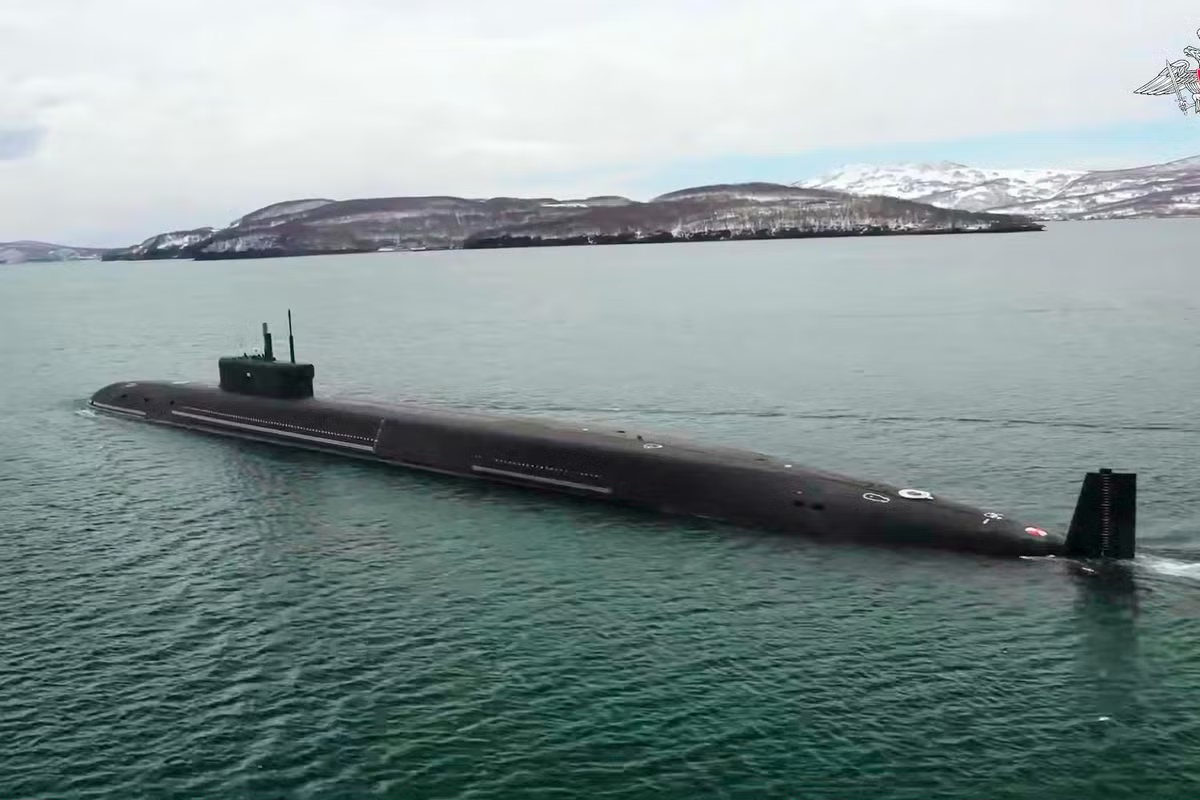
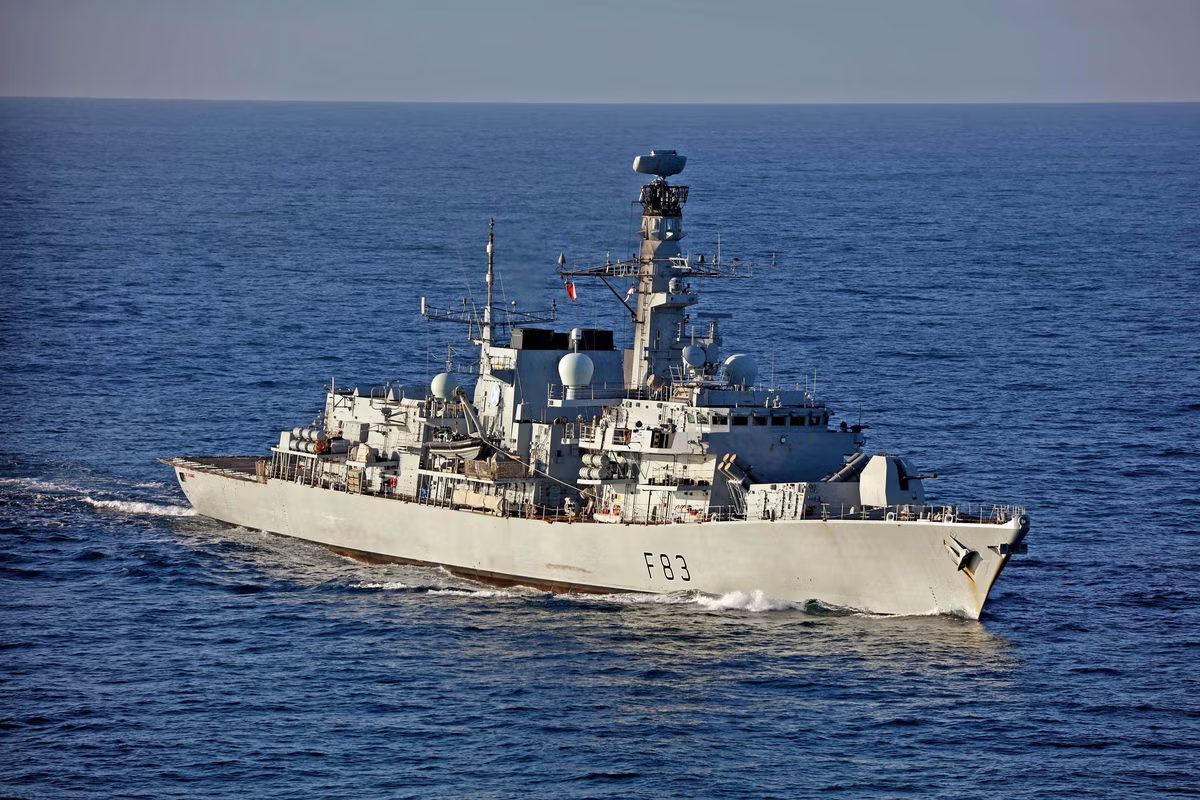
The strongest argument for the change is time. A like-for-like Type 83 class destroyer would have been a large and complex warship, a decade or more from the water and hugely expensive. The CCV is a more modest vessel, comparable in size to a frigate, such as a Type 31 class, and could be at sea far sooner. That matters, because the threat is not waiting. Nato has assessed it must be ready for conflict as early as 2030. The Russian Northern Fleet, which threatens Britain from the north, is being modernised and, unlike the Black Sea Fleet, has been largely unaffected by the war.