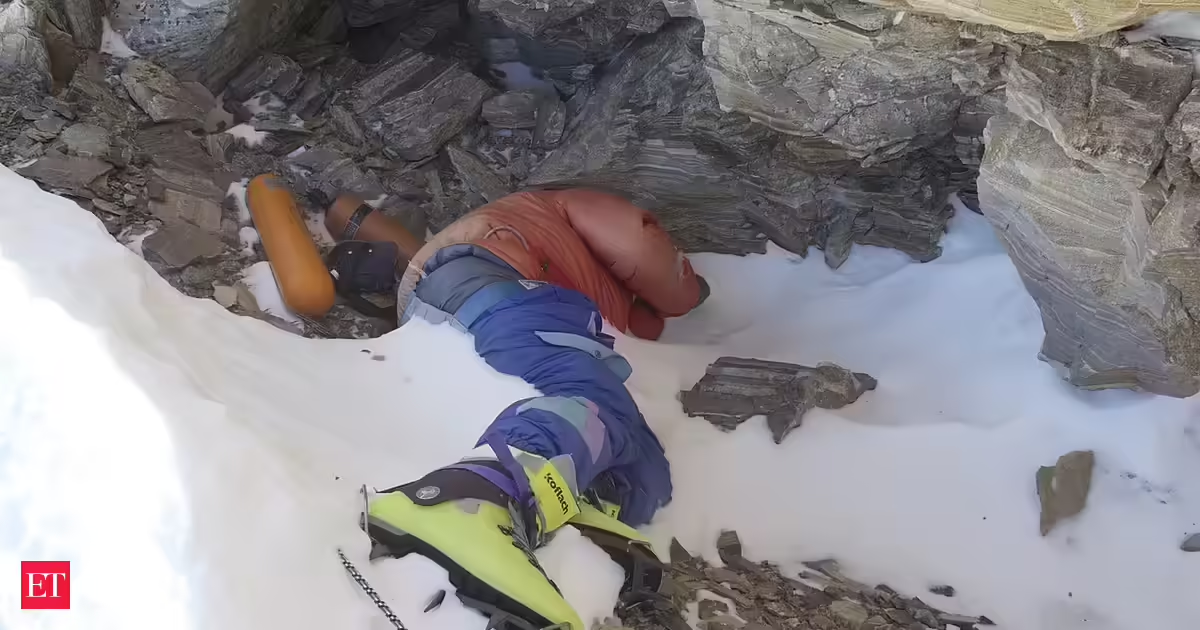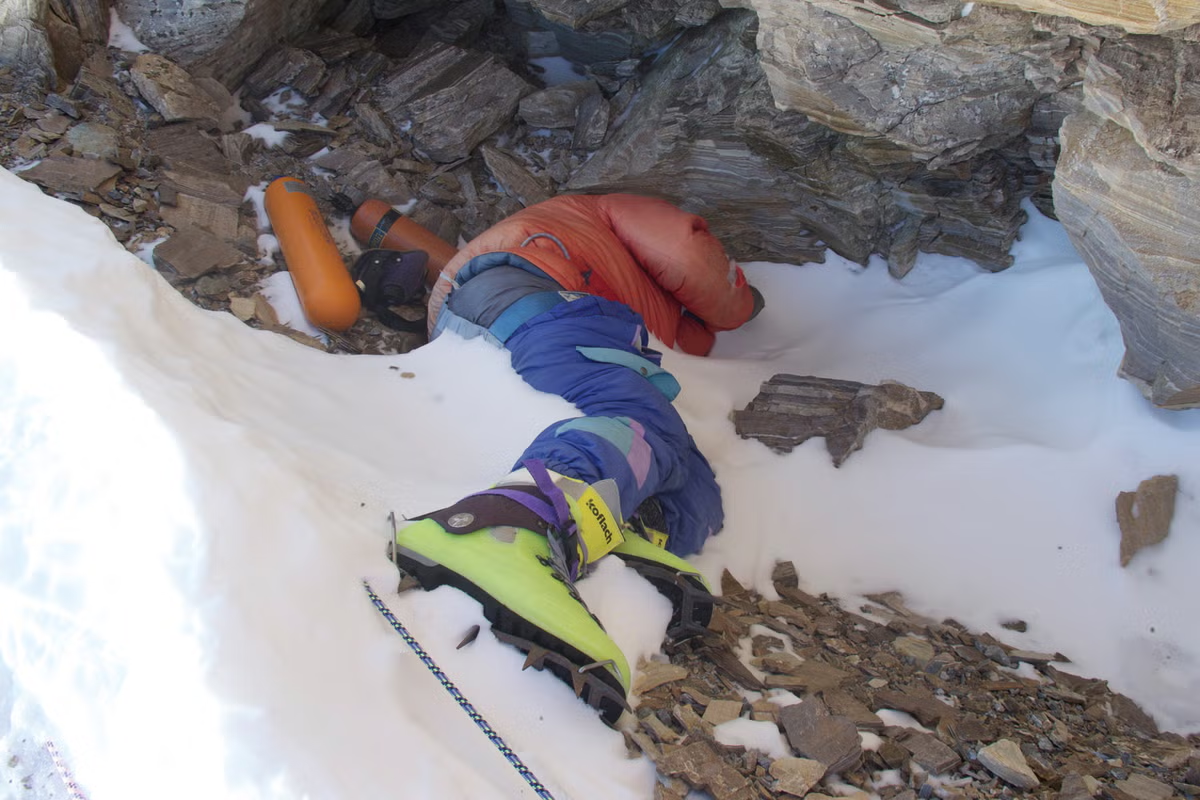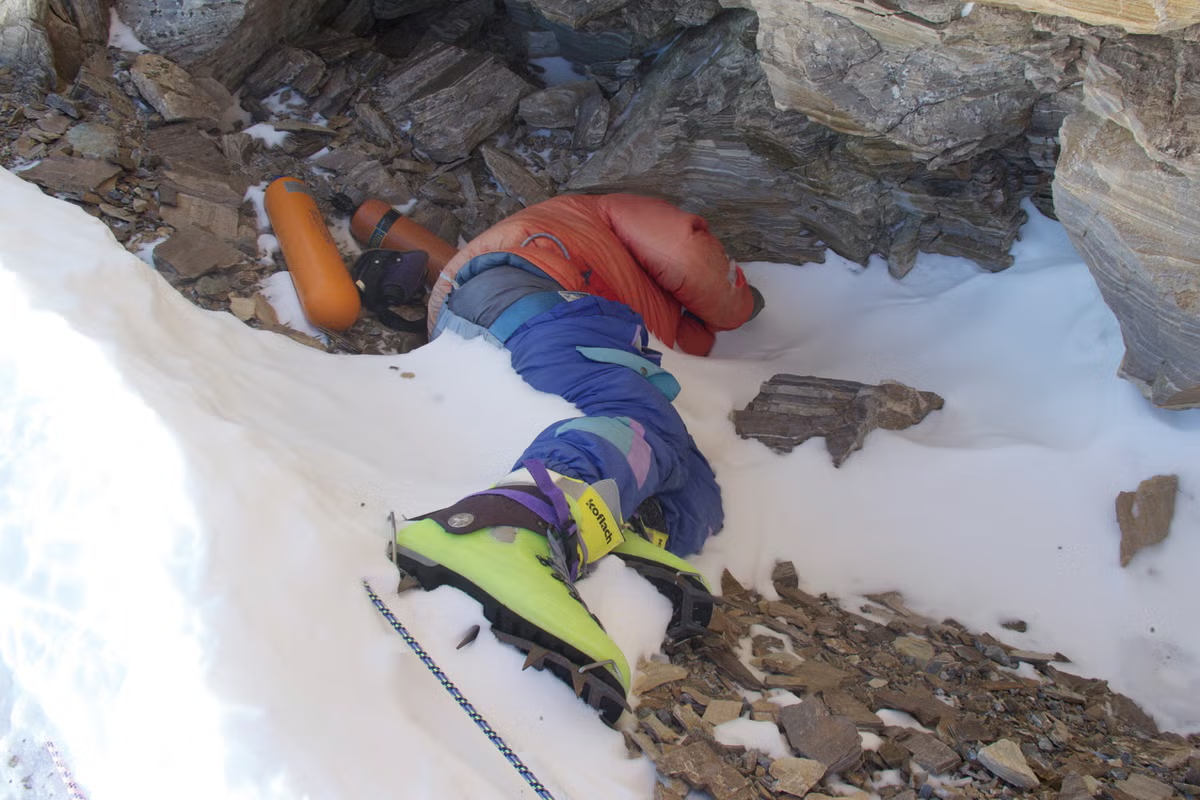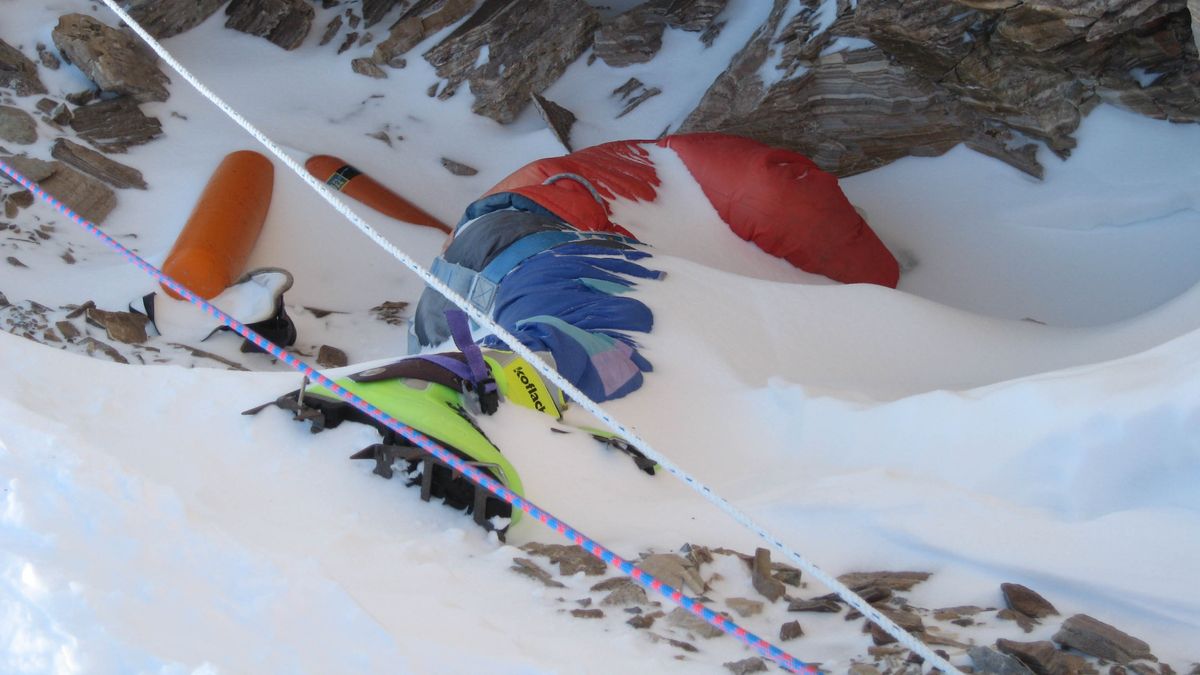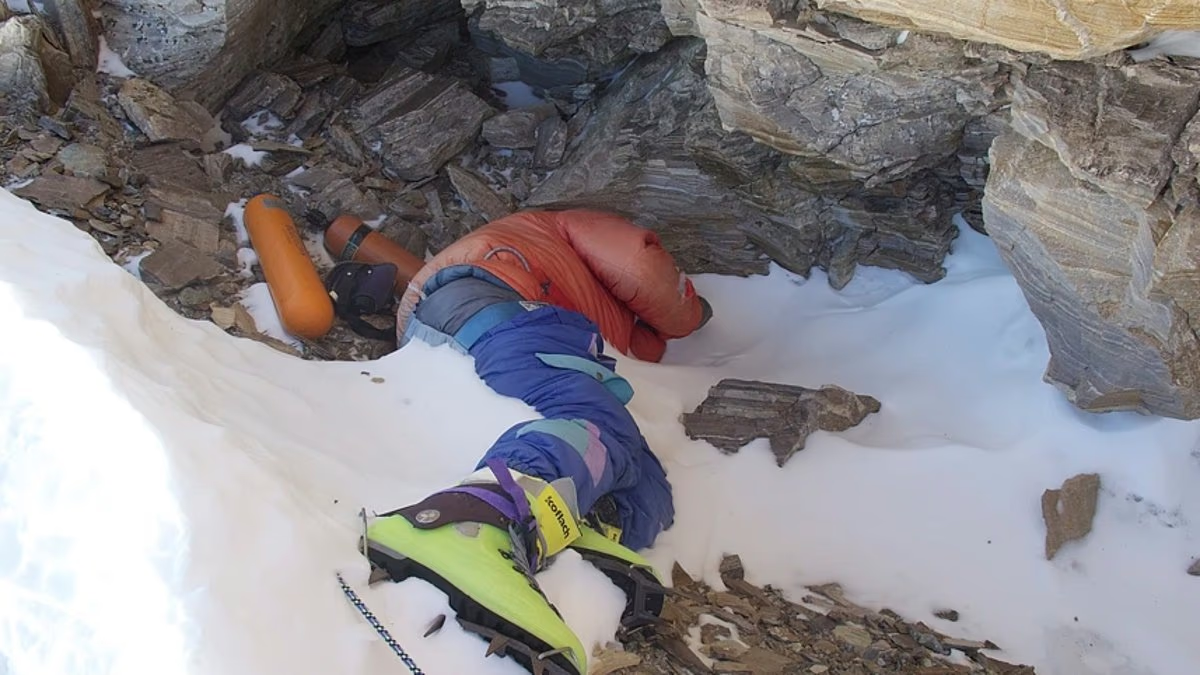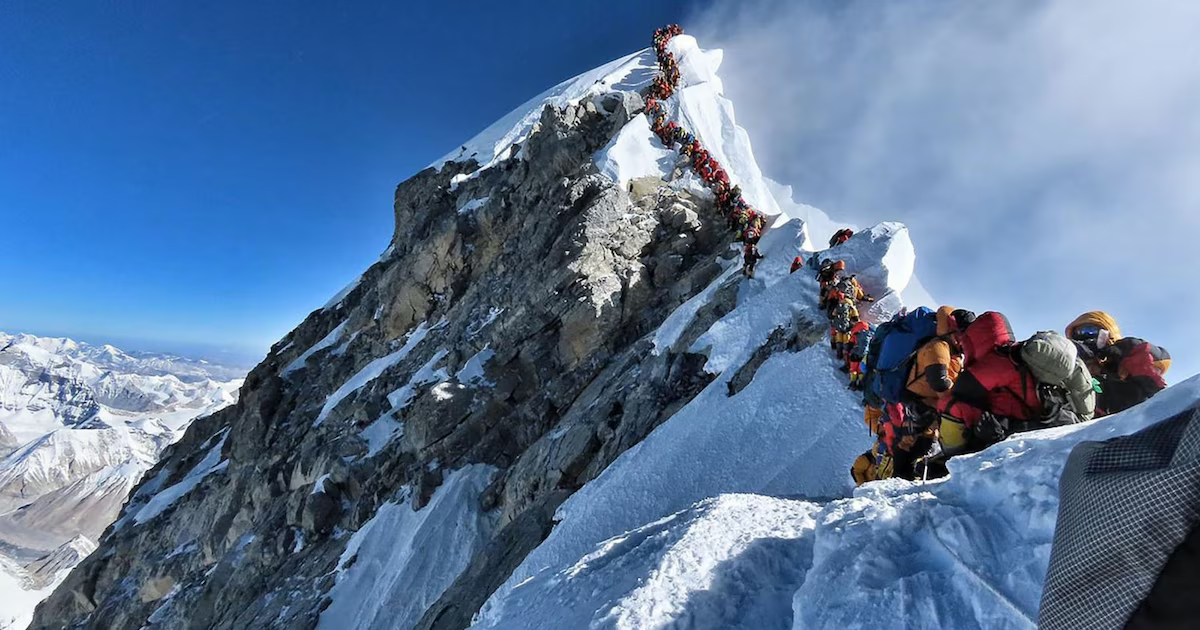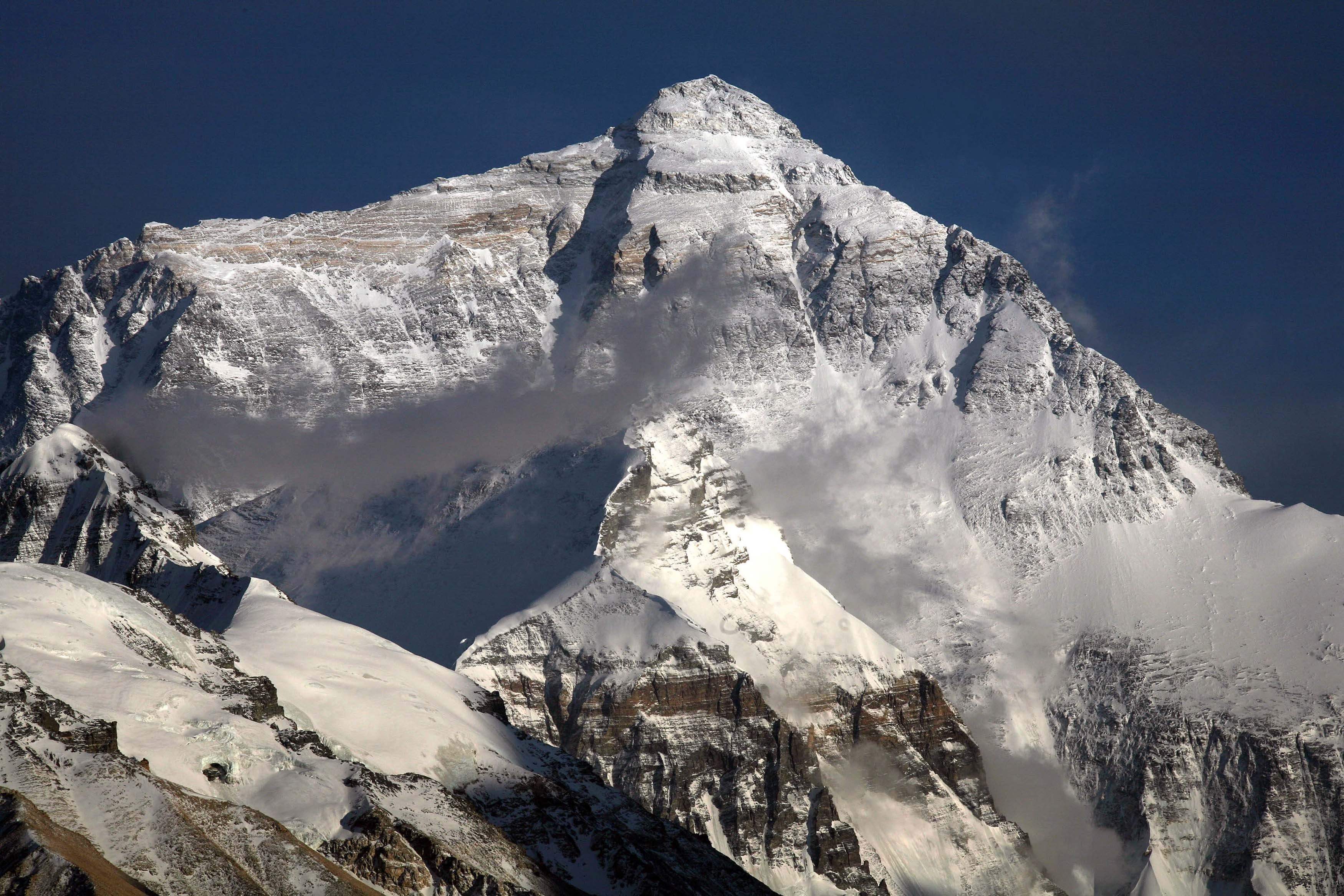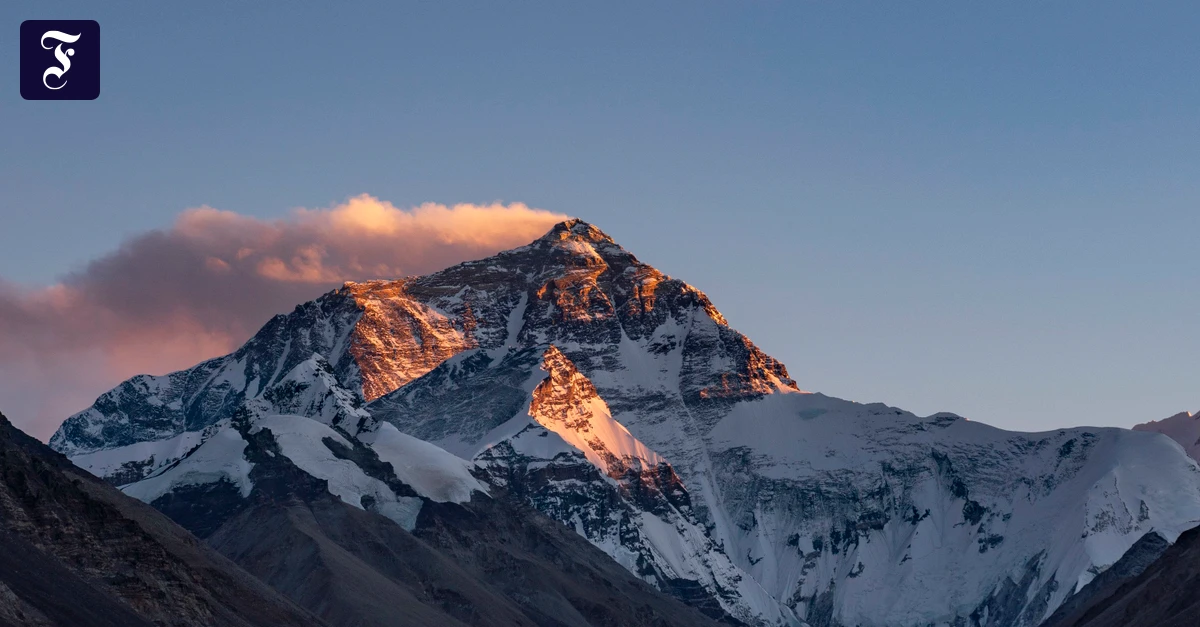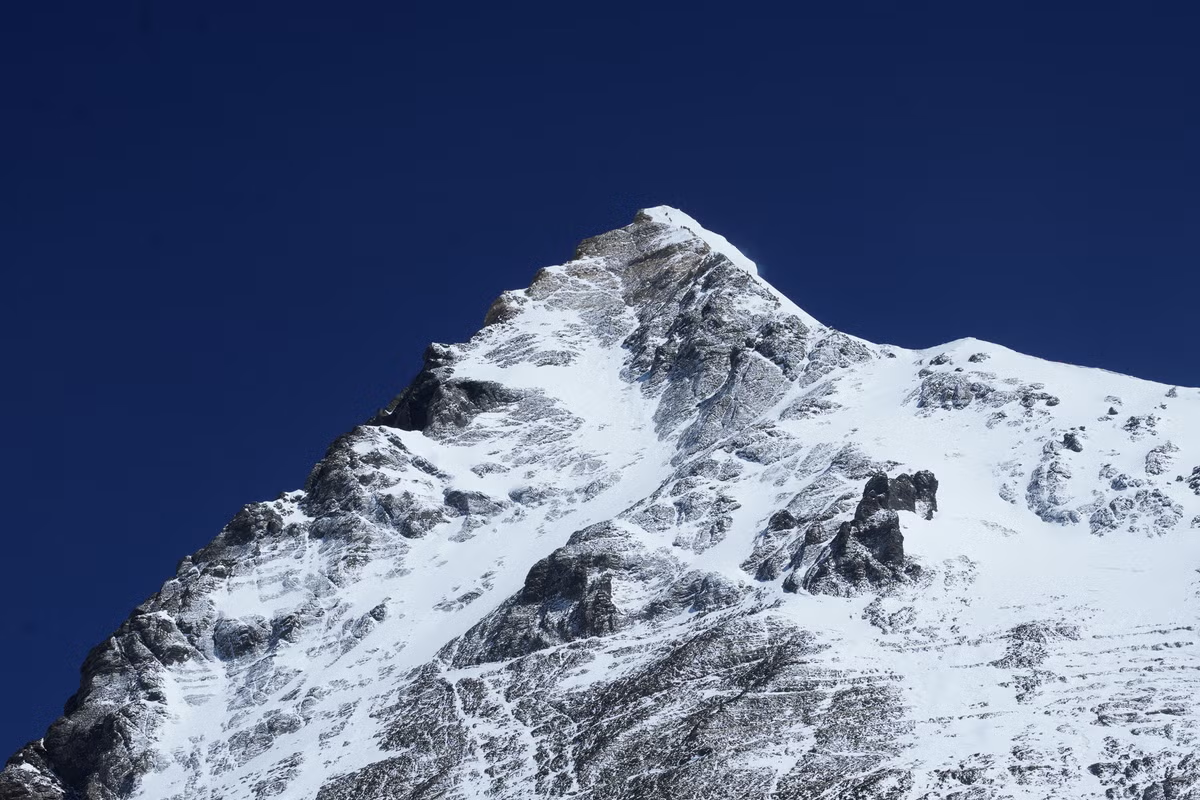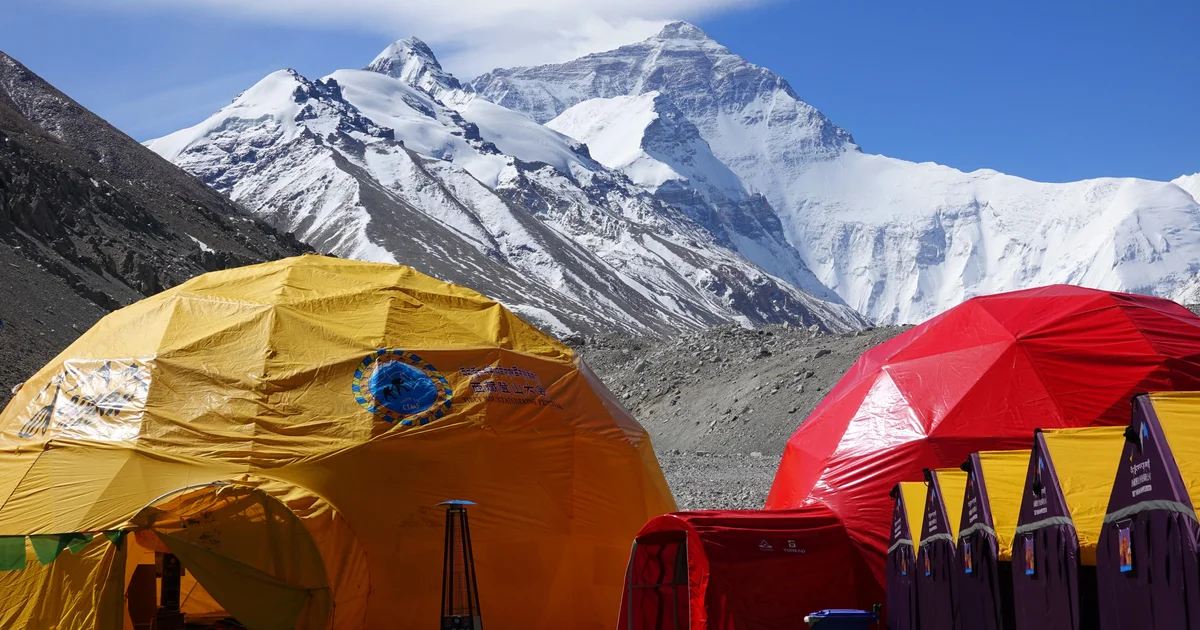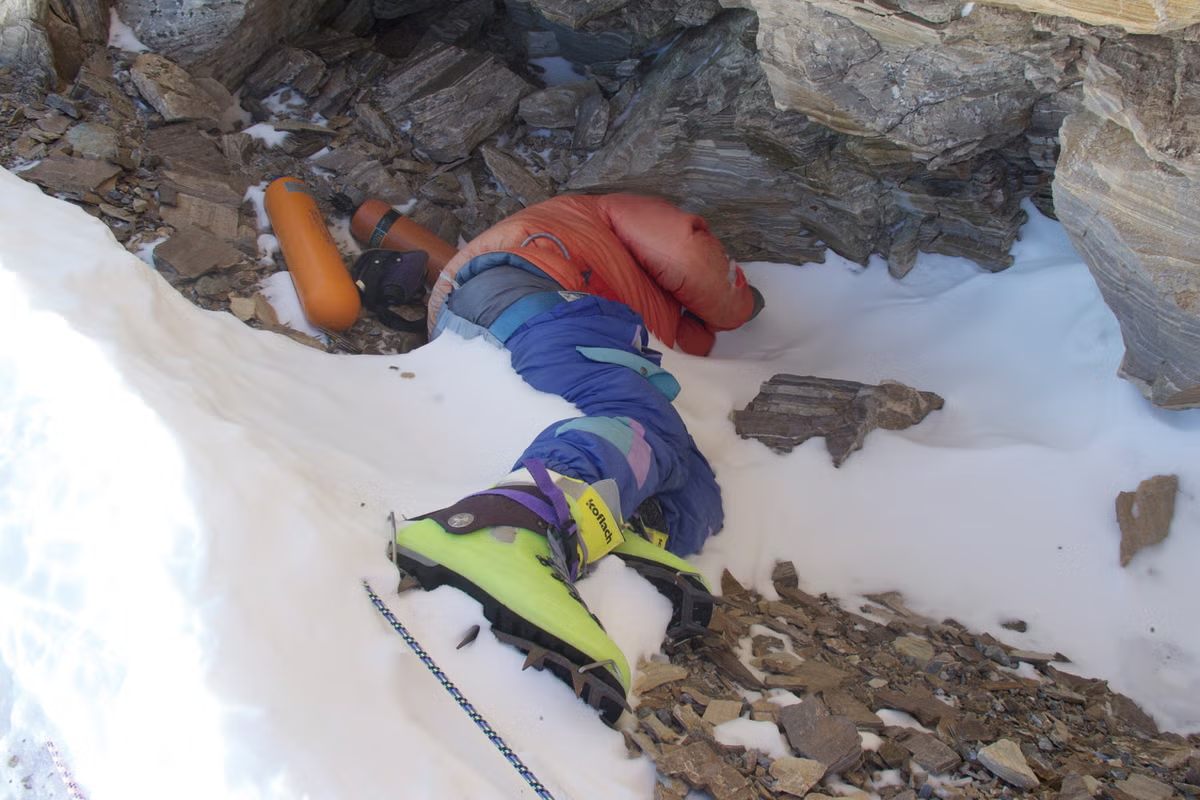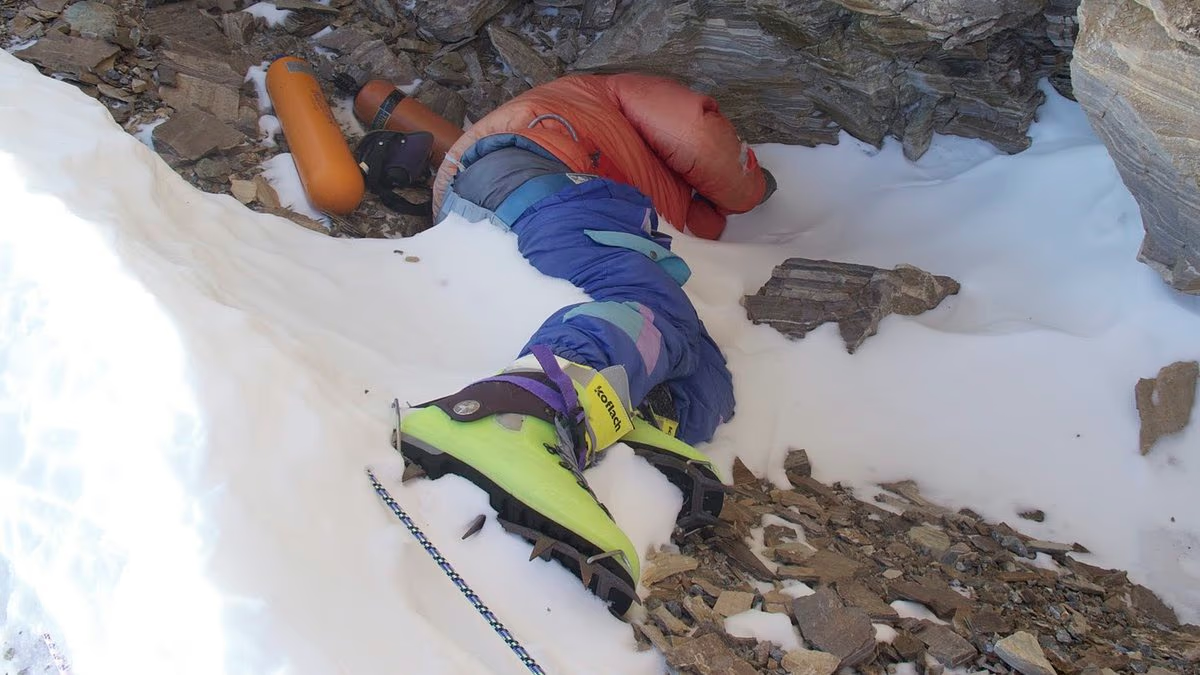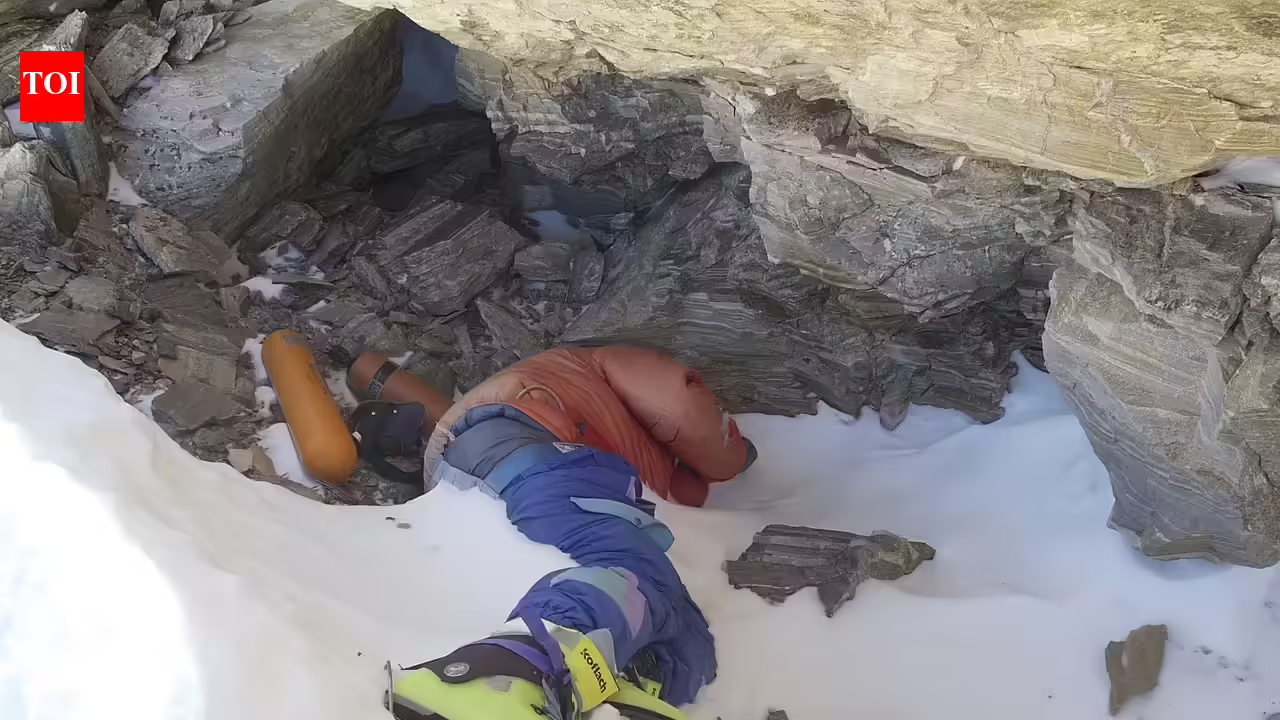
India has launched a daring mission to retrieve the body of a soldier, identified as Lance Naik Dorje Morup, from Mount Everest's treacherous 'death zone'. For decades, the remains, known as 'Green Boots', served as a grim landmark. Image Credits: Wikimedia CommonsWhen people imagine climbing the world's tallest peak, they often picture a familiar scene of human achievement. We picture colourful prayer flags whipping violently in the freezing wind, triumphant climbers embracing one another against a backdrop of endless white horizons, and the sense of achievement that comes with reaching the summit. Many modern climbers can attempt the ascent with proper training, high-tech gear, and experienced guides.But the upper slopes of Mount Everest present a much harsher reality for high-altitude climbers. Along the main climbing routes are the frozen remains of climbers who died in the harsh environment. Because the air at that height is too thin for long survival, standard rescue efforts are extremely difficult, and families often have to leave their loved ones where they fell. Over the decades, these fallen adventurers have slowly transformed into permanent, heartbreaking landmarks that every passing climber must walk past on their journey to the top.This delicate intersection of historical tragedy and modern closure has taken a dramatic turn through an official government repatriation strategy detailed in a report by The Guardian. The international media outlet reported that Indian authorities have launched a formal initiative to bring home the mountain's most famous casualty. By issuing a public tender for high-altitude recovery specialists, the government is attempting a perilous retrieval operation.Unravelling a three-decade-old identity mystery in the death zoneTo understand why this body became such an iconic landmark in mountaineering history, it helps to look at how it came to be there. As documented in the report by The Guardian, the remains rest inside a small alcove cave. For nearly three decades, the fallen climber was nicknamed Green Boots because of the lime-green Koflach footwear still laced to his feet. Because the cave sits along the narrow path from the Tibetan side of the mountain, many climbers have used the body as a waypoint to gauge their distance from the summit.A CBS News report says the identity of the body has been debated for decades. For a long time, many climbers and reports have identified the remains as those of Tsewang Paljor. He was a member of a historic Indo-Tibetan Border Police expedition that was tragically caught in the 1996 blizzard that killed several climbers near the peak.However, the newly released government documents referenced in the CBS News investigation have revised that long-standing historical narrative. While popular lore long assumed the body was Paljor, the tender documents and DNA testing identified the body as Lance Naik Dorje Morup, another soldier who died in the 1996 disaster. While both men reportedly pushed for the summit on the same afternoon and never returned, the confirmation may give one family clearer answers about where their relative came to rest. This unprecedented repatriation effort by Indian authorities aims to bring the fallen hero home, overcoming immense logistical and environmental challenges. Image Credits: Wikimedia CommonsThe immense challenges of an alpine retrieval operationThe physical challenges of bringing a body down from the upper mountain help explain why the remains have stayed in the alcove for so long. The recovery zone sits deep within what scientists call the death zone, an extreme environment where the human body struggles to acclimatise because of the low atmospheric pressure. At that extreme height, even the most basic physical movements require monumental effort, and carrying a heavy, frozen mass across steep, vertical ice walls multiplies the danger for even the most seasoned Sherpas.According to CBS News, the Indo-Tibetan Border Police is soliciting bids from specialised high-altitude recovery agencies to manage the retrieval. The official tender documents say the contracted rescue team must bring the remains down the northern slope and return them to Delhi by October, if verified. The recovery crew must contend with summer blizzards, sub-zero temperatures, and exhaustion while removing the remains from the ice.This repatriation mission raises practical and ethical questions about the risks and benefits of recovery. While some climbers argue that the risks to recovery teams outweigh the benefits of retrieving the dead, the initiative reflects a commitment to bringing a fallen soldier back. It would mark the formal return of the remains to his country.
Lying frozen on Mount Everest for nearly 30 years, wearing 'Green Boots', the famous remains are now the focus of a major Indian recovery operation
When people imagine climbing the world's tallest peak, they often picture a familiar scene of human achievement. We picture colourful prayer flags whipping violently in the freezing wind, triumphant climbers embracing one another against a backdrop of endless white horizons, and the sense of achievement that comes with reaching the summit.
727 words~3 min read