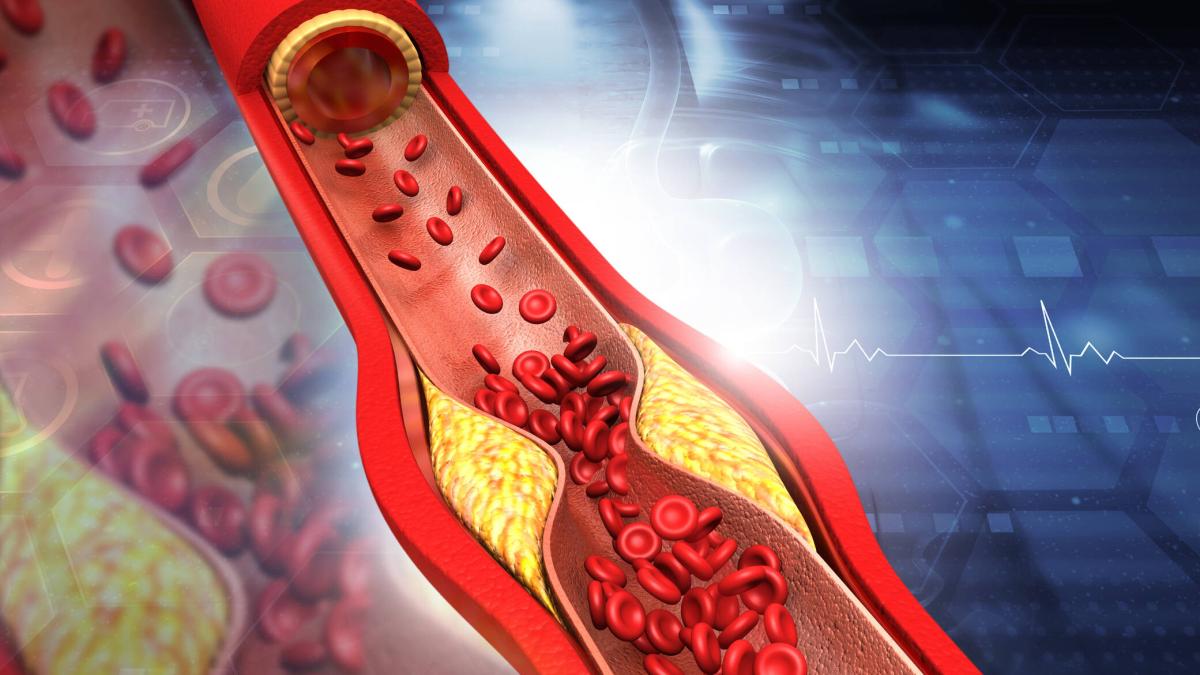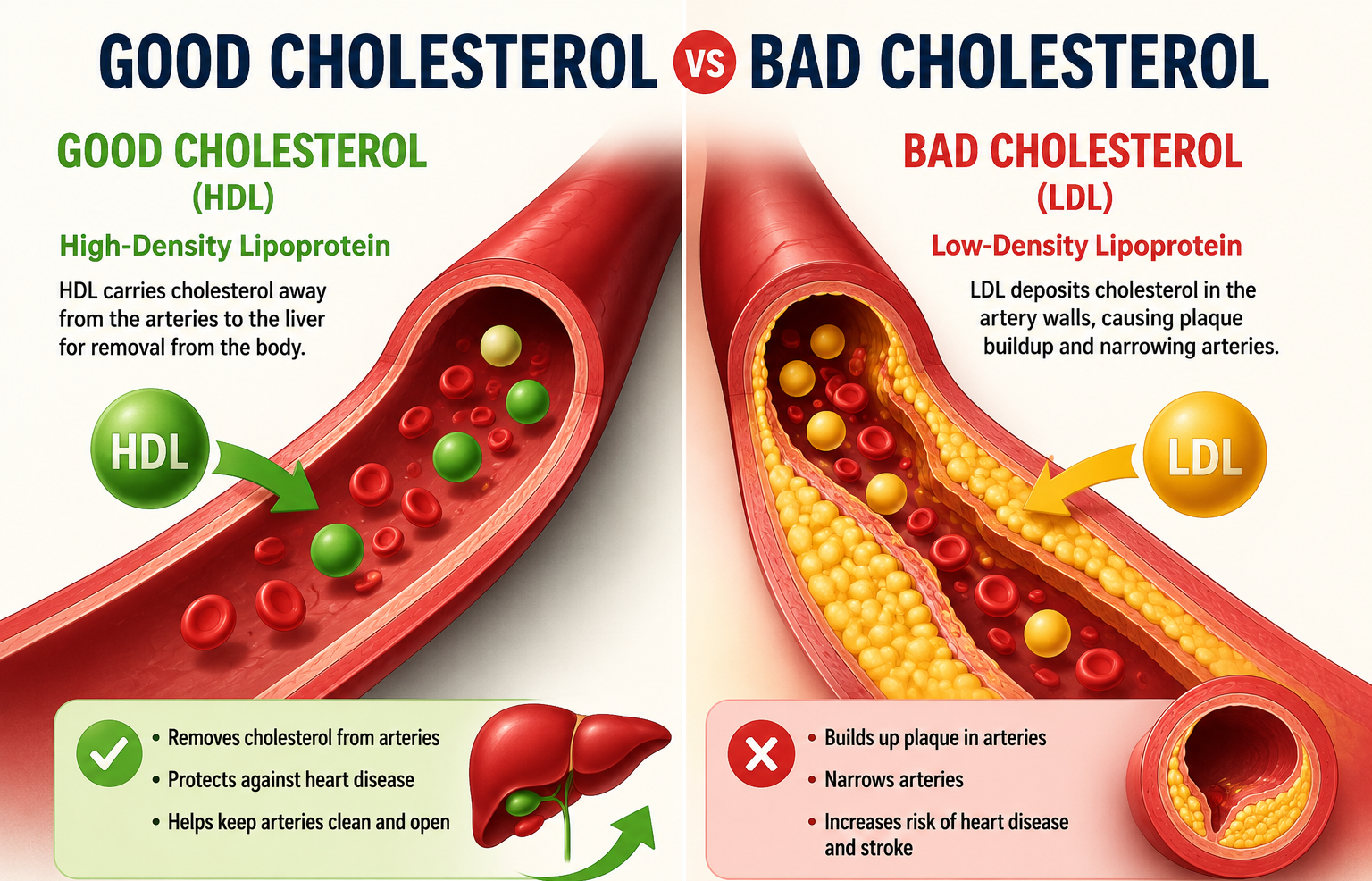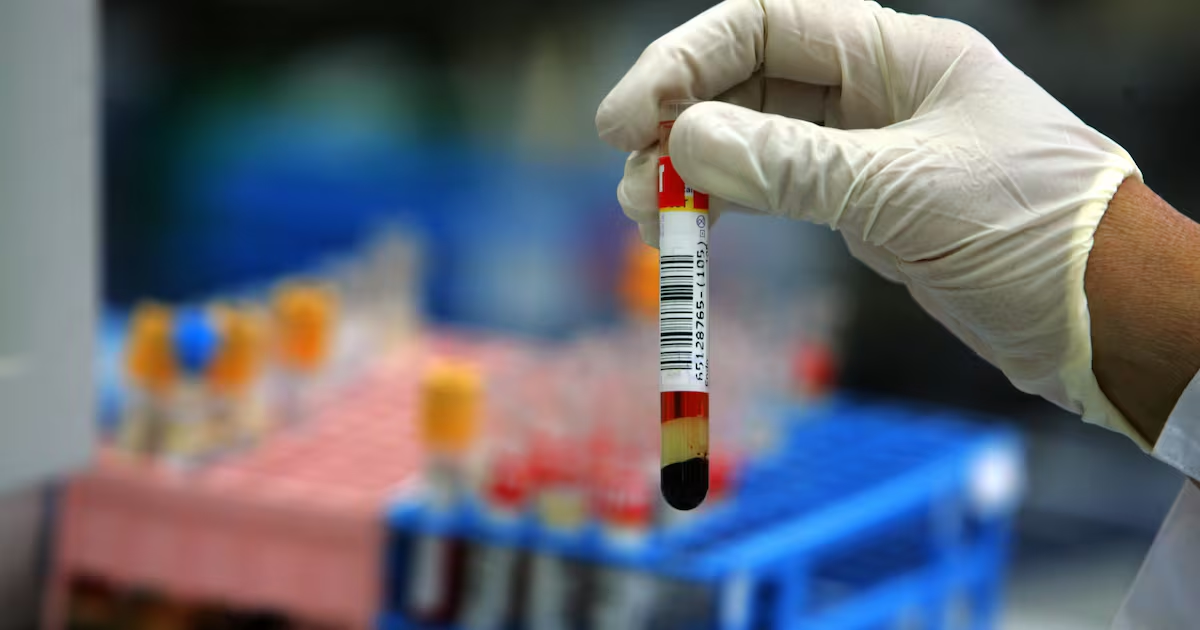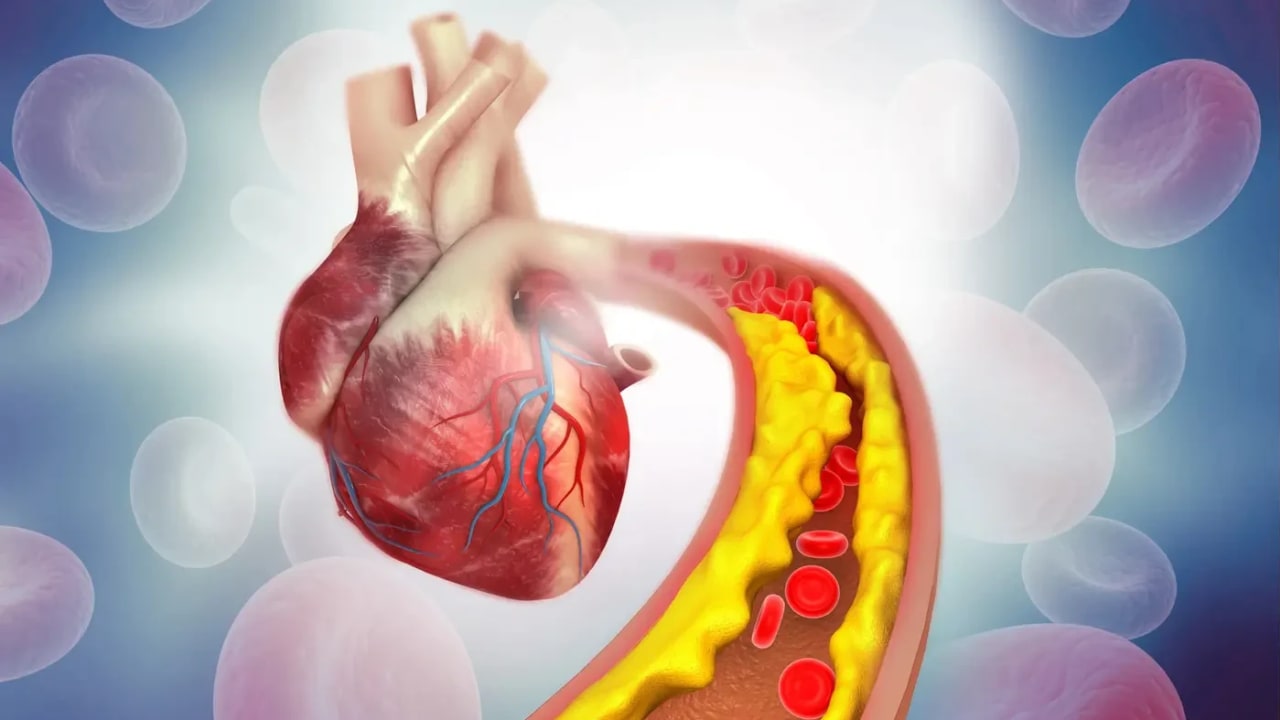
ByWALLA! HEALTHJUNE 30, 2026 14:00High cholesterol is considered one of the key risk factors for cardiovascular disease, but the big problem is that in most cases it does not cause any noticeable symptom. Many people live for years with high cholesterol levels without knowing it, until heart disease develops or a stroke occurs.According to experts, in certain cases the body actually does provide clues. One of them may appear in the Achilles tendon area, at the back of the ankle.The bumps that may indicate high cholesterolWhen cholesterol levels in the blood are high over time, cholesterol deposits may form in the tendons, a phenomenon known as "tendon xanthomas".These deposits usually look like bumps or small lumps that grow gradually under the skin. The Achilles tendon is one of the most common areas where they can be found.Researchers who published a study in the journal Lipids in Health and Disease noted that thickening of the Achilles tendon is one of the early characteristics of tendon xanthomas, and that it may serve as a warning sign for high cholesterol.What did the study find?The study involved 205 participants aged 18 to 75, who were divided into three groups: Those with normal cholesterol levels, those with borderline LDL levels and those with high cholesterol.The researchers measured the thickness of the Achilles tendon using digital imaging and compared the groups.The results showed that the higher the cholesterol levels were, the greater the thickness of the Achilles tendon was. Among those suffering from hypercholesterolemia, a hereditary condition characterized by particularly high levels of cholesterol, the most significant thickening was found.According to the researchers, Achilles tendon thickness may serve as an important auxiliary measure in diagnosing high cholesterol and in assessing the risk of cardiovascular disease.Why is it dangerous?An excess of LDL cholesterol, sometimes called "the bad cholesterol", may accumulate in the arterial walls and create fatty plaques. This process, known as atherosclerosis, can cause blockages in blood vessels and increase the risk of a heart attack and stroke.The problem is that the process usually occurs quietly and without early signs.How is high cholesterol diagnosed?Despite the possible signs in the Achilles tendon, the only way to diagnose high cholesterol definitively is through a blood test.Experts especially recommend being tested if you are:Aged 40 and overOverweightSuffering from high blood pressure or diabetesPossessing a family history of high cholesterol or heart diseaseHow do you lower cholesterol?Following diagnosis, the first step is usually a lifestyle change. Heart experts recommend increasing consumption of:Vegetables and fruitsLegumes such as lentils, beans and peasNuts and seedsWhole grainsIn addition, it is recommended to maintain regular physical activity, keep a healthy weight and stop smoking.Follow us on Google
A surprising sign of high cholesterol may appear in the legs | The Jerusalem Post
In most cases high cholesterol does not cause symptoms at all, but experts warn that in some people an unusual physical sign may appear in the Achilles tendon area.
442 words~2 min read