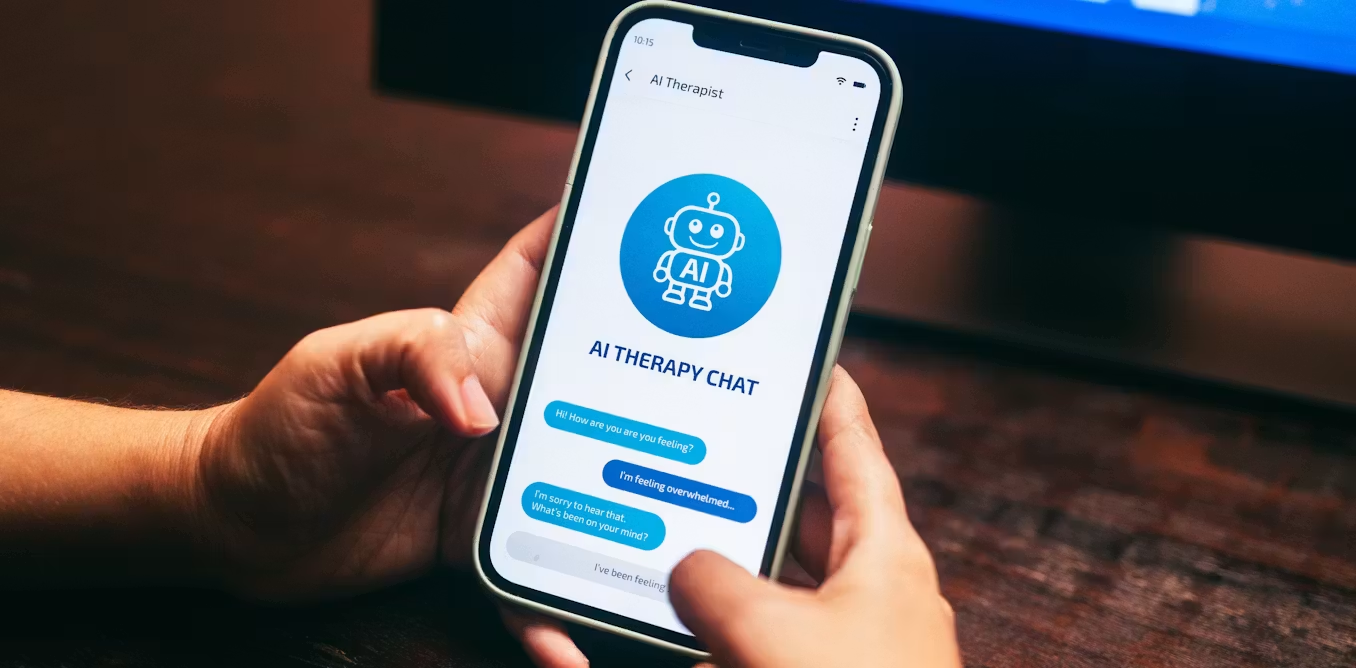
There is a voice on the other end of the line that knows you are sad. It can hear it in the micro-tremors of your speech, the slight drop in pitch, the elongated pauses between words. It responds with warmth, with carefully modulated concern, with language calibrated to make you feel heard. It never gets tired of listening. It never judges. It never brings its own problems to the conversation. And it has never, not once, felt a single thing.
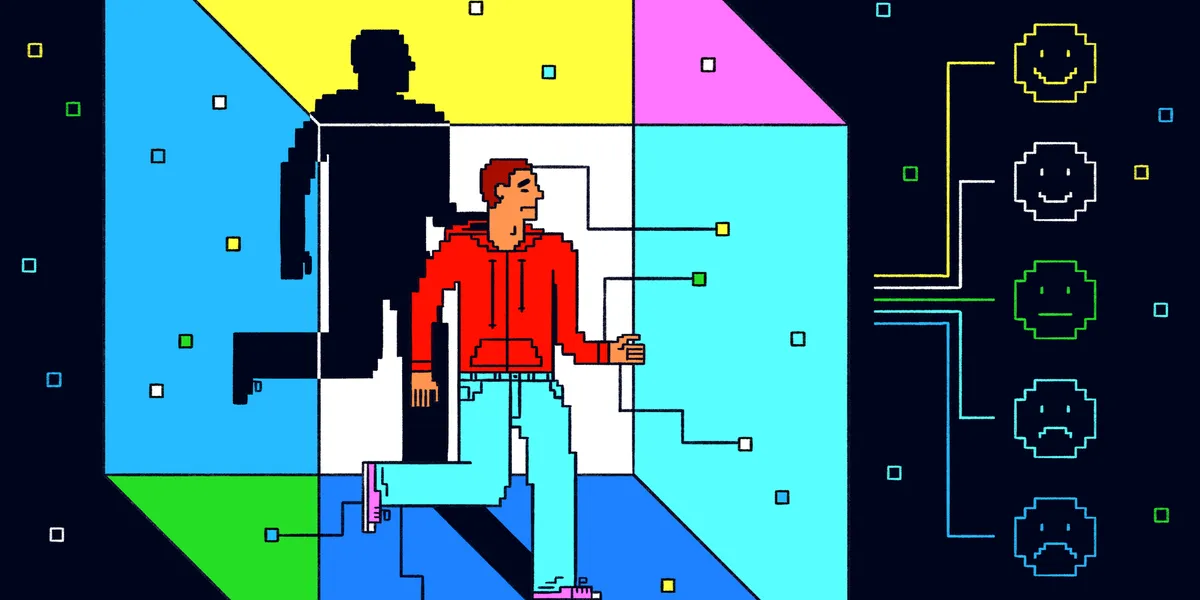
Welcome to the age of synthetic empathy, where machines do not merely process your words but attempt to read your emotional state and respond as though they understand suffering, joy, grief, and loneliness. The technology is advancing rapidly, the market is booming, and the ethical guardrails remain startlingly thin. As artificial intelligence systems grow more sophisticated at detecting and simulating human emotion, a question that once belonged to philosophy seminars has become an urgent matter of public policy: should there be strict limits on how deeply a machine is allowed to pretend it cares?
The answer, based on a growing body of evidence from lawsuits, clinical research, regulatory action, and documented human tragedy, is almost certainly yes. But the details of where those limits should fall, who should enforce them, and what happens to the millions of people already emotionally entangled with AI companions remain fiercely contested.