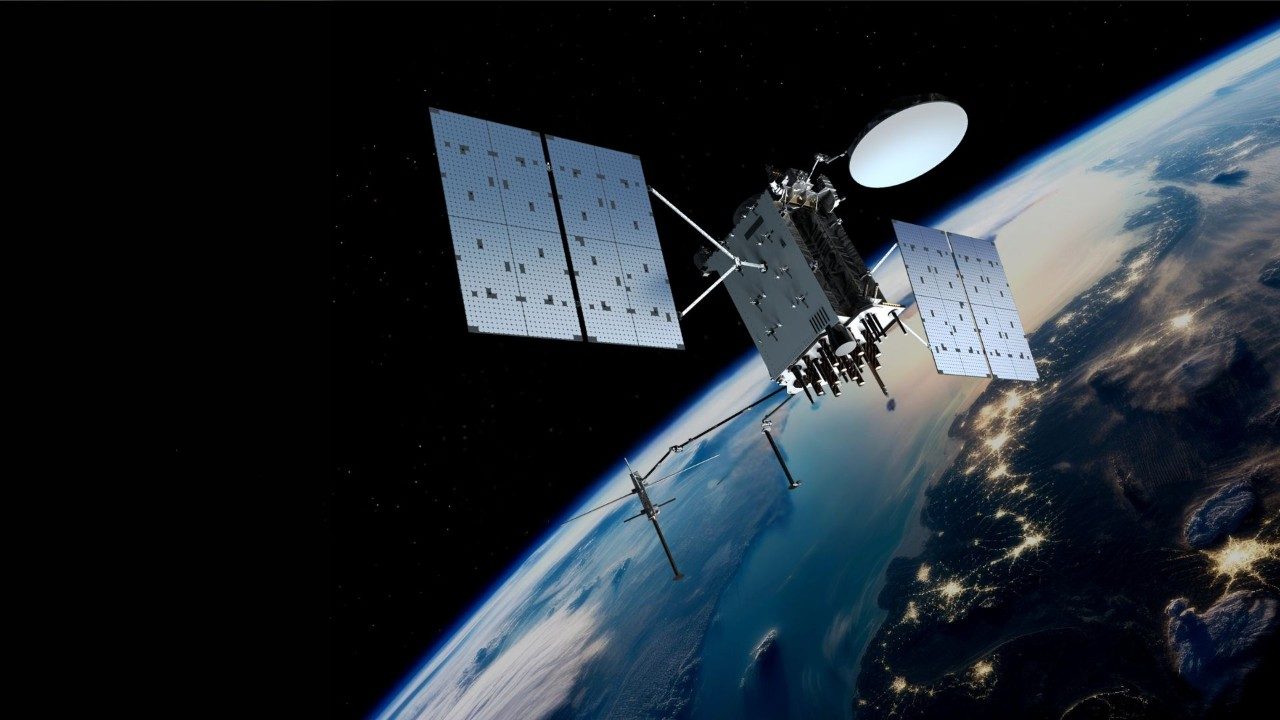
GPS has become a foundational technology for modern navigation. Commercial aircraft use it, ships rely on it at sea, drivers depend on it for direction, and military forces use it across nearly every domain. Autonomous systems have only increased that dependence, using GPS not just to determine position but to navigate, coordinate, and complete missions. The challenge is that GPS is not invulnerable. Electronic warfare systems can jam GPS signals, preventing receivers from obtaining a usable position. More sophisticated systems can spoof GPS, transmitting false signals that cause a receiver to calculate an incorrect location. In other environments, GPS may simply be unavailable because signals cannot penetrate underground mines, dense foliage, tunnels, or water. As military planners increasingly assume future conflicts will involve contested electromagnetic environments, interest is growing in technologies that can continue navigating when GPS becomes unavailable or unreliable. Among the companies working on that challenge is Silicon Valley-based ANELLO Photonics. In a recent interview with Military.com, CEO and co-founder Dr. Mario Paniccia argued that GPS-denied navigation is rapidly becoming a requirement for modern systems rather than a specialized capability. “I think anything going forward that’s autonomous must have the ability to operate not only in GPS-denied, but in GPS-spoofed environments,” Paniccia said. “I think there’s nothing we should be selling or making that—as an autonomous system—cannot operate in a GPS-denied environment.”
What Happens When GPS Can No Longer Be Trusted? Military Defense Tech in 2026
ANELLO Photonics CEO Mario Paniccia told Military.com why GPS-denied navigation is becoming essential for autonomous military systems.
1,599 words~7 min read