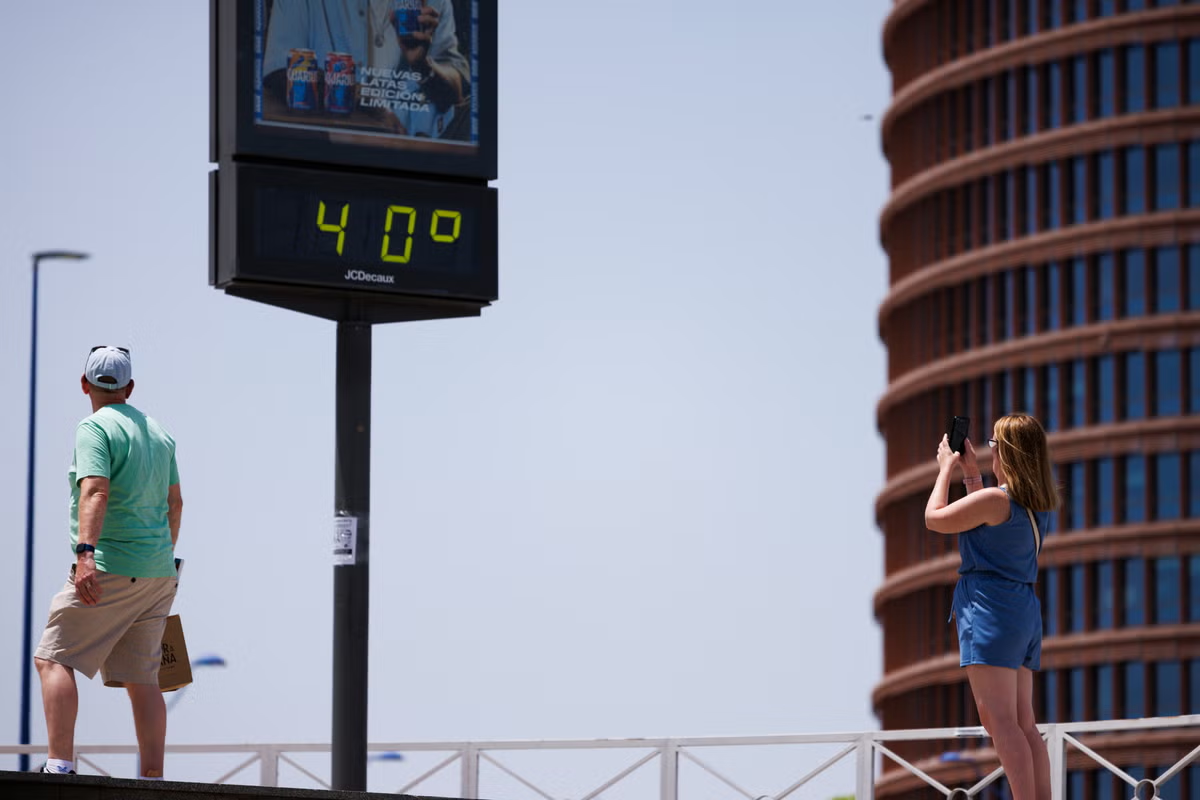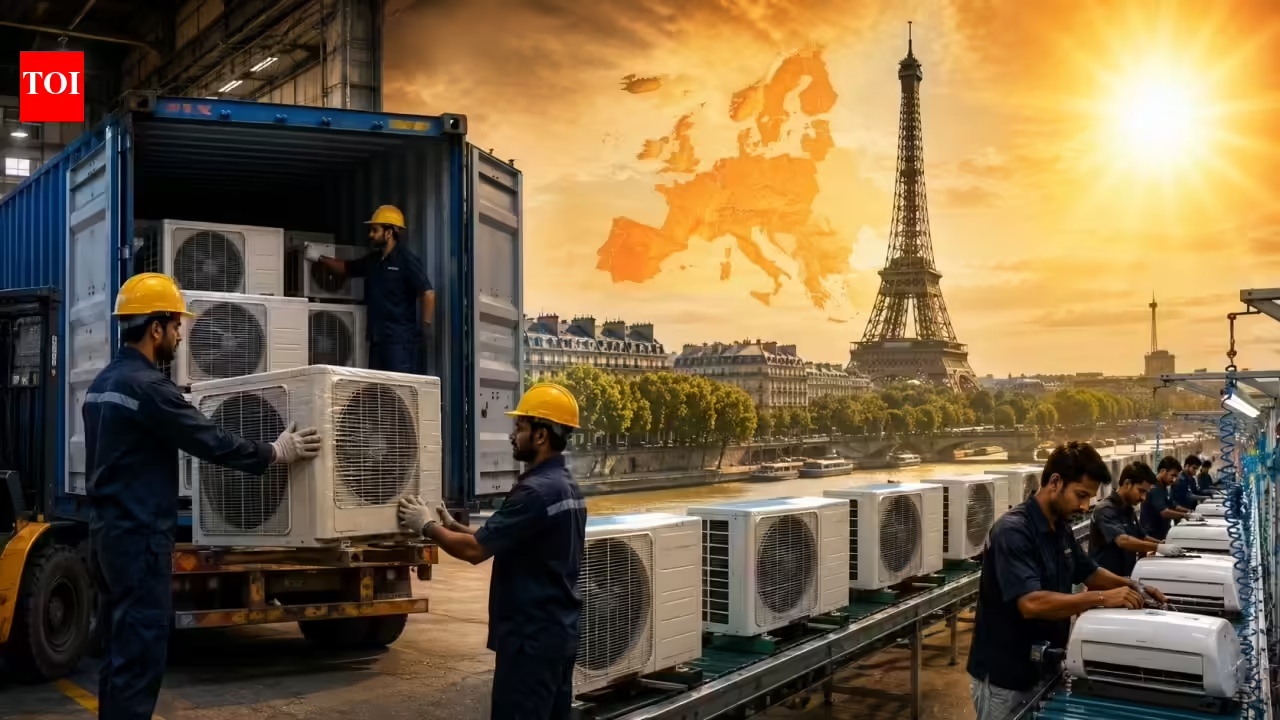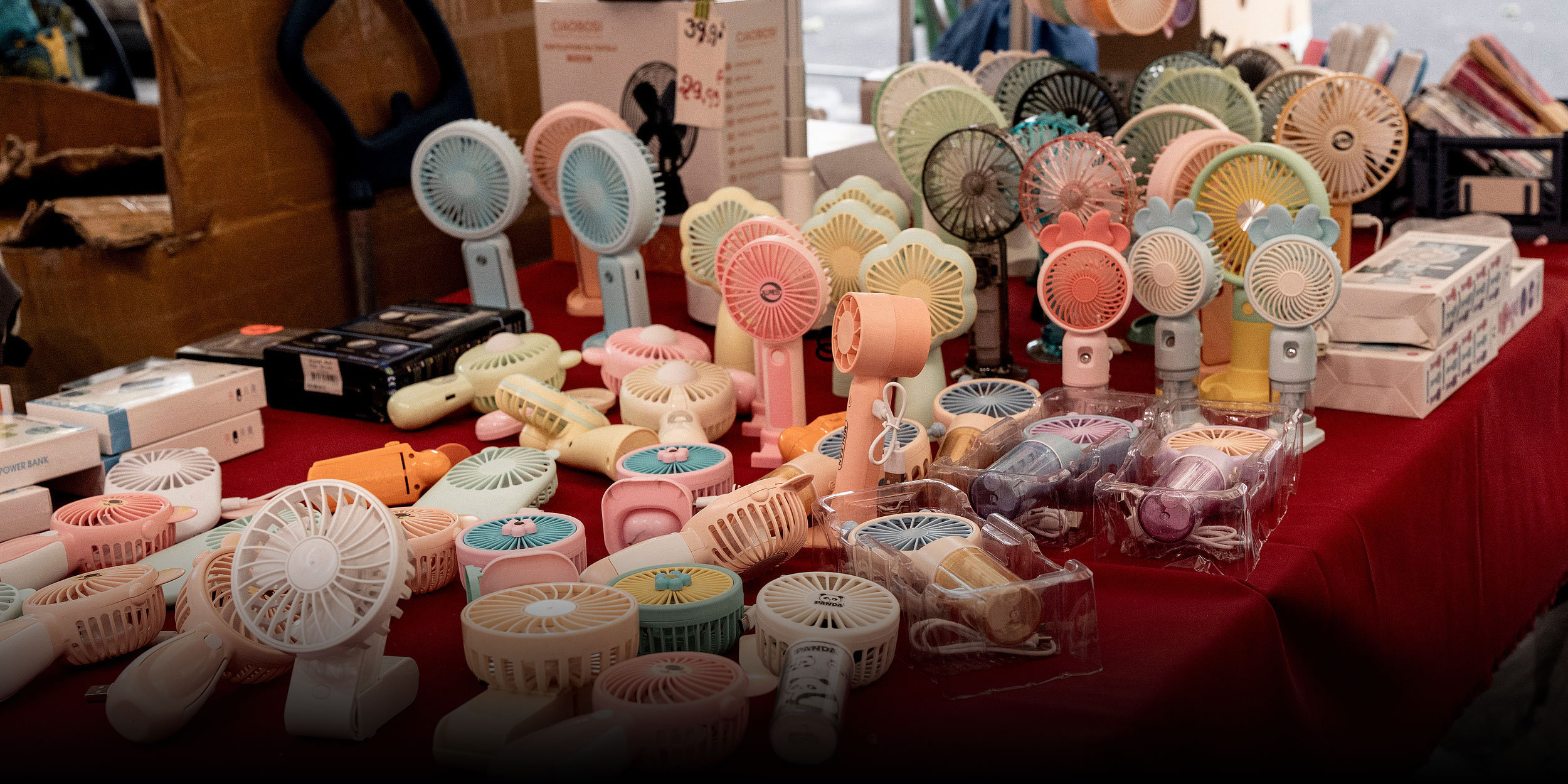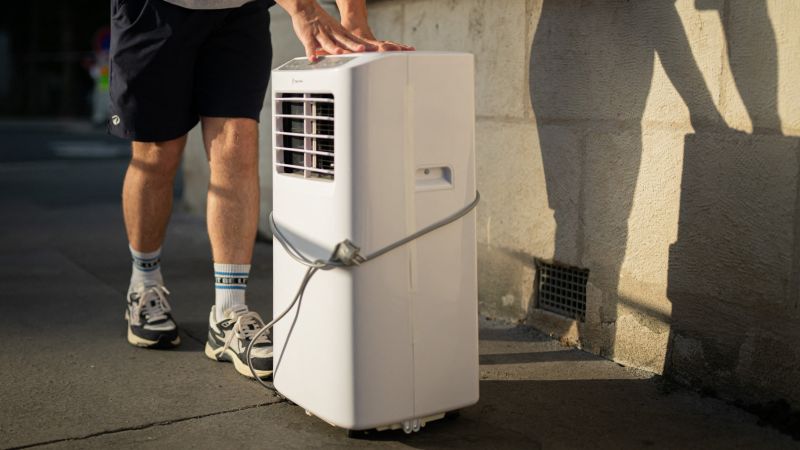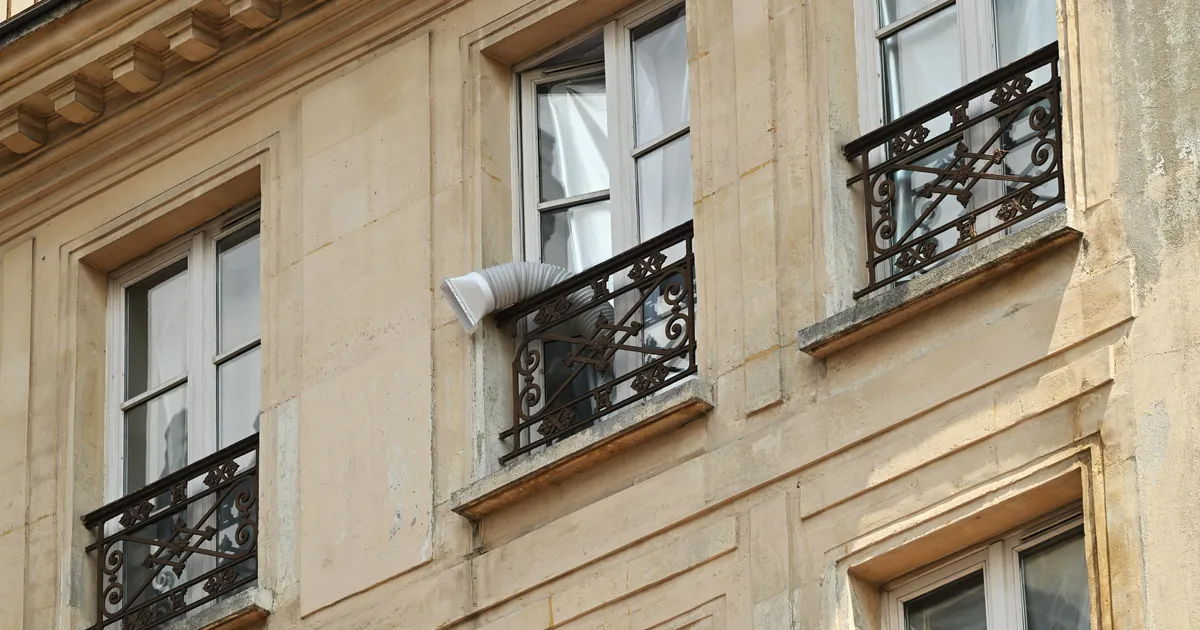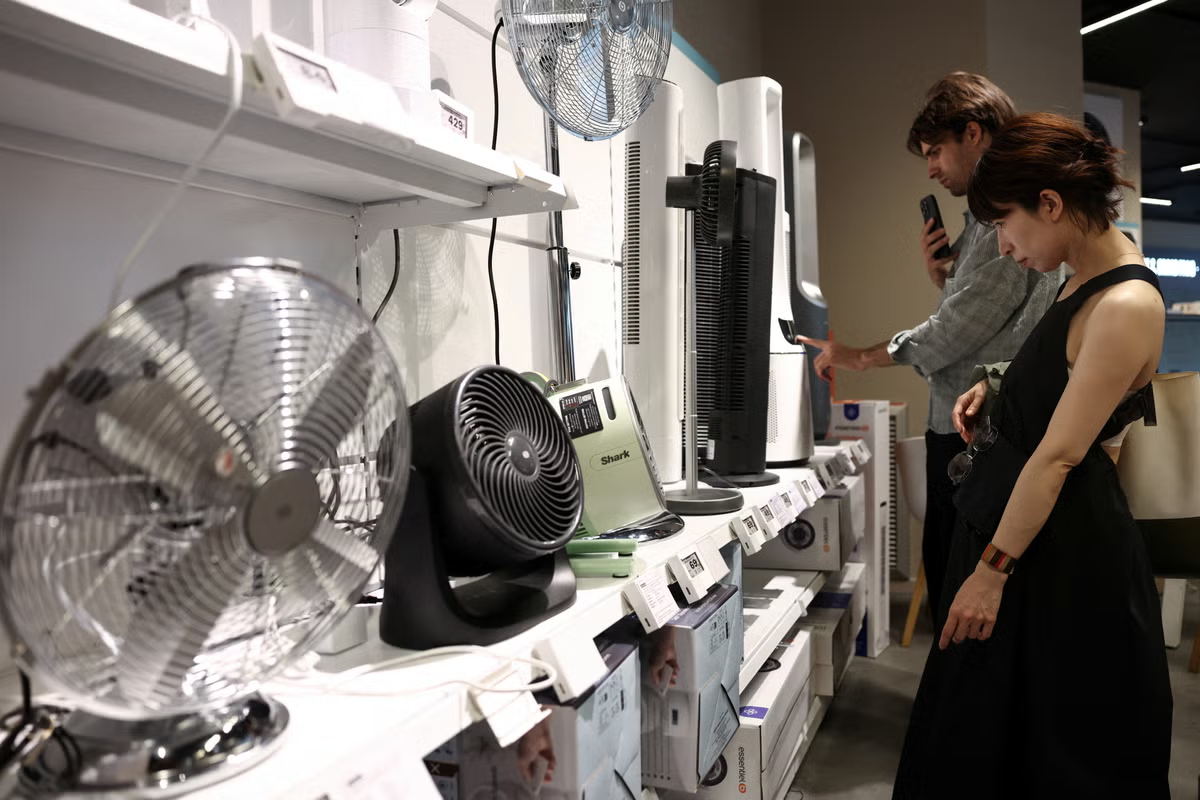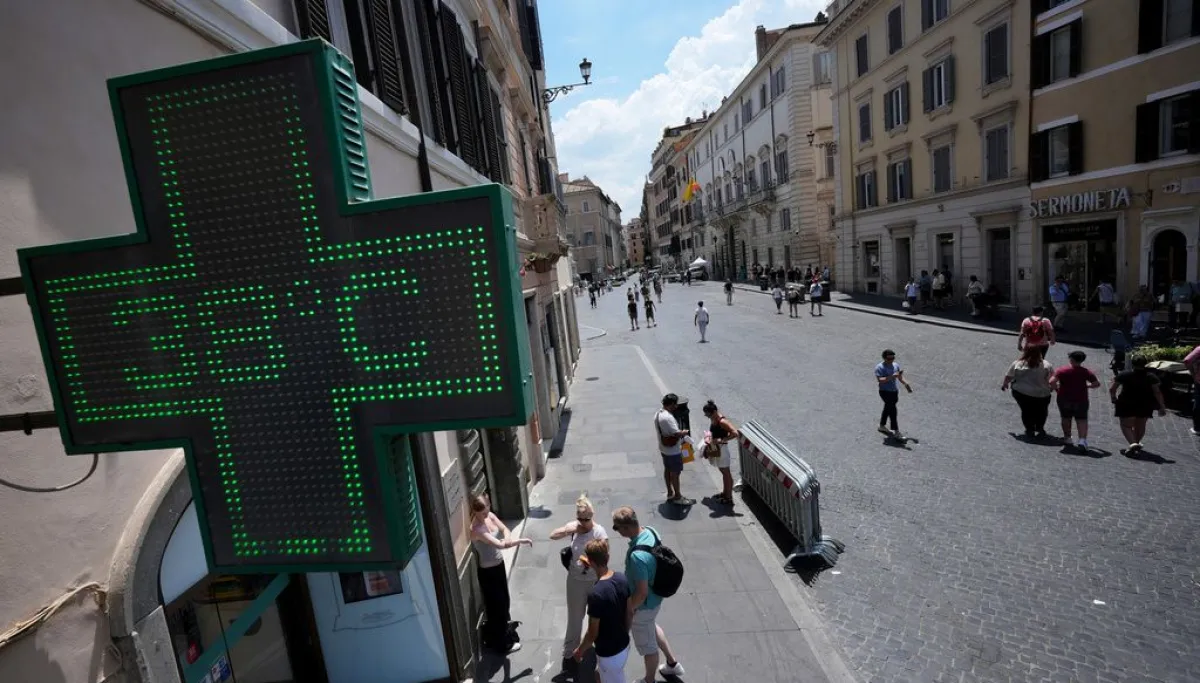
Asian manufacturers are reaping the benefits of Europe‘s deadly heat wave, which has reignited debates over installing air conditioning. In the past week, Europe has been enduring a historic and deadly heat wave with temperatures hitting 104 F in some parts of the region. The rise in temperatures is reshaping consumer behavior as Europeans seek relief from the heat, boosting sales for Asian air conditioning manufacturers.For instance, South Korea’s Samsung Electronics and China’s Midea have seen an increase in sales. In the first half of the year, Samsung Electronics said it saw double-digit sales growth in Europe, including in key markets like Italy, Spain, and France.
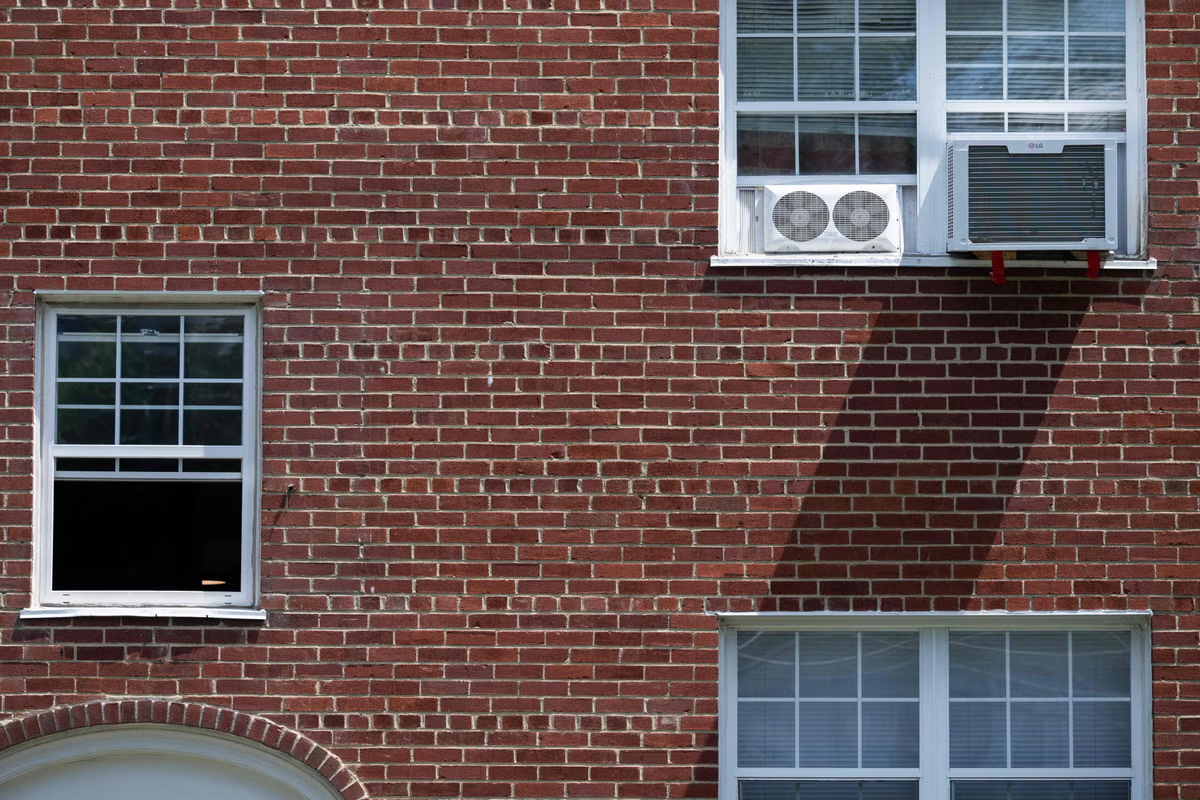
“With temperatures expected to rise further from June onward, we expect sustained demand through the peak cooling season,” a Samsung spokesperson told the Washington Examiner in a statement.In addition, Midea sales through German e-commerce channels rose about 37% in May from a year earlier, and shipments in Spain and France jumped 108% from a year earlier, Reuters reported.The current heat wave has been deadly for some parts of Europe, with France reporting at least 1,000 deaths, a number that is expected to rise.“Europe is the fastest-warming continent on Earth, heating at twice the global average. Right now 150 million people are living under extreme heat, hundreds have died, schools are shut, grids are buckling,” World Health Organization Director-General Tedros Adhanom Ghebreyesus posted on X Sunday.He added, “More than 1,300 excess deaths have been recorded since 21 June linked to high temperatures in Europe.”Air conditioning is far less common in Europe than in the United States. According to the International Energy Agency, only about 20% of European homes have AC, compared with roughly 90% of U.S. homes. There are several factors for the gap, including that Europe has historically experienced milder summers.Vincent Viguie, a researcher at the Paris-based Centre for International Research on Environment and Development, told Euronews: “For a long time — up until now actually — with the climate of the 20th century and before, air conditioning was not really useful in most of the French metropolitan territory because of the climate, which was mild both in winter and in summer.”He added, “This is changing with climate change.”Higher energy prices in Europe also contribute to lower AC adoption. In 2024, Europe’s electricity prices were 2.5 times higher than in the U.S., making household bills more expensive. Another factor is concern over air conditioning’s effect on rising global temperatures. The U.N. Environment Programme has said 10% of all greenhouse gas emissions are expected to be generated by cooling by 2050.Despite the extreme heat, not everyone agrees over the role air conditioning should play in dealing with the increased temperatures.In France, its conservative leader, Marine Le Pen, announced a plan last week to install air conditioning units in areas with more vulnerable populations. Le Pen proposed a similar initiative last year. She is also considered a potential candidate in France’s 2027 presidential election.“It is absurd to have people die because of the heat,” Le Pen said. “If I am elected president, I will put into place a massive air-conditioning plan.”Critics have raised concerns that installing air conditioning is only a temporary solution to the heat and could play a role in increasing temperatures.HUNDREDS DEAD AS EUROPE BREAKS TEMPERATURE RECORDS DURING HEAT WAVEFrance’s left-wing leader, Jean-Luc Melenchon, has pushed back against Le Pen’s proposed plan. “Absolutely not. Installing air conditioning everywhere would only mean increasing the damage,” he said.