Get the latest news and updates from Dawn
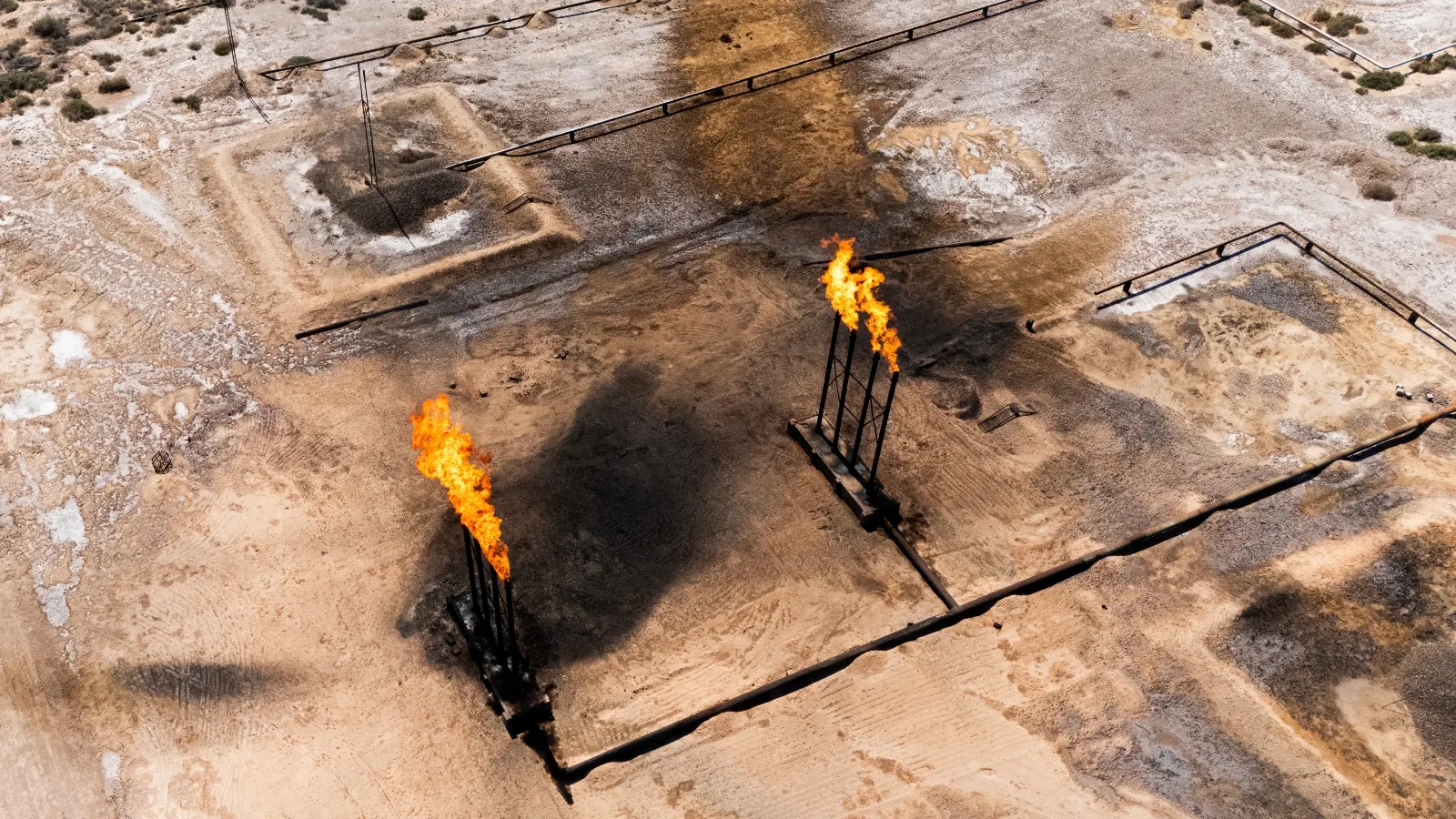
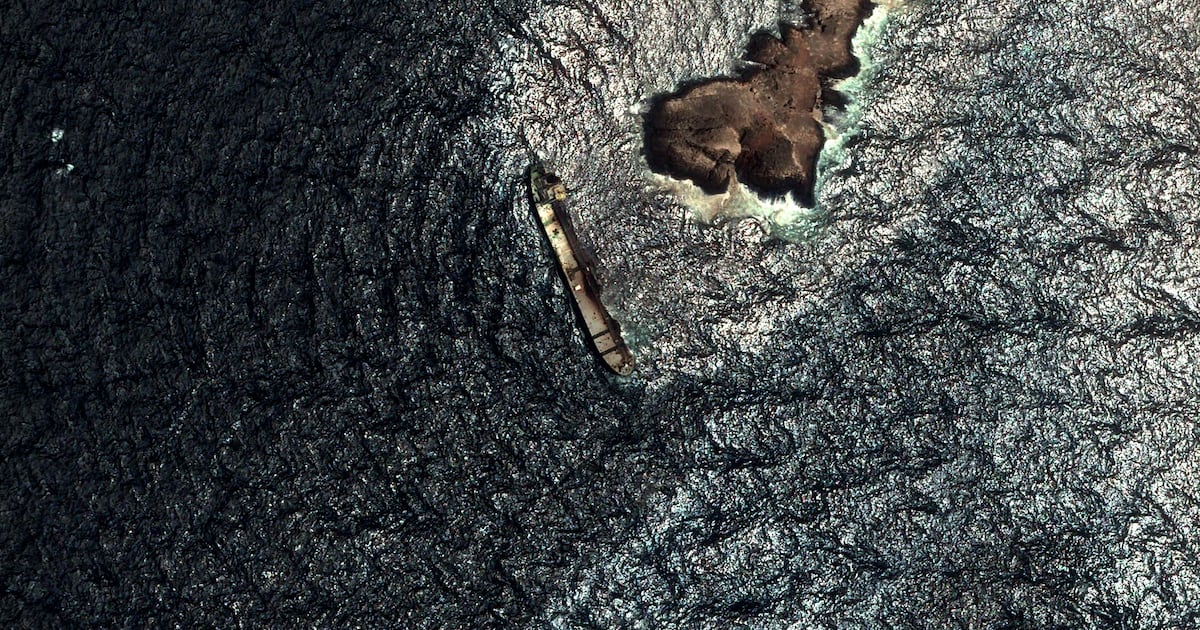
In 1991, as Iraqi forces withdrew from Kuwait, they ignited more than 700 oil wells and turned the landscape into an inferno. For approximately 10 months, flames raged without pause, sending smoke plumes as far as 800 miles and spilling around 11 million barrels of crude oil into the Persian Gulf. At the time, the world largely saw it as a military event.
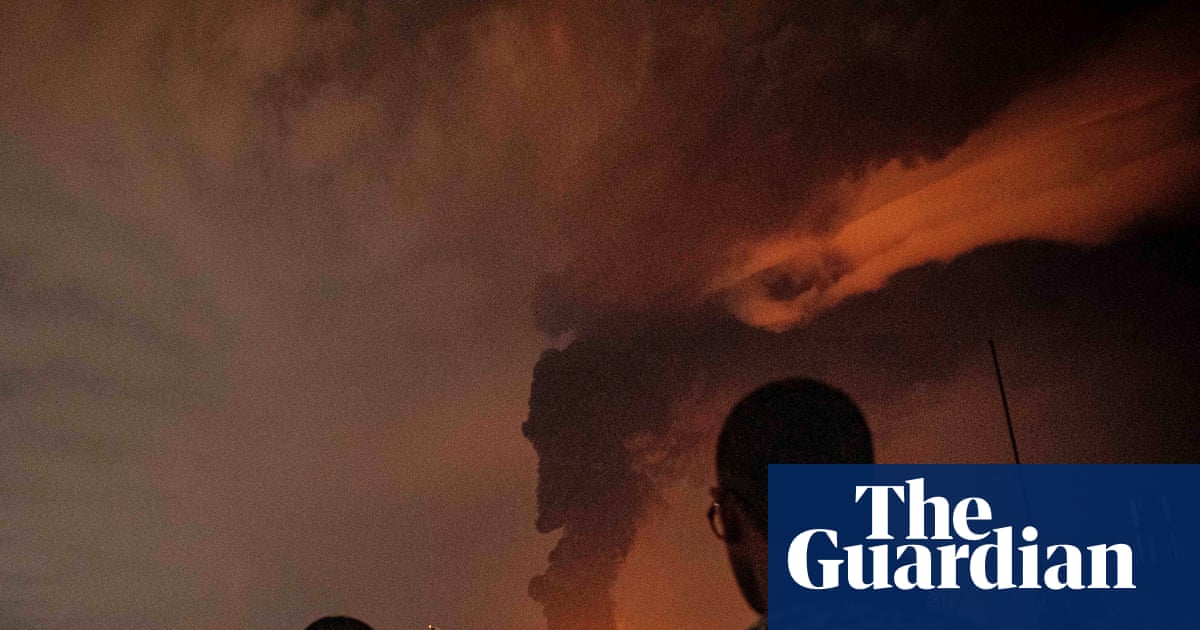
But it was not only a military episode. It was also one of the starkest warnings that war does not merely destroy armies and cities; it can devastate entire ecosystems. The lesson was brutal and unforgettable: war does not end with shattered buildings and body counts. It blackens the sky, poisons the sea, contaminates the land and leaves behind a carbon burden that can outlive the gunfire by decades.
Today, that same dynamic — war as environmental weapon — is playing out on a far larger, faster and more measurable scale.
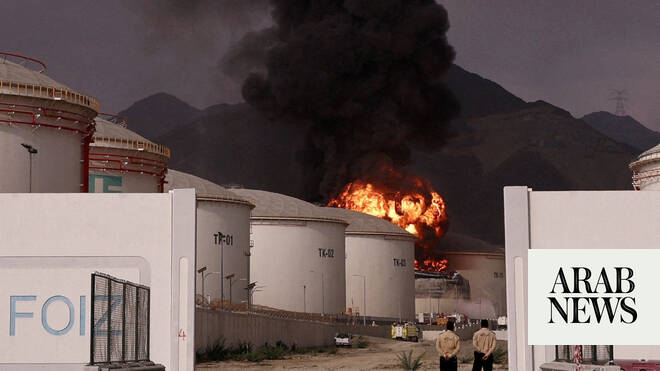
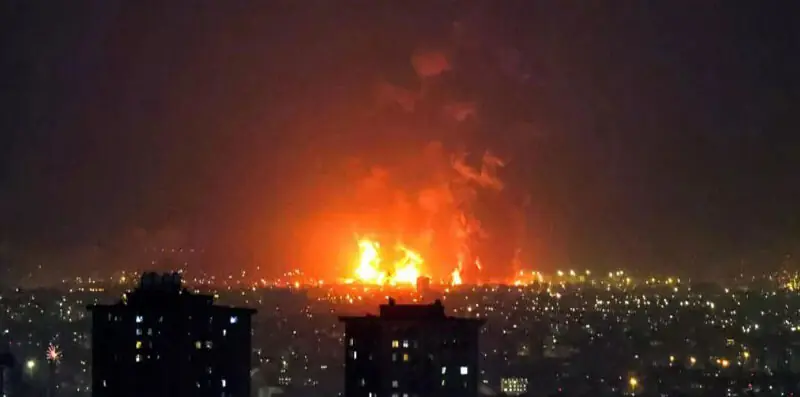
Since early March, the US and Israel have rained tens of thousands of bombs and missiles on Iranian targets, striking oil refineries, military installations, industrial zones, schools, hospitals, civilian infrastructure and nuclear sites. Iran has responded in kind, firing suicide drones and ballistic missiles at Israeli territory and neighbouring Gulf nations, including the UAE, Bahrain, Kuwait, Qatar and Saudi Arabia.