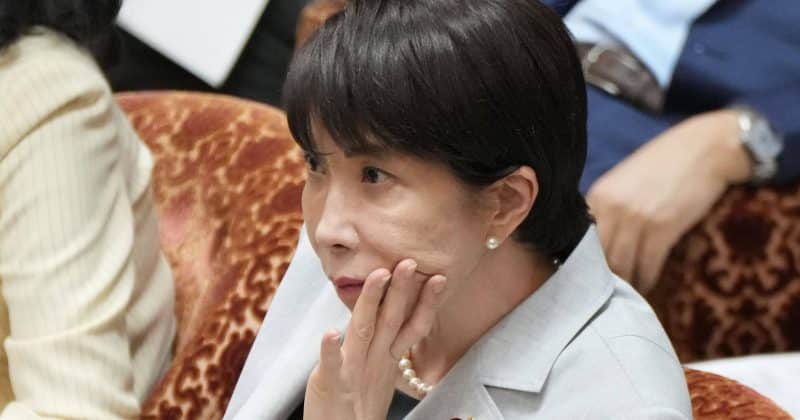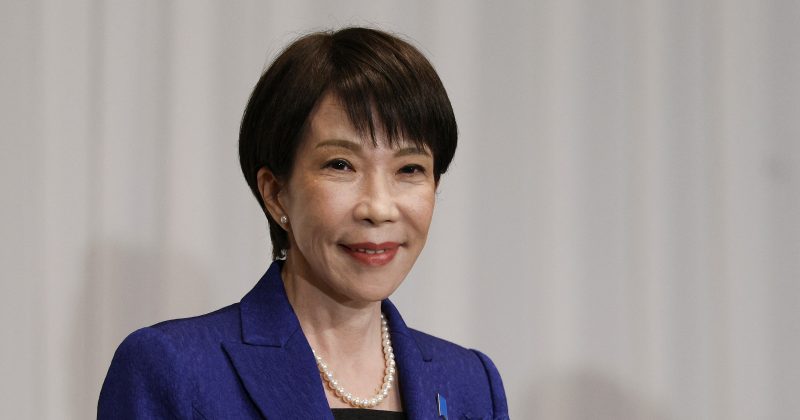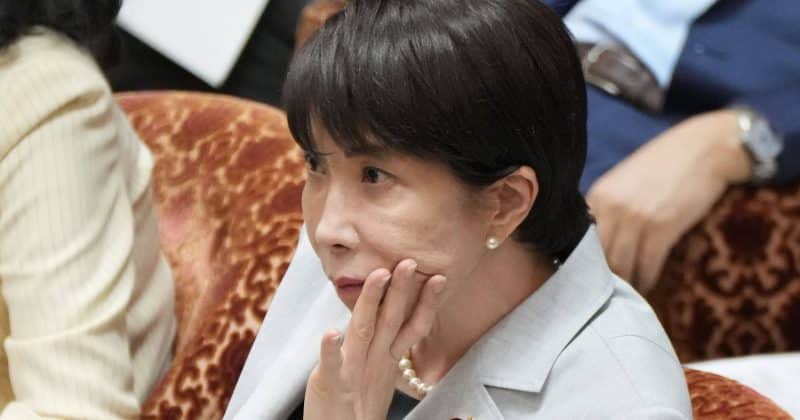
Japanese Prime Minister Sanae Takaichi nominated two new members to the Bank of Japan’s policy board on February 25, 2026, and the market read the message immediately: rates are staying lower for longer.
The two nominees, Toichiro Asada and Ayano Sato, lean decidedly dovish. Asada made that clear in June 2026, casting a dissenting vote against the BOJ’s decision to raise its benchmark rate to 1%, the highest level since 1995. His argument centered on what he saw as meaningful downside risks to production and employment.
What Takaichi is actually signaling
Takaichi came to power in October 2025 on a platform that drew obvious comparisons to Abenomics, the reflation-first doctrine that defined Japanese economic policy under Shinzo Abe for nearly a decade.
Her preference is for inflation driven by wage growth, not cost-push pressures. That’s a meaningful distinction for how aggressively the BOJ might choose to normalize policy.