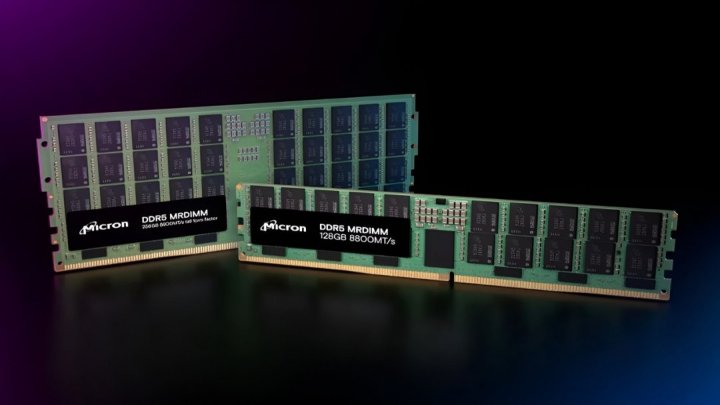
Photo credit: X/@MicronTechMicron has suggested that Apple's purchasing strategy during the memory industry's previous downturn contributed to the conditions that led to today's global memory shortage. The comments came from Micron Chief Business Officer Sumit Sadana, who said the company struggled to invest in expanding production after some major customers pushed aggressively for lower memory prices during a period of weak demand.According to Micron, that whole pricing squeeze kind of shaved down industry margins and in the end, discouraged investments into extra manufacturing capacity during 2023. The remarks came right after Apple decided to push up prices across a lot of its hardware catalog, and they did it while pointing at rising memory and storage costs. Even if Micron did not directlt say Apple caused the entire shortage, it did suggest that the more aggressive buying behavior by big customers mattered, and in practice it helped produce the supply constraints that are now spilling over into the wider technology sector.Key TakeawaysMicron said aggressive pricing demands from major customers reduced industry profitability during the previous market downturn.The company claims weak margins discouraged investments in expanding memory production capacity in 2023.Apple is one of Micron's memory customers and is known for negotiating favorable long-term supply agreements.Apple's recent hardware price increases came after the company cited rising memory and storage costs.Micron said its comments explain one factor behind the current supply shortage rather than assigning sole responsibility to one company.How Apple’s pricing approach is tangled up with the memory shortageMicron says this whole memory shortage thing didn’t just pop up out of nowhere, it can be traced back to the industry slump in 2023, when some big customers asked suppliers for lower chip prices, even while the market was getting weaker. Sumit Sadana, Micron’s Chief Business Officer, added that when profit margins got thinner, memory makers found it harder to justify, you know , funding for new production capacity and all that.So, multiple expansion plans were pushed back or quietly reduced. Later on, when memory demand did bounce back, especially for AI-related uses, production couldn’t really catch up, not fast enough. Micron also points to “aggressive procurement pricing” as one of the pressures that helped feed into today’s supply constraints.How the memory shortage built up, bit by bitMicron’s view is that this shortage developed gradually. The company said it started during the earlier downturn, when weak pricing squeezed margins hard for memory manufacturers. With returns shrinking, companies lowered or postponed investments in manufacturing expansion.Then demand rose again, notably for the more advanced memory that goes into AI servers, yet capacity stayed limited. Apple, for its part, has said that competition for memory components has pushed procurement costs higher across the whole industry. Put those two forces together and you get the imbalance that is now hitting device makers, which is also one reason component costs keep climbing.Can higher device prices actually fix this for tech companies?Apple recently raised prices across several hardware lineups, after saying memory and storage costs had become unsustainable. Still, Micron’s comments imply that raising retail prices doesn’t directly solve the deeper problem. Micron essentially argued the shortage comes from too little manufacturing capacity, built up over several years because investment slowed during the earlier downturn.Higher product prices might help companies deal with rising component expenses, but it doesn’t instantly expand global memory output. In other words Apple is reacting to procurement costs, while Micron is talking about longer-term investment strain that memory suppliers are facing.What could help the memory supply get better?If you follow Micron’s logic, the answer is more steady investment in manufacturing capacity, not quick pricing decisions. Sadana said the sector needs healthy margins so suppliers can keep expanding production when demand is low, instead of pausing plans. His point also leans toward keeping commercial relationships between suppliers and customers more balanced , so shortages like this have fewer chances to repeat.Apple has also acknowledged that the current situation is making memory costs higher, so supply constraints are still a real issue. Neither company is really suggesting a fast fix, because production expansion takes serious money, and time.FAQs1. Why did Micron bring up Apple when discussing the memory shortage? Micron said that aggressive pricing requests from some large customers, including Apple per reports, pressured overall industry profitability and made manufacturers less willing to invest in new production capacity.2. Did Micron say Apple alone caused the shortage? No. Micron suggested Apple’s purchasing behavior helped shape the conditions behind the shortage, but it did not say Apple was the only cause.3. Why did Apple increase prices on certain products? Apple said the rise in memory and storage costs made price increases necessary for several hardware categories.4. What does Micron say caused the supply imbalance? Micron said low profitability during the previous downturn led to insufficient investment in expanding memory production capacity.5. What solution did Micron suggest? Micron indicated that continued investment in manufacturing capacity, backed by sustainable industry margins, matters for avoiding future shortages.end of article
Why Micron says Apple’s aggressive pricing fueled the 2026 global memory crisis
Micron suggests Apple's aggressive pricing demands during a past industry slump squeezed memory maker profits, discouraging crucial investments in production expansion. This lack of capacity, coupled with a recent surge in demand, has contributed to the current global memory shortage. Apple's recent hardware price hikes are a reaction to these rising component costs, but Micron emphasizes that sustained investment, not just price adjustments, is key to preventing future shortages.
827 words~4 min read