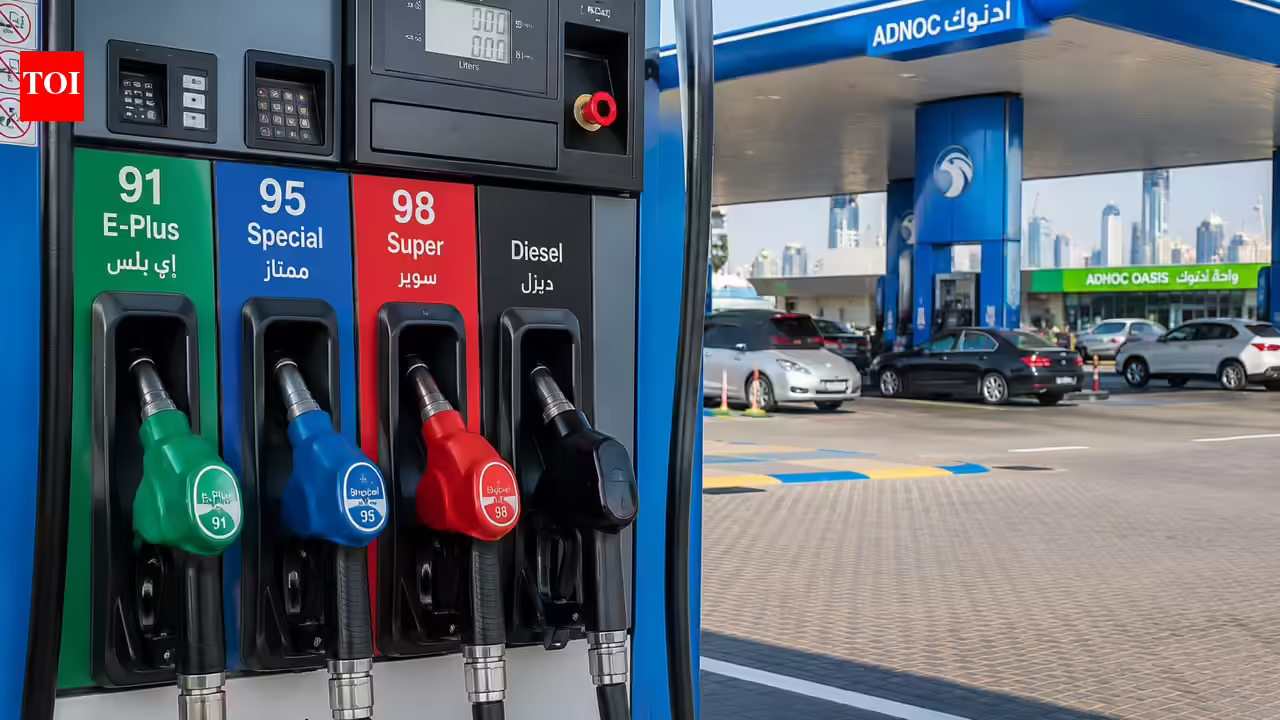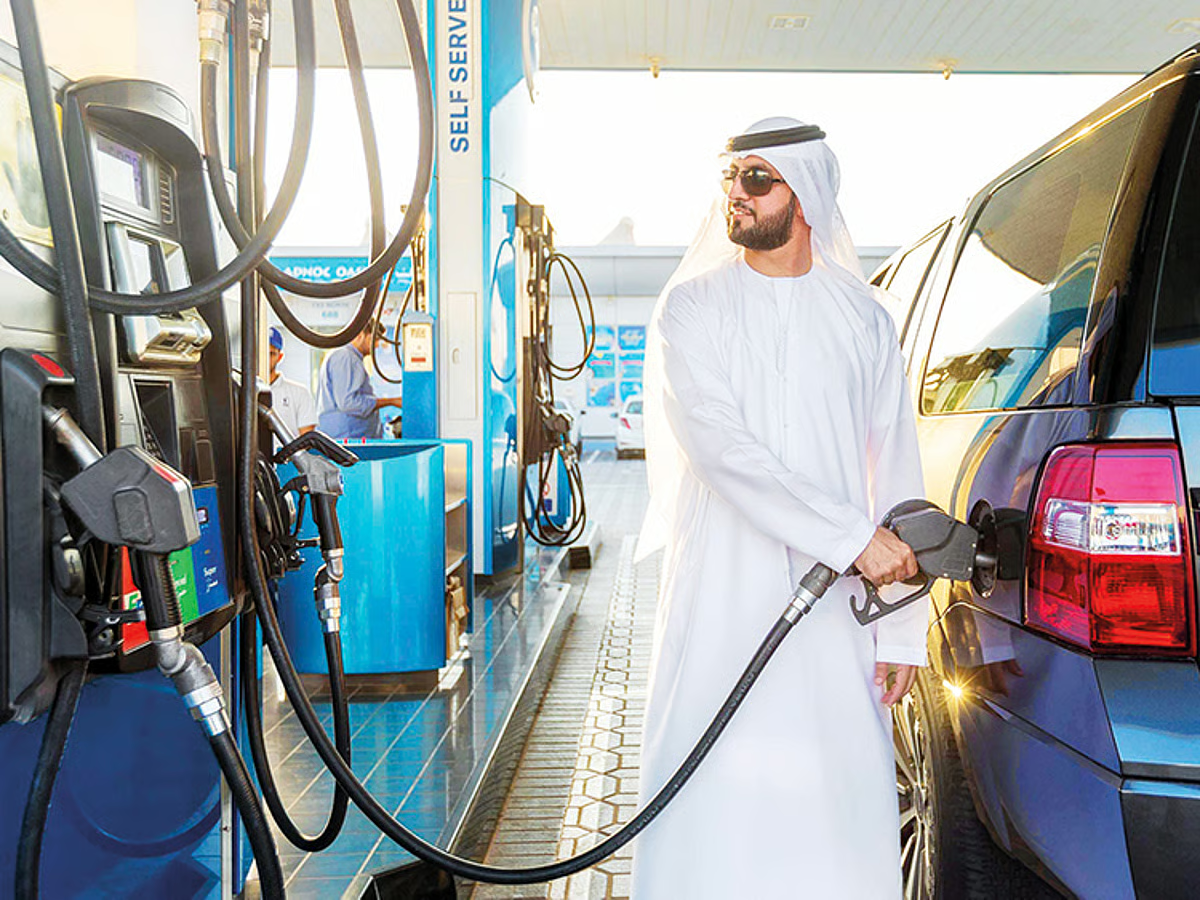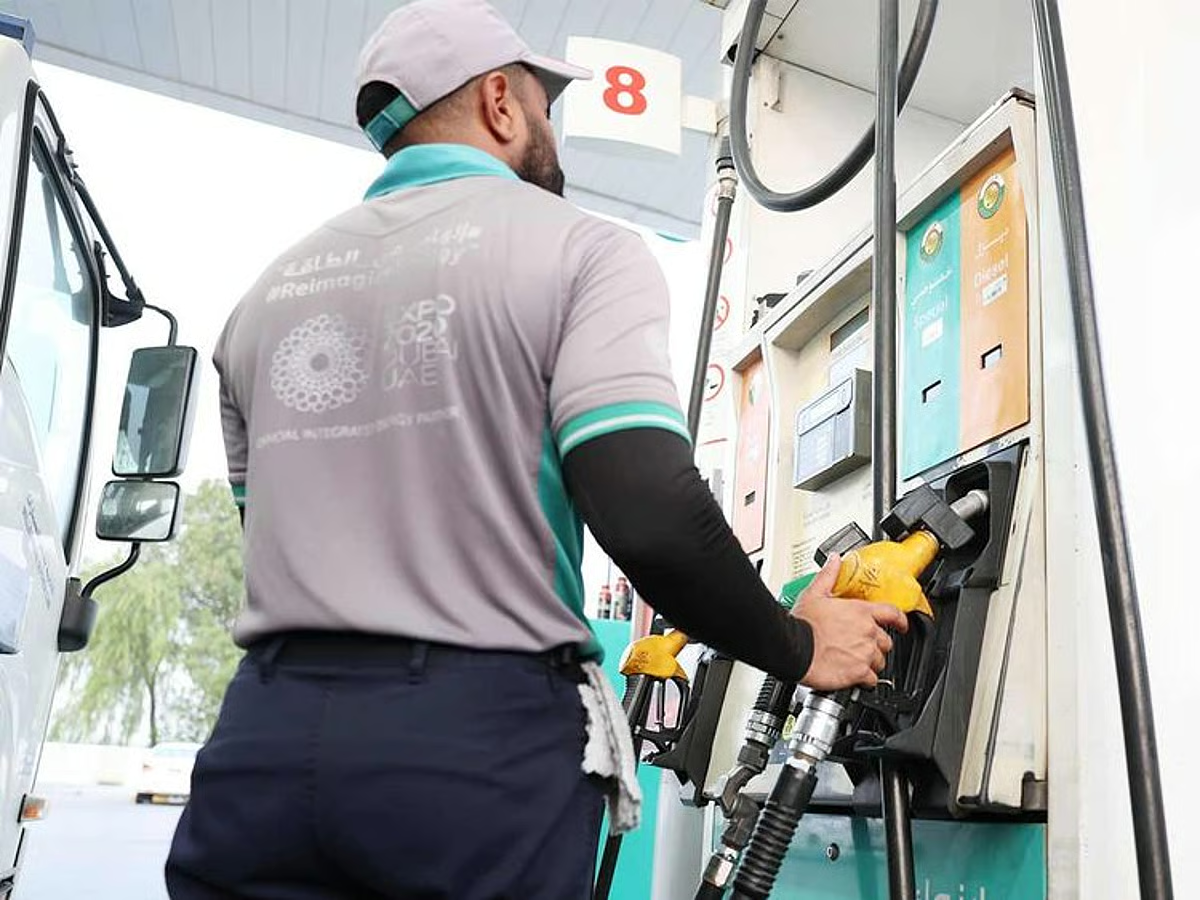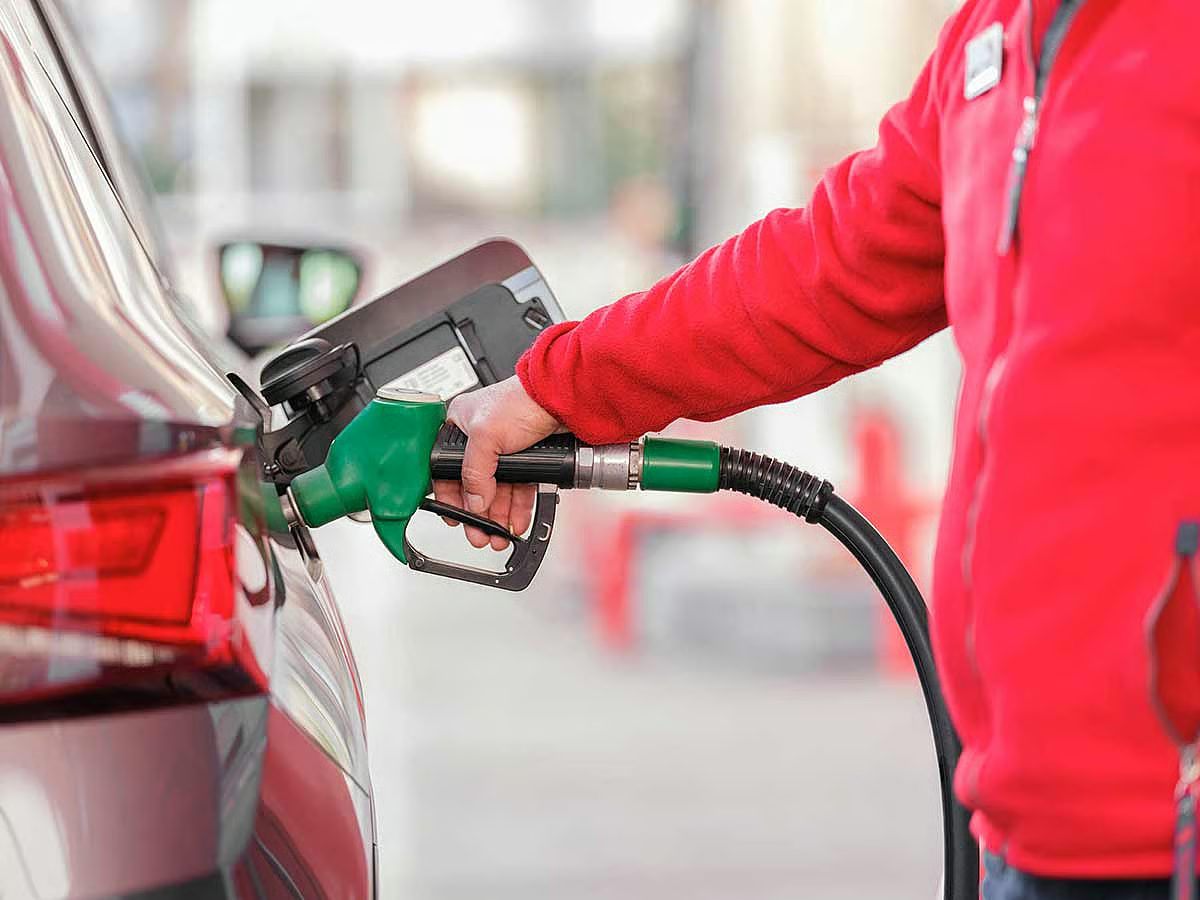
Dubai: UAE motorists will pay significantly less to fill up from July 1 after authorities announced the first reduction in fuel prices since the Middle East conflict sent global oil markets soaring four months ago.New July fuel pricesFrom July 1, motorists will pay:Super 98: Dh3.40 per litre, down from Dh3.95 in June (-55 fils, or 13.9%)Special 95: Dh3.29, down from Dh3.83 (down 54 fils, or 14.1%)E-Plus 91: Dh3.21, down from Dh3.76 (down 55 fils, or 14.6%)Diesel: Dh3.60, down from Dh4.33 (down 73 fils, or 16.9%)The reductions are among the biggest month-on-month cuts since the UAE adopted market-linked fuel pricing in 2015.How much will you save?The latest reduction will immediately lower fuel bills for commuters and families travelling during the summer.For a typical 60-litre sedan using Super 98:June: about Dh237July: about Dh204Saving: around Dh33 per tankFor an 80-litre SUV or 4x4:June: about Dh316July: about Dh272Saving: around Dh44 every time drivers fill up.Diesel users will see even larger savings following the 73-fils-per-litre reduction. Before the conflict began, Super 98 cost Dh2.45 in February, while Special 95 was Dh2.34 and E-Plus was Dh2.26.While motorists are still paying more than they were four months ago, the July reduction reverses part of the steep increases recorded between March and June.Why prices have fallenThe July revision follows a dramatic turnaround in global oil markets. Brent crude averaged around $106 a barrel in May, when conflict in the Gulf and disruptions to shipping through the Strait of Hormuz pushed oil prices briefly above $110-$120.Through June, however, crude prices fell sharply as commercial traffic gradually resumed and diplomatic efforts reduced fears of a prolonged supply shock. Brent recently traded close to $73 a barrel, broadly returning to levels seen before the conflict erupted.Because UAE fuel prices are calculated using the previous month's average global oil prices, June's lower crude prices fed directly into July's pump prices.Relief, but risks remainWhile the outlook has improved, energy markets remain sensitive to developments in the Gulf. Fresh missile and drone attacks involving Iran over the weekend briefly pushed oil prices 1 per cent higher on Monday, before dropping as much a day later.CNN and MarineTraffic data show traffic through the Strait of Hormuz doubled over a 24-hour period last week to its highest level since late February, but commercial shipping still remains below normal levels as higher insurance and freight costs continue to push up oil costs.Analysts say any renewed disruption to shipping or breakdown in diplomatic efforts could quickly reverse the recent decline in crude prices.What happens next?The July reduction is the clearest sign yet that the fuel price shock triggered by the Middle East conflict is beginning to ease.Whether motorists see further relief in August will depend largely on global oil prices over the coming weeks. If Brent crude remains close to current levels and shipping through the Strait of Hormuz continues normalising, UAE fuel prices could continue easing.If geopolitical tensions escalate again, however, the recent downward price trend could prove short-lived.Justin is a personal finance author and seasoned business journalist with over a decade of experience. He makes it his mission to break down complex financial topics and make them clear, relatable, and relevant—helping everyday readers navigate today’s economy with confidence.
UAE slashes fuel prices: How much will you save on petrol, diesel in July?
UAE cuts July fuel prices. Find out how much you can save on petrol this month and what the new rates mean for your daily commute and budget.
567 words~3 min read