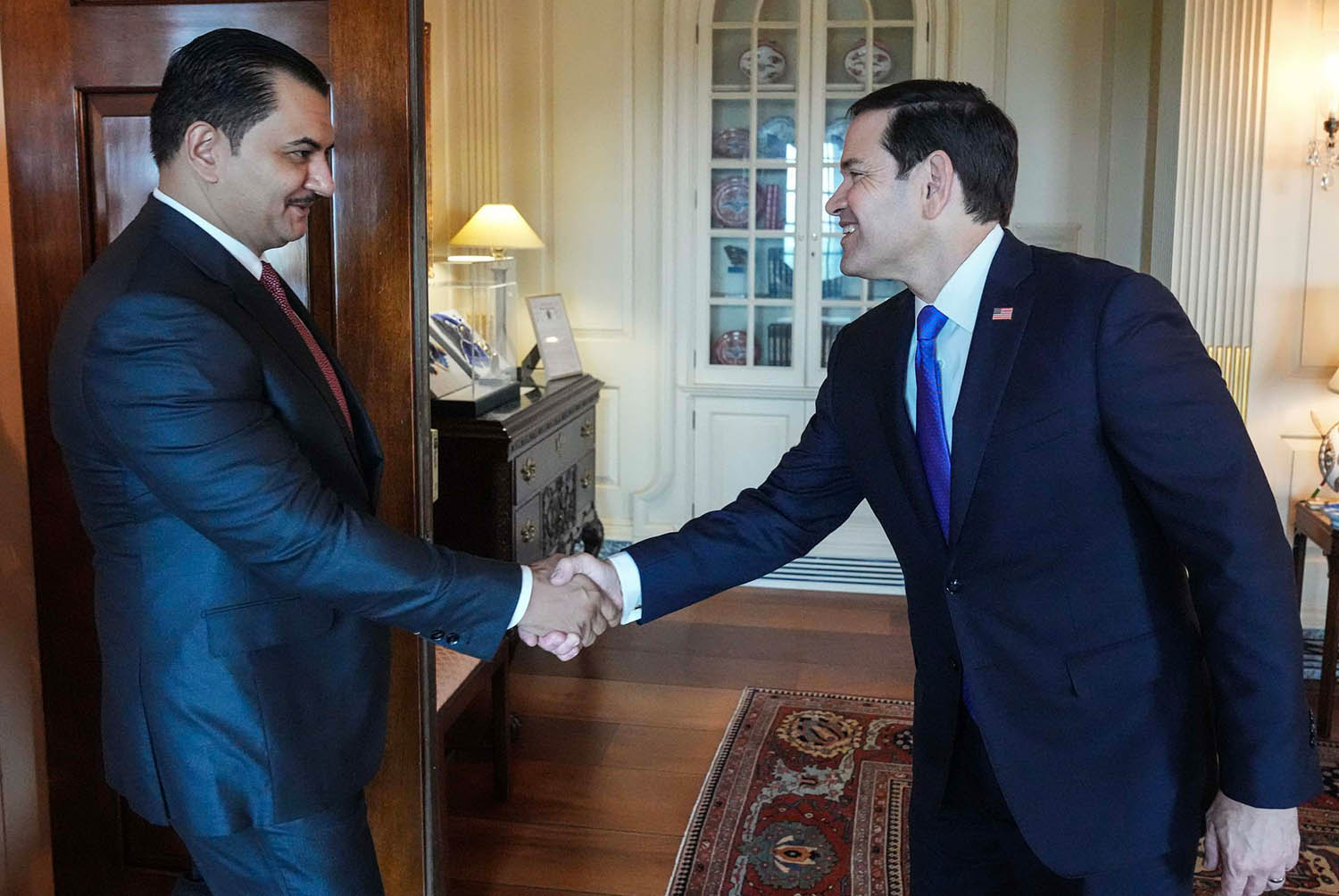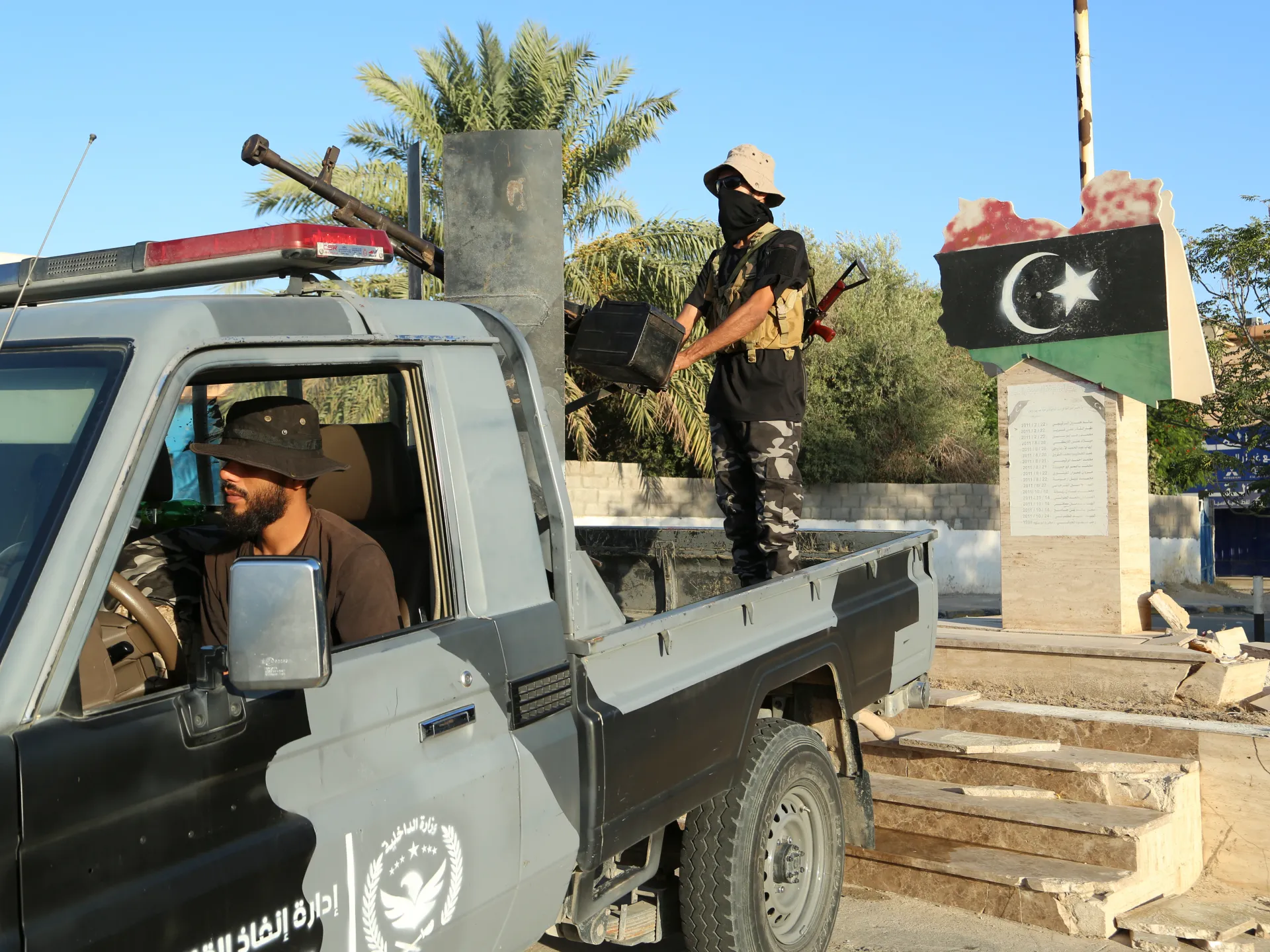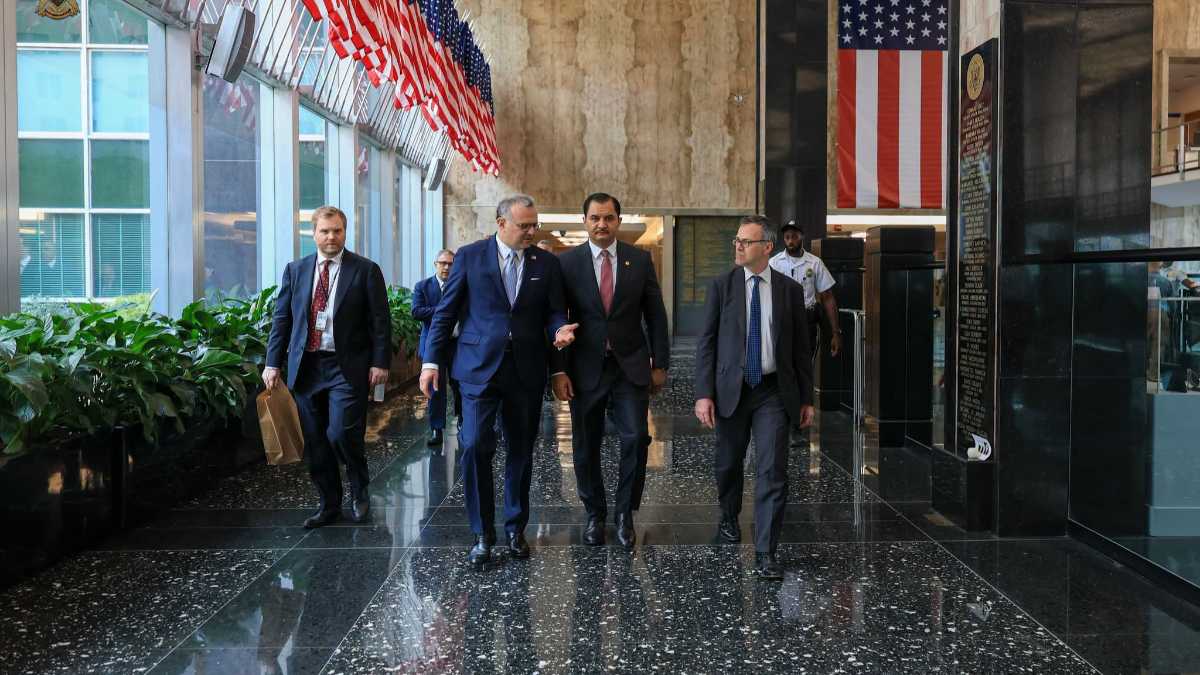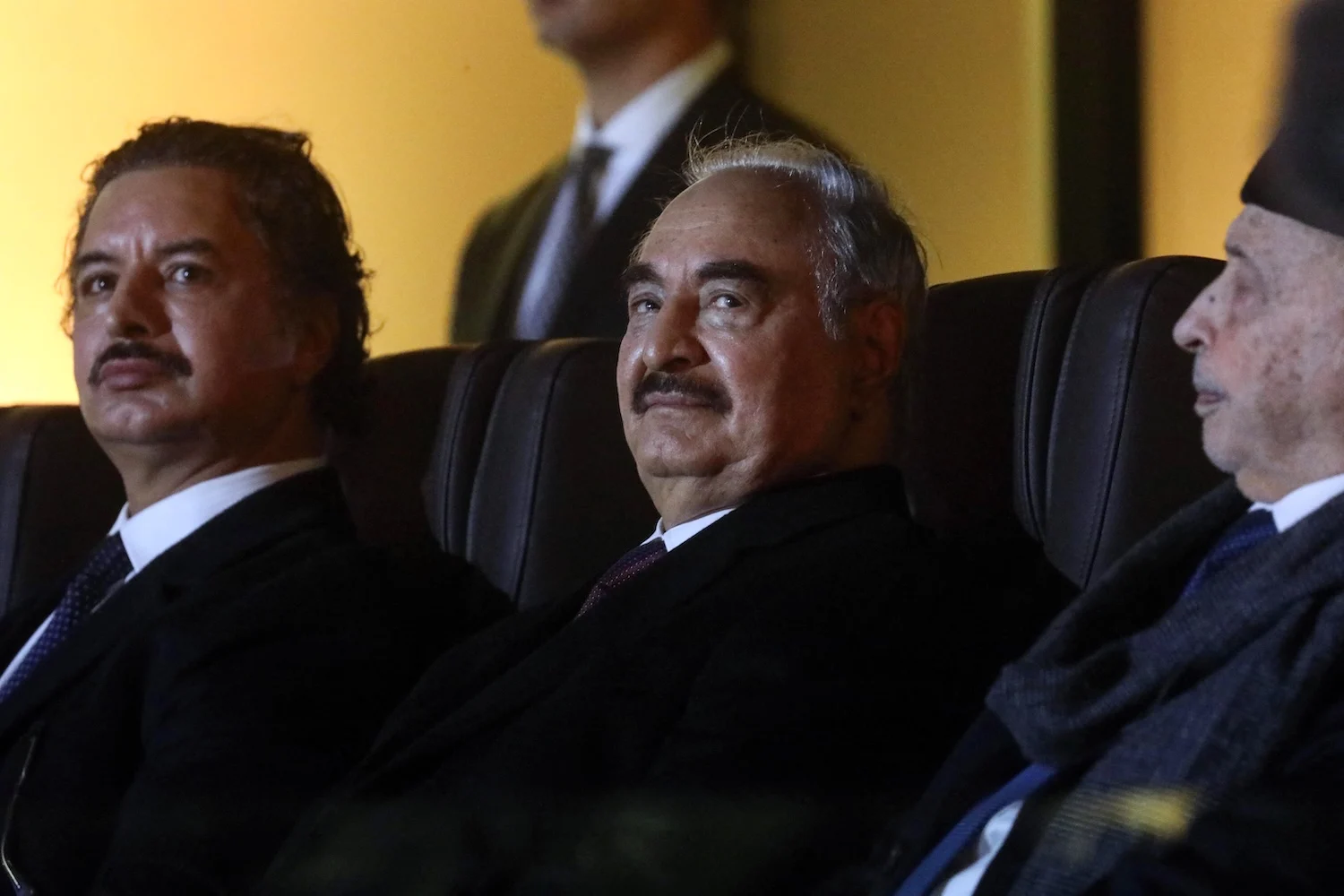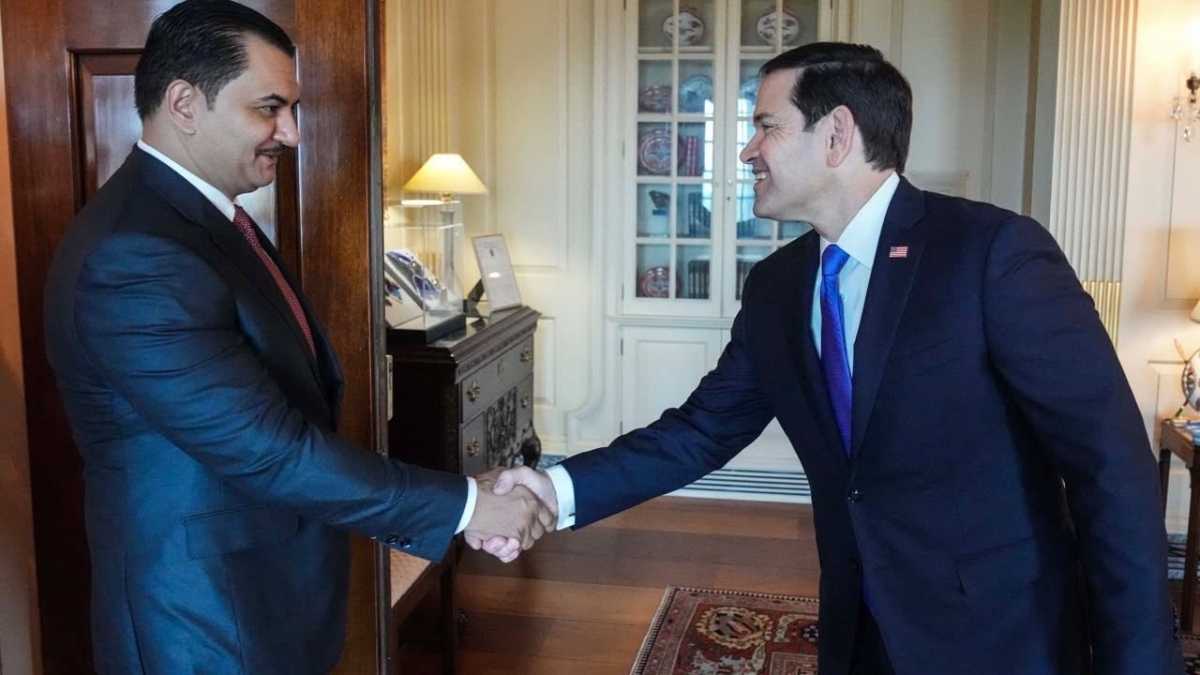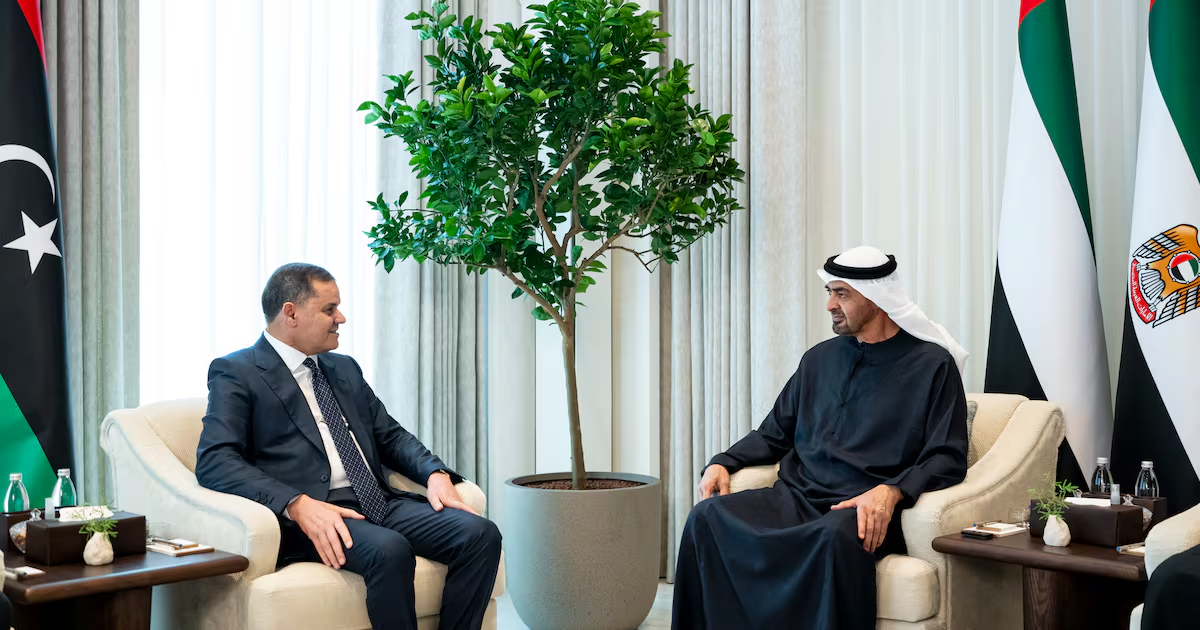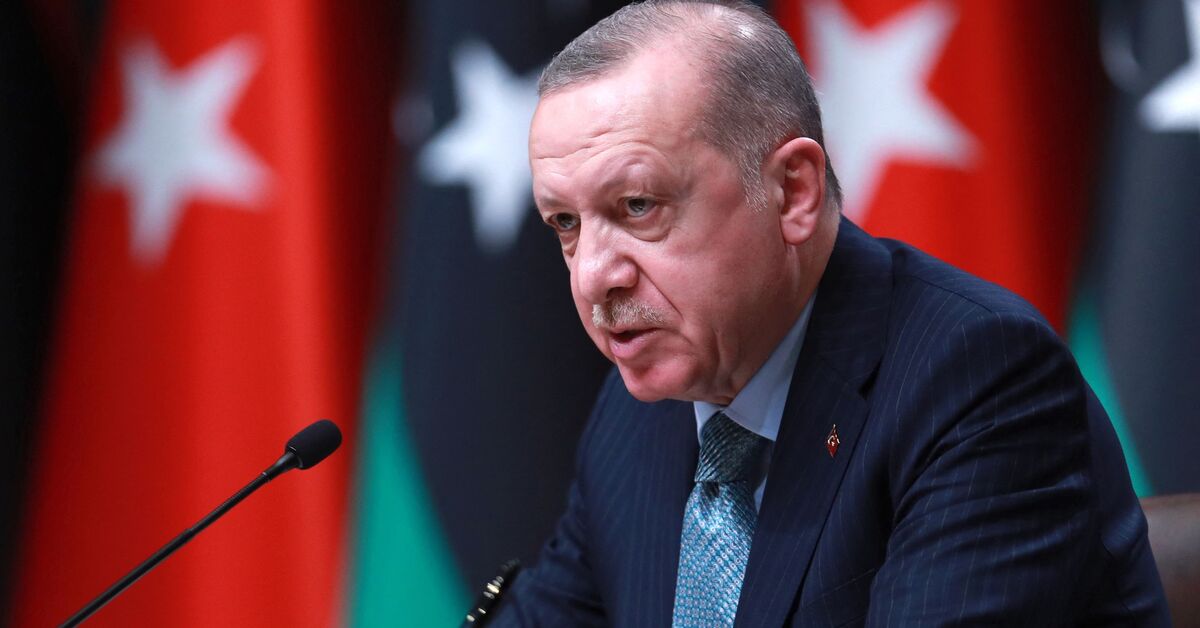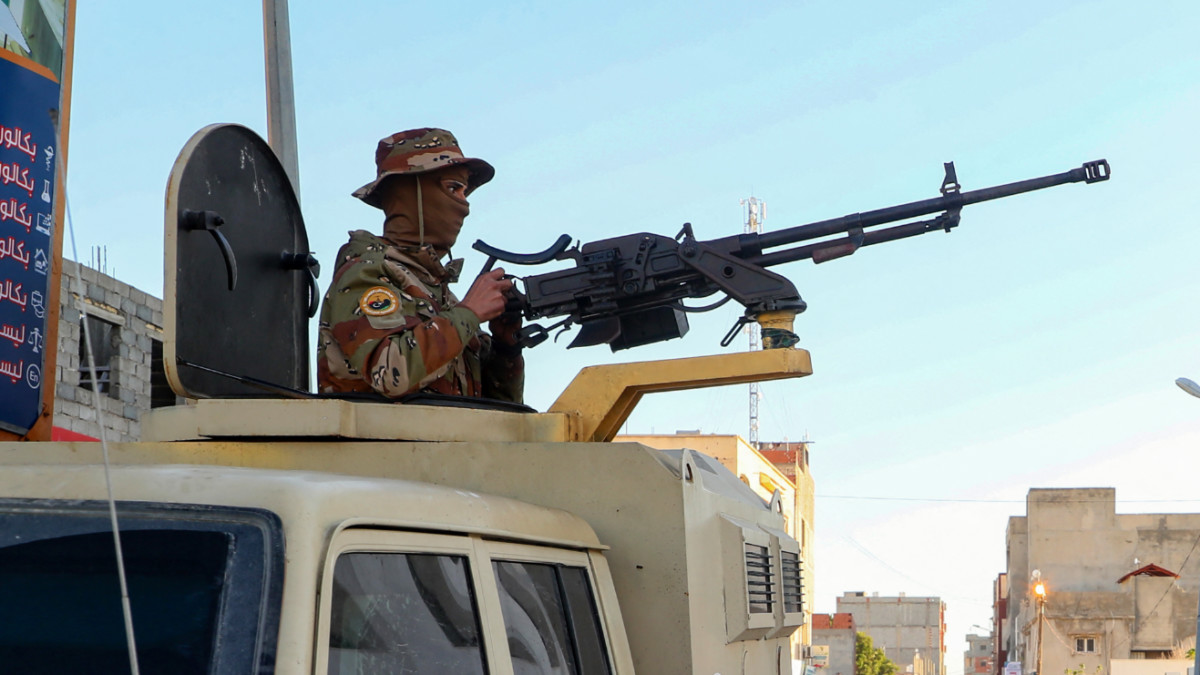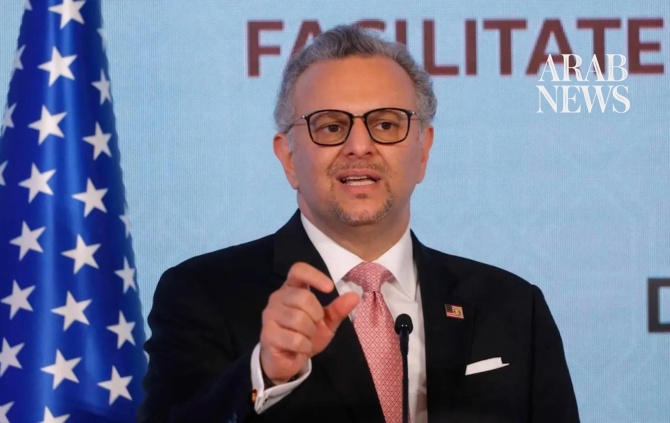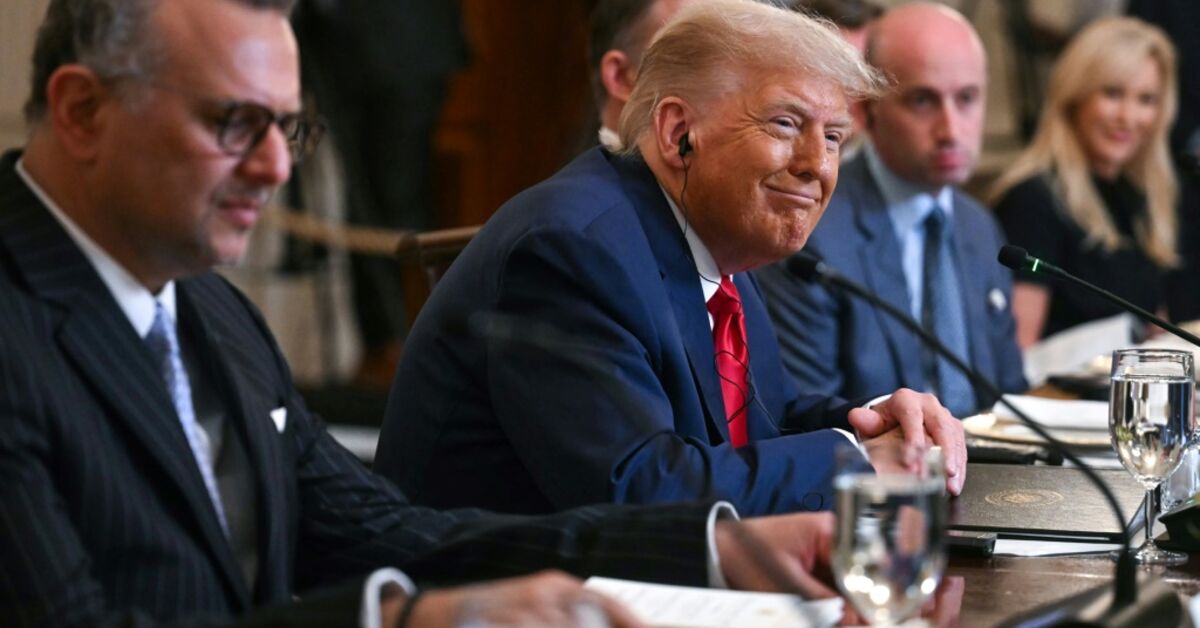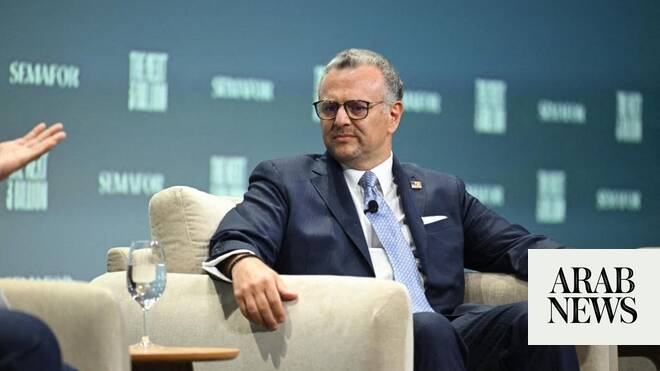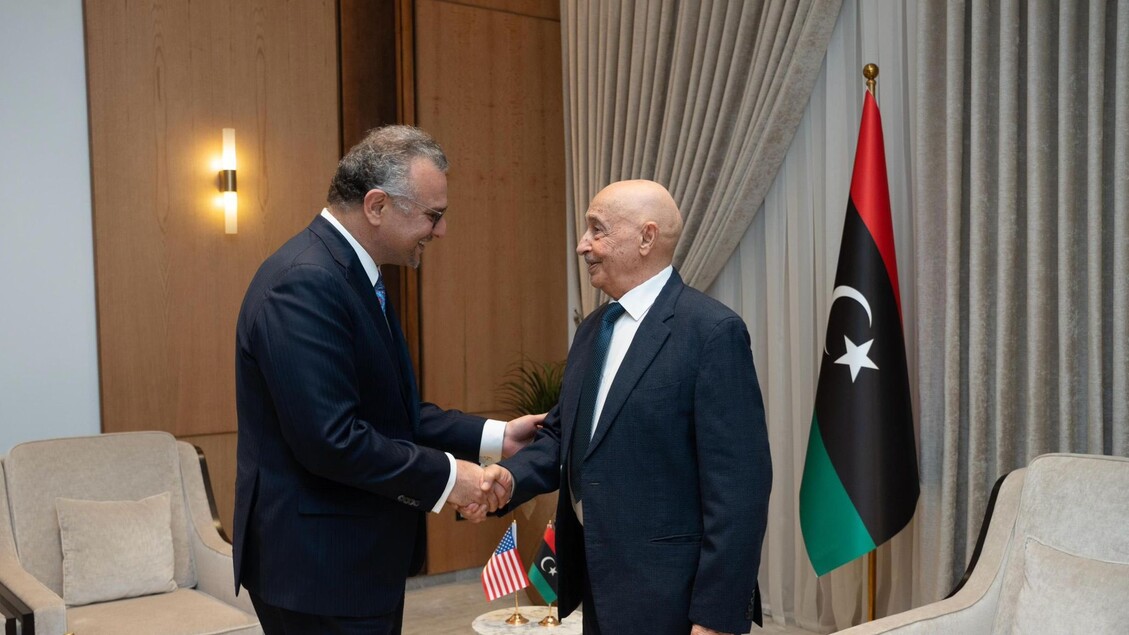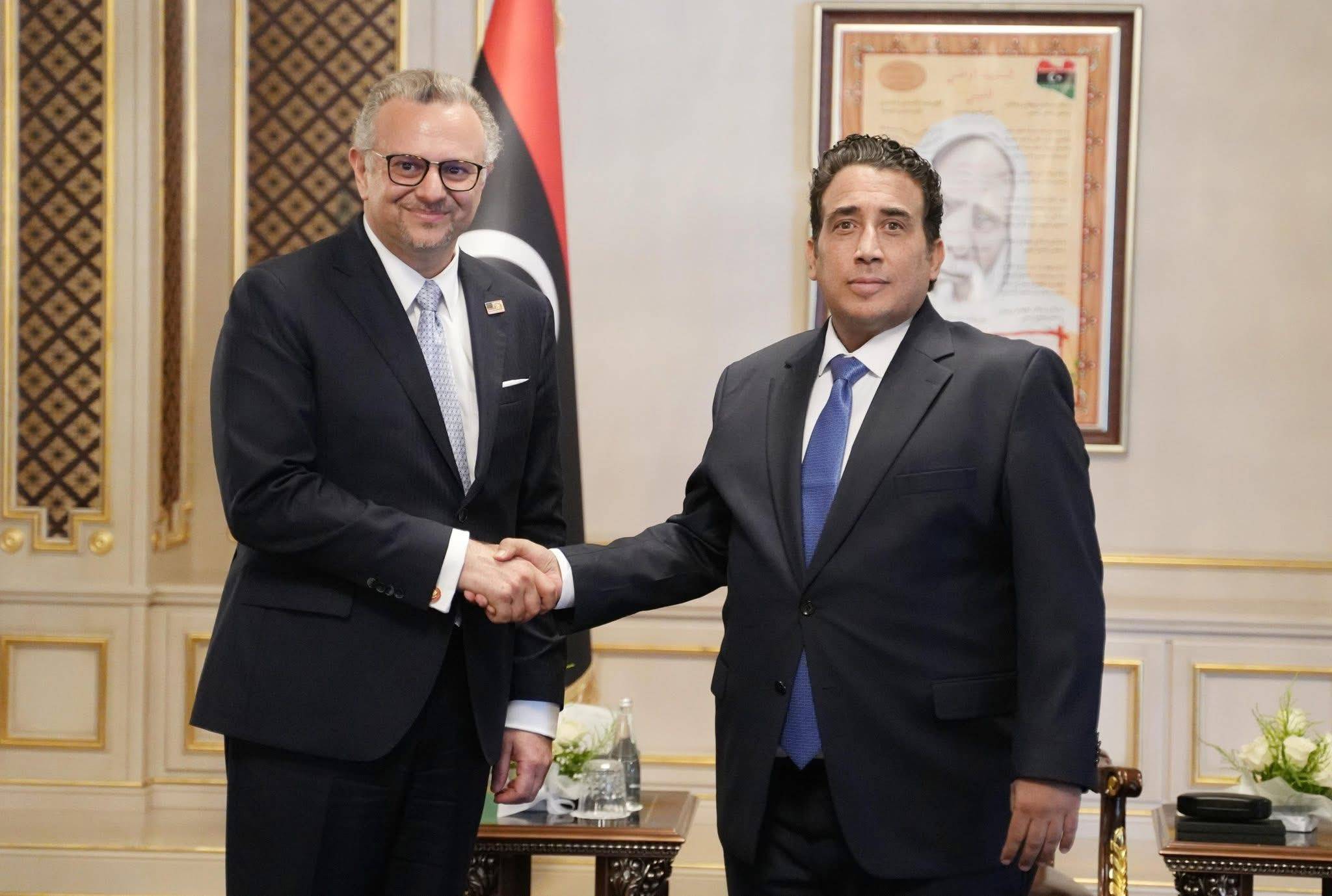
In recent weeks, diplomatic activity in Libya has been intense, both in Tripoli, where the Government of National Unity under Abdul Hamid Dbeibah is based, and in Benghazi, eastern Libya, which is the headquarters of Khalifa Haftar and the Libyan National Assembly. Massad Boulos, a special adviser at the US State Department for Arab and African affairs, was visiting the country divided by civil war at the same time as European officials who are attempting to join the race to exploit Libya’s energy resources, as well as Turks, who realize that the country has begun to attract the biggest players, including China.
New arrangements
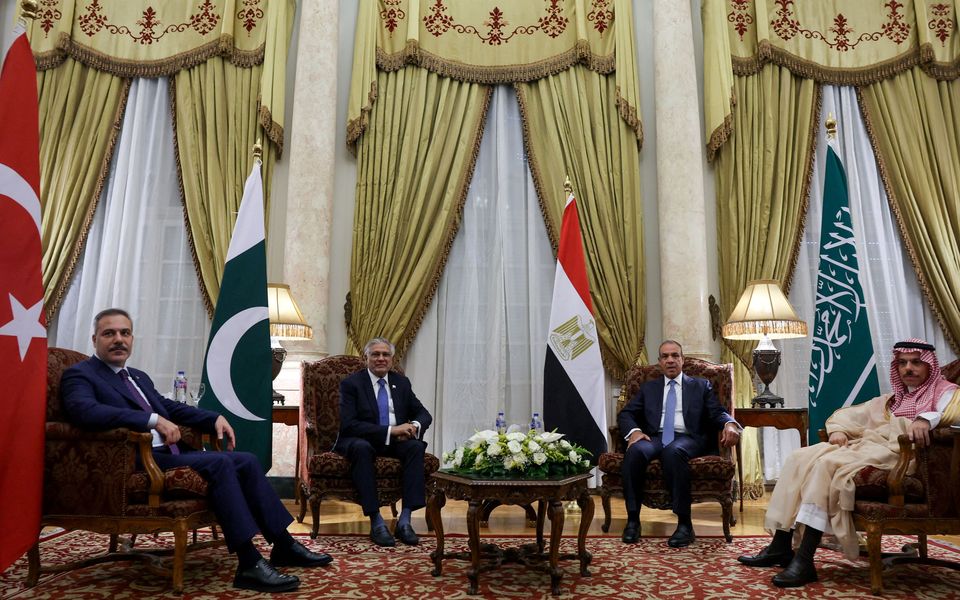
In this big game that is unfolding a few nautical miles south of Crete, Athens is attempting to keep the channels open. This was demonstrated by the visit of Saddam Haftar, deputy commander-in-chief of the Libyan Arab Armed Forces (and Marshal Khalifa Haftar’s son) to Athens on June 15 (where he was also received by Prime Minister Kyriakos Mitsotakis) as well as the contacts at a lower level in Tripoli, at the beginning of the month, where Deputy Foreign Minister Alexandra Papadopoulou traveled. However, the extent of Greek influence is rather limited, especially when the middle-sized actors in Libya, mainly Turkey, Egypt and the United Arab Emirates, once in completely opposite camps, are now seeking ways to reach an understanding on the ground.