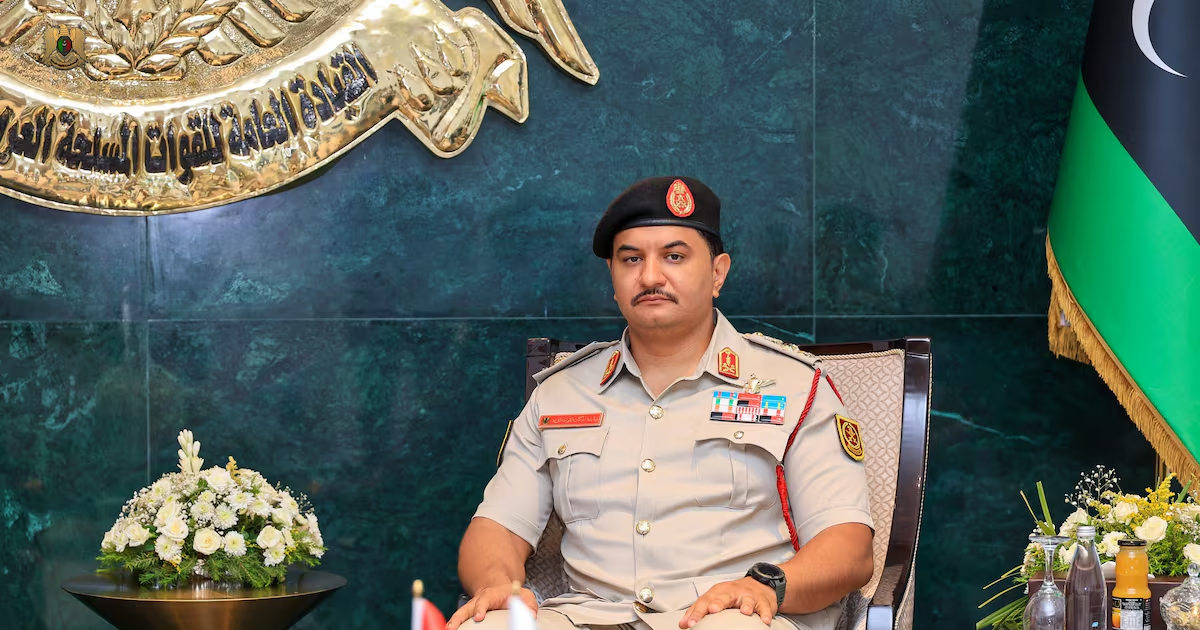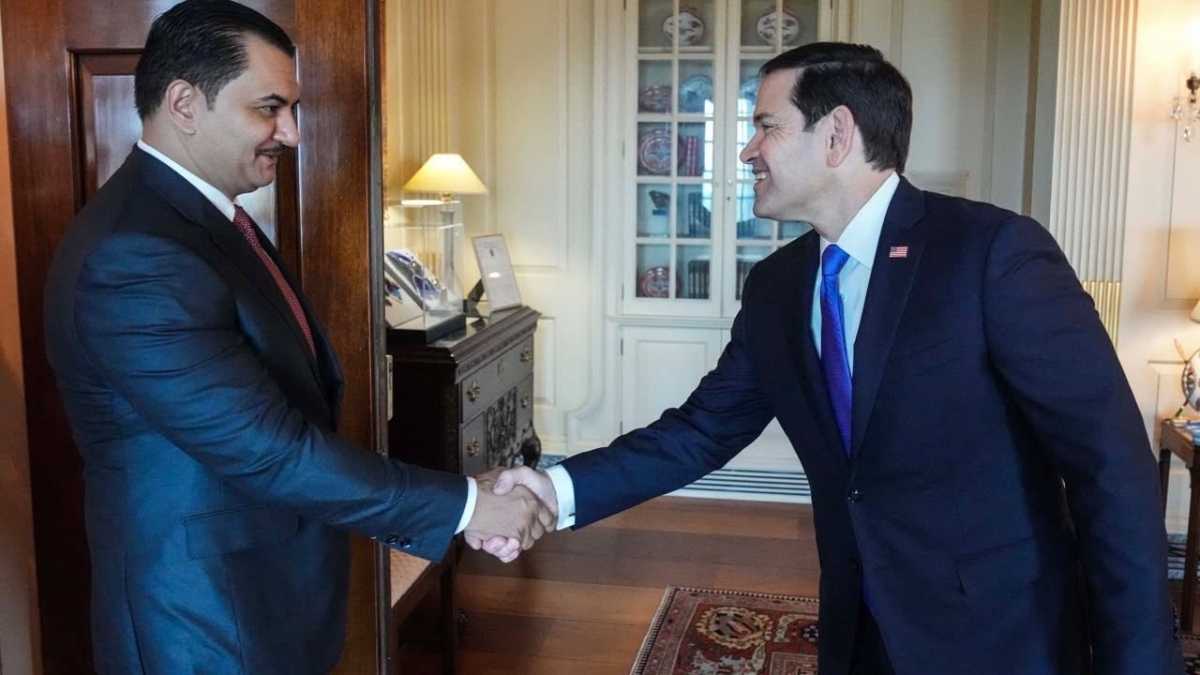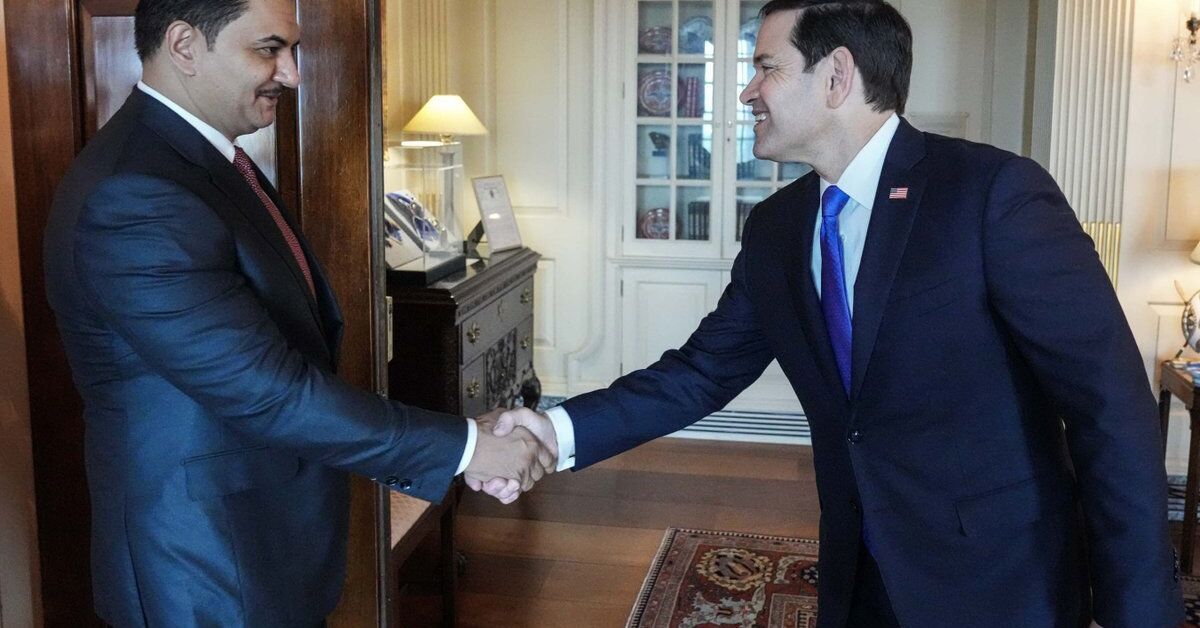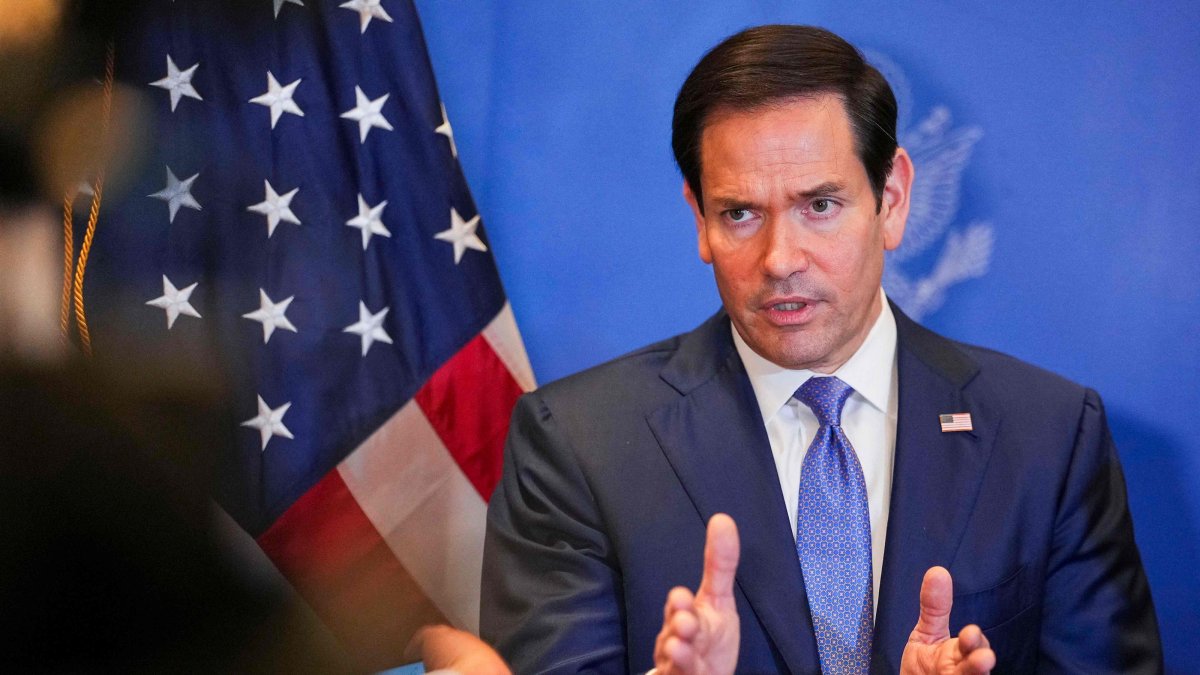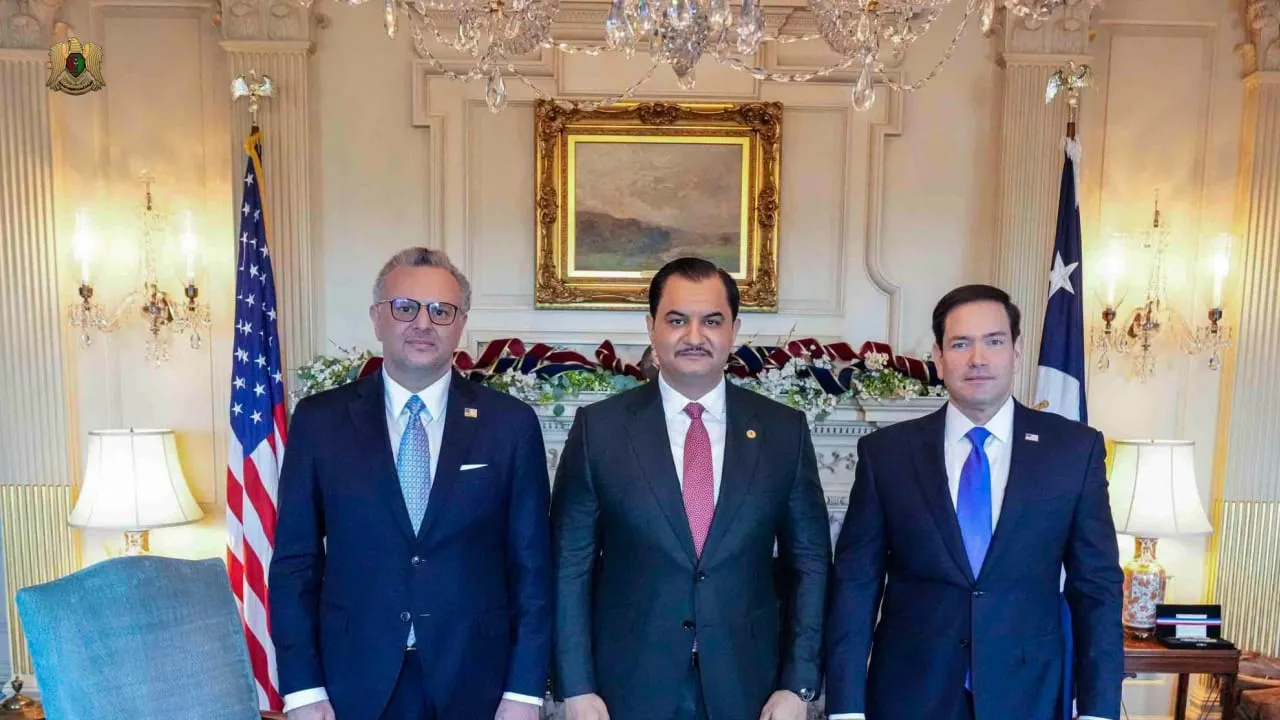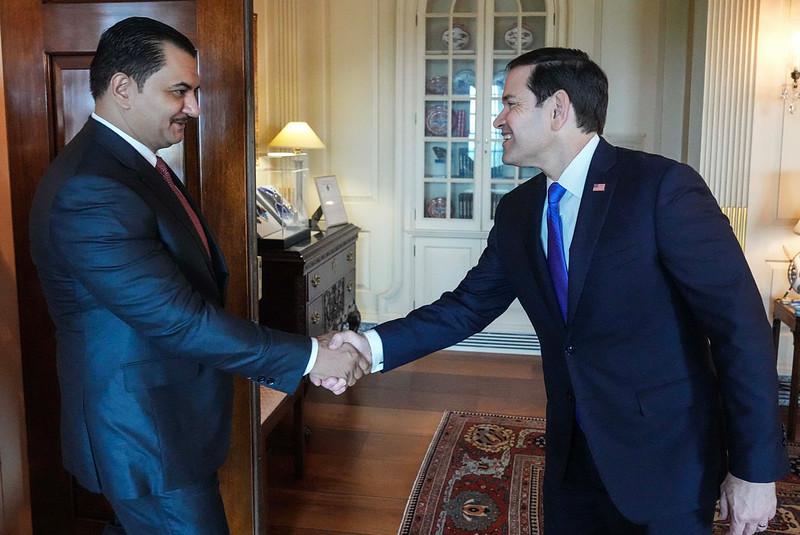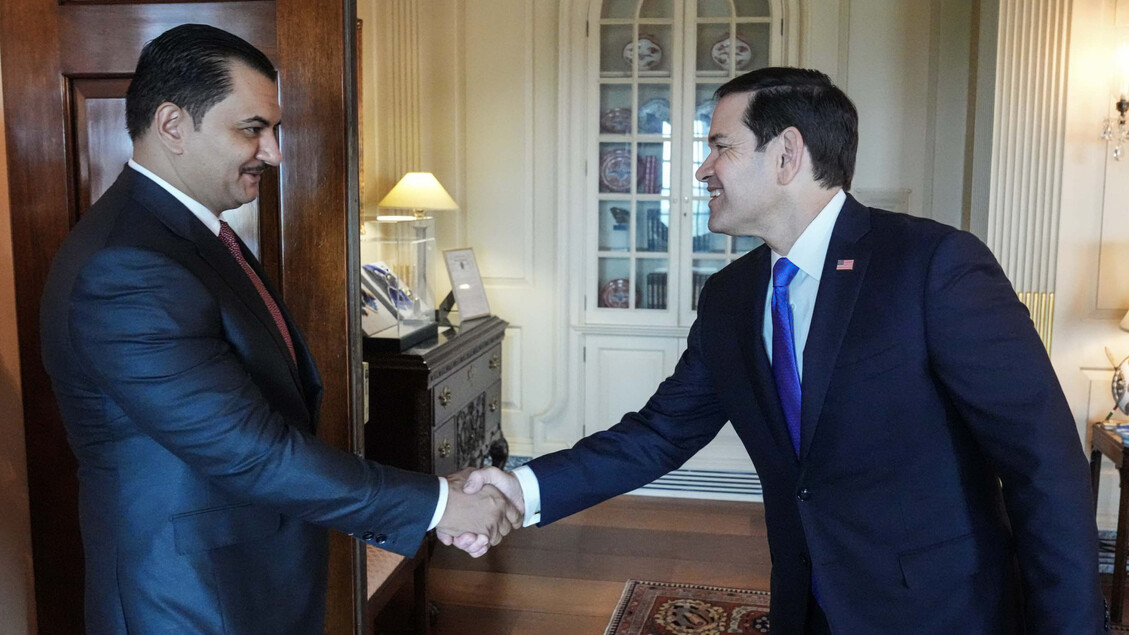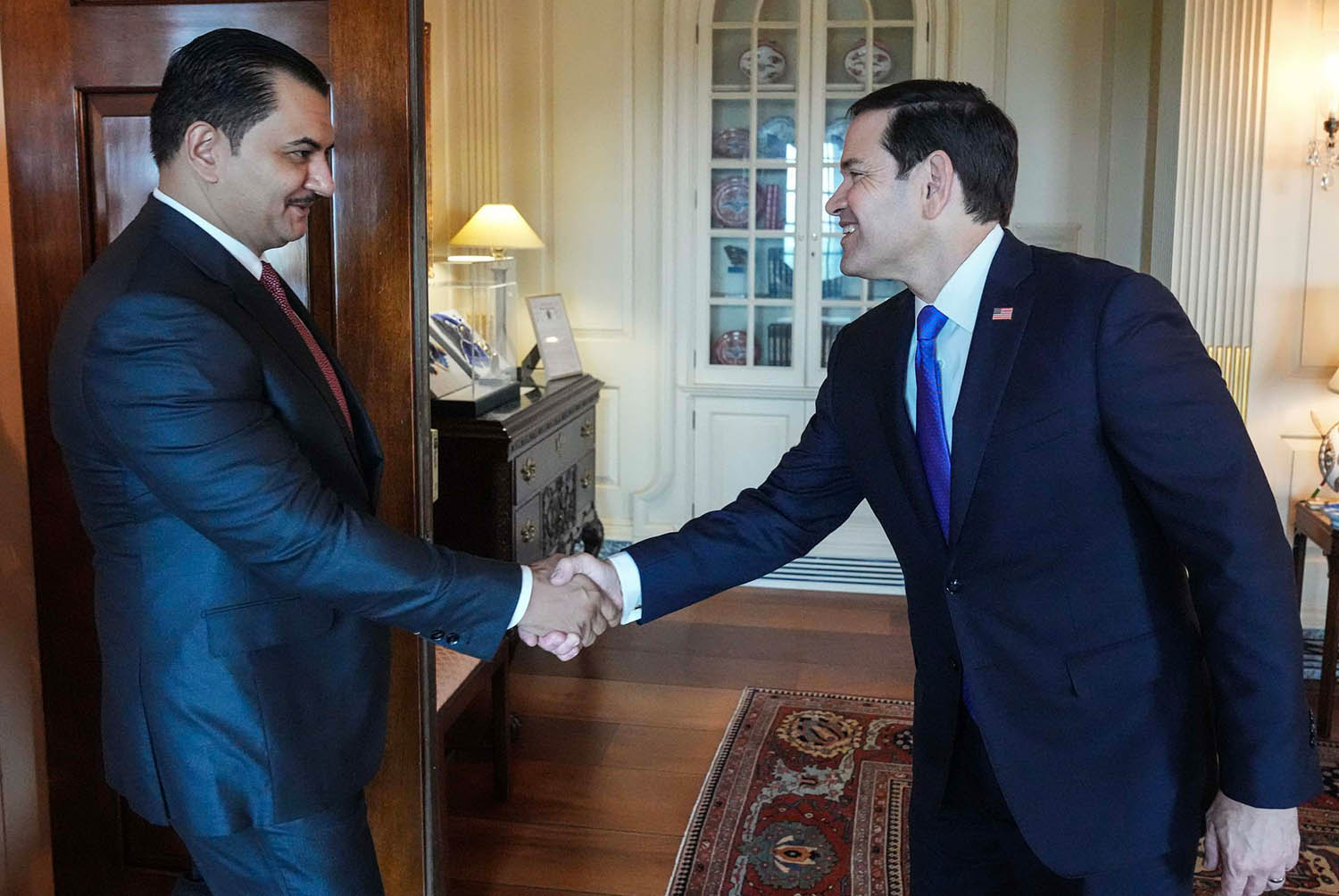
On June 29, Lieutenant General Saddam Haftar—deputy commander of the eastern-based Libyan National Army and the designated heir of Field Marshal Khalifa Haftar—was received in Washington by Secretary of State Marco Rubio. During that same timeframe, another Libyan was also brought to the US capital: Abdul Salam al-Zoubi, deputy defense minister of the internationally recognized Government of National Unity (GNU) in Tripoli and one of the pillars of Tripoli’s ontologically volatile security system. Zoubi met Senior Advisor to the US President Massad Boulos, Deputy Commander of US Africa Command Lieutenant General John W. Brennan, members of the National Security Council, and Deputy Secretary of State Christopher Landau—one rung below the secretary himself.
In diplomacy, form is substance, and the choreography matters. The formal representative of Libya’s recognized government was handled a tier down, while the heir of an armed faction that calls itself a national army—but still functions as a militia—was elevated to the secretary of state. In Washington’s protocol of honors, legitimacy and force have quietly traded places.
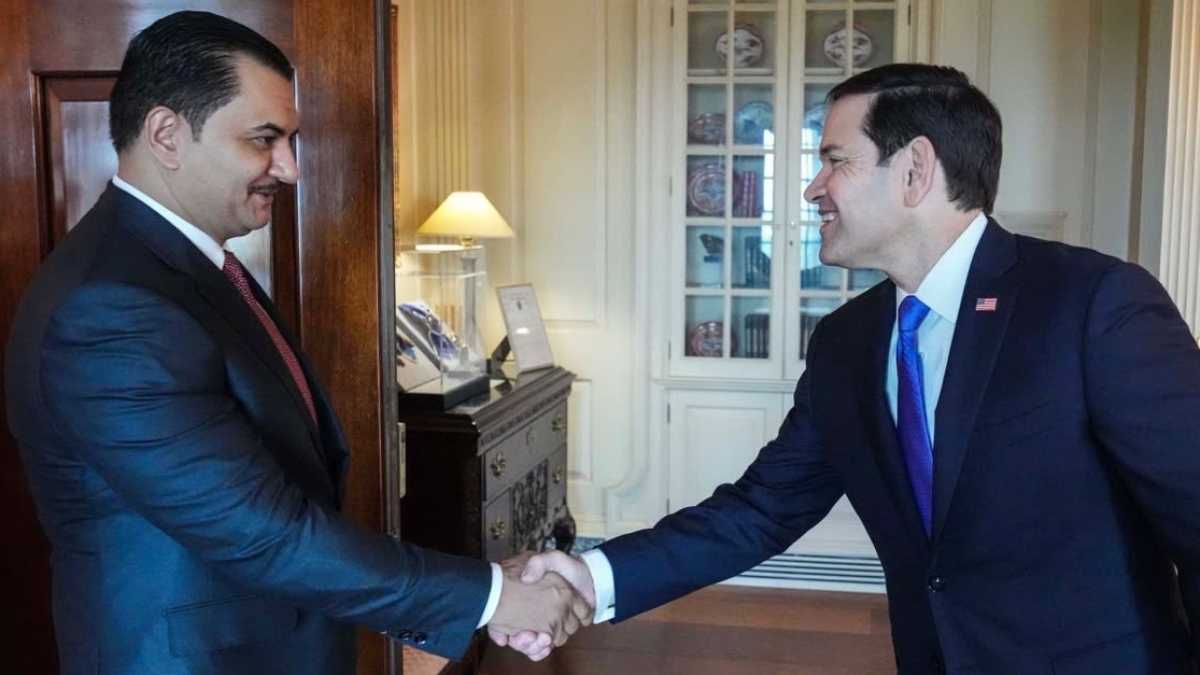
What Rubio’s handshake blesses is a plan described as a form of “familistic consociationalism”: a peculiar form of power-sharing arrangement built not on inclusive and impersonal institutions but rather centered on formalizing existing and dominant family networks. This type of settlement does not so much unify Libya as freeze its current balance of power by formalizing the families and patronage networks that already dominate it. Under the framework promoted by Boulos, GNU Prime Minister Abdulhamid Dbeibah—or his nephew Ibrahim—would keep the premiership, while Saddam Haftar would head a new presidential council, with national elections deferred to a later, unspecified phase. For months, this was Boulos’s initiative. Now the US secretary of state has put his own weight behind it.