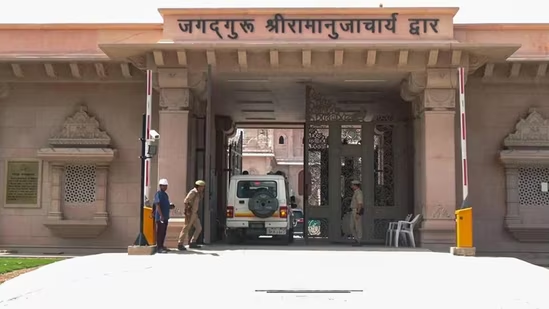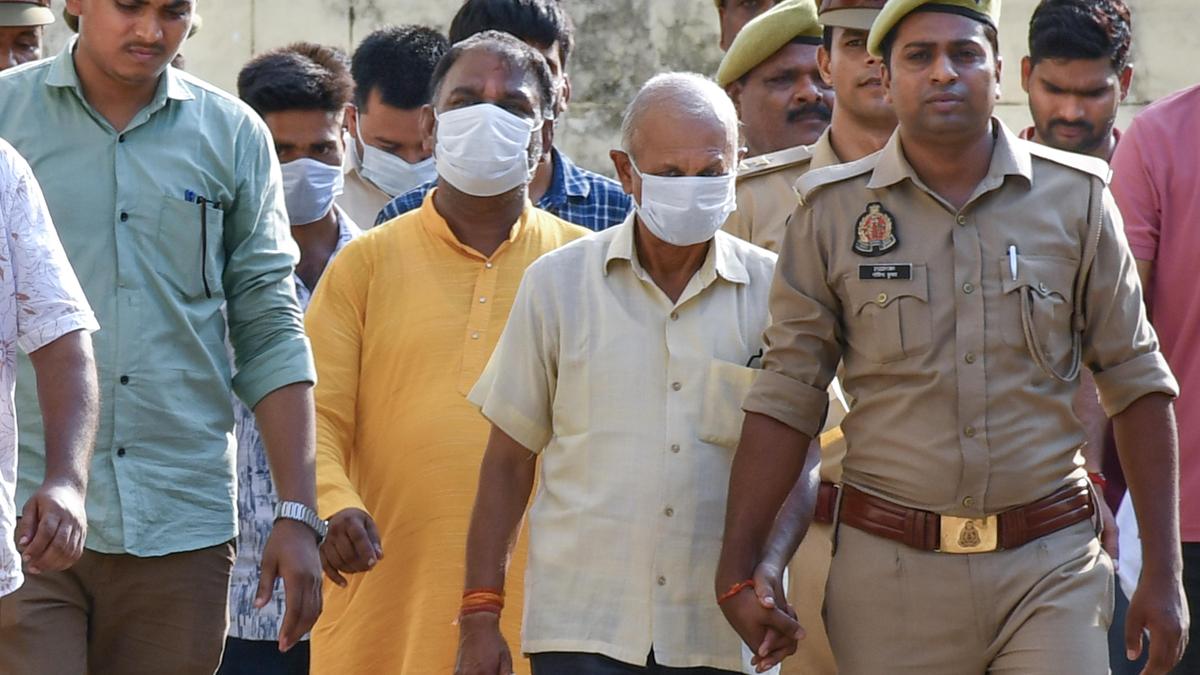
The investigation into alleged irregularities in collection of donations at the Ram temple in Ayodhya has put the shrine’s finances under scrutiny.Devotees at the Ram temple in Ayodhya, UP (X/@NarendraModi)Investigators examining the donation-counting process at the Shri Ram Janmabhoomi Teerth Kshetra Trust told HT they have identified lapses in handling the cash – which, an HT analysis found, also differ from the processes employed by three other temple trusts in Uttar Pradesh.According to financial records, ₹82.78 crore was donated to the Ram temple between April 1, 2025, and February 28, 2026. The trust earned another ₹138.03 crore as interest on bank deposits over the same period, taking its income to ₹220.81 crore over the period.So far, eight employees of the cash-counting staff have been arrested, and police have recovered ₹79.85 lakh from seven of them. Two senior temple trust members, Champat Rai and Anil Mishra, resigned after the controversy erupted.Also read: ₹5 lakh fine if Ram temple donation case accused represented: Ayodhya lawyers' body to membersThe counting processAccording to the Special Investigation Team (SIT) probing the case, cash collected from around 40 donation boxes passed through multiple hands without adequate segregation of duties or independent verification, a senior official who did not wish to be named told HT.The trust had assigned responsibility for counting the donations to the State Bank of India (SBI). The counting team included SBI staff, employees of a Varanasi-based agency and some members of the trust, said a trust official who did not wish to be named.Counting staff were never asked to wear pocketless clothing, and no government officials were ever included to supervise the counting work. The responsibility to frisk the cash handlers was also assigned to a private agency.Although CCTV cameras were installed, the footage was automatically overwritten after 45 days. Documentation was weak, there weren’t adequate audit mechanisms and instructions were, officials said.Also read: Weak safeguards at Ram temple; tighter cash control at other major UP shrinesHow other temples manage donationsThree of Uttar Pradesh's other largest temple trusts have institutionalised protocols that point to financial accountability.At the Kashi Vishwanath Temple in Varanasi, the 56 donation boxes are opened twice every week under the direct supervision of a subdivisional magistrate. “Counting takes place under continuous CCTV surveillance in the presence of bank officials and an independent retired gazetted officer. Every transaction is documented, before being deposited in the government treasury,” said S Rajalingam, chairman of the Shri Kashi Vishwanath Temple Trust Board and Varanasi divisional commissioner.At Krishna Janmabhoomi in Mathura, donations are accepted through three permanently manned receipt counters operating under CCTV surveillance, said Kapil Sharma, secretary of the Shri Krishna Janmasthan Seva Sansthan.At the Banke Bihari Temple in Vrindavan, donation management is overseen by a high-powered committee constituted under Supreme Court directions and headed by a retired Allahabad High Court judge. Donation boxes are opened once a month in the presence of the sub-divisional magistrate and committee members, under CCTV surveillance, before collections are deposited into authorised bank accounts.In all three cases, an outside authority — a magistrate, a retired judge or treasury officials — oversees the process in person.
How donations were counted at Ayodhya's Ram temple and how it differed from other UP temples
Investigators examining the donation-counting process at the Shri Ram Janmabhoomi Teerth Kshetra Trust have identified lapses in handling the cash. | India News
517 words~2 min read