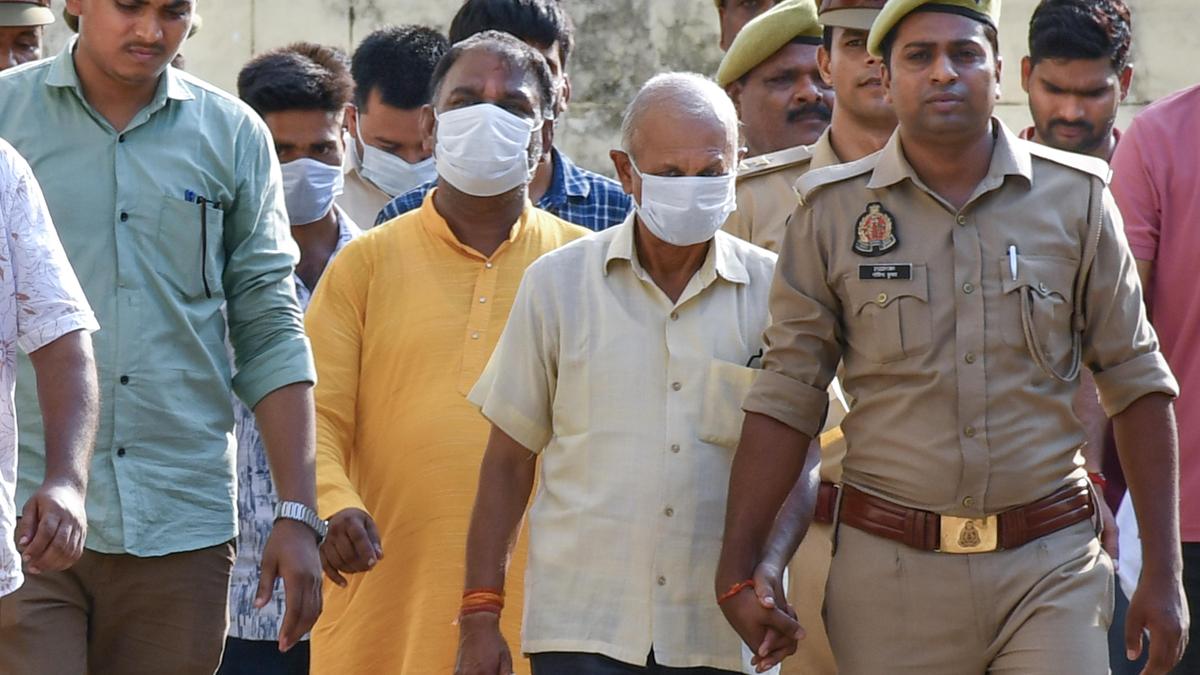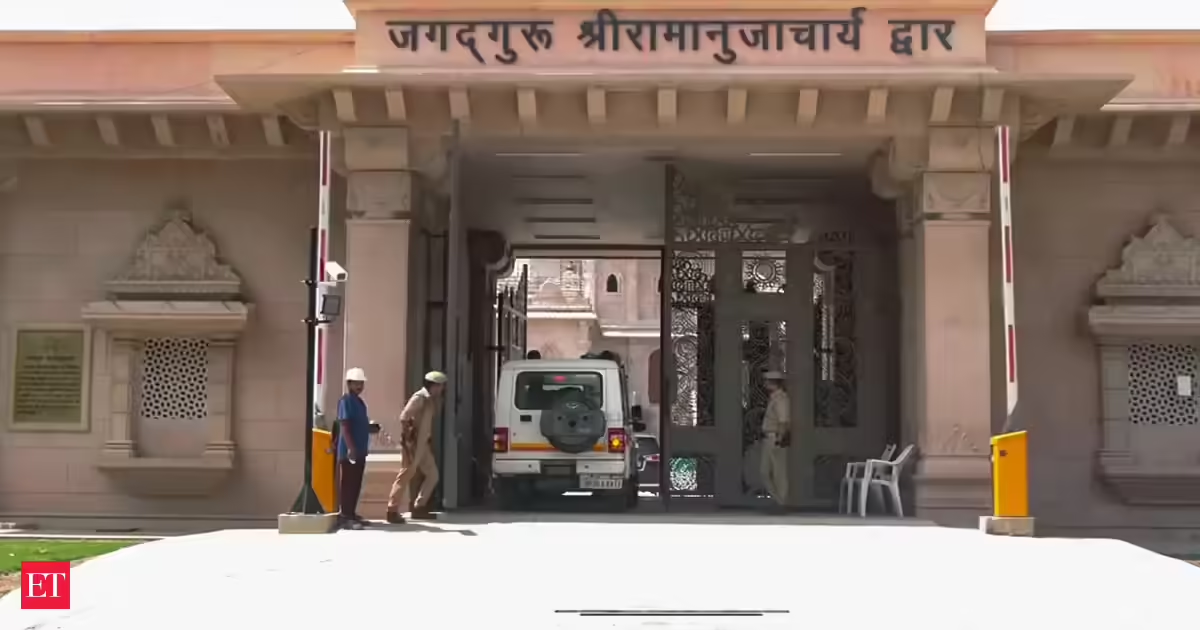
The three-member Special Investigation Team (SIT) probing the alleged theft of devotees’ offerings at the Shri Ram Janmabhoomi Temple has found no irregularities in the audit or banking transactions of the Shri Ram Janmabhoomi Teerth Kshetra Trust, highly-placed sources privy to the probe said, adding that investigators concluded the alleged embezzlement was not linked to manipulation of the Trust’s financial accounts.The Uttar Pradesh government constituted the SIT on June 13 to probe the Ram temple donation theft allegations. (FILE PHOTO)The SIT has completed an extensive scrutiny of the Trust’s audited bank accounts, deposits, reconciliations and financial records maintained by banks handling temple funds, the highly-placed sources added.The examination has not revealed any discrepancy in the accounting or audit process, reinforcing investigators’ assessment that the alleged diversion of donations occurred before the cash entered the formal banking system.“The banking records and audit trail examined by the SIT have not revealed any irregularity. The investigation is now focused on how the cash was handled before it was deposited in the bank,” an official associated with the probe said.The finding assumes significance as the SIT had expanded its inquiry beyond the eight arrested accused to determine whether the alleged theft involved any systemic financial irregularity within the Trust’s banking operations or accounting mechanism.With the banking trail found intact, investigators have narrowed their focus to operational lapses in the donation-counting process. These include alleged violations of standard operating procedures (SOPs), inadequate supervision, deficient frisking of personnel, shortcomings in CCTV monitoring and weaknesses in internal controls inside the cash-counting facility.Officials suspect these deficiencies may have created opportunities for the alleged siphoning of devotees’ offerings before the money was deposited into the Trust’s authorised bank accounts.The SIT has also scrutinised the role of officials and agencies involved in the collection, counting and deposit of donations, examining whether the prescribed SOPs governing the entire process were followed.People familiar with the matter said the SIT comprising Lucknow divisional commissioner Vijay Vishwas Pant, inspector general of police (Lucknow range) Kiran S and secretary (Finance) Neel Ratan so far found no evidence to suggest that the Trust’s audited bank accounts were used to conceal or facilitate the alleged embezzlement. Instead, investigators are examining whether the theft resulted from failures in the physical handling, counting and packaging of cash before its deposit.The SIT is expected to submit its final report to the Uttar Pradesh government after completing the remaining aspects of the inquiry.Apart from examining the circumstances surrounding the alleged theft, the panel is also assessing administrative accountability for the security and supervisory lapses identified during the investigation. It has recommended strengthening surveillance systems, ensuring strict compliance with SOPs, extending CCTV footage retention, tightening access controls and reinforcing oversight of personnel engaged in handling temple donations.Meanwhile, the parallel criminal investigation by Ayodhya Police is continuing. Investigators are tracing the money trail, analysing financial and digital evidence, and examining the role of the arrested accused as well as any other individuals who may have benefited from the alleged diversion of devotees’ offerings.Officials said the SIT’s findings draw a clear distinction between the integrity of the Trust’s audited financial and banking systems and the alleged criminal acts under investigation, with the probe now firmly centred on identifying those who may have exploited operational weaknesses in the temple’s cash-management process.
Ram temple donation probe: SIT finds no irregularity in Trust’s banking records, audit trail, focuses on cash handling lapses
With the banking and audit trails found intact, investigators have zeroed in on operational flaws in the donation-counting process
546 words~2 min read