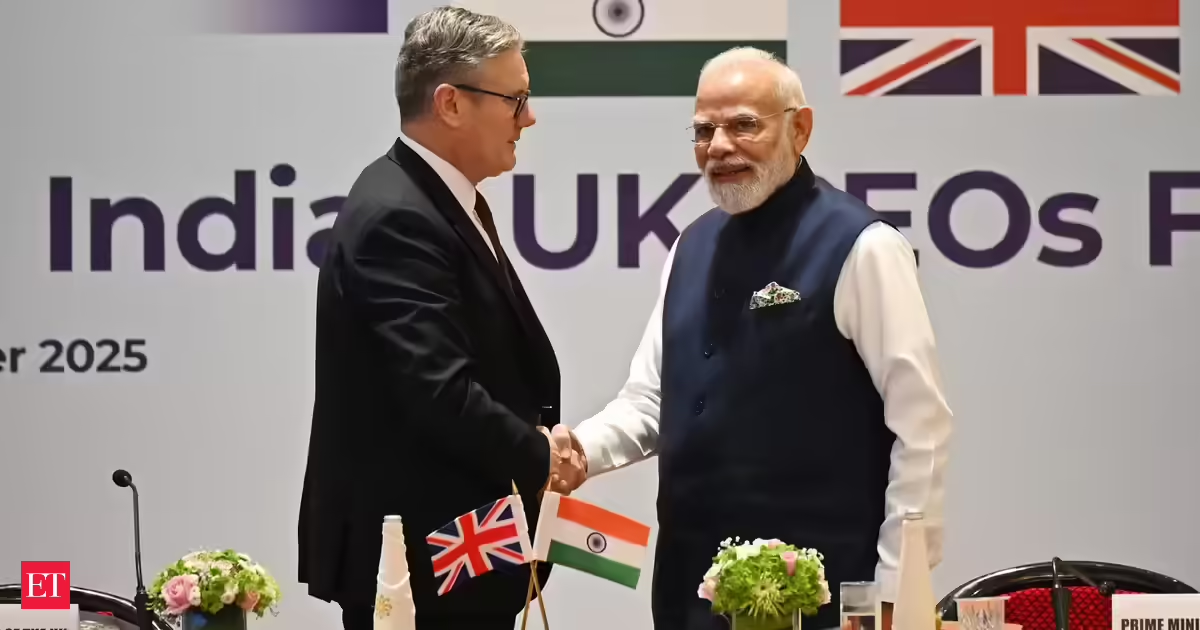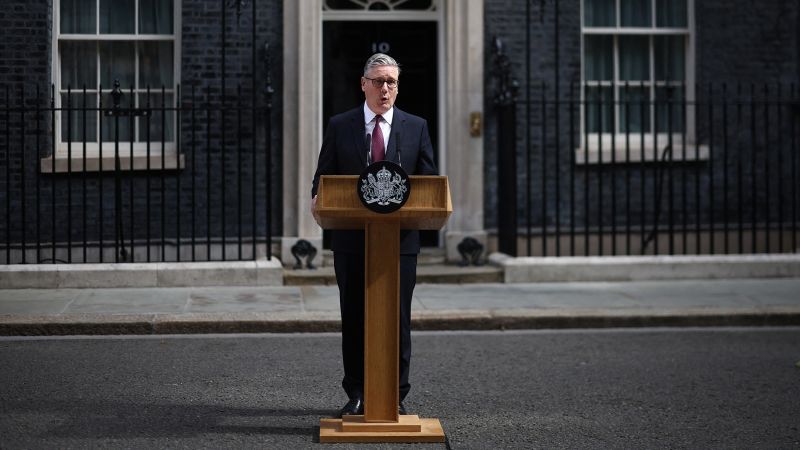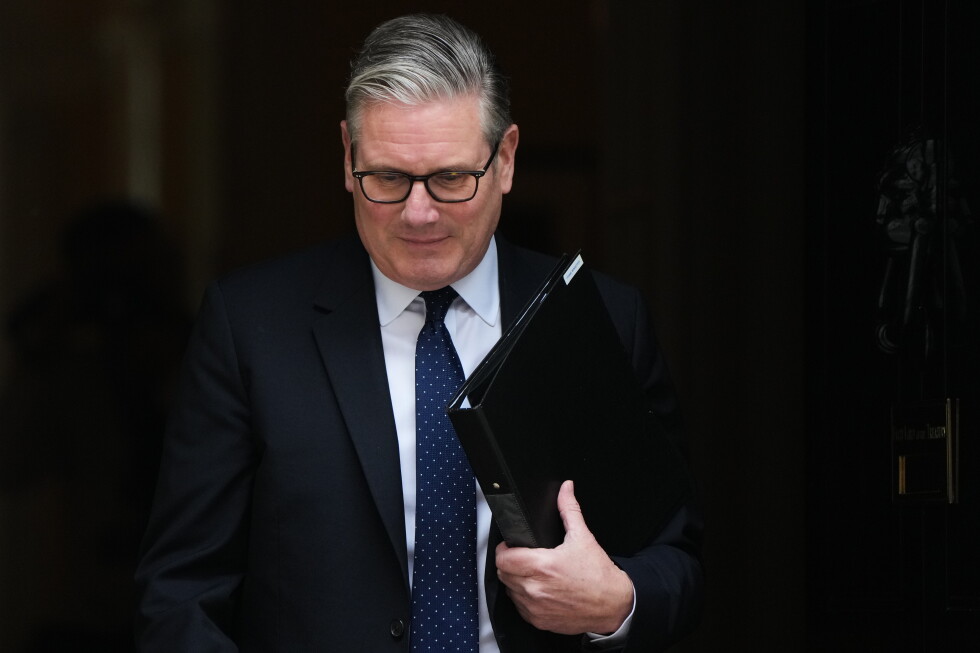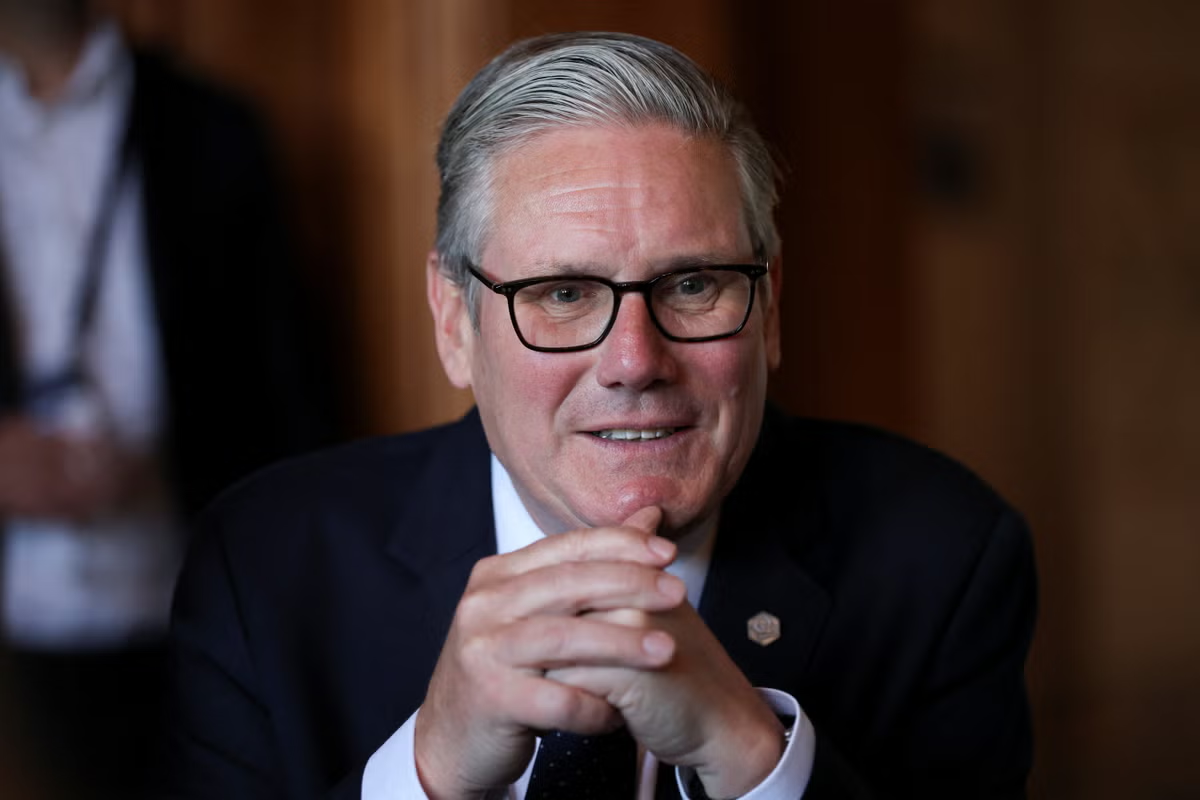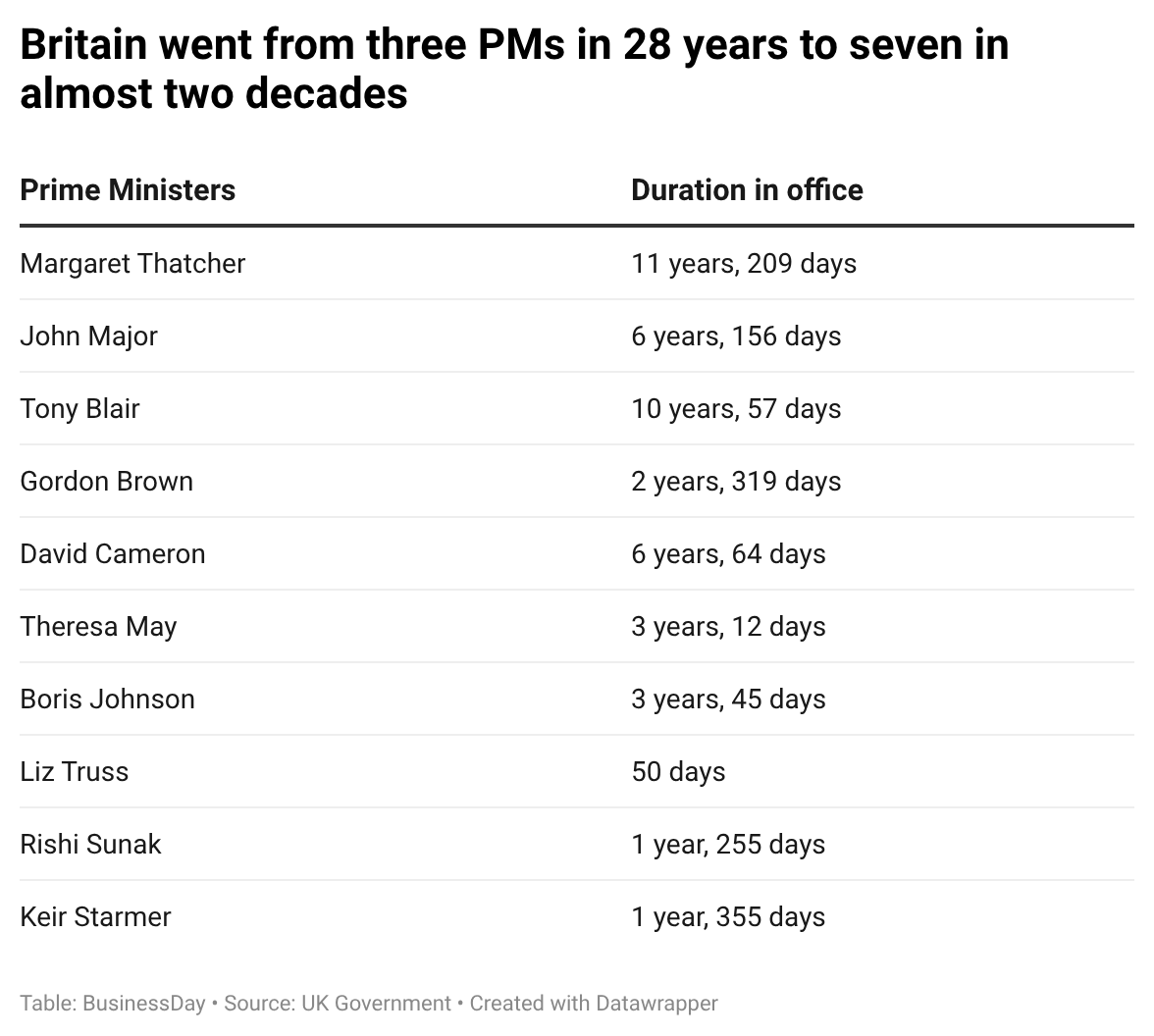
Outgoing UK Prime Minister Keir Starmer walked into Downing Street in July 2024 on the back of one of the Labour Party's strongest election victories in decades.
Starmer pledged to restore Britain's global credibility after years of Brexit upheaval and shrinking aid budgets. Africa featured prominently in that pitch: a continent of rising strategic, economic and geopolitical importance.
The message was clear: Labour would fundamentally change how it relates to the African continent, focusing on partnership, not paternalism; investment, not dependency and this time, the United Kingdom was in for the long-term engagement. For many across African capitals, it felt like a fresh start.
"There was talk of a reset," Alex Vines, Africa program director at the European Council on Foreign Relations in London, told DW. "At the end of 2025, there was a launch in the Foreign Ministry of a new approach to Africa."
Then came Starmer's resignation on June 22, 2026, less than two years after entering office, which left African countries again asking whether UK engagement can ever outlast political cycles.