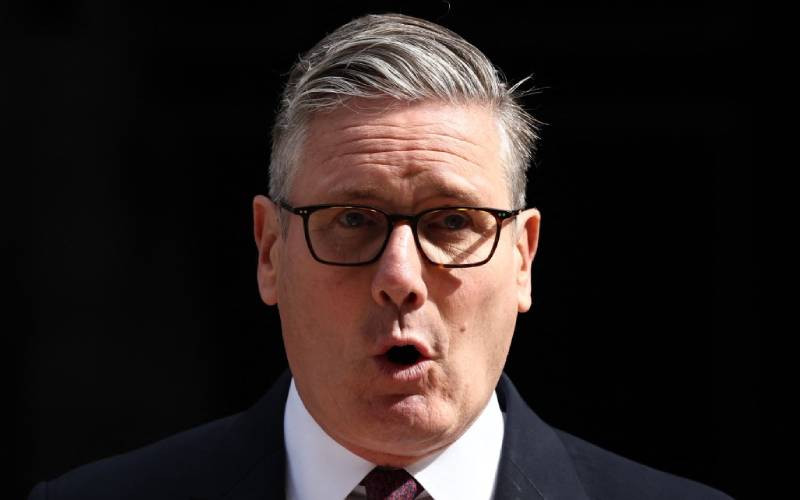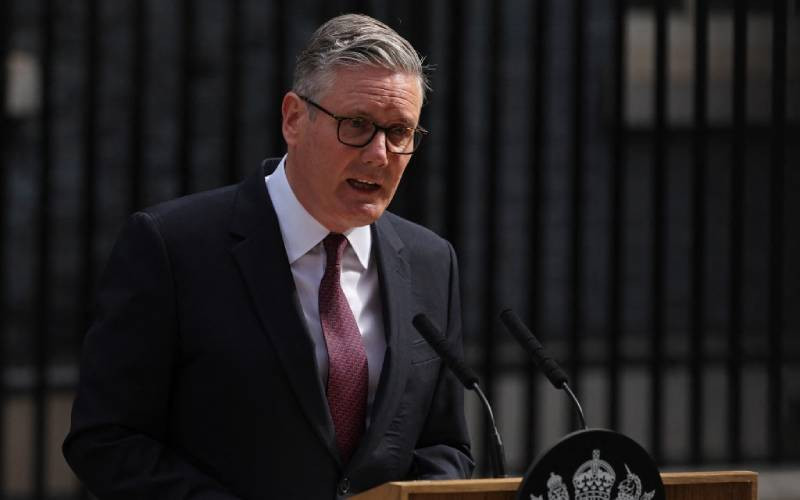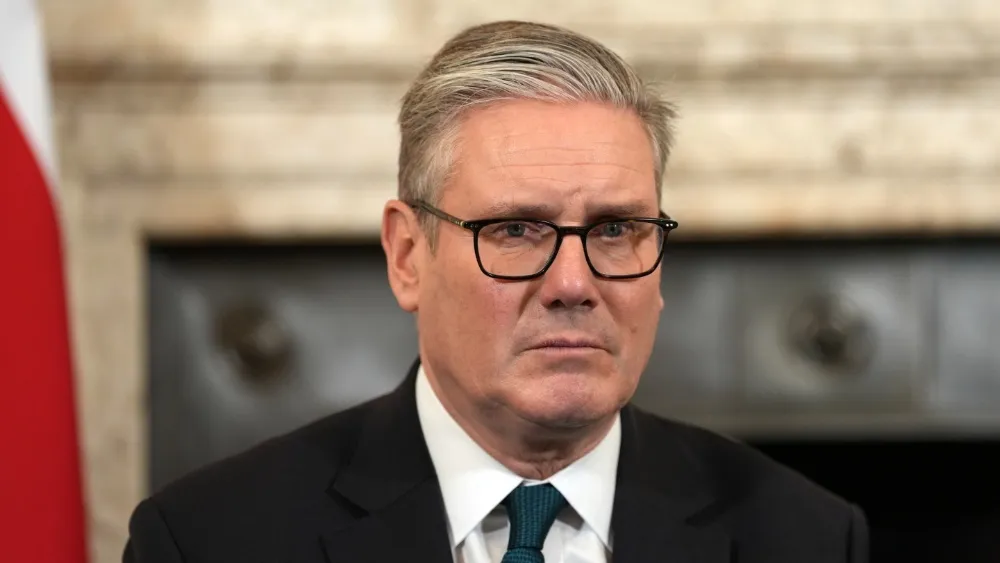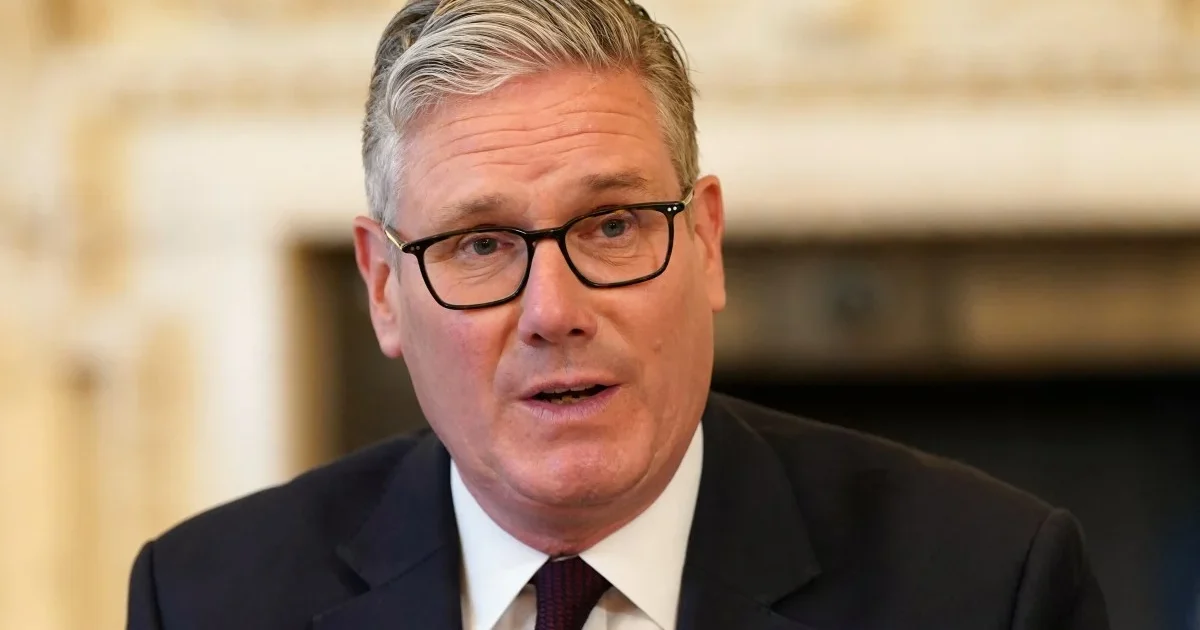
Britain's Prime Minister Keir Starmer speaks as he hosts a roundtable with the hospitality industry at 10 Downing Street in central London on June 29, 2026. (Photo by Alberto Pezzali / POOL / AFP)
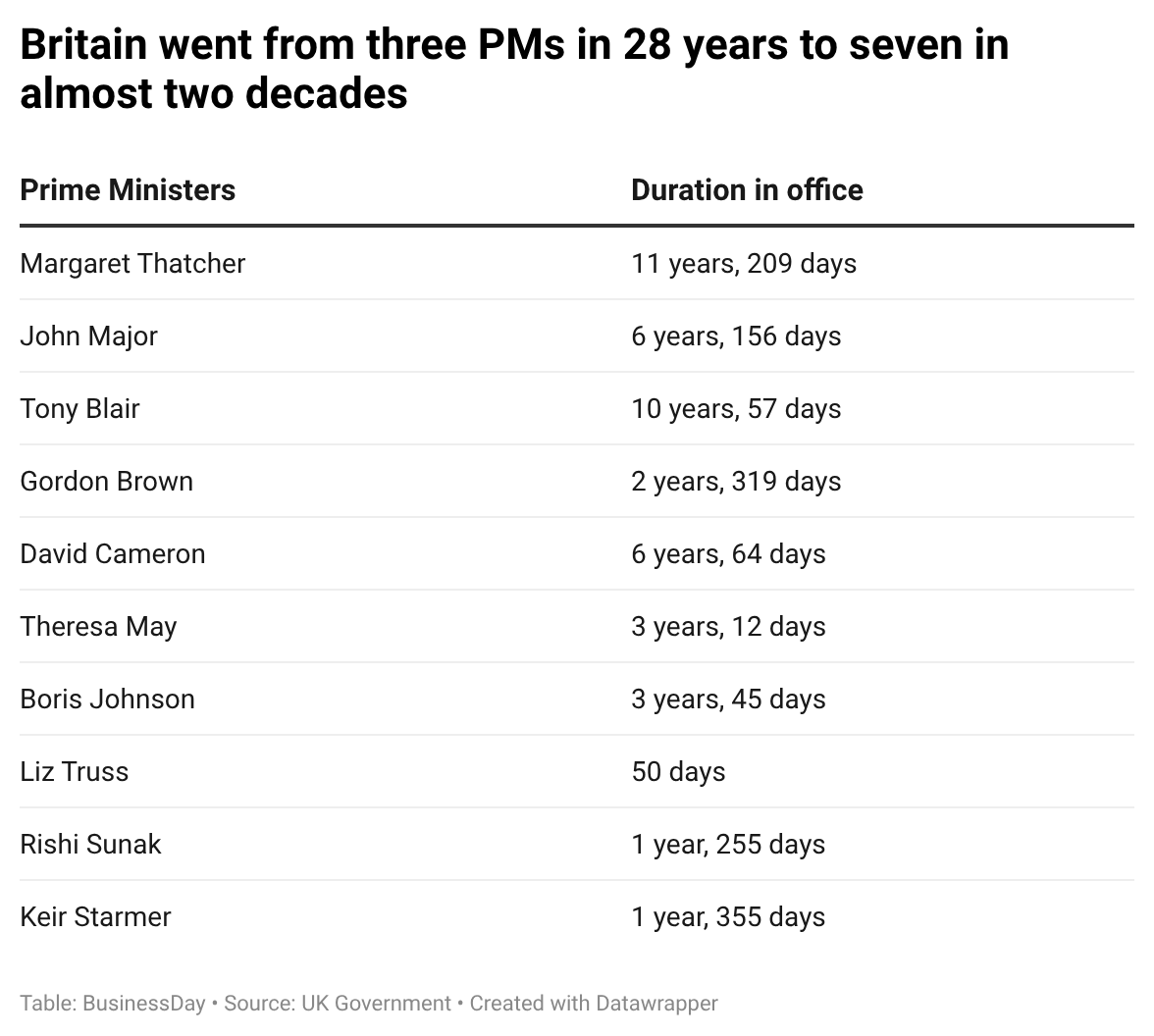
AFTER barely two years of leading the Labour Party to a landslide electoral victory, British Prime Minister Keir Starmer was forced to resign as prime minister and party leader on June 22.
Surprisingly, United States President Donald Trump had earlier predicted that Starmer would resign, citing his failures on immigration and energy policies as major reasons. Britain’s refusal to join the United States in the war with Iran also reportedly strained relations between the two allies.
It became increasingly clear from his mistakes and political missteps that Starmer and his party had lost public confidence. He failed to fulfil his promises of steady leadership, economic growth and relief from the rising cost of living.
Part of his political undoing was his controversial decision to appoint Peter Mandelson, a longtime associate of the convicted sex offender Jeffrey Epstein, as the United Kingdom’s ambassador to the United States despite concerns over security vetting in January 2025.