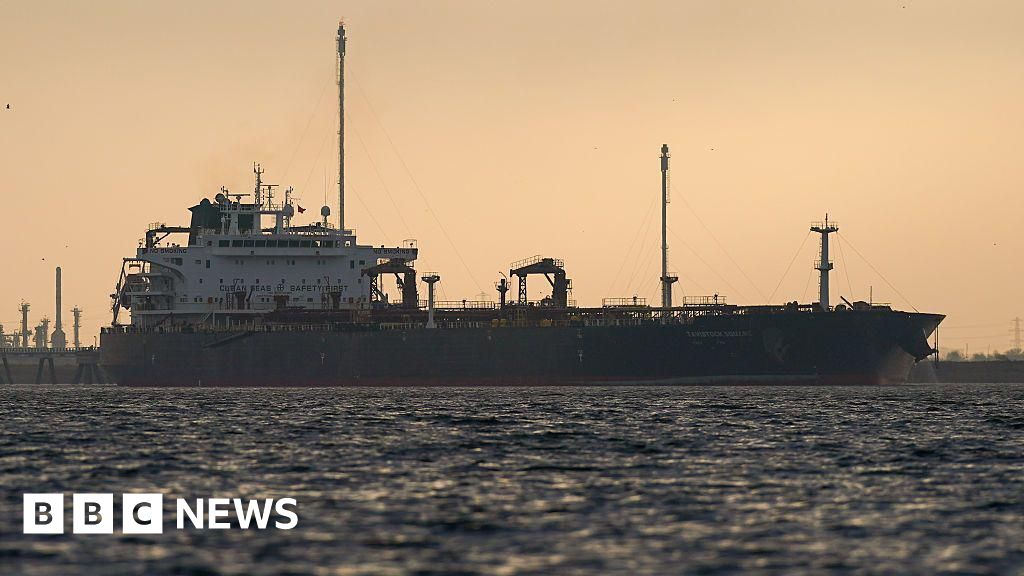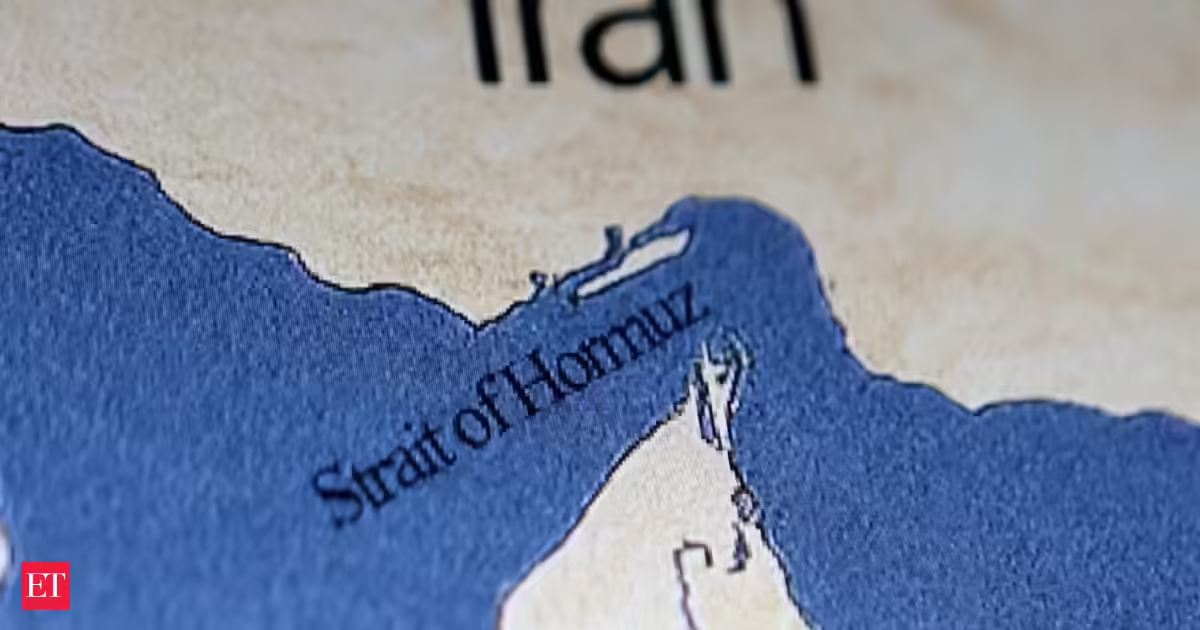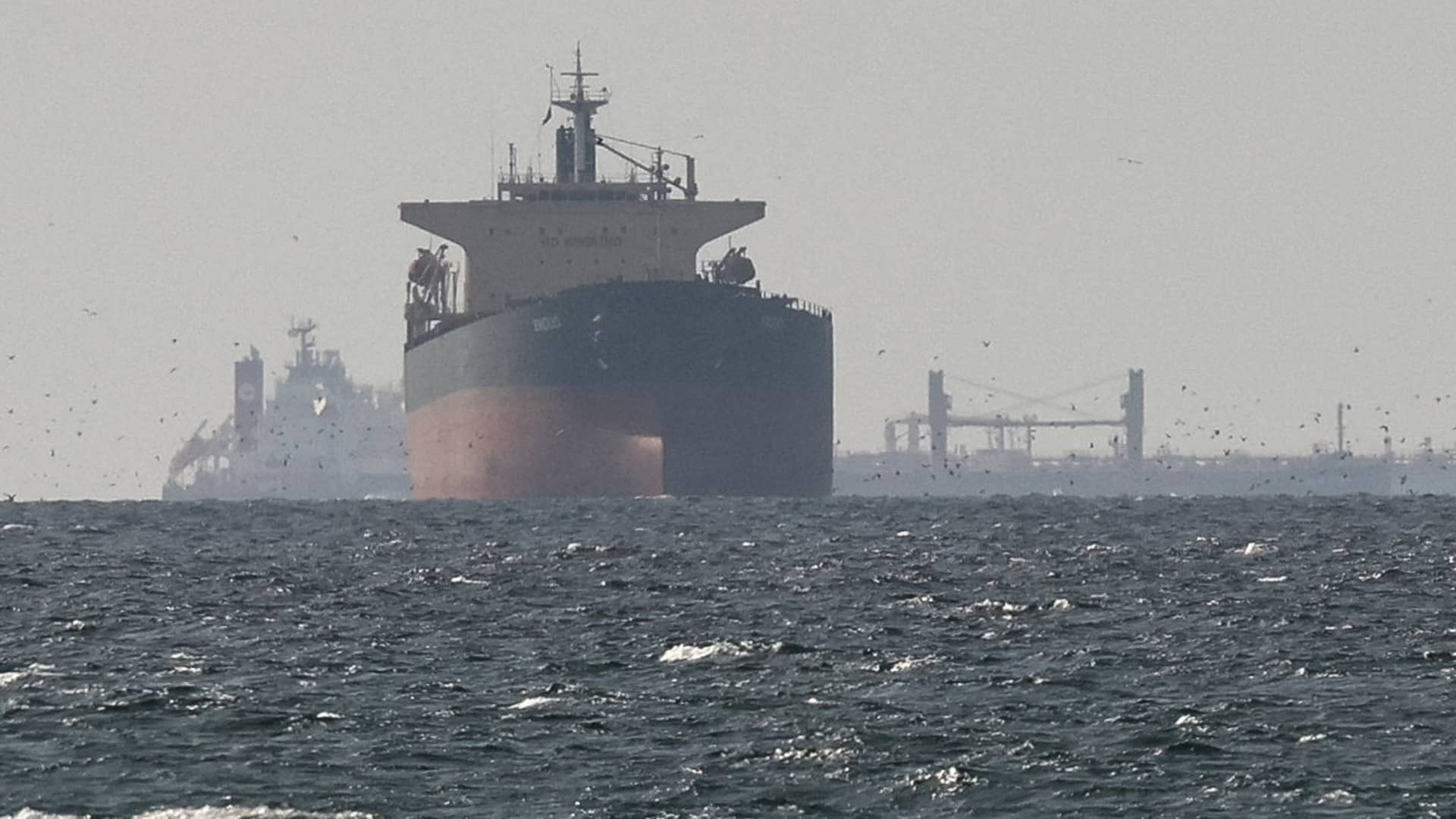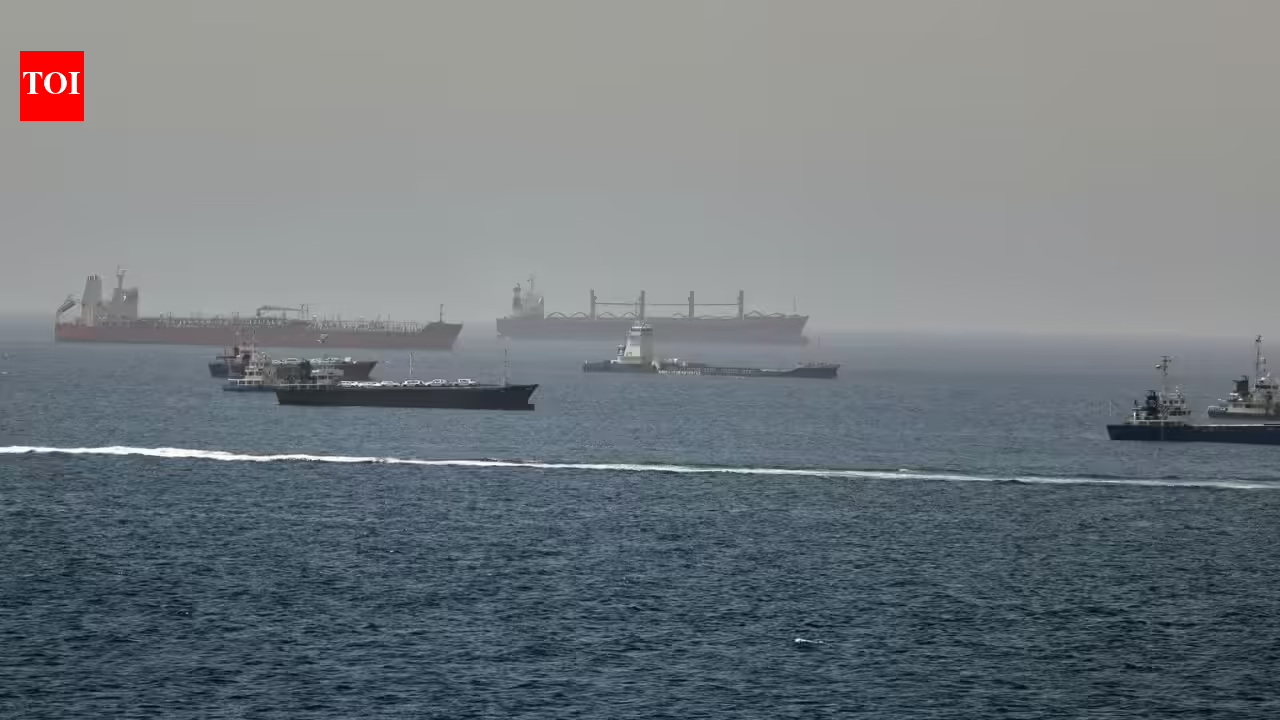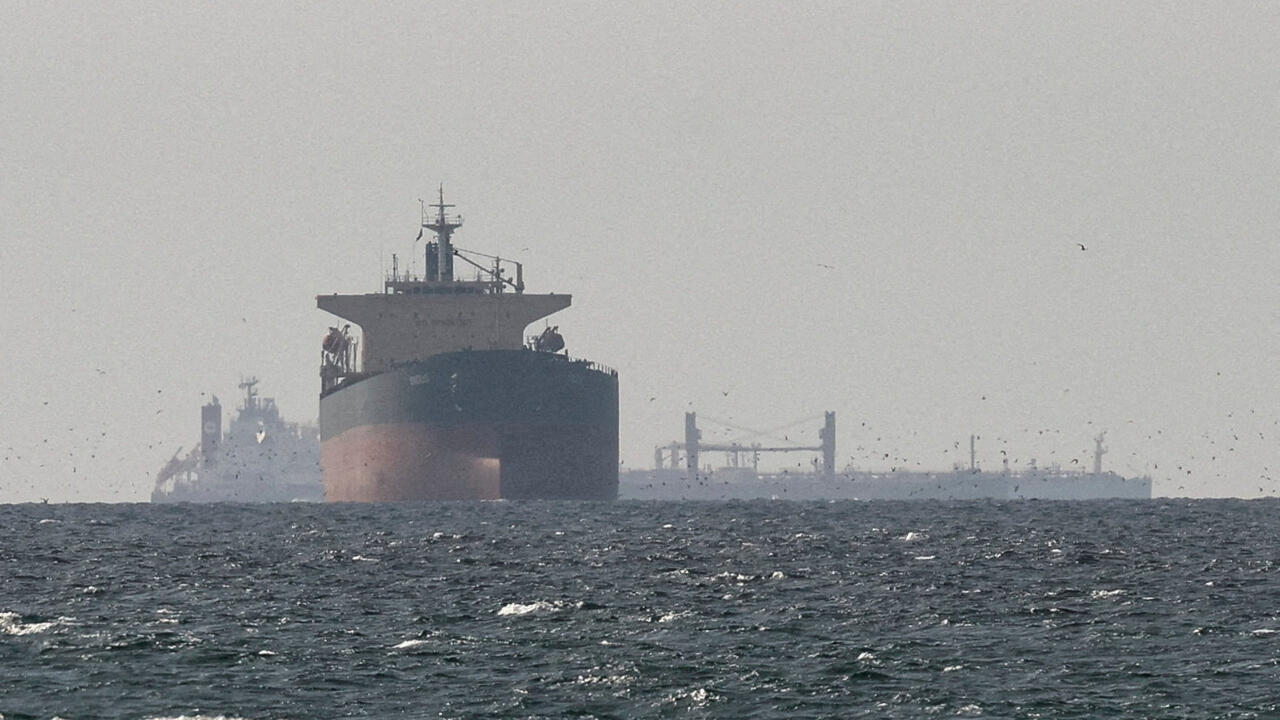
The hundreds of container ships clustered on either side of the Strait of Hormuz on Wednesday received a broadcast from the Iranian navy that brooked no discussion: any ships trying to pass through the narrow waterway without permission would quickly find themselves at the bottom of the Persian Gulf. The war may be on hold, but the passage is still shut. Tehran and Washington last night announced a two-week ceasefire just hours before US President Donald Trump’s declared deadline for Iran to re-open the Strait of Hormuz ran out. Negotiators from both sides will meet in Islamabad on Friday to work towards a lasting peace. Tehran had on Monday proposed a 10-point plan that it said would secure a permanent end to the war, which Trump has publicly judged a “workable” basis for talks. Trump later denied that these 10 points were those that had led to the ceasefire, saying that the conditions for a lasting peace would be hammered out "behind closed doors". Read moreHow Pakistan brokered a two-week ceasefire deal between Iran and the US Key among these 10 points is the apparent formalisation of Tehran’s de facto control of the Strait of Hormuz. Senior Iranian officials told the New York Times that the Islamic republic would impose a roughly $2 million toll on every container ship passing through the reopened waterway. More than 130 ships crossed through the strait every day before the war. Proceeds from this levy would be shared with Oman, which sits on the other side of the strait. Officials said that Iran’s share would go towards rebuilding the roads, rails, schools, hospitals and other infrastructure bombarded by the US and Israel since the end of February. Chokehold Tehran effectively blocked maritime traffic through the narrow waterway after the US and Israel attacked Iran at the end of February, killing 86-year-old supreme leader Ayatollah Ali Khamenei and a slew of other high-ranking military and political leaders. The Strait of Hormuz has become the cornerstone of Iran’s resistance to the US-Israeli assault. Roughly one-fifth of the world’s oil and liquefied natural gas exports pass through the narrow shipping lane. Days after the US-Israeli war on Iran began, Tehran grabbed that choke point and squeezed. Iran’s threat to fire on ships sailing through the strait without Tehran’s express approval has caused what the International Energy Agency says is the most severe supply disruption in the global oil market’s history, leading to soaring fuel prices and fears of wide-reaching economic turmoil. Watch moreOil prices fall after ceasefire deal as questions over Hormuz Strait linger If formalised, this toll would mean the continuation of Iran’s weeks-long practice of charging ships for passage through the strait. Long-running shipping journal Lloyd’s List reported in March that Iran’s Revolutionary Guards had effectively set up a “toll booth” in the strait, escorting vetted ships through the Iranian waters around Larak Island after ensuring they have no connection to Israel, the US or other countries that had aided or supported the war against Iran. It’s not clear how many of the dozens of ships that have passed through the strait over the past five weeks were required to pay the fee. A Lloyd’s List analyst last week said that there had been at least two cases of shippers paying Tehran for passage through the strait, and suggested that others may have made the journey free of charge following “diplomatic negotiations”. Countries including China, Malaysia, India and Egypt have all held discussions with Tehran on securing safe passage through the strait. A spokesperson for Iran’s Oil, Gas and Petrochemical Products Exporters’ Union told the Financial Times Wednesday that shipping companies would have to pay the Islamic republic a toll in cryptocurrency for every barrel of oil they shipped through the strait.
US-Iran ceasefire: Why Tehran wants to charge ships for crossing the Strait of Hormuz
As part of its 10-point proposal to end the US-Israeli war on Iran, Tehran is pushing for ongoing control over the vital Strait of Hormuz – including charging what officials suggest could be as much…
1,453 words~7 min read