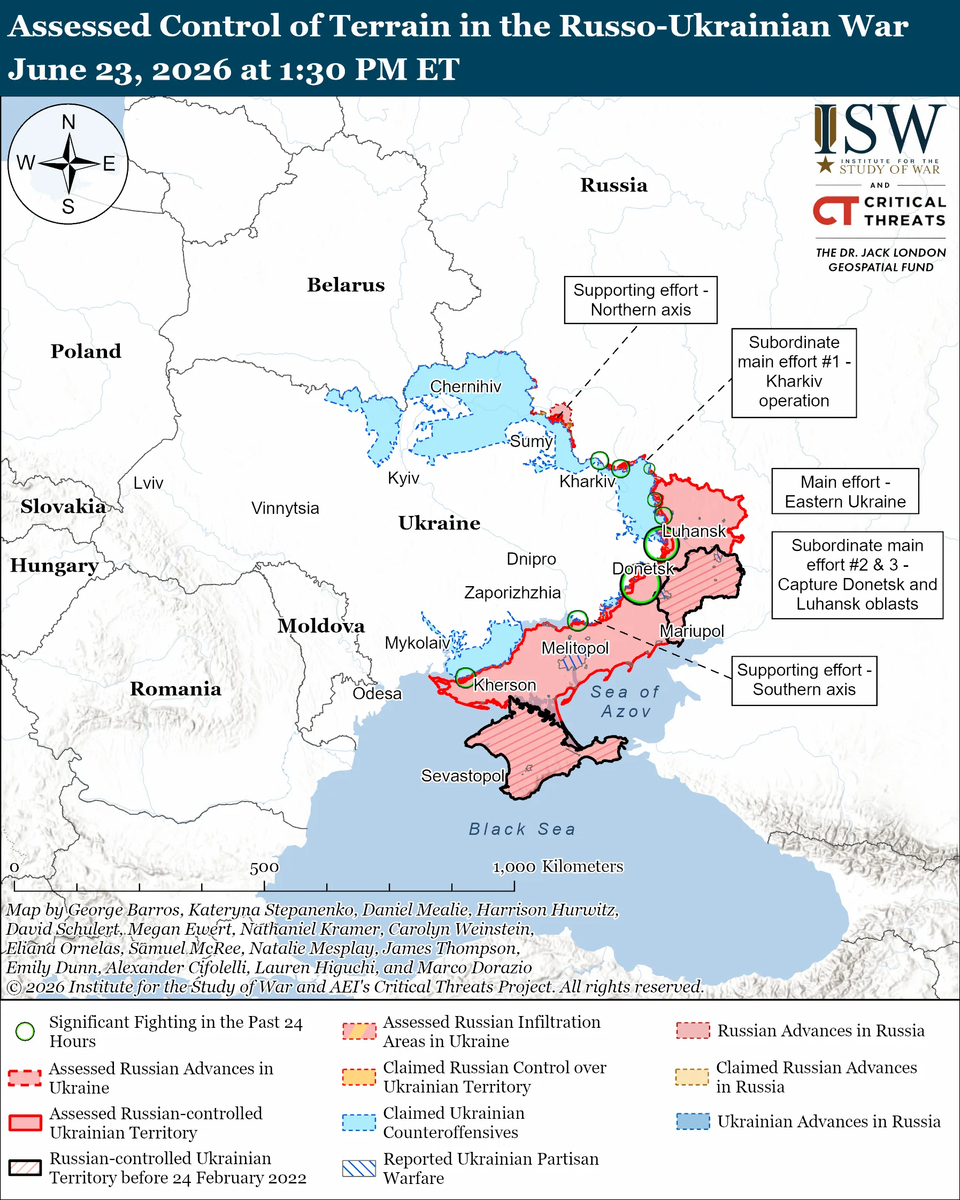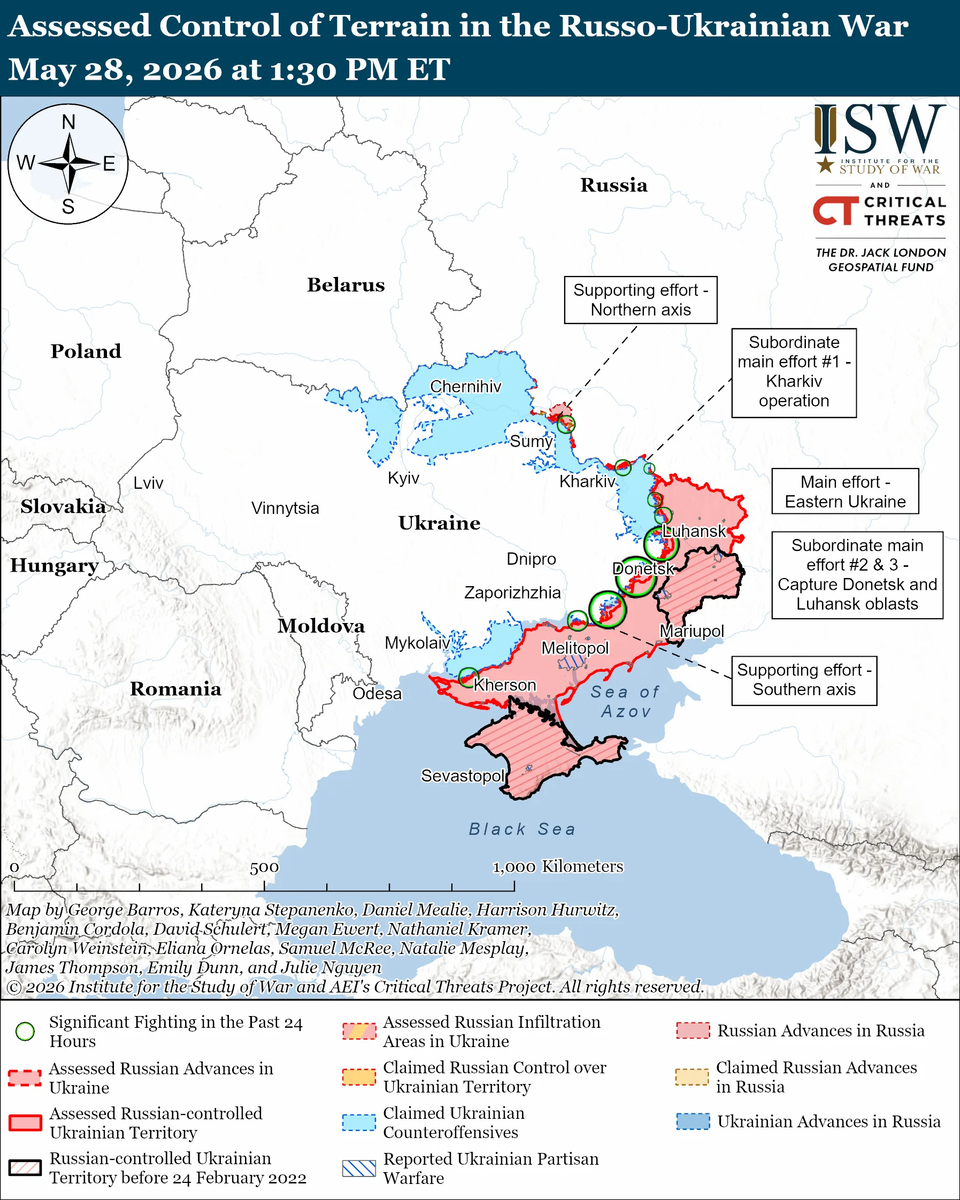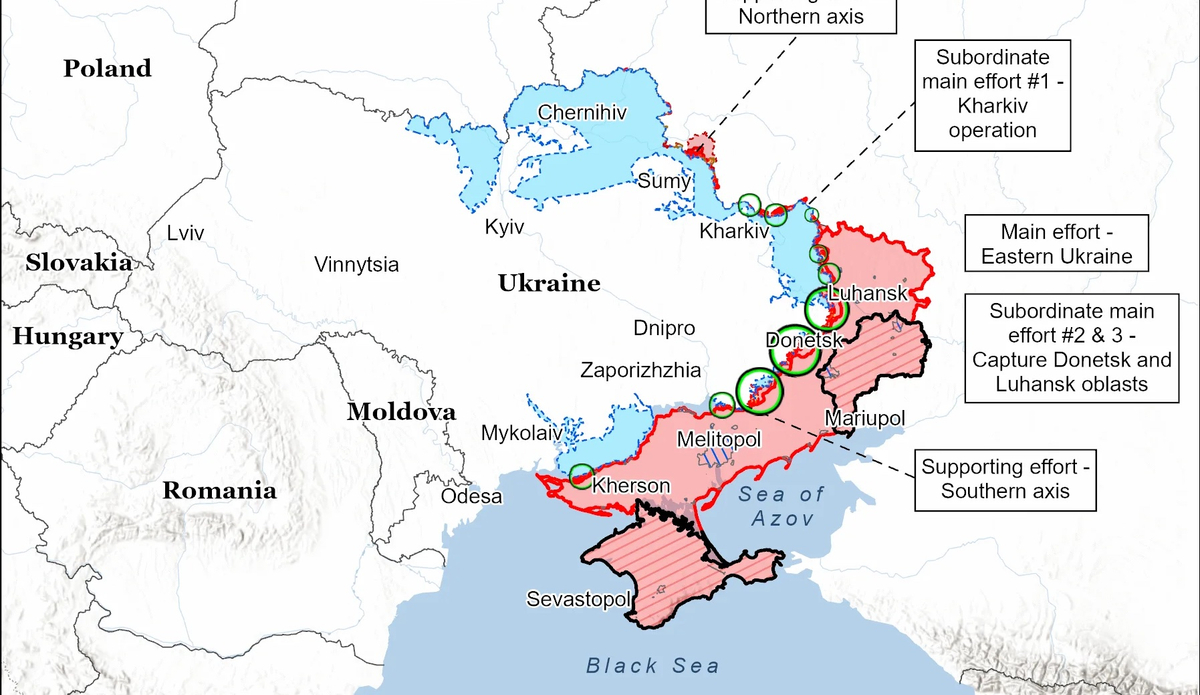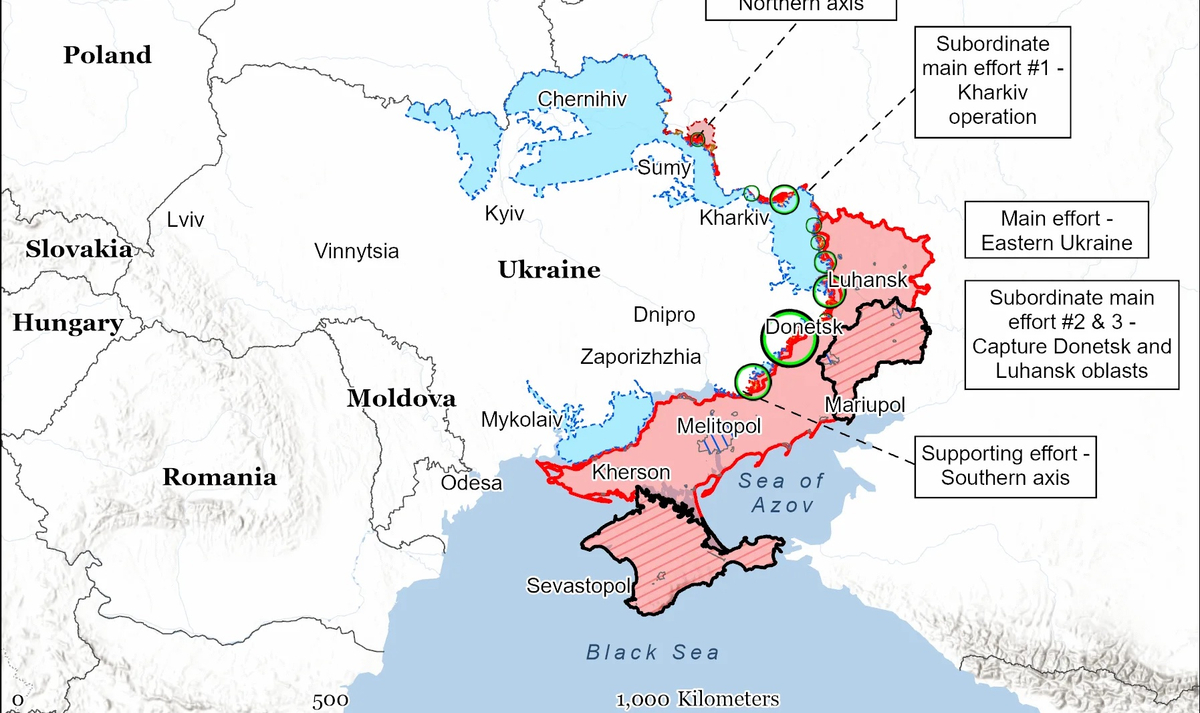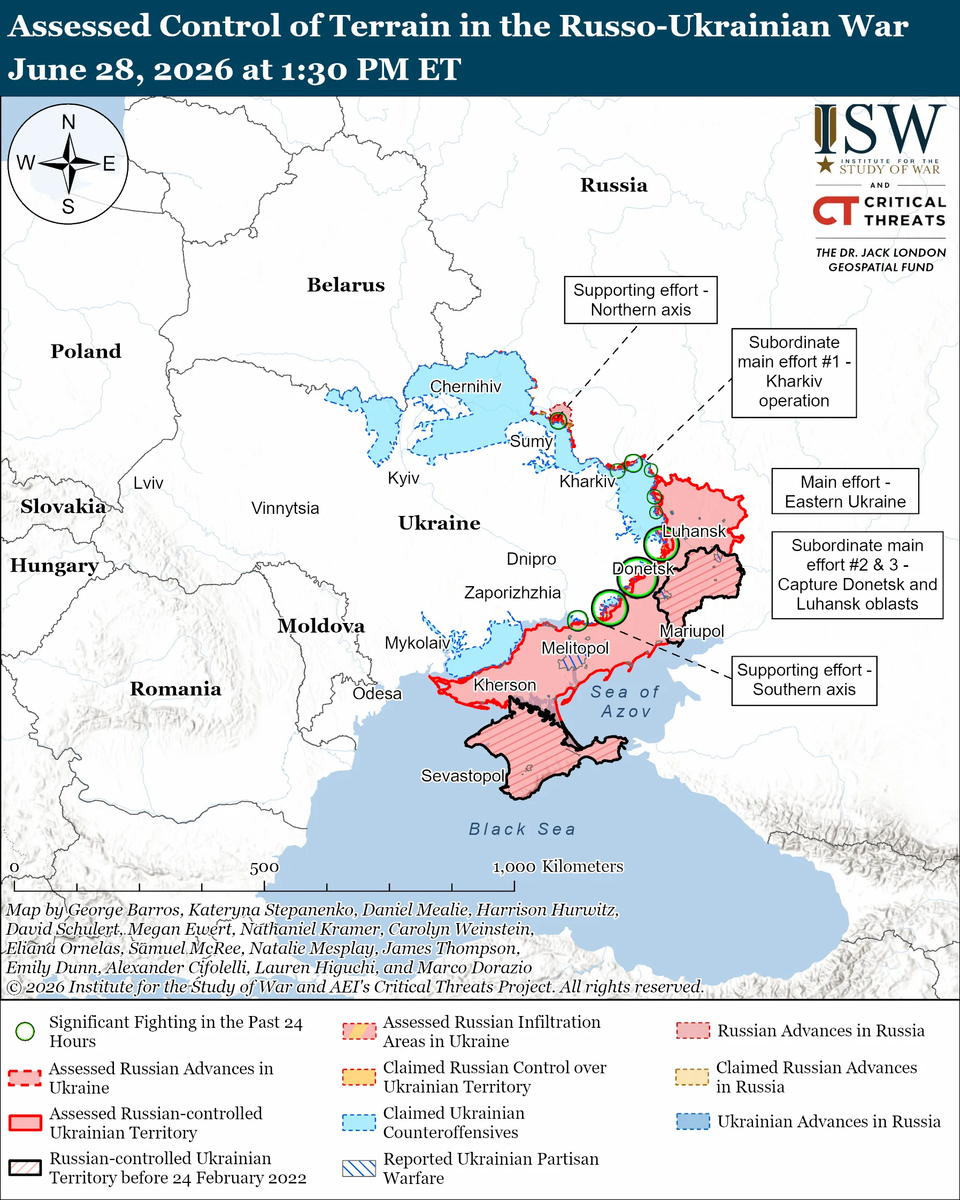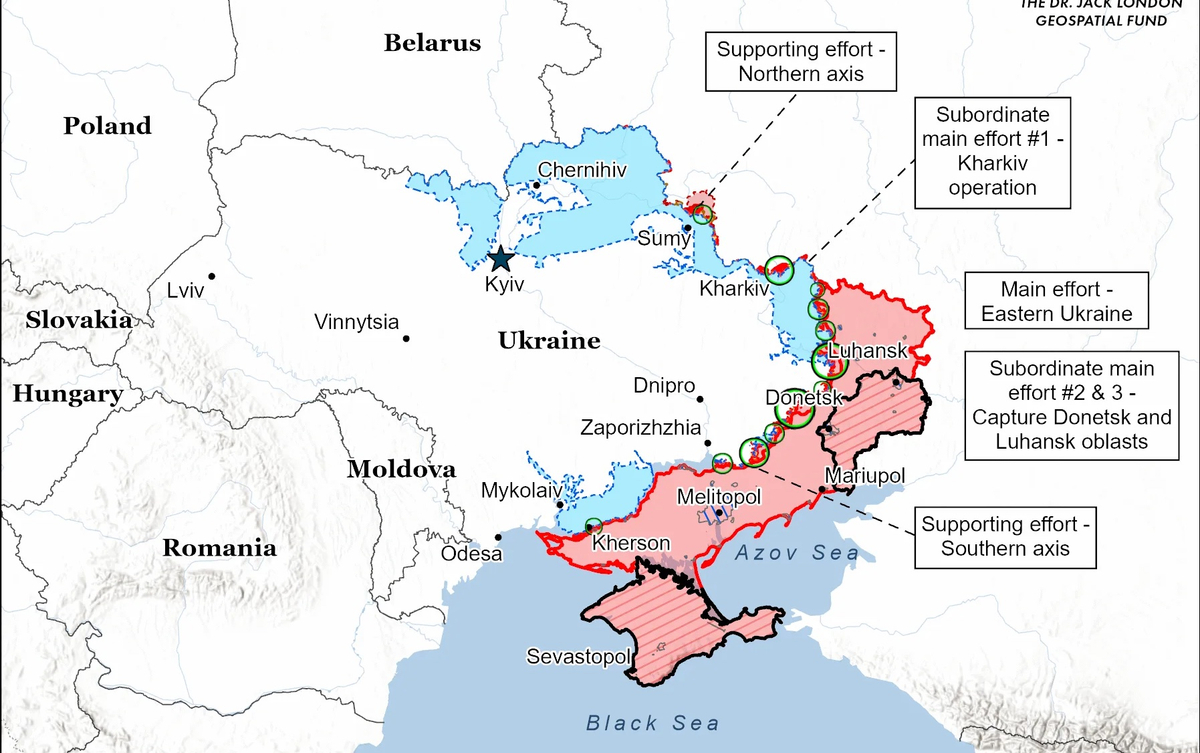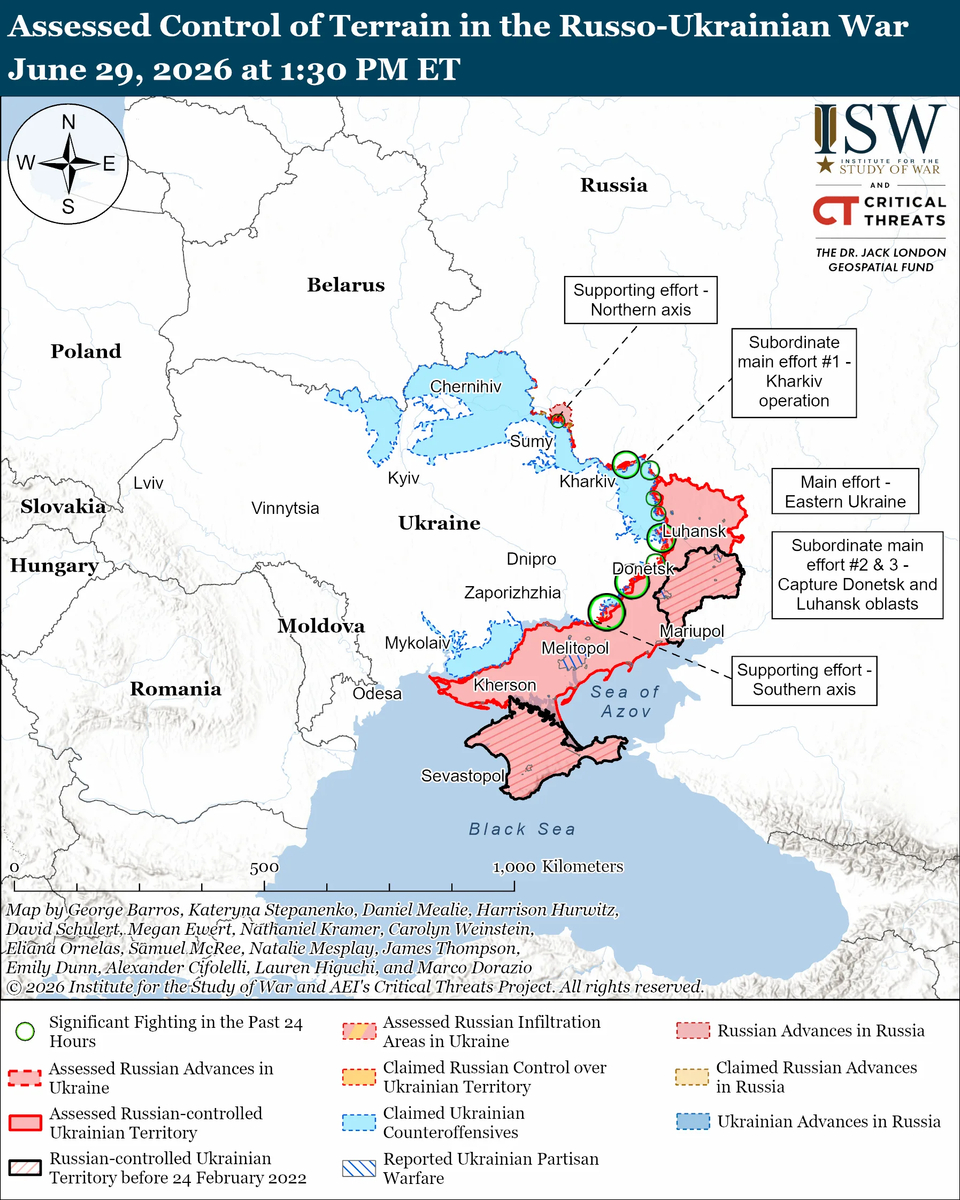
Key Takeaways from the ISW: Russian President Vladimir Putin is carefully constructing a reality that seeks to portray a Russian victory in Ukraine as inevitable while downplaying the growing domestic economic costs of the war. Putin appears to have accepted the reality that the August 2025 US-Russian Alaska Summit did not result in tangible or actionable diplomatic agreements. Putin implicitly rejected two recent Ukrainian ceasefire proposals that aim to bring about an end to the war, continuing to highlight his own intransigence to enter good-faith negotiations. Putin and other Russian officials continue to publicly show their commitment to Russia’s original war goals. Putin continues to make greatly exaggerated claims of Russian advances that do not match battlefield realities in order to construct a narrative of pervasive Russian military success. Putin’s exaggerated claims of advance aim to falsely paint Russia’s battlefield position as the same – if not better – than it was during the August 2025 US-Russia Alaska Summit. Putin is constructing this narrative of battlefield success in order to obscure the growing domestic strain Russia faces due to Ukraine’s long-range strike campaign. The Kremlin is uplifting coopted and loyal Russian milbloggers who can help Putin construct his controlled reality. Russian forces launched 108 drones against Ukraine overnight. Neither Russian nor Ukrainian forces made confirmed advances on June 29. JOIN US ON TELEGRAMFollow our coverage of the war on the @Kyivpost_official. See the original here.
ISW Russian Offensive Campaign Assessment, June 29, 2026
War in Ukraine - Latest update, key takeaways and map from the Institute for the Study of War on June 29, 2026
235 words~1 min read