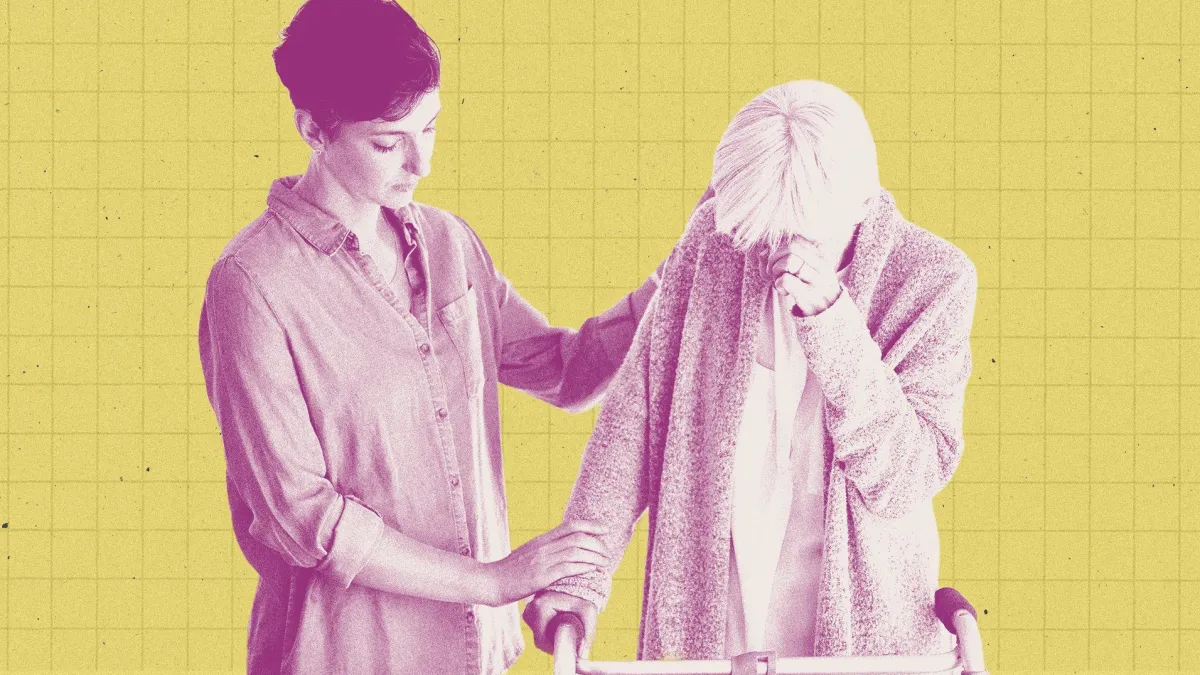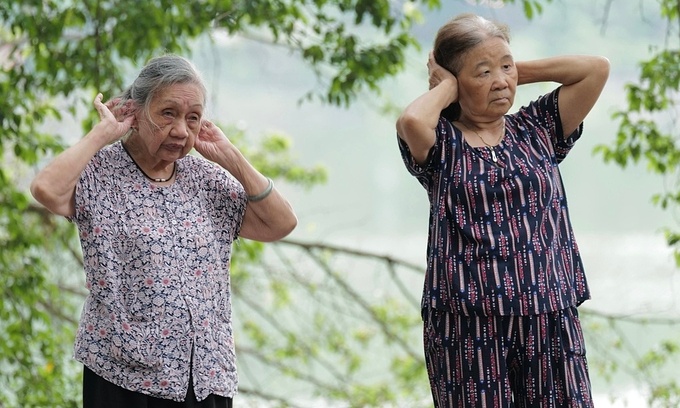
Vietnamese people think it is a given that their children and grandchildren will care for them in their old age. However, society has changed. Children move away for work, study abroad, or even settle in foreign countries. The multi-generational family model is gradually fading, while life expectancy in Vietnam has risen significantly.
This means that the period of life following retirement is growing longer, and the cost of maintaining a reasonably stable standard of living during this time is far higher than in the past.
A friend of mine has an older relative, a retired teacher, living in the north. He and his wife had three children: two sons and a daughter. After scrimping and saving to raise them until they all had families of their own, his wife passed away. The two sons lived and built their careers in Ho Chi Minh City. Having sold off his property to support his children, he lived a solitary life in a small apartment, visited occasionally by the daughter who lived in the same city. Then, one day, he suffered a stroke; although he was found in time, he was left with mobility and personal care difficulties. As a last resort, the children discussed the matter and decided to place him in a nursing home. They shared the monthly cost, which was double the amount of his pension.