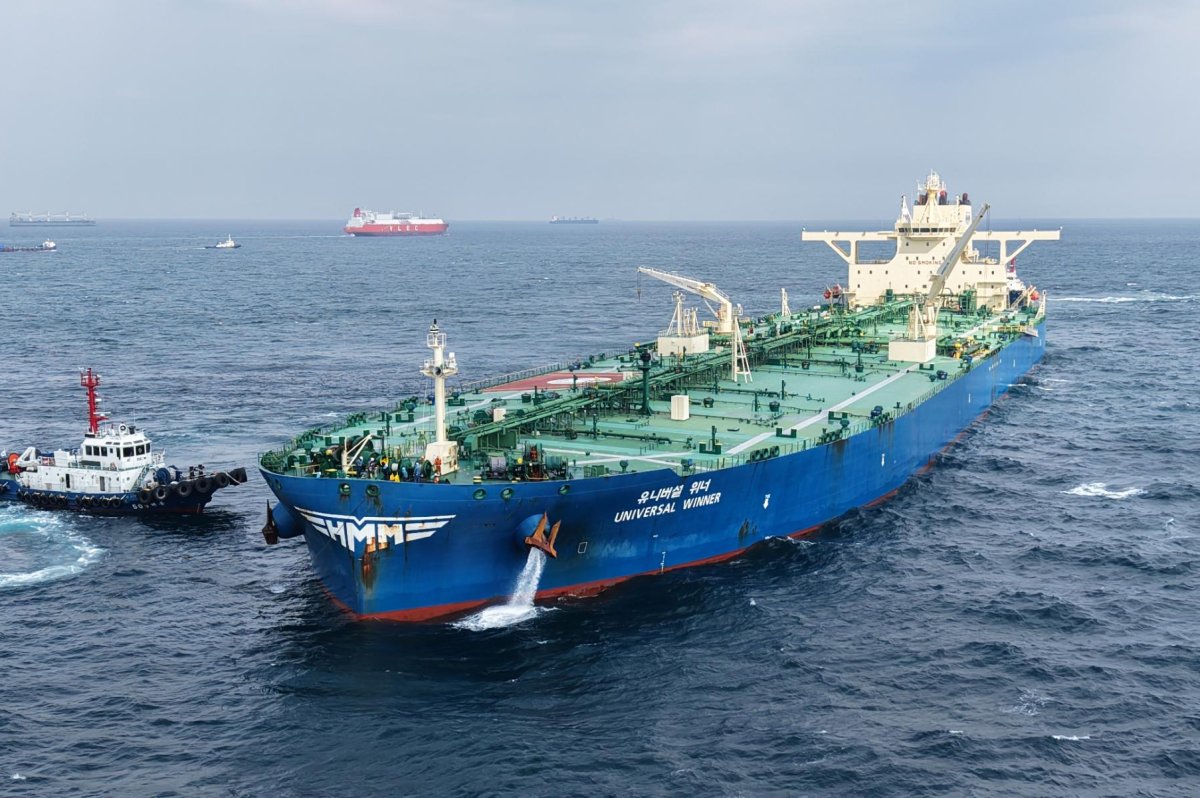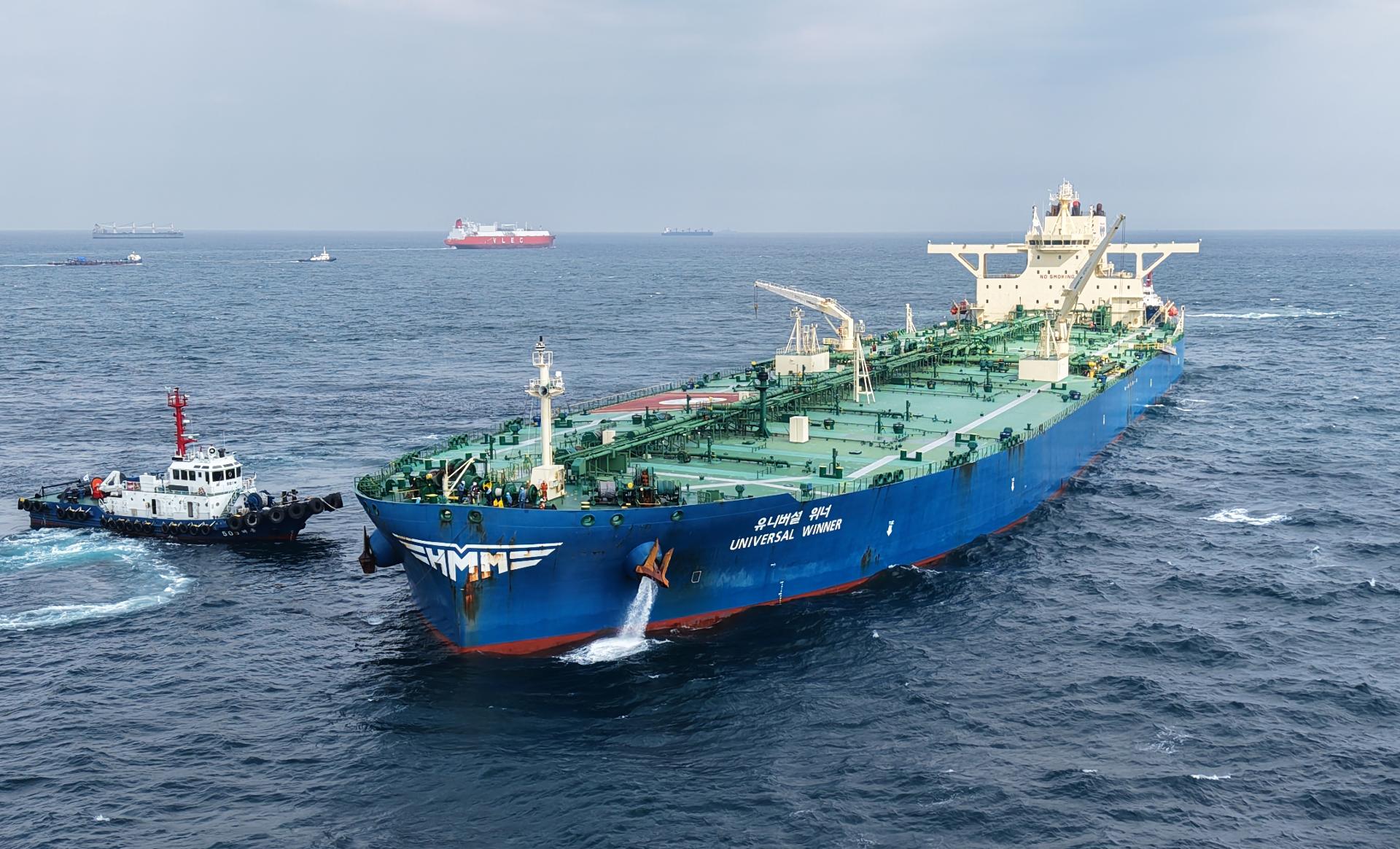
Twenty-four of the 26 South Korean-operated vessels trapped in the Strait of Hormuz have now exited the waterway, South Korean President Lee Jae-myung confirmed on June 30. Two ships remain behind, held up by repair complications and cargo issues, but the bulk of a crisis that had 137 Korean sailors stuck in one of the world’s most strategically sensitive passages is effectively over.
This is not a small deal. The Strait of Hormuz is responsible for approximately 70% of South Korea’s crude oil imports. Having two dozen ships locked out of that corridor was not just a maritime inconvenience; it was a direct threat to South Korea’s energy supply chain.
How 26 ships ended up stranded
The vessels were caught in the Strait of Hormuz as conflict between the US and Iran escalated, forcing the waterway to effectively close. At peak disruption, all 26 South Korean-operated ships in the area were stranded, with 137 Korean sailors aboard unable to proceed.
The first meaningful breakthrough came around June 26, when eight vessels departed, reducing the number of stranded ships to five. By June 30, one more had cleared, leaving only two still waiting.