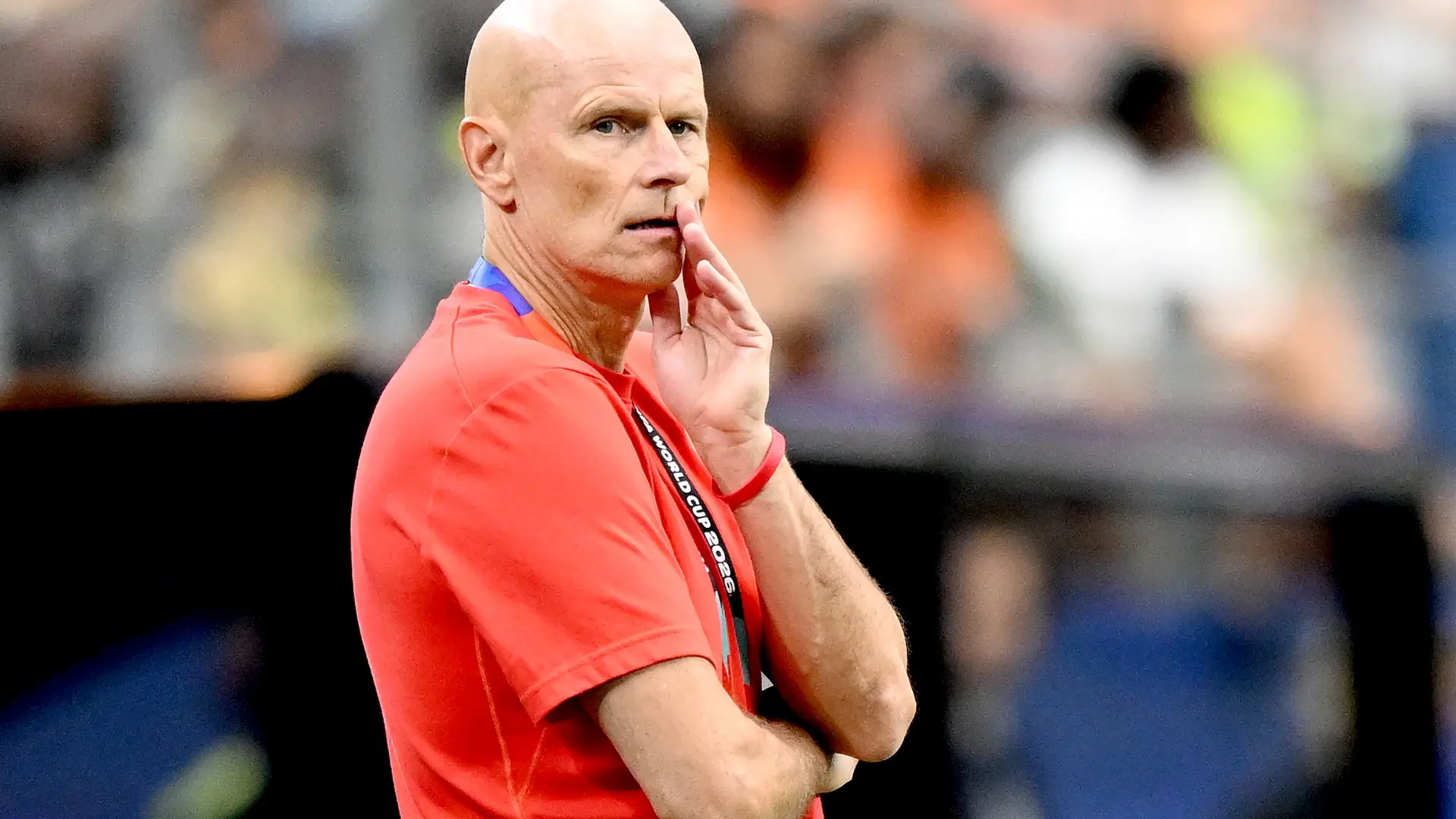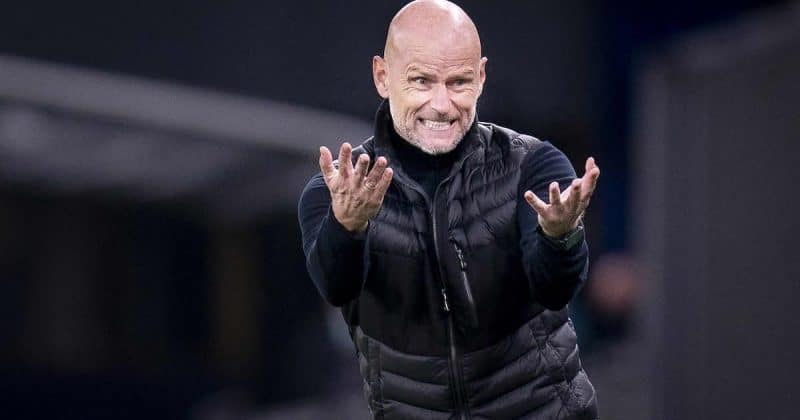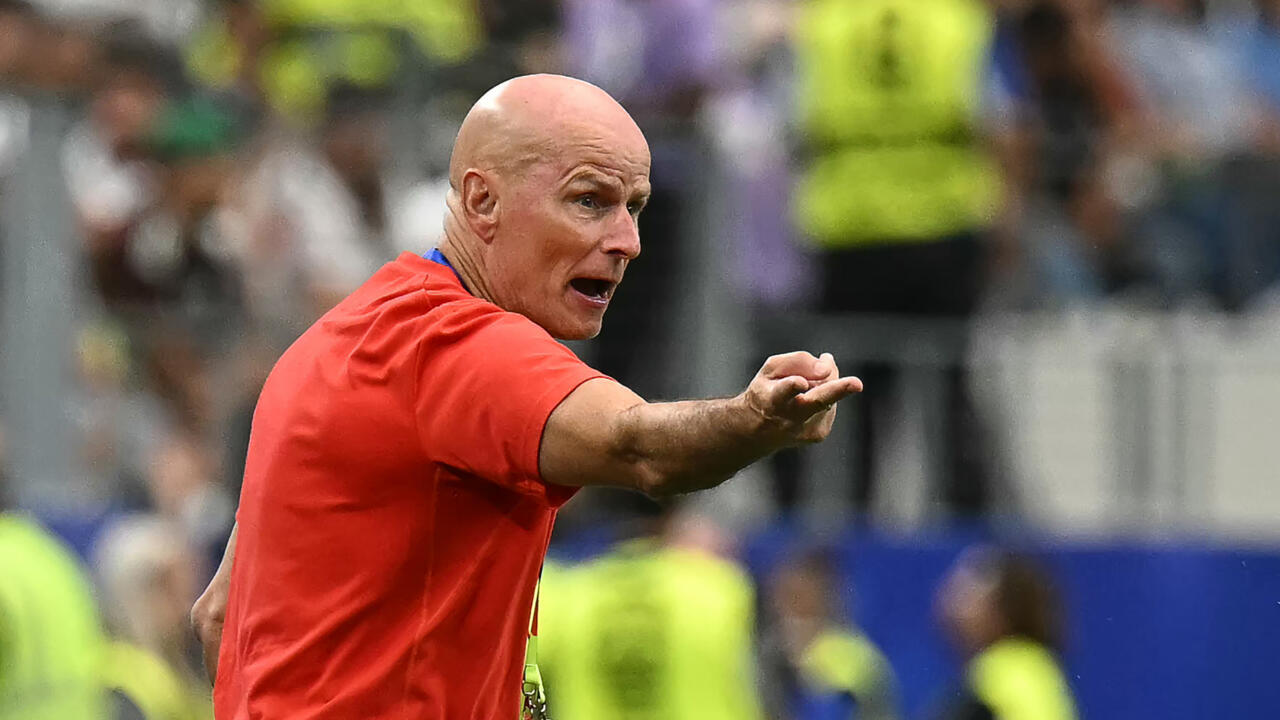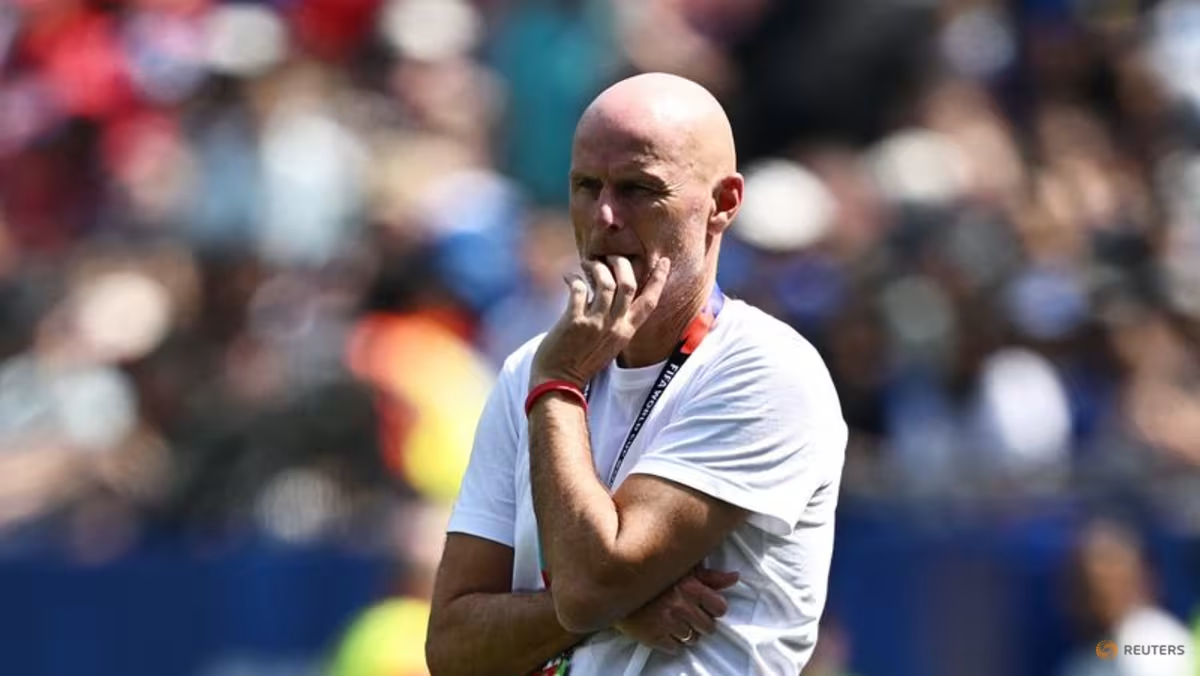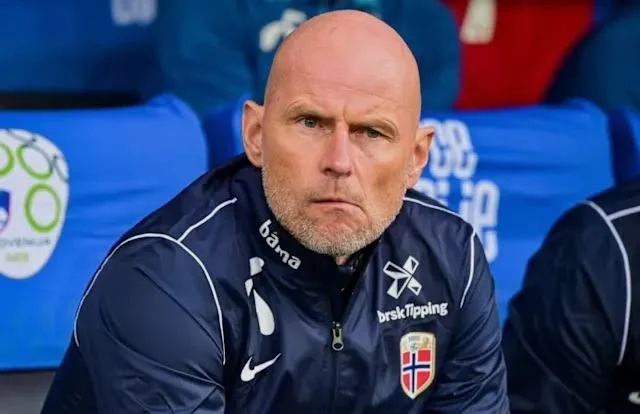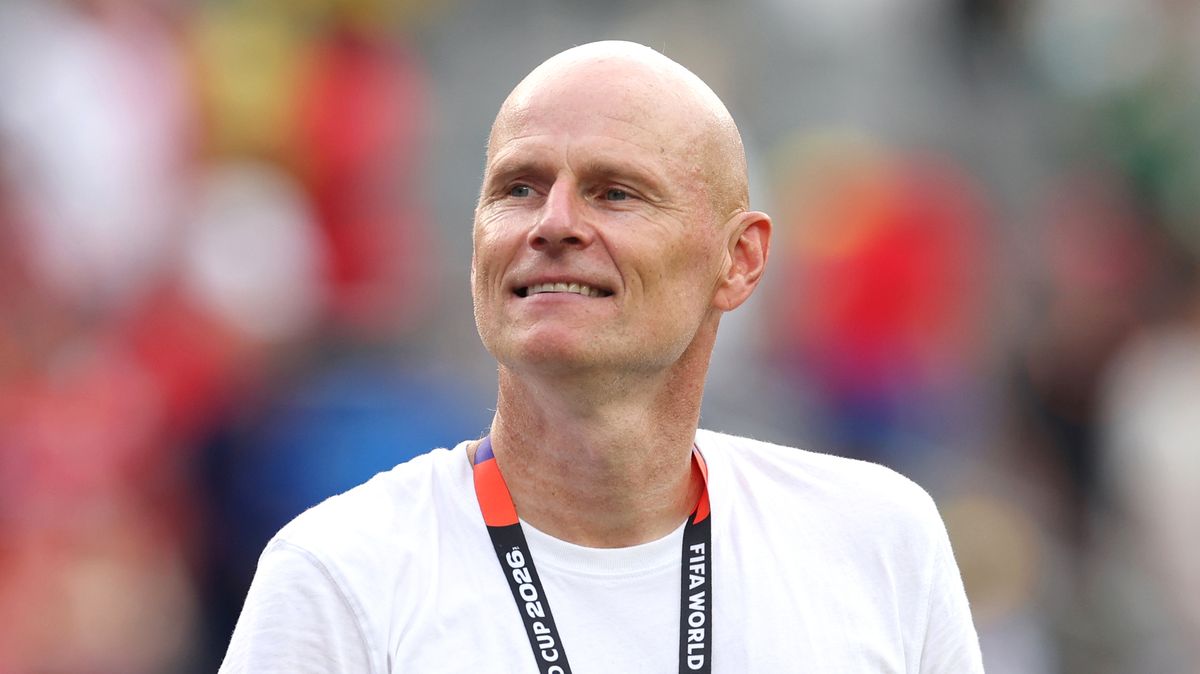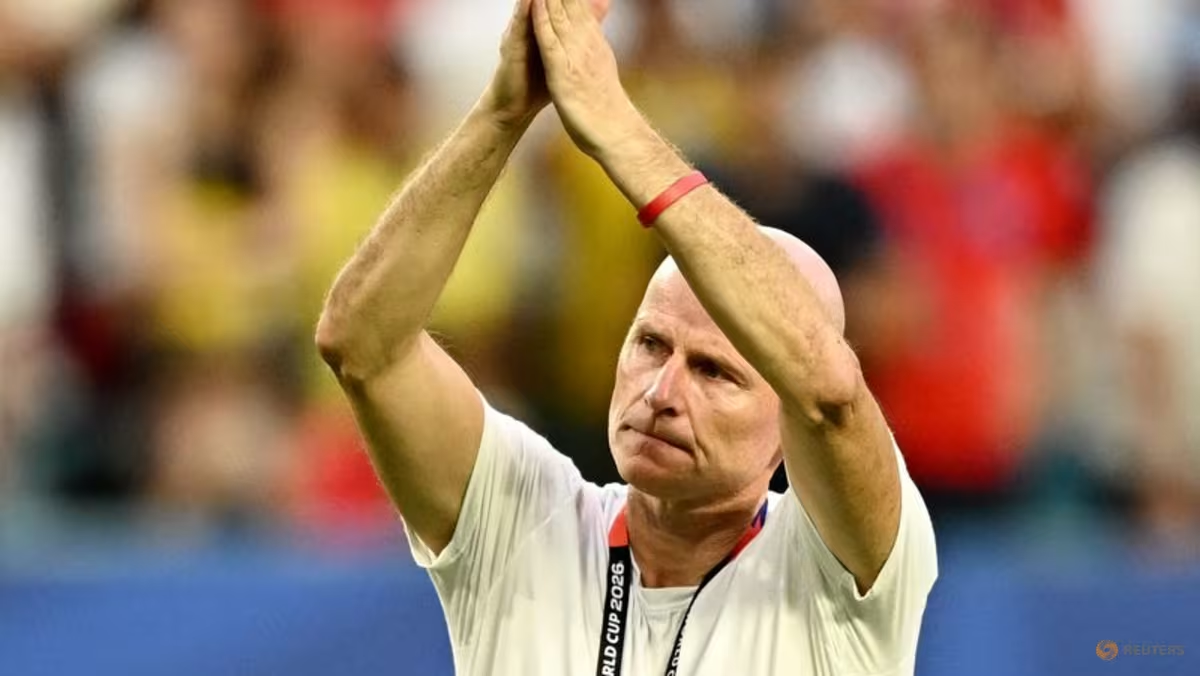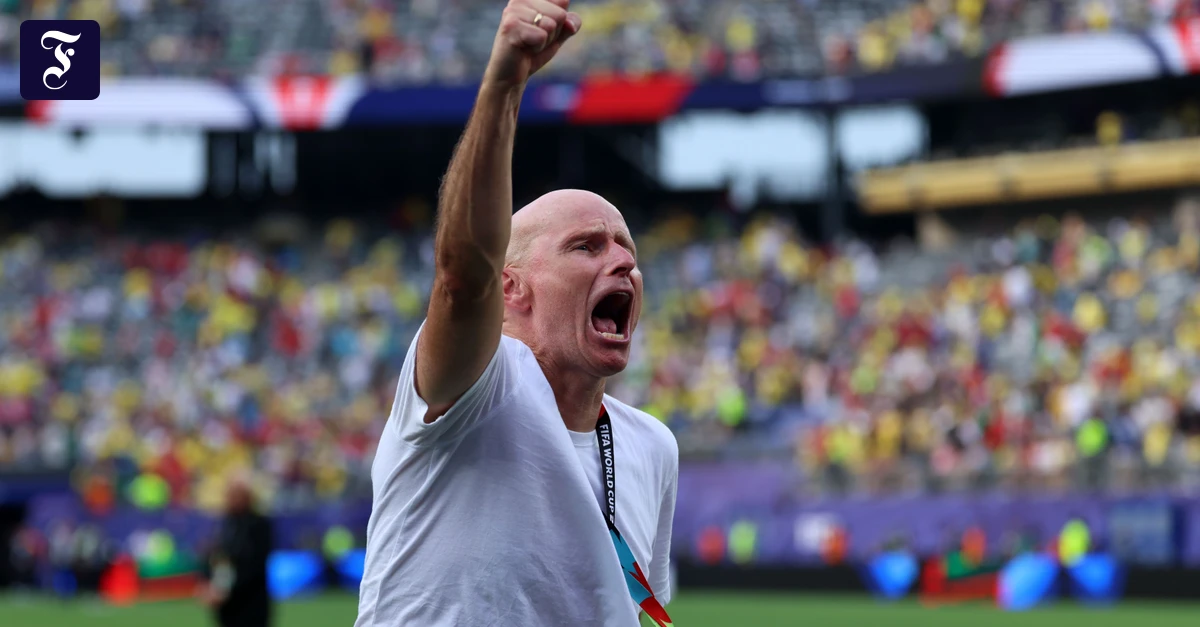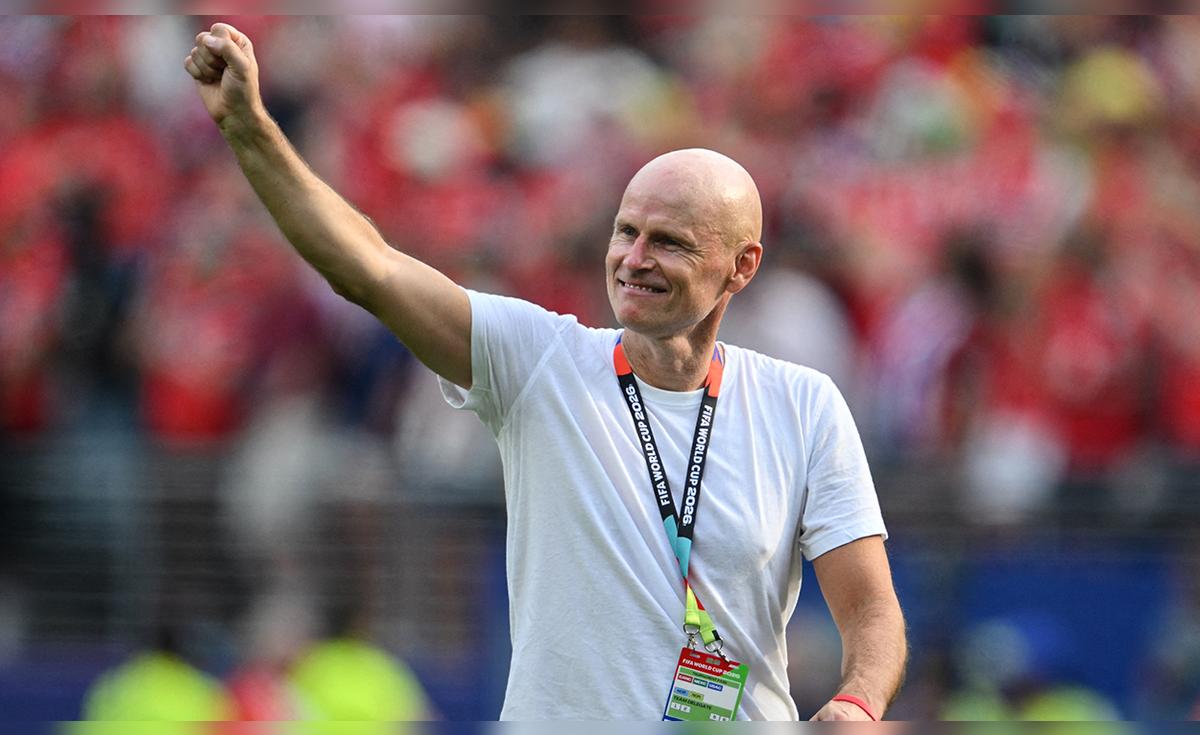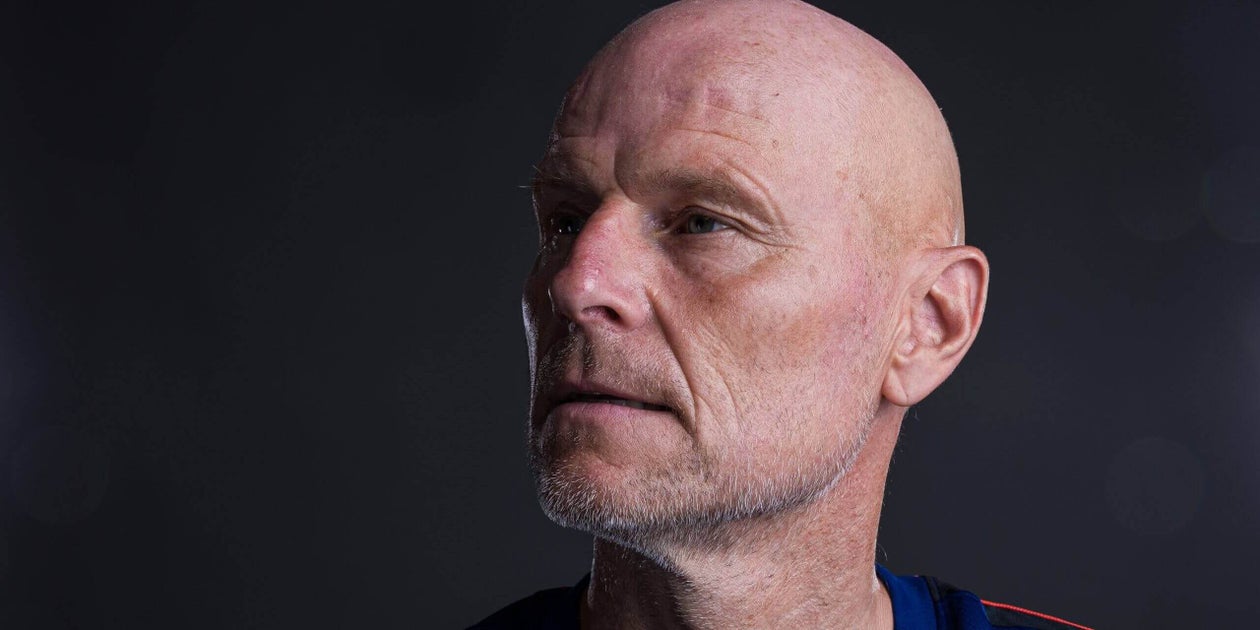
As Norway’s players and supporters celebrated with each other, their manager only had one person in mind to share the special moment with.Stale Solbakken instinctively clambered into the stands to greet his wife Anniken, the woman who has been by his side for more than 30 years, after a dramatic 3-2 victory over Senegal that secured Norway’s passage into the knockout stages of the World Cup.They embraced. They kissed. A viral moment ensued.Stale Solbakken kisses his wife Anniken after the win over Senegal (Fox Sports)Solbakken admitted later that he probably wouldn’t have done it had he stopped to think about what he was doing, but for a nation that had to wait 28 years for a World Cup appearance, it summed up feelings of elation and relief.The kiss also added another chapter to Solbakken’s eccentric career, which has seen drama, success and even near-tragedy. He twice failed during brief stints in England, both as a player and a manager, and was on the brink of resigning as Norway coach after getting nowhere in five years.He is also defined by a well-told story back home, of surviving a heart attack when he was just 33. This is no ordinary managerial backstory.March 13, 2001 was the date Solbakken’s life changed forever.Then a veteran midfielder for Copenhagen, who had played for Norway in the 1998 World Cup and at Euro 2000, he suffered a heart attack during training.Solbakken’s heart stopped beating for seven minutes. He was clinically dead. Only the intervention of team doctor Frank Odgaard, who massaged his heart while his distraught Copenhagen team-mates looked on, saved him.Solbakken was placed on a life-support machine in hospital and was unconscious for 26 hours. Meanwhile, club staff visited Anniken at home to share the awful news.“Yes, it was a dramatic experience but it was really worse for my family than for me because I didn’t feel anything,” Solbakken later said. “It was simply as if the lights went out.”Stale Solbakken played for Norway in the 1998 World Cup (Clive Brunskill /AllsportHe added: “My parents flew to Denmark straight away. I was told that on the plane my mum started planning my funeral. At first they worried whether I would survive, then whether my brain would be damaged. Those were the thoughts that tormented my family and team‑mates, who witnessed me collapsing, dying and being brought back to life.”It transpired Solbakken had been born with a heart defect. His life had been saved but his professional football dream was over and he was forced to retire. He also had a pacemaker fitted.“Something like that definitely changes some things,” Solbakken said a few years later. “I guess it is afterwards, when things have calmed down, that it has helped me differentiate between what is really important in life and what isn’t. I put everything into (my job) but I also know that there are other, more important things.”Solbakken swiftly moved into coaching and, after working with Norway’s under-18s, quickly earned success, first in Norway with second tier outfit HamKam who he took to fifth in the top flight.
Stale Solbakken might just have the most remarkable story of any World Cup coach
Norway's head coach has overcome a near-death experience and miserable experiences in England to lead his country at the World Cup
1,467 words~7 min read