Story audio is generated using AI
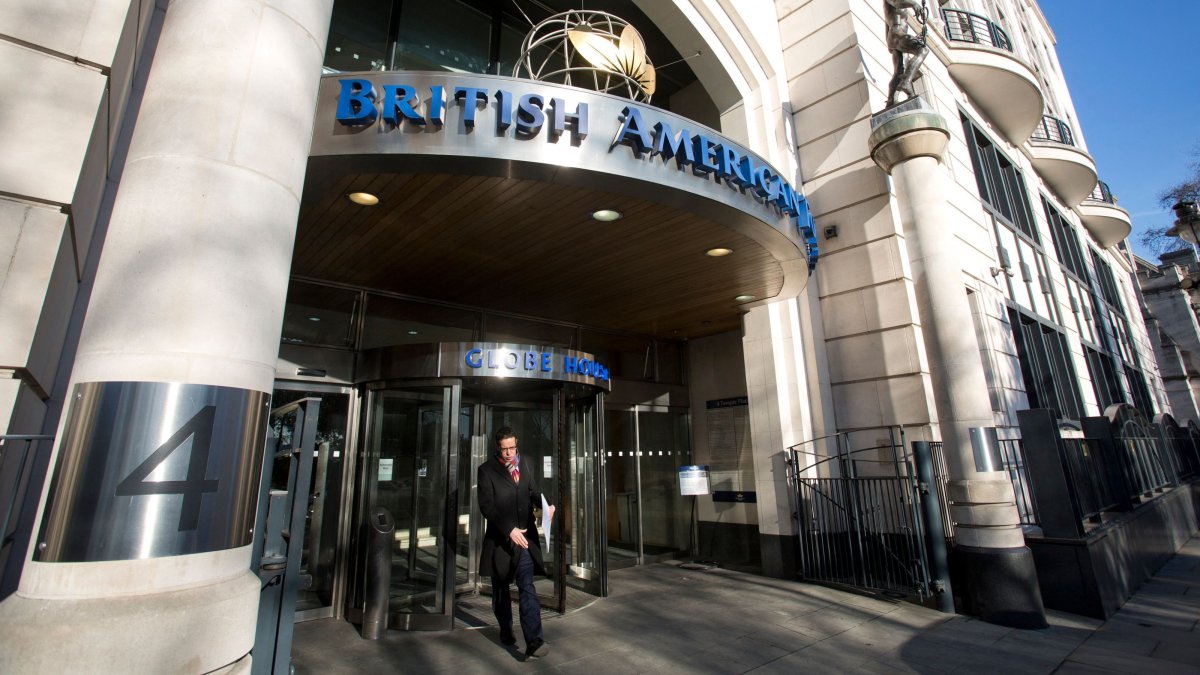
British American Tobacco’s (BAT’s) remaining South African staff may face a fresh round of job cuts over the next six months after the company announced plans to lay off about a fifth of its global workforce in an AI-driven productivity push.The local workforce is still reeling from the company’s decision in January to cease domestic production and shutter its sole manufacturing plant in the country by the end of this year, putting 35,000 jobs on the line.White collar, non-manufacturing staff have now been pulled into the tobacco behemoth’s restructuring plans, which will see it retrench about 9,000 workers in 2026.About 5,500 jobs are expected to be eliminated by the end of the year, while another 3,500 roles will shift to “strategic partners”, including consulting firm Accenture, said BAT.(Dorothy Kgosi) The group would not provide specifics on the estimated job impact in South Africa. The retrenchments will not affect the US, its biggest market.The group said it would hand over some of its information, digital and technology roles in Poland and Romania to partner firm ITC Infotech. It has already transferred certain service roles in Costa Rica, Mexico, Poland, Romania, Malaysia, the UK and Singapore to Accenture as part of a partnership formed with the consultancy last July.BAT had signalled in February that its new productivity programme, which is expected to deliver about £600m (R13bn) in annual cost savings by the end of 2028, could lead to job cuts.The group said at the time that the programme would simplify and automate some of its operations using data analytics and AI tools.“We are building a future-ready organisation that is more agile, cost-disciplined and technology-enabled,” said BAT CEO Tadeu Marroco. “These changes affect many of our colleagues and we are focused on supporting them through this transition with care and respect as we position the business for the future.”The firm said that most changes had been confirmed with employees and “those consultations that remain are being carried out in compliance with local information and consultation requirements”.The sweeping retrenchments mark the latest step in BAT’s aggressive restructuring plan, which has seen the company stepping away from South Africa in recent months.The overwhelming growth of illicit cigarettes, spurred on by the regulatory chaos of the Covid-19 lockdown, forced the company to close its Heidelberg manufacturing facility in January, resorting to imports to serve the South African market.The closure saw BAT book a £14m impairment on the South African plant in its latest annual report.It said at the time that illegal cigarettes had grown to account for three quarters of the overall market, making its factory operationally unsustainable. Just one month earlier, it had pulled the plug on its Mozambican operations for similar reasons.On a global scale, however, the cost cutting comes as BAT’s Velo nicotine pouches and Vuse vaping devices have shown steady growth in recent months, allowing it to win back investors as demand shifts away from traditional cigarettes.Reuters reported that the former brand now has the second-biggest market share in the US behind competitor Zyn, while revenue from BAT’s new products increased by double digits in the second half to end-December.Earlier this month, BAT upped its growth expectations for the smoke-free products business as steady demand helped grow sales beyond forecasts.