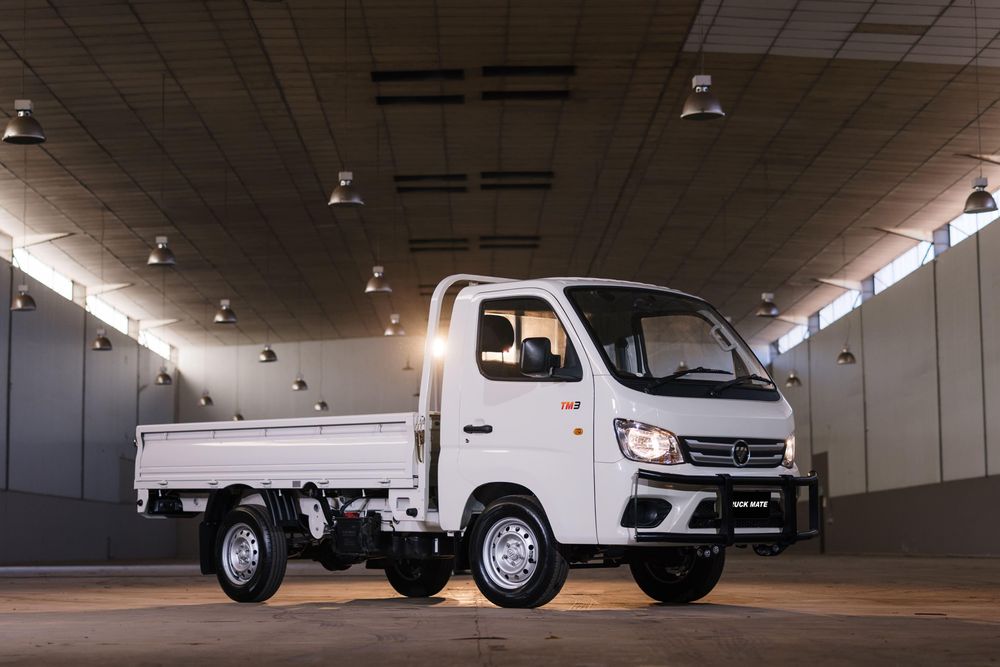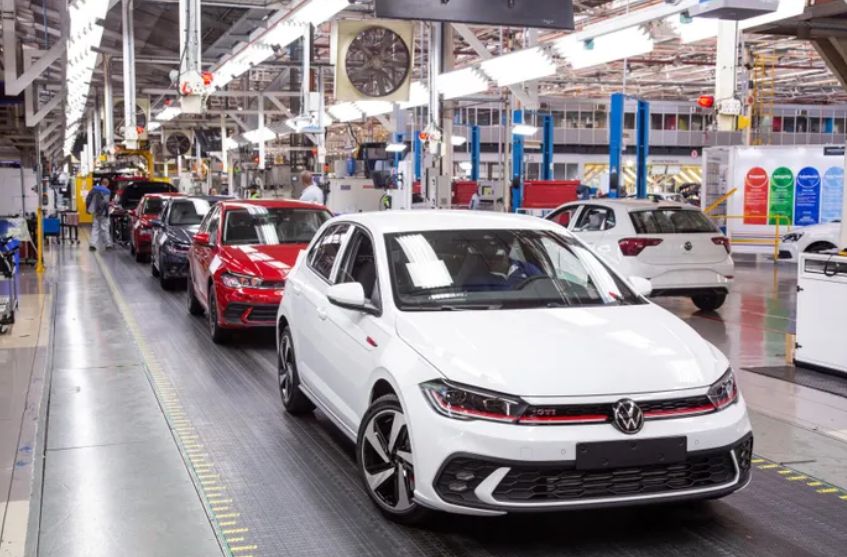
The South African Automotive Masterplan, which aims to boost domestic vehicle production, supplier development and job creation, has failed dismally in achieving its localisation targets, according to trade, industry & competition minister Parks Tau. The plan is under review, the outcome of which is eagerly awaited by the industry. The masterplan 2035 identifies localisation, the greater use of local content in the production process, as a key pillar of the programme, but Tau said that “there has been negligible and lacklustre performance” in terms of realising the plan’s goal of 60% by 2035. The minister notes in a written reply to a parliamentary question by IFP MP Thokozani Langa that in 2015 the local content in South African assembled vehicles was 38.7%. The Naamsa industry customs account for quarter three 2025 revealed local content at 38.1%. “More needs to be done to realise the set local content target by 2035, including localisation broadly. The review of the masterplan itself is underway to address some of the challenges,” Tau said. Langa wanted to know what measurable progress had been made on localisation, supplier development and job creation and the bottlenecks that existed in supplier finance, procurement and industrial upgrading. On supplier development outcomes, which Tau said were driven through the multistakeholder automotive supply chain competitiveness initiative (ASCCI), a total of 130 projects were completed under the world-class manufacturing programme in 2019–24 and 11 projects were completed under the black supplier development programme to enhance shop floor competitiveness of component suppliers. The primary mandate of the initiative ― a collaborative initiative between suppliers, original equipment manufacturers, the government and labour ― is to co-ordinate supply chain development activities within the automotive industry to develop local supply chains. Regarding job creation outcomes of the plan, the minister noted that the South African automotive sector employed about 115,000 workers while the entire automotive value chain ― including the retail motor trade, aftermarket services and distribution ― supported more than 500,000 jobs across about 23,000 ventures. “In terms of the department of trade, industry & competition incentive branch database, from 2021 to March 2026, the automotive investment scheme grant had created 25,889 jobs and retained 59,224 jobs. This happens at the back of R50.5bn actual investment by the industry during this period,” Tau said. He acknowledged, however, that during this same period some automotive companies retrenched workers due to decreased demand, fierce competition and the impact of geopolitical tensions. The minister said it was “obvious” that there were bottlenecks in supplier finance, procurement and industrial upgrading, largely due to the original equipment manufacturers operating in South Africa as well as their first- and second-tier suppliers being foreign-owned. This meant, he added, that their decision-making regarding procurement, industrial upgrading and finance was centralised in their offshore headquarters. “Through the revised legislation and amendments in the Public Procurement Act, which will soon come into effect, we intend to designate certain products in the automotive sector, such as buses, motor vehicles and yellow equipment, for minimum local content thresholds for tenders at all spheres of government, including the state-owned organs. This will result in the deepening of local value addition and local procurement,” Tau said. Industry comment will be added when provided.
Failure: Why SA’s car industry cannot hit local-content targets
Naamsa puts local content at 38%, with Parks Tau saying automotive masterplan has fallen short by this measure
534 words~2 min read