New research challenges Brussels to rethink Europe's protein strategy
Europe could slash its dependence on imported soy within the next decade, but only if it is willing to tackle some of the farm sector’s biggest political taboos – embracing food innovation and eating less meat, a new report says.
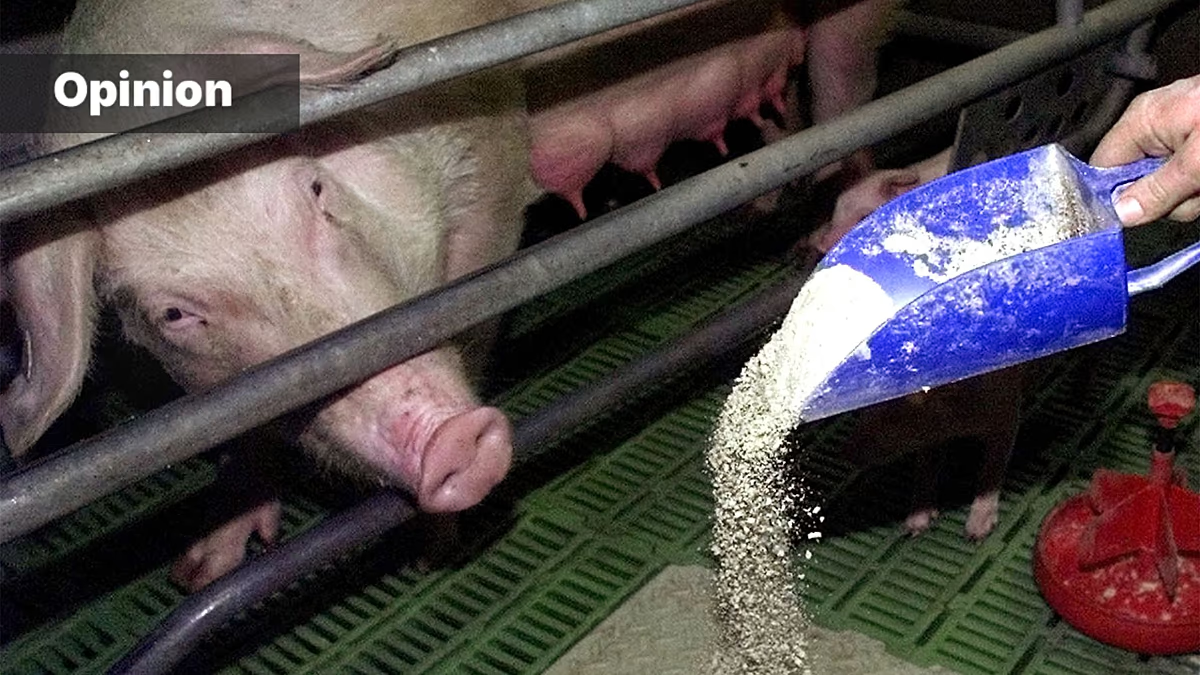
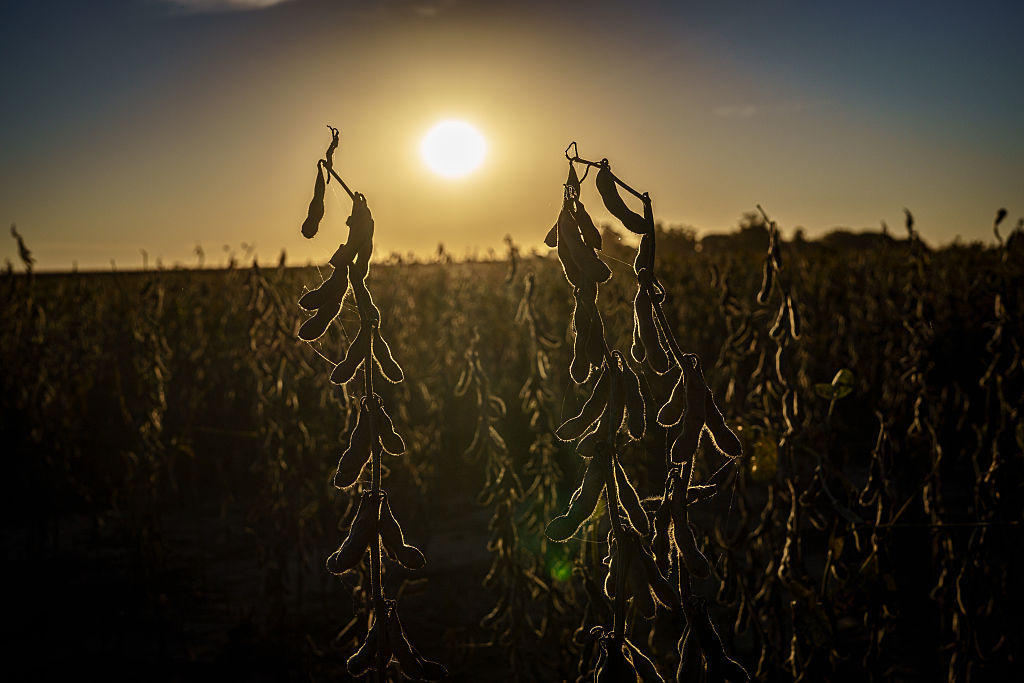
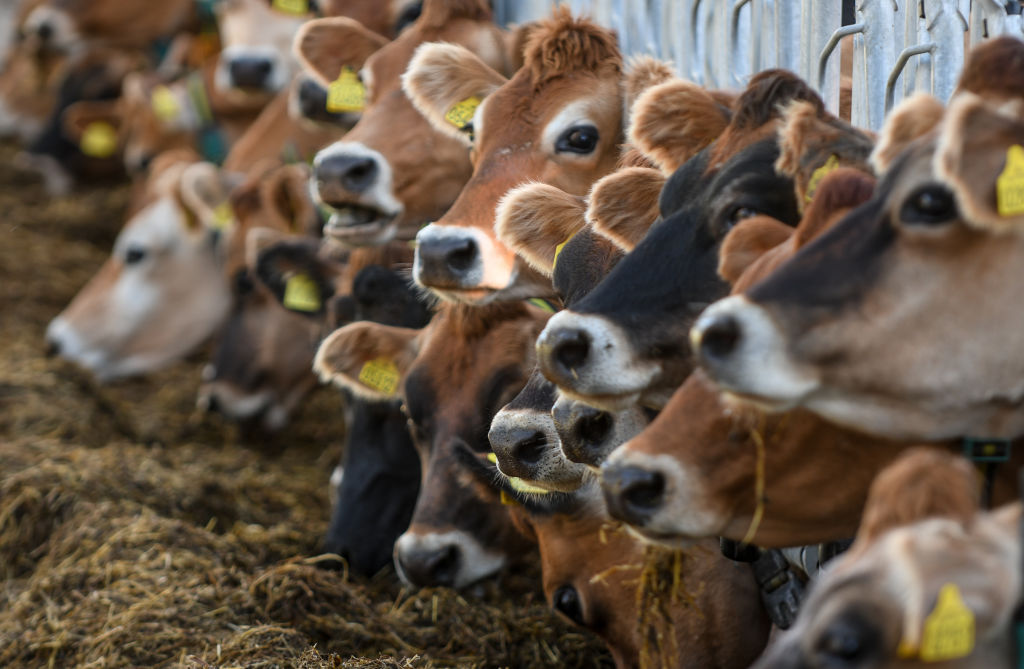
The EU produces just 9% of the soy protein it consumes, importing the remaining 91%. Brazil, Argentina and the US account for 86% of those imports, which are mainly used as feed for the bloc’s livestock sector.
According to a report published by NGO The Protein Project – with contributions from researchers from the French think tank IDDRI, the European Policy Centre (EPC) and KU Leuven – Europe’s reliance on imported soy has become a strategic vulnerability for food security, but hasn’t been addressed in the same way as dependencies on energy or critical raw materials.
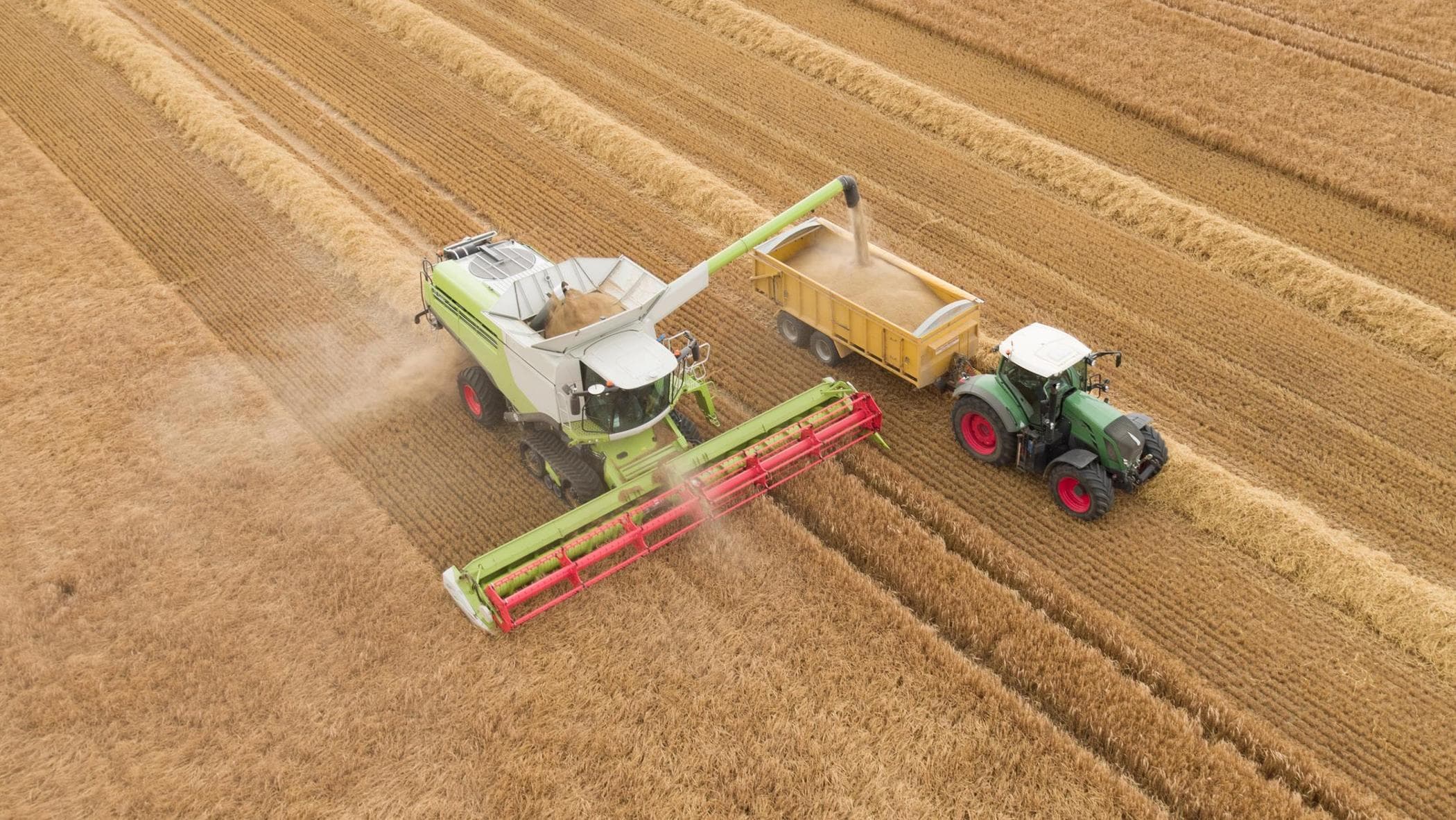
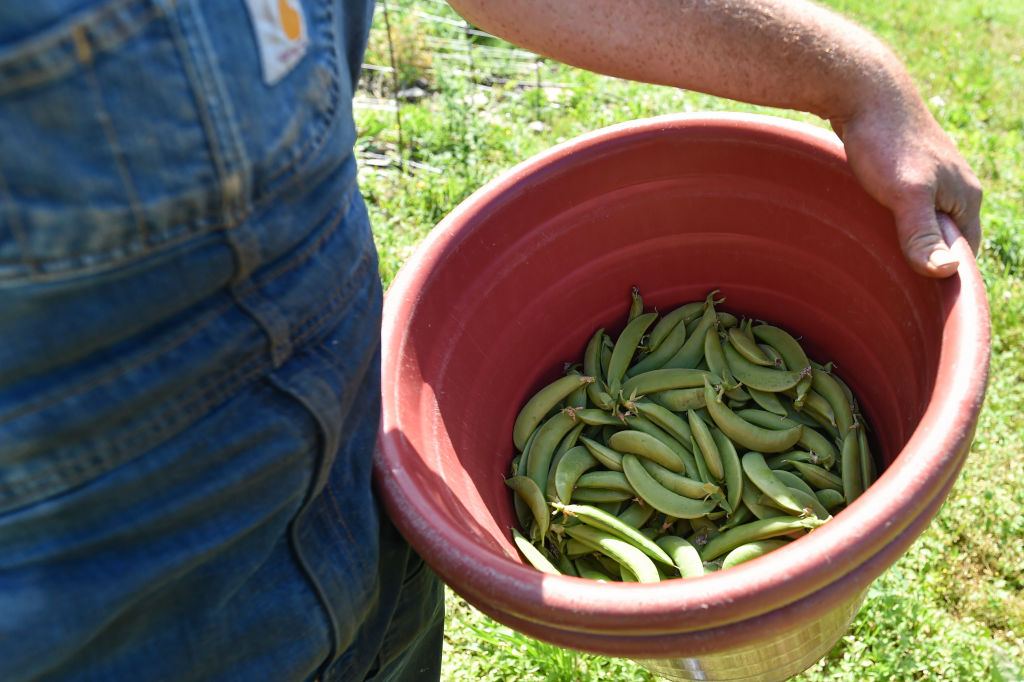
The EU can cut soy protein imports by 20% by 2035, researchers say, but there is no quick fix. According to the report, Europe needs a broad strategy combining support for farmers to grow more protein crops, investment in alternative proteins and fermentation technologies, and a gradual shift towards more plant-based diets.