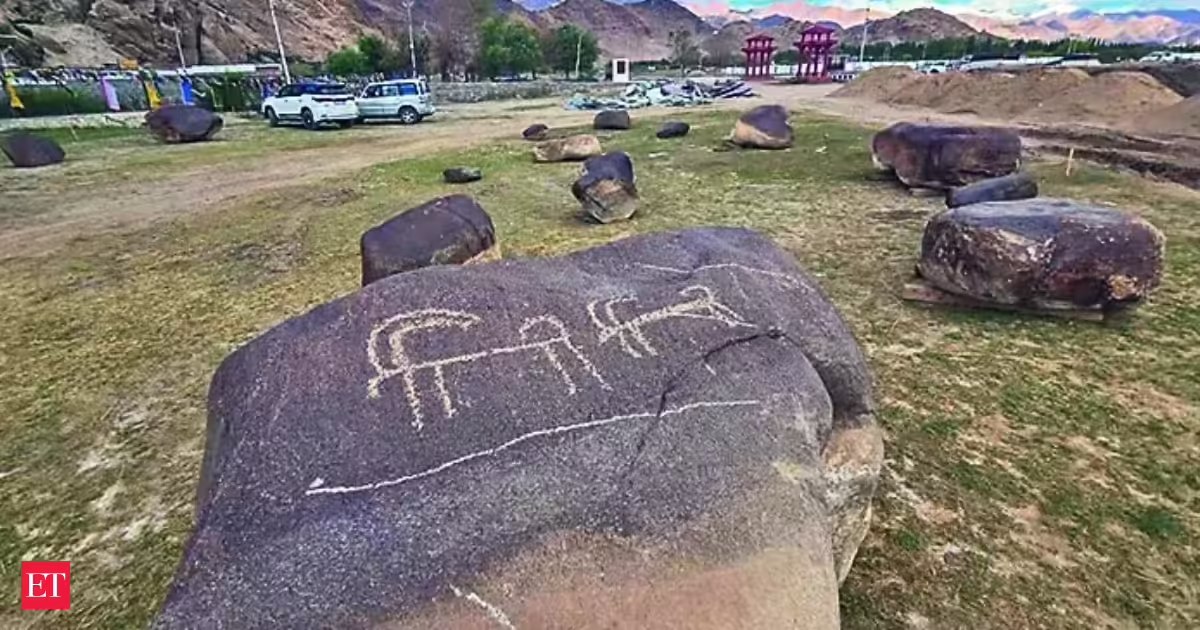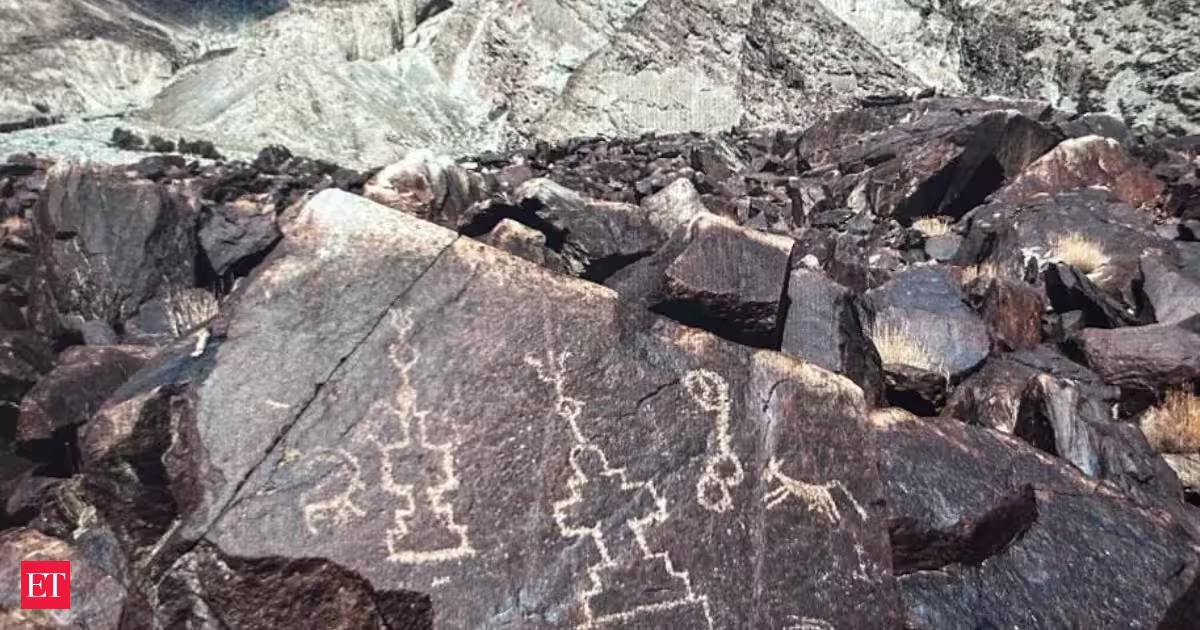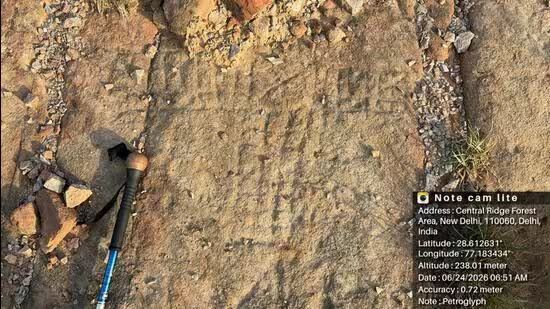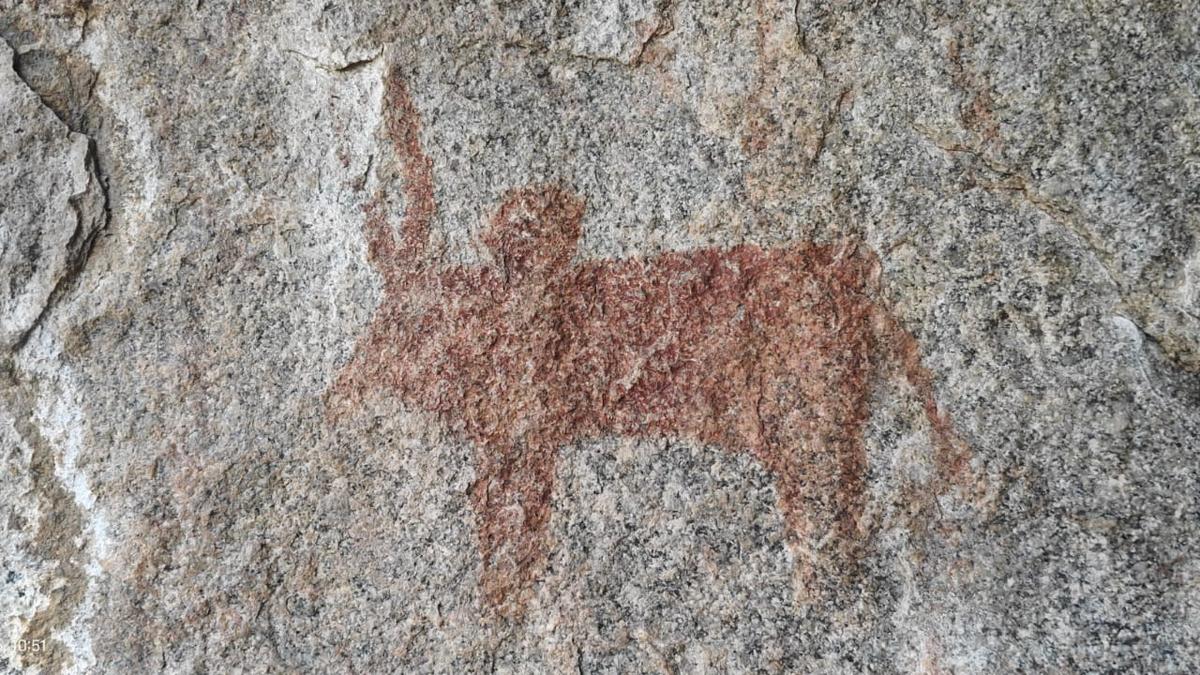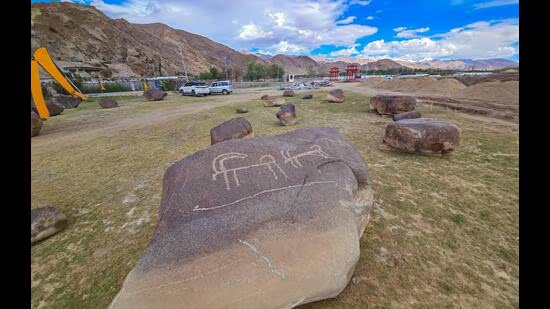
Works on India’s first Petroglyph Conservation Park at Sindhu Ghat in Leh, have commenced in full swing, with systematic and meticulous relocation of petroglyphs (ancient rock arts) from vulnerable sites across Ladakh, said officials on Monday.The first phase of the conservation works includes the relocation of 155 petroglyphs. (HT Photo)Lieutenant governor Vinai Kumar Saxena had on April 18 had laid the foundations stone of the park.So far, 31 petroglyphs from Saboo Thang have been relocated to the Petroglyph Conservation Park. These petroglyphs measure from 4 feet to 17 feet in circumference and weigh from 500 KG to 10 MT.The rock carvings predominantly depict distinctive Ladakhi wildlife such as ibex, yak, argali, blue sheep, dogs and other wildlife, along with scenes of hunting, hunters, warriors, footprints and other symbolic representations. The distribution of the carvings also reflects the ecological diversity of Ladakh, with ibex figures commonly found in the lower valleys of Sham and Purig, while yak and argali dominate the higher reaches of Changthang.The first phase of the conservation works includes the relocation of 155 petroglyphs, including 13 from Phyang Thang, 30 from Stakmo Thang, 28 from Likir Hill, 14 from Likir Thang, 10 from Taru Thang, besides petroglyphs from Thiksey, Igoo, Ganglas, Khaltse, Saspol, Ranbirpur, Nimoo, Spituk, Tsogsti and several other locations.“The Petroglyph Conservation Park is a historic initiative to preserve Ladakh’s priceless archaeological heritage for future generations. By relocating vulnerable petroglyphs to a scientifically managed conservation park, we are protecting an invaluable chapter of India’s civilisational legacy from the threats of natural degradation and human activities. This initiative reflects our commitment to preserving Ladakh’s unique cultural heritage while creating a world-class centre for heritage education, research and responsible cultural tourism,” said Saxena.
31 ancient petroglyphs relocated to proposed conservation park in Leh
The rock carvings predominantly depict distinctive Ladakhi wildlife such as ibex, yak, argali, blue sheep, dogs and other wildlife, along with scenes of hunting, hunters, warriors, footprints and other symbolic representations
284 words~1 min read