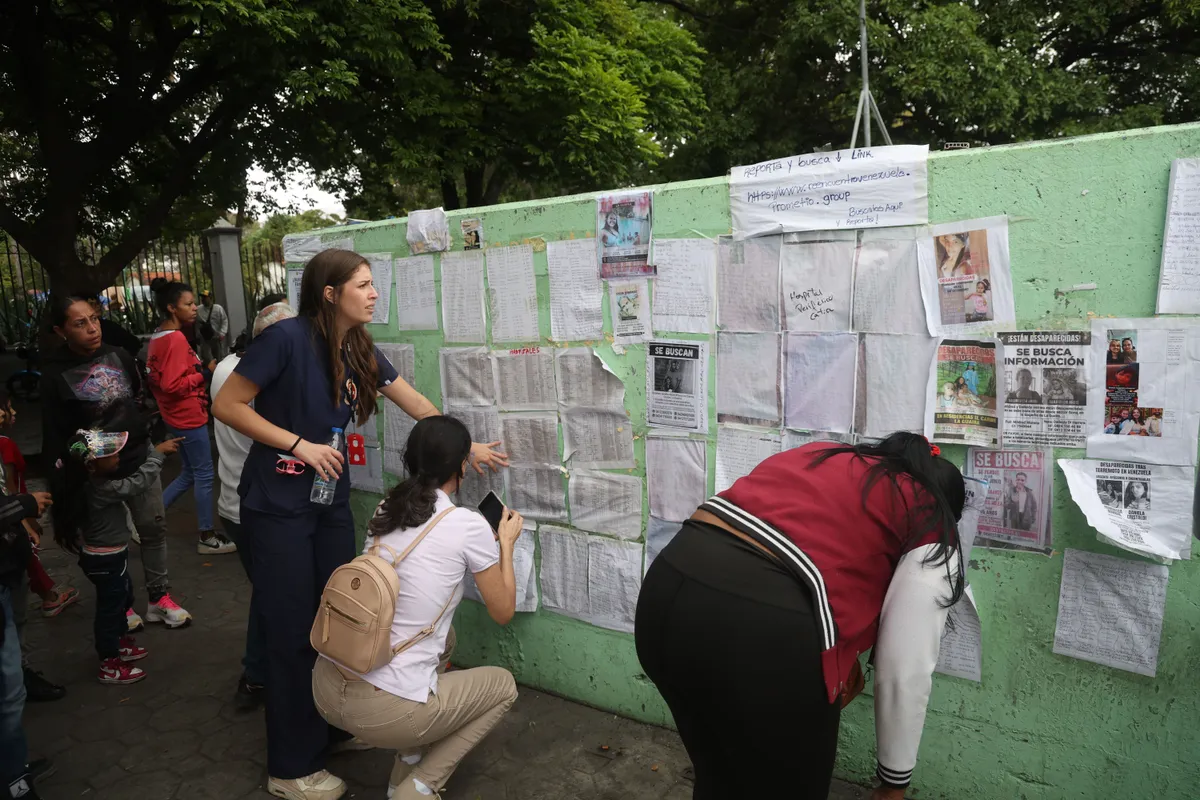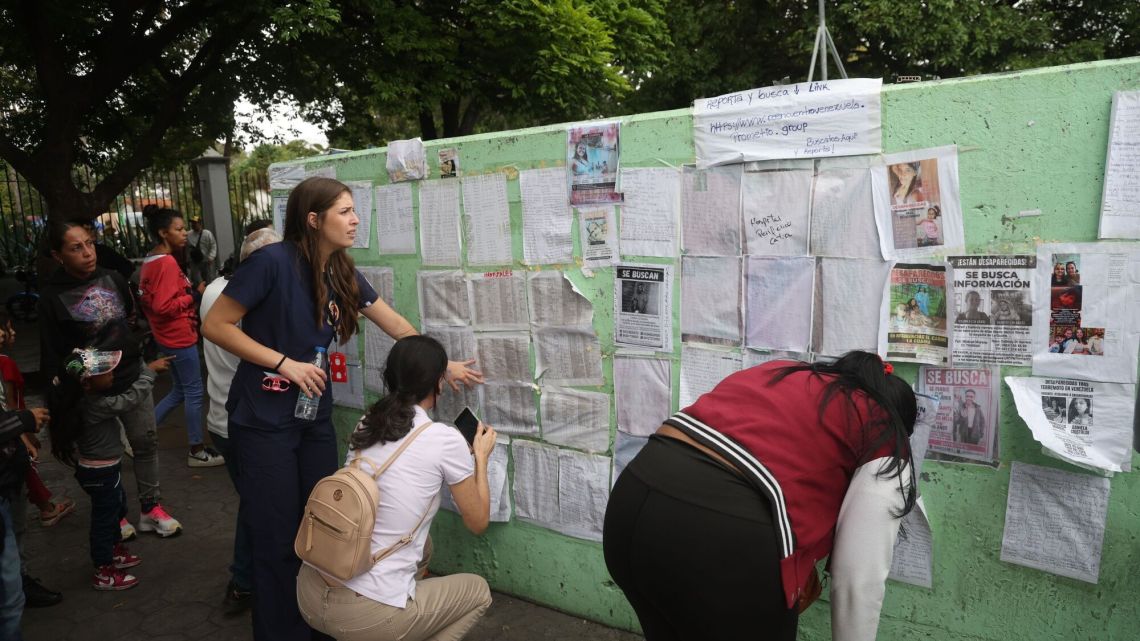
The WhatsApp messages arrive so fast that by the time you’ve read one, at least a dozen more have poured in.
“Has someone seen this man? He’s my grandfather. His name is Francisco. He lived in Residencias Caribe. We haven’t heard from him since Wednesday.”“Can someone send the latest list of missing people from Residencias Vista Mar in Playa Grande? I’m looking for my godmother. I need information on this building.”
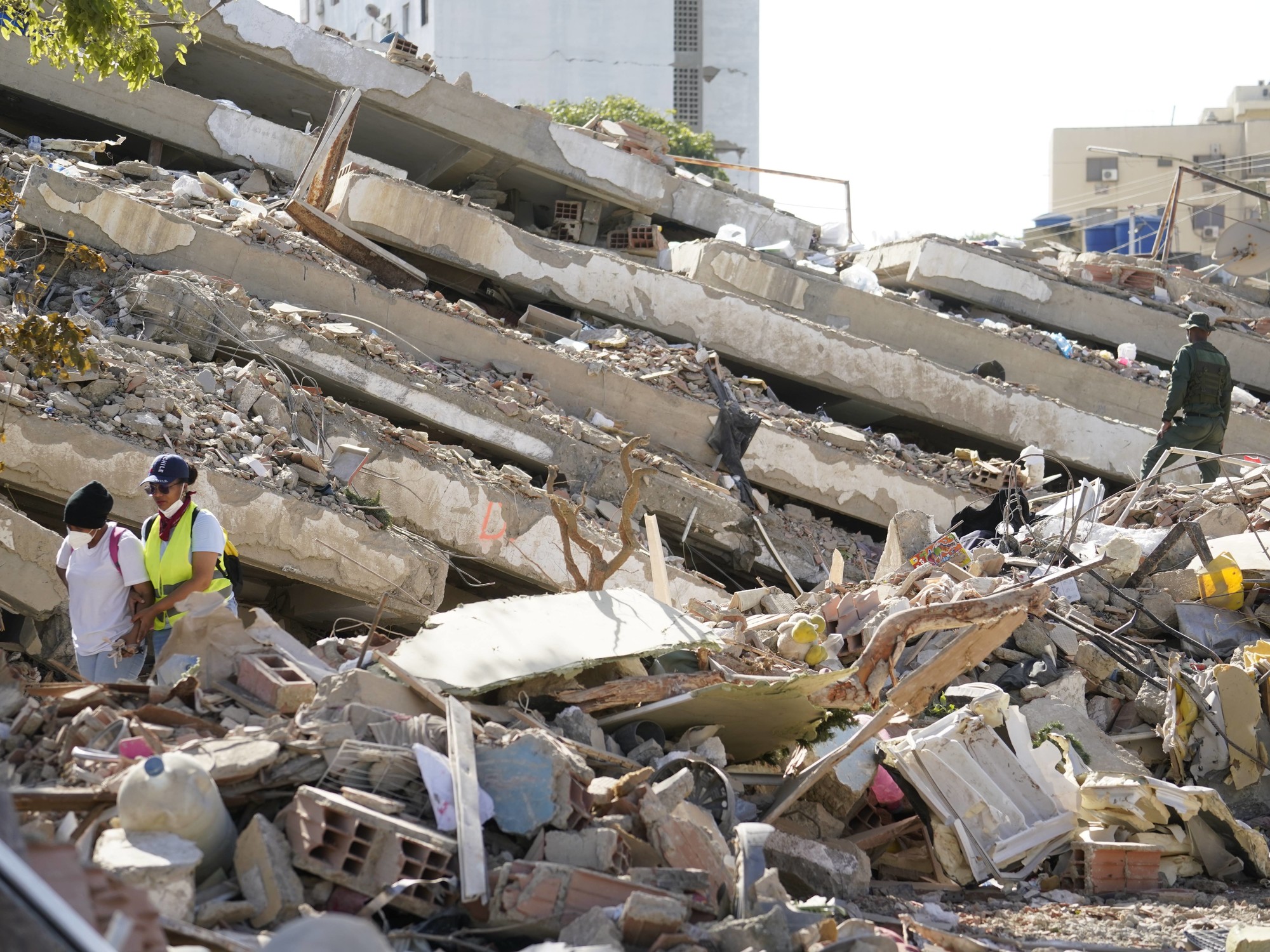
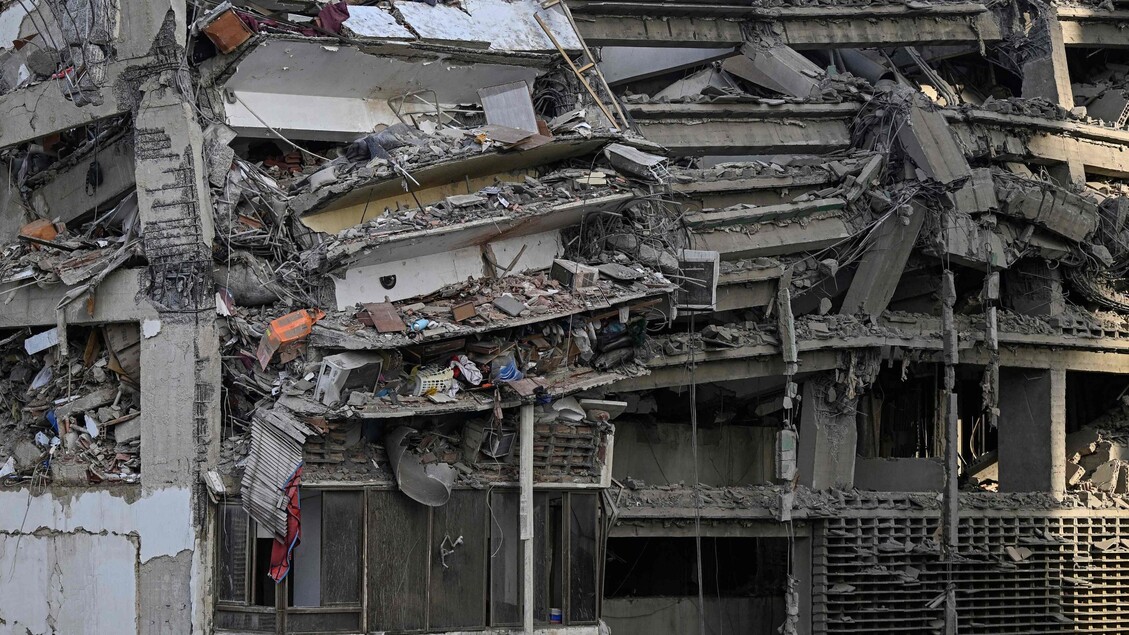
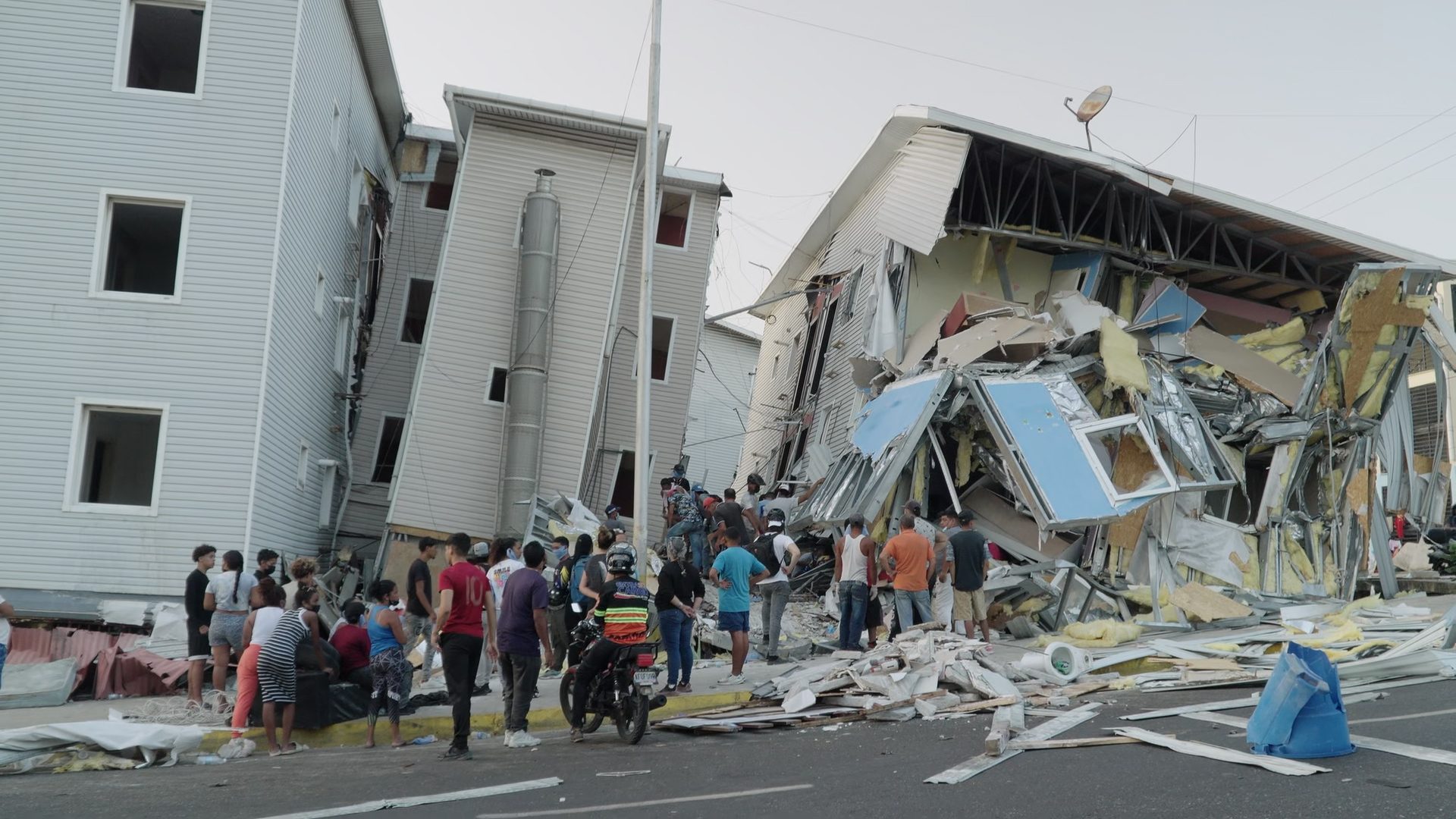
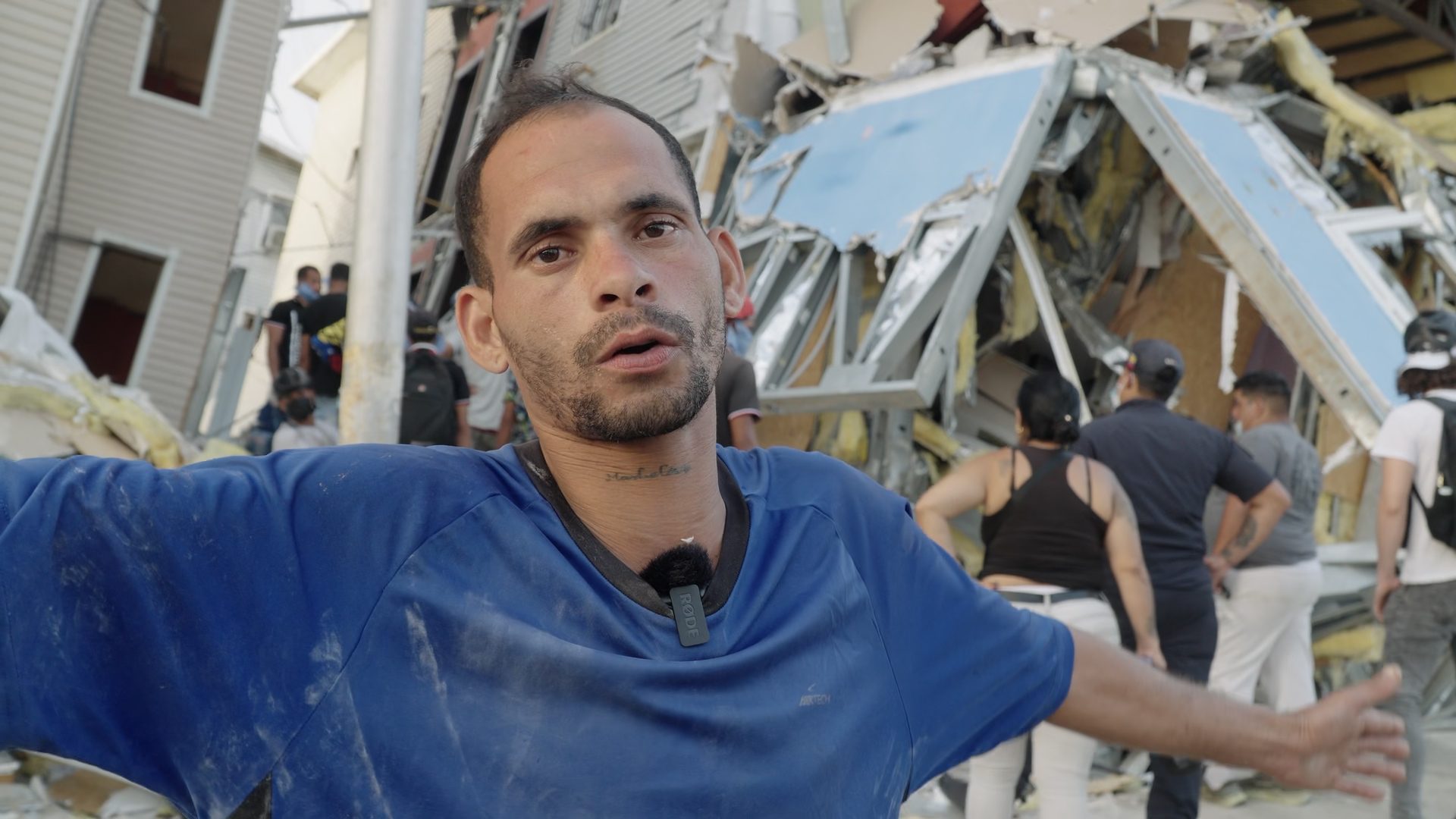
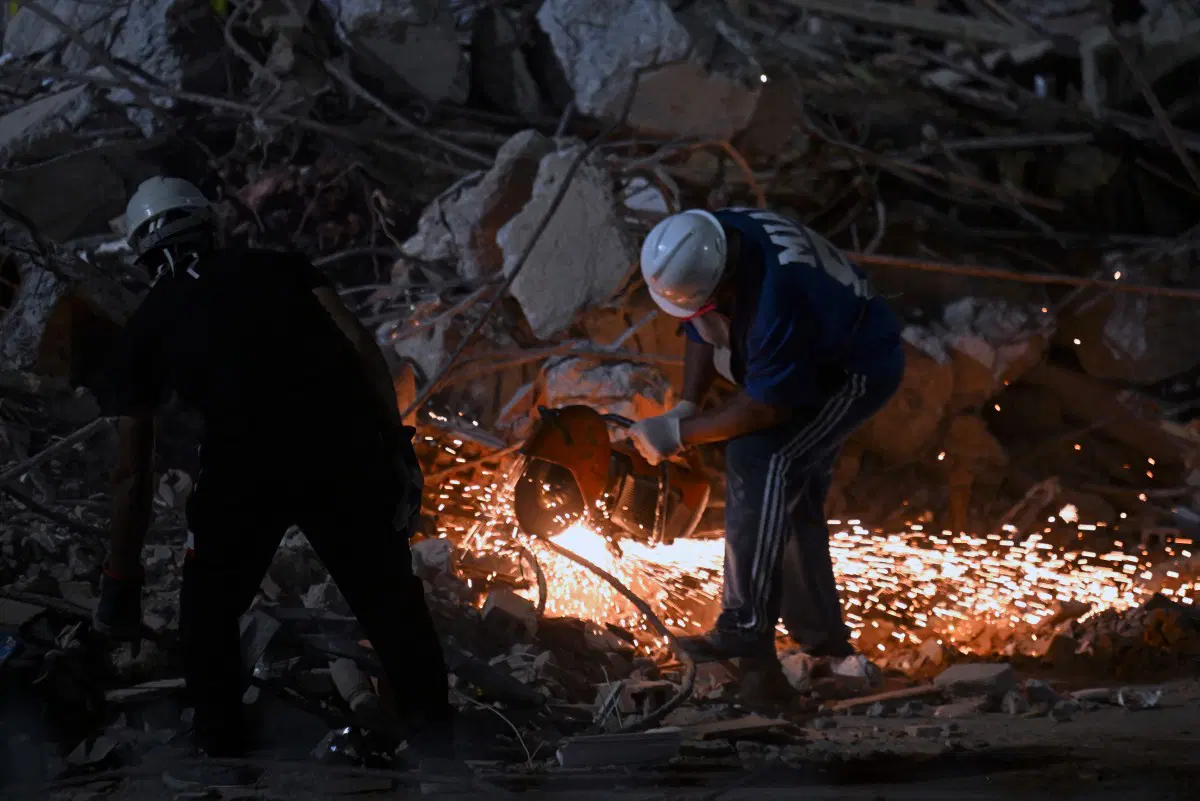
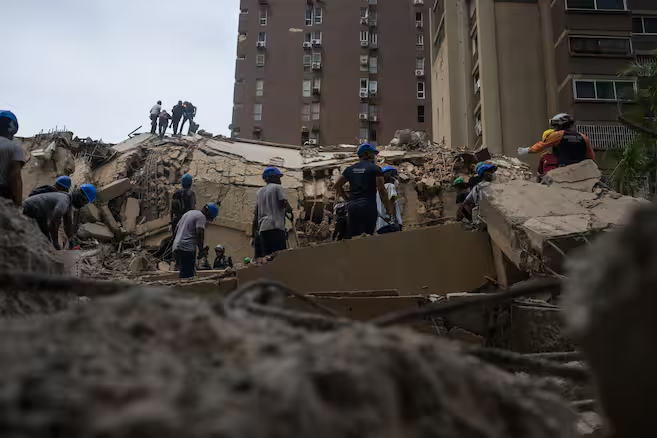
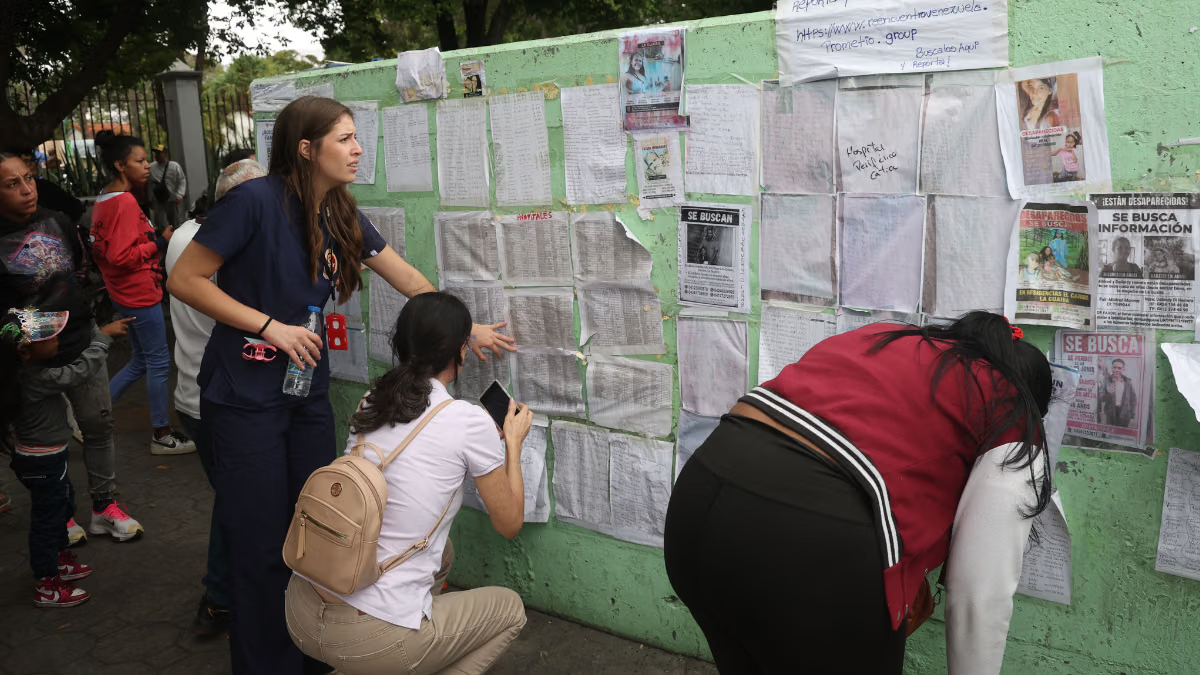
The group of more than 900 people is one of dozens that have sprung up since two massive earthquakes devastated Venezuela’s Caribbean coast on June 24.With government authorities releasing only limited information about victims, survivors and rescue efforts, relatives across Venezuela and throughout its diaspora have turned WhatsApp into an improvised emergency response network. The groups have become unofficial missing-person registries where volunteers compile hospital admissions, verify reports from more than 2,000 damaged or collapsed buildings, identify victims and relay the locations of tens of thousands of missing people who are believed to be trapped under the rubble.“There is a deafening information void on the part of the government that these networks are filling,” said Carlos Delgado, communication researcher at Universidad Católica Andrés Bello. “These WhatsApp groups emerge from sheer necessity, but also from people’s willingness to collaborate.”One after another, the photos show people of all ages, couples, grandmothers caring for grandchildren after Venezuela’s years-long exodus split families apart and elderly people living alone. They are accompanied by handwritten lists of hospital patients, voice notes from rescue sites and, increasingly, graphic videos. While some members recoil at the gruesome footage, others say it has allowed them to identify loved ones they had spent days searching for.For Jeffrey Ramos, a Venezuelan living in Chile, the groups have become a full-time mission.“I entered the group because my sister-in-law’s manicurist here in Chile was looking for her mom and her three children,” Ramos said. Working with other volunteers, he helped piece together what had happened to the family, eventually confirming that all four had died in the collapse of Residencias Caribe, an apartment building on the coast.Since then, Ramos estimates he has helped identify at least 10 victims.“My wife says, ‘Enough, you’re going to have a heart attack,’” he said. “But I can’t stop. I don’t have peace or head space for anything else.”Ramos, one of the roughly 8 million Venezuelans living abroad, was also able to help reunite a child from his hometown of Maturin with his father after activating contacts across his network.Others are posting directly from the hardest-hit area of La Guaira state, relaying reports in real time.For families anxious for news, every notification offers the possibility of hope — or heartbreak. The death toll has surpassed 1,450, according to government data.“In search of information I would just join different WhatsApp groups because I have friends who are missing in La Guaira. Sadly three of them were already found dead,” said Hazel González, who lives in San Diego, Carabobo state, a two-hour drive from the capital Caracas and three hours from La Guaira.“I try to edit information and send what’s verified. In fact I was able to reunite a child with their family, because I knew where he was from,” she said. “I tagged my relatives from that area and soon we were able to locate his grandmother.”Another Venezuelan, Gaby Gil in Caracas, said WhatsApp has helped to amplify calls for help.“It ends up being a chain of favors. In the group we give each other company and help each other,” said Gil, who is still looking for the father and aunt of a close friend in the neighborhood of La Lucha in Catia La Mar, where she says rescue teams have yet to arrive.Airing Frustration