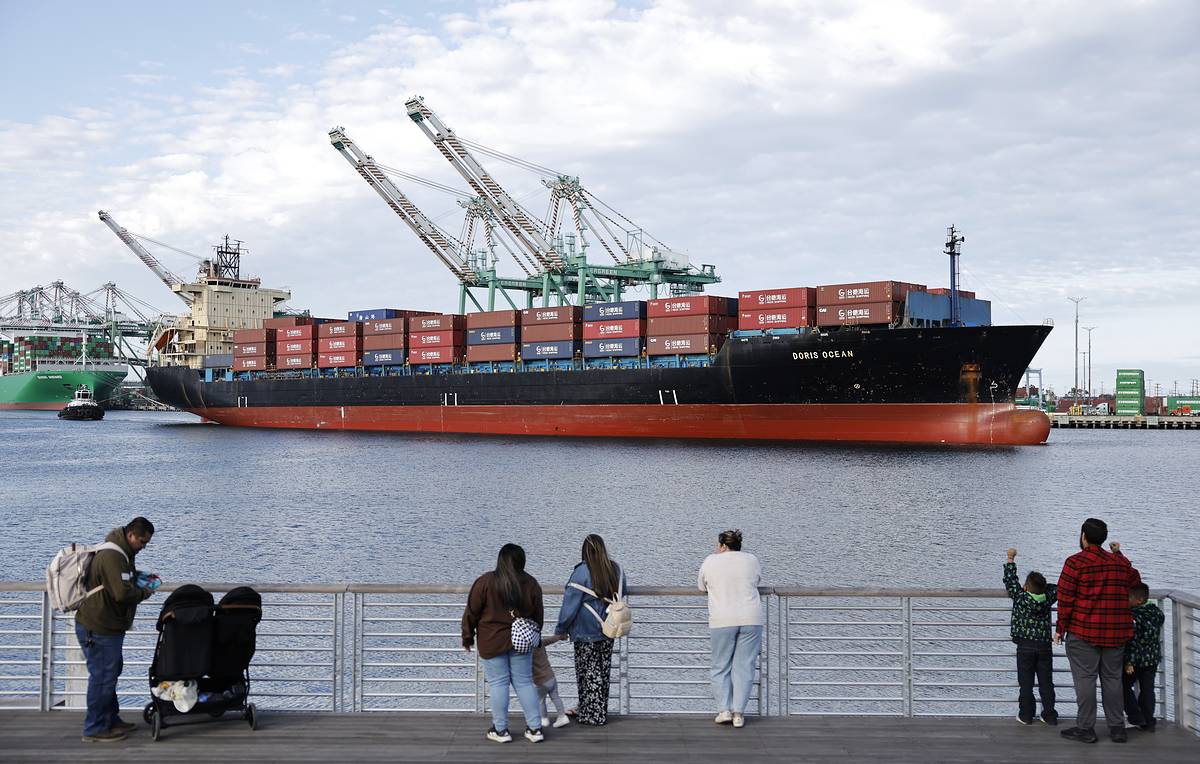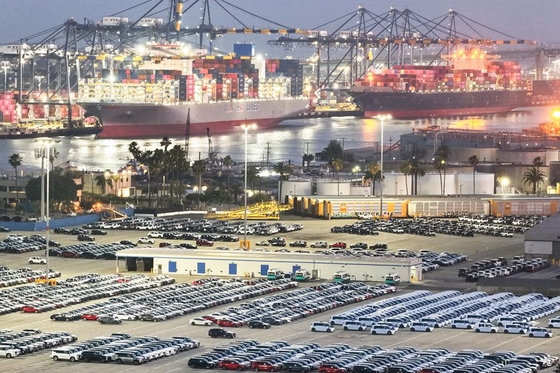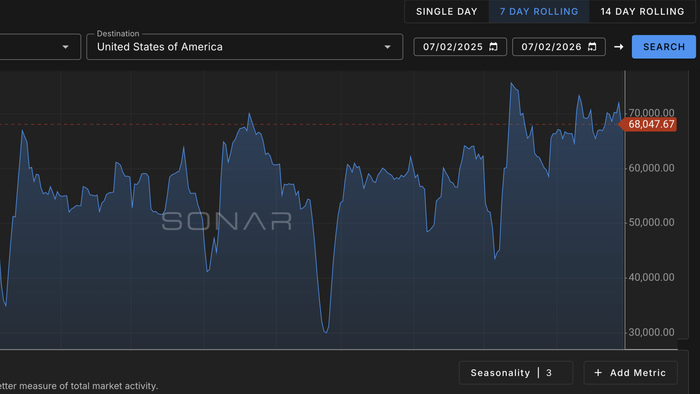
Rising fuel costs show up in inflation, even when you strip out the volatile costs of energy and food. Transportation costs are one of those vectors.Over the past four months, the cost of shipping a container full of goods across the Pacific Ocean has risen from around $1,800 to nearly $4,200, according to the shipping company Freightos. Fuel costs are a major component of container shipping rates. When the war in the Middle East started and oil prices rose, ocean carriers started passing on those costs.“That’s why we saw that gradual increase in rates when this first started, because they’re trying to recoup those costs,” said Judah Levine, head of research at Freightos.Then, in May, rates spiked. Levine said that’s partly because a lot of importers loaded up on goods ahead of schedule in response to worries that ocean carriers and overseas manufacturers would jack up prices even more.“This means that there’s frontloading,” he said. “Importers are pulling demand forward for various reasons.” Another reason is that importers are worried about tariffs.In about a month, the Trump administration will be able to replace its current 10% tariffs with a new set of import taxes that could go much higher.“They could raise them to 20%, to 25% — there really is no limit,” said Rachel Brewster, a professor at Duke University School of Law. “I mean, they could set them at a thousand percent.”Importers also want to take advantage of strong consumer spending.“And so companies have confidence in bringing goods that we think will sell in the fall,” said Zac Rogers, a professor of supply chain management at Colorado State University.He said that’s increasing demand for all kinds of transportation as a result, including pushing up the price of shipping by truck.“That even spills over into things like rail, which… there’s been a big shift in demand towards rail, to try to get away from the cost of trucks,” he said.Rogers said a lot of those costs will eventually be passed on to consumers.
High energy prices only partly to blame for soaring shipping costs
Ultimately, the increase in the cost of shipping a container across an ocean will be passed along to consumers.
333 words~2 min read