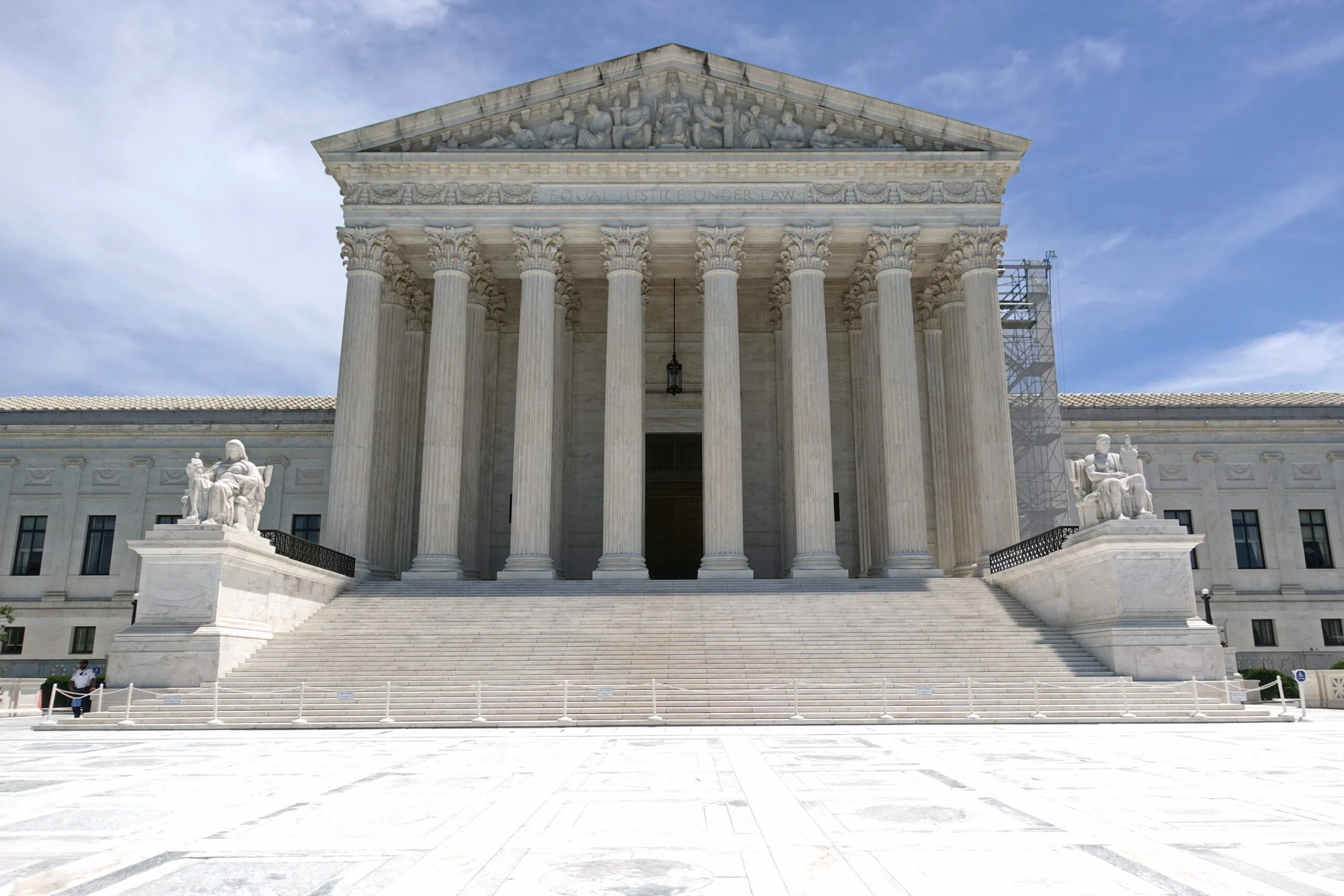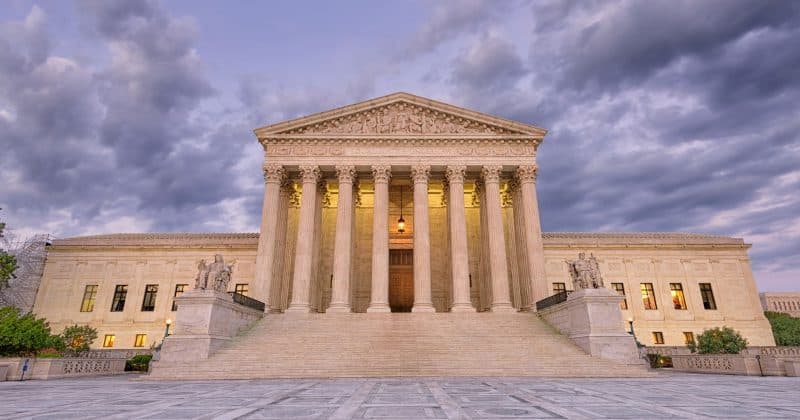
The Supreme Court just handed the presidency its most significant structural power boost in nearly a century. In a 6-3 decision split along ideological lines, the court ruled that the president can fire heads of most independent federal regulatory agencies at will, eliminating the “for cause” protections that have shielded those positions since 1935.
In English: the people running agencies like the SEC, the FTC, and the EPA can now be dismissed by the president whenever he wants, for whatever reason he wants.
What the court actually did
The ruling directly overturns the precedent set by Humphrey’s Executor v. United States, a 1935 case that established the principle that Congress could create independent agencies whose leaders couldn’t be removed by the president without cause. That framework survived for 91 years. It is now gone.
Under the old system, agency heads served fixed terms and could only be fired for misconduct or neglect of duty. The Supreme Court’s conservative majority decided that structure was unconstitutional. The new rule gives the president authority to remove regulators from potentially dozens of independent agencies without offering any justification.