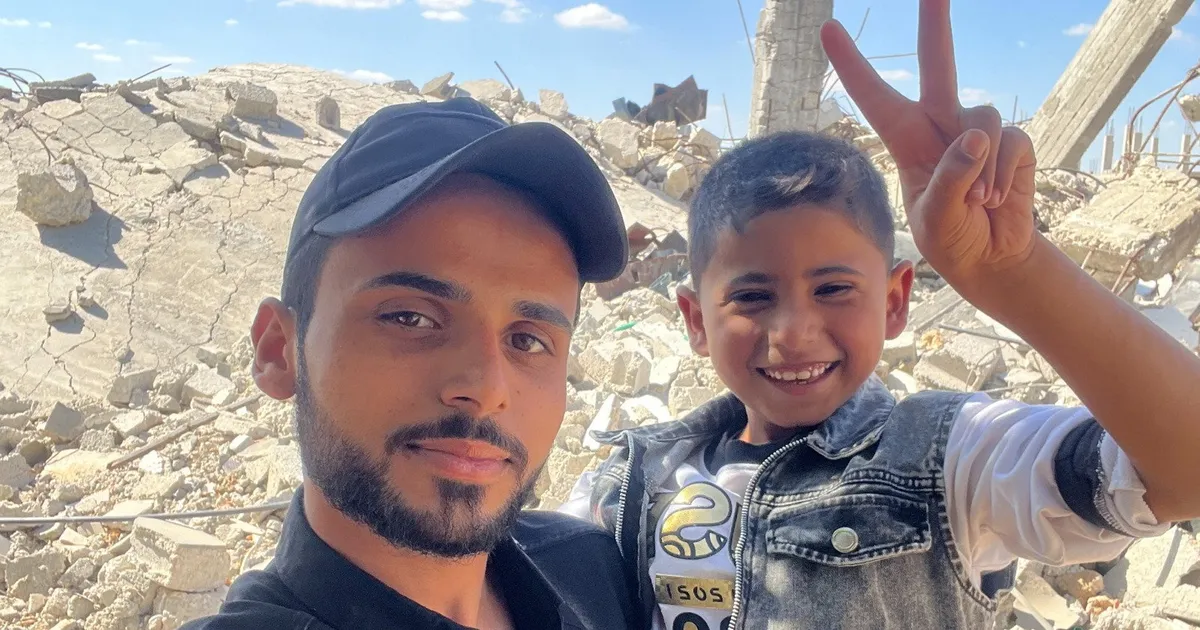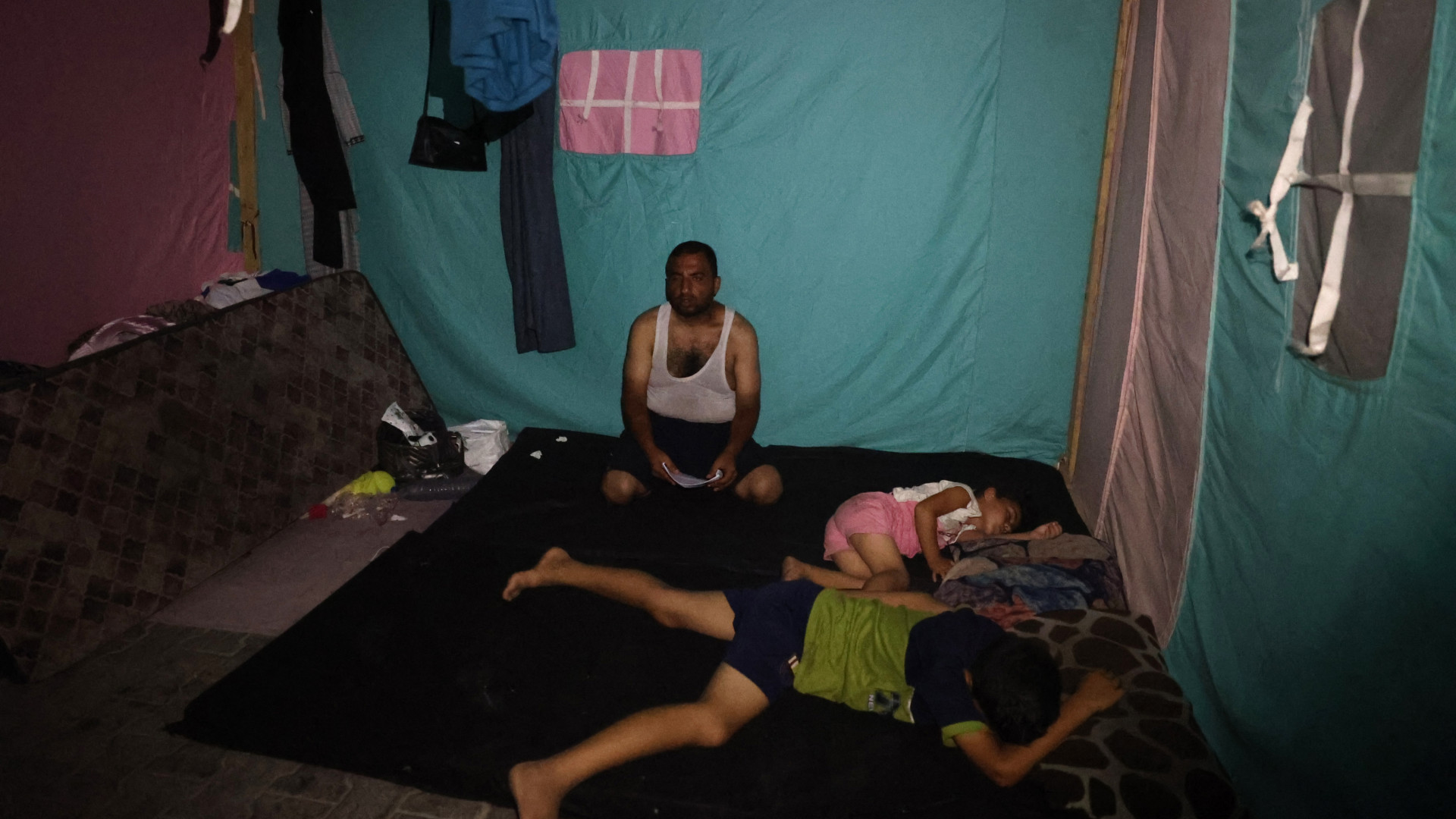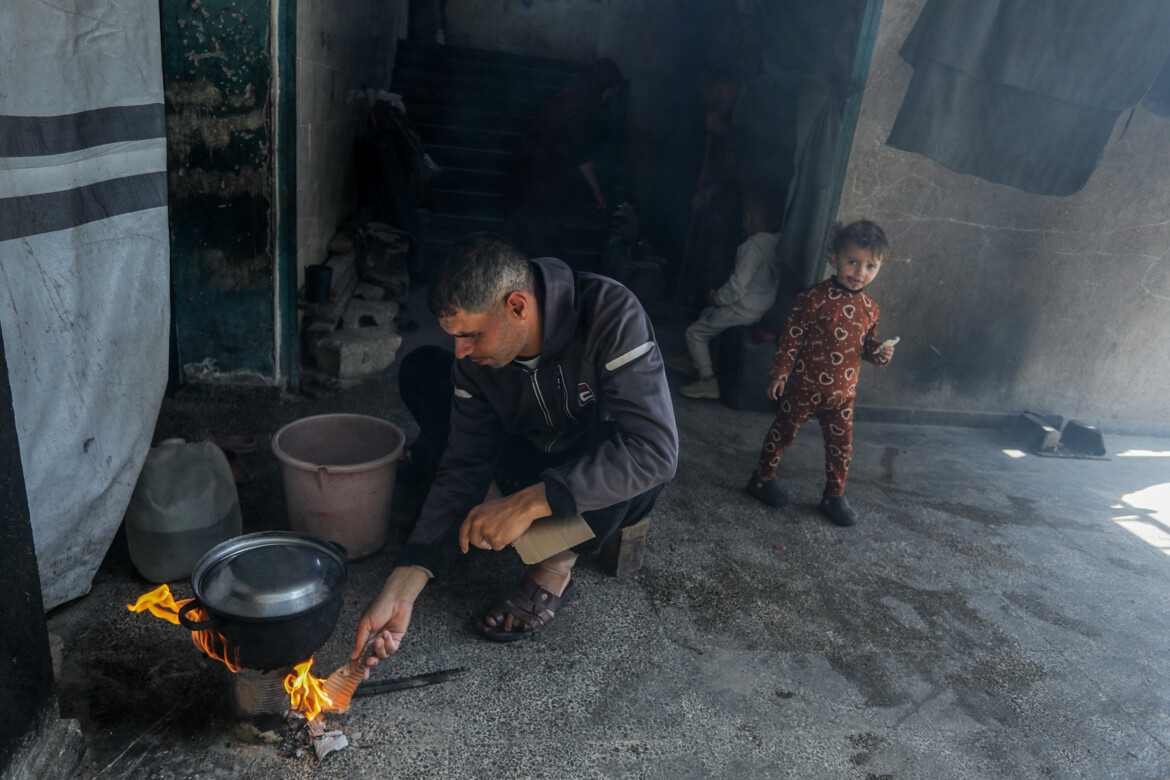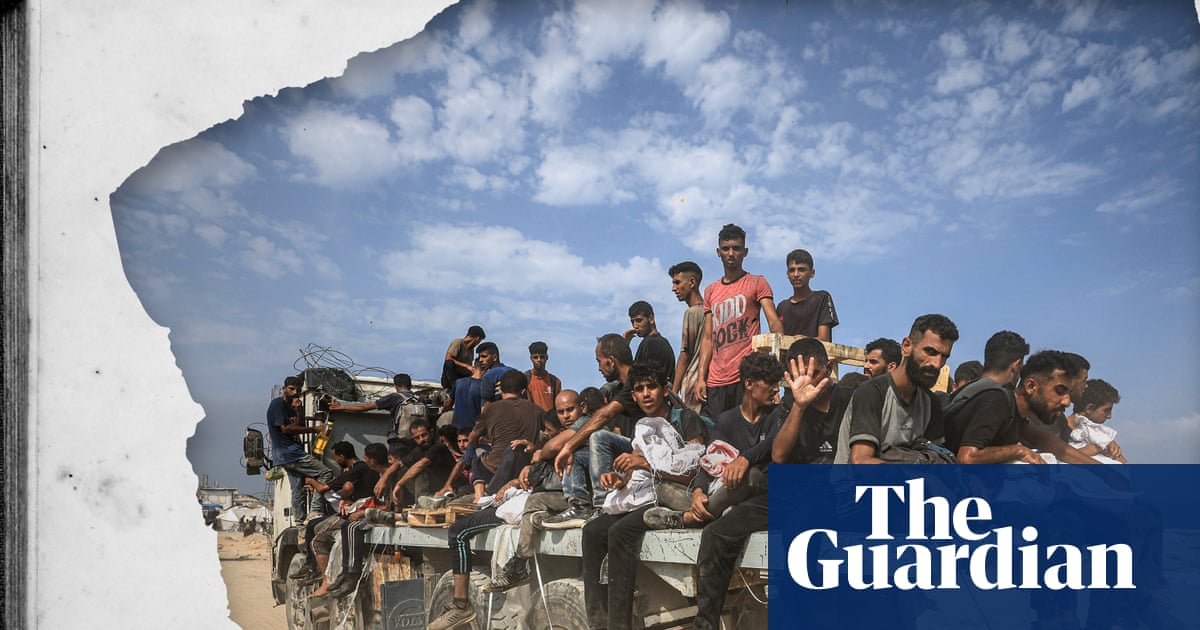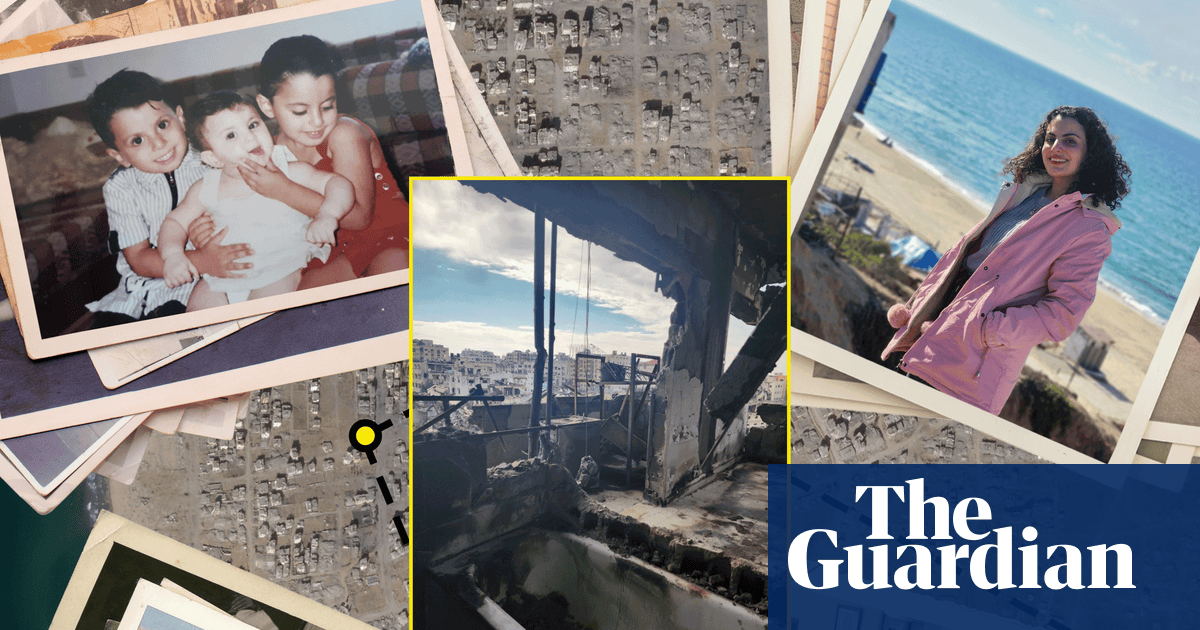
Sami al-Ajrami’s account of the first six months of Israel’s genocide in Gaza starts with a tenacious link to home and homeland. A week after Hamas infiltrated Israel, al-Ajrami decides to leave his home in Gaza, taking his two nineteen-year-old daughters with him. “This isn’t a rented apartment in some random condominium,” al-Ajrami writes in the first page of The Keys to my House: A Gaza Diary. “The house was built literally stone by stone by my family.”
Originally from Beer Sheva, al-Ajrami’s grandfather arrived in Gaza in 1953. For al-Ajrami, Gaza is his permanent home, yet immediately the reader is told of how fragile the concept of home is in Gaza. Forced displacement remains a reality because of Israeli colonialism, and all Palestinians are prepared to be forcibly displaced once again. The author draws parallels with his grandfather’s displacement. “History is repeating itself, I think … I too am going away, keys in my hand, already imagining I’ll be able to return.”
Israel’s genocide, however, ensured the contrary. Al-Ajrami’s account illustrates how quickly normalcy is shattered in Gaza, how the relative tranquil, although not absolute as Israel would still target Gaza periodically, gives an illusion that a life can be built, only for dreams and implemented plans to be shattered at any given moment. Being a journalist, al-Ajrami relates how he got to know of Hamas’s attack inside Israel, how Israel waited too long to intervene and stop Hamas’s incursion. The book takes an approach that is not at all sympathetic to Hamas and in several instances raises criticism which the author notes is common to many people in Gaza. However, and the book’s challenge to mainstream narrative lies here – the genocide is a reality whether one supports Hamas or the Palestinian Authority.