Welcome to FP Free Week. To celebrate America’s 250th birthday, our entire site is completely unlocked this week only. Enjoy the article.
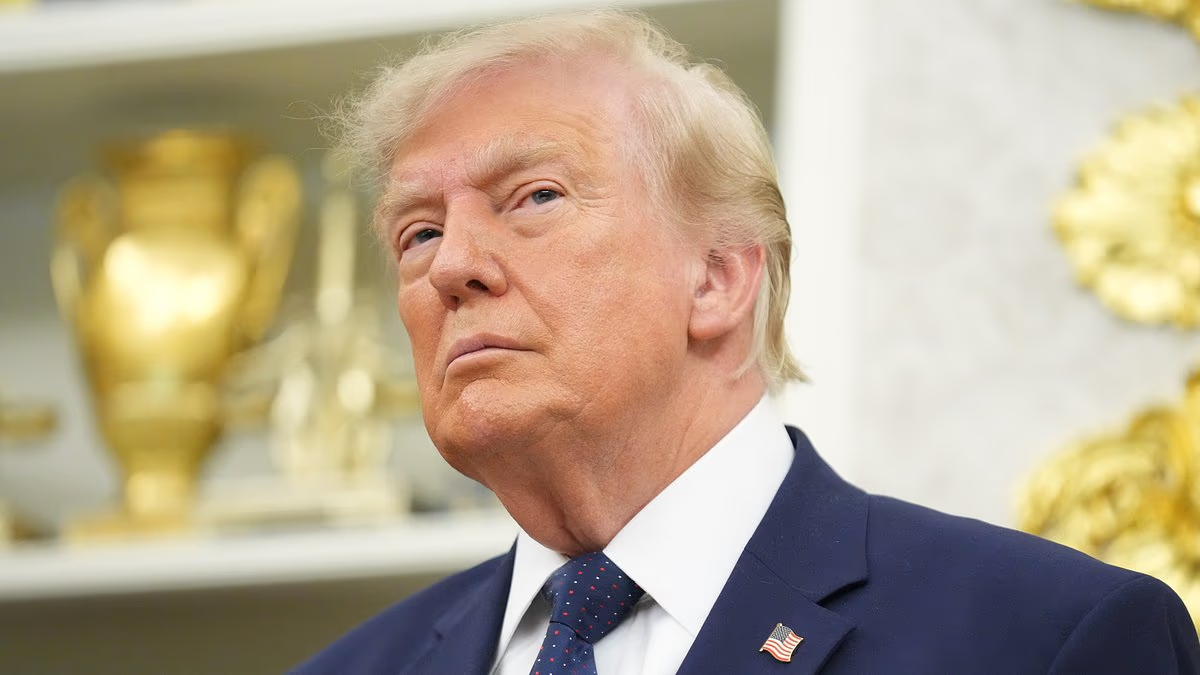
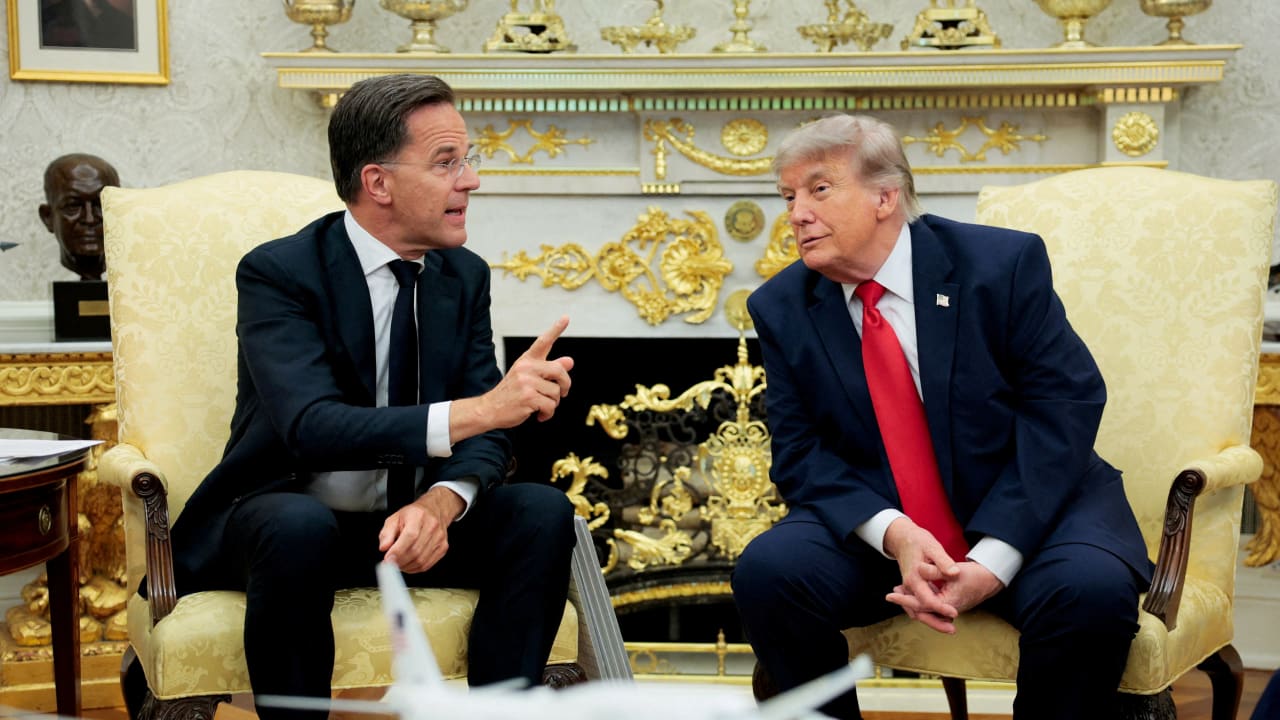
U.S. President Donald Trump revels in his reputation as a disruptor. Europe has typically been on the receiving end. Cozying up to Russian President Vladimir Putin, calling for the seizure of Greenland, slapping arbitrary tariffs on the European Union, forging alliances with insurgent parties and politicians on the far right, threatening to punish NATO allies for not backing the United States against Iran—there has been no shortage of drama in trans-Atlantic relations since he took office last January.
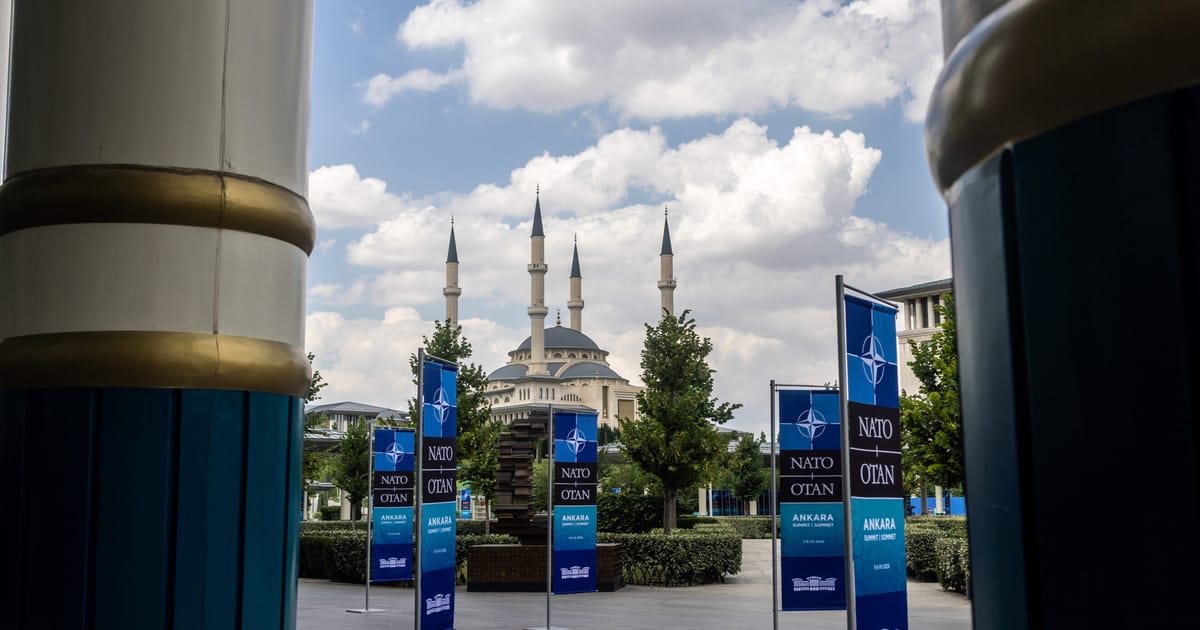
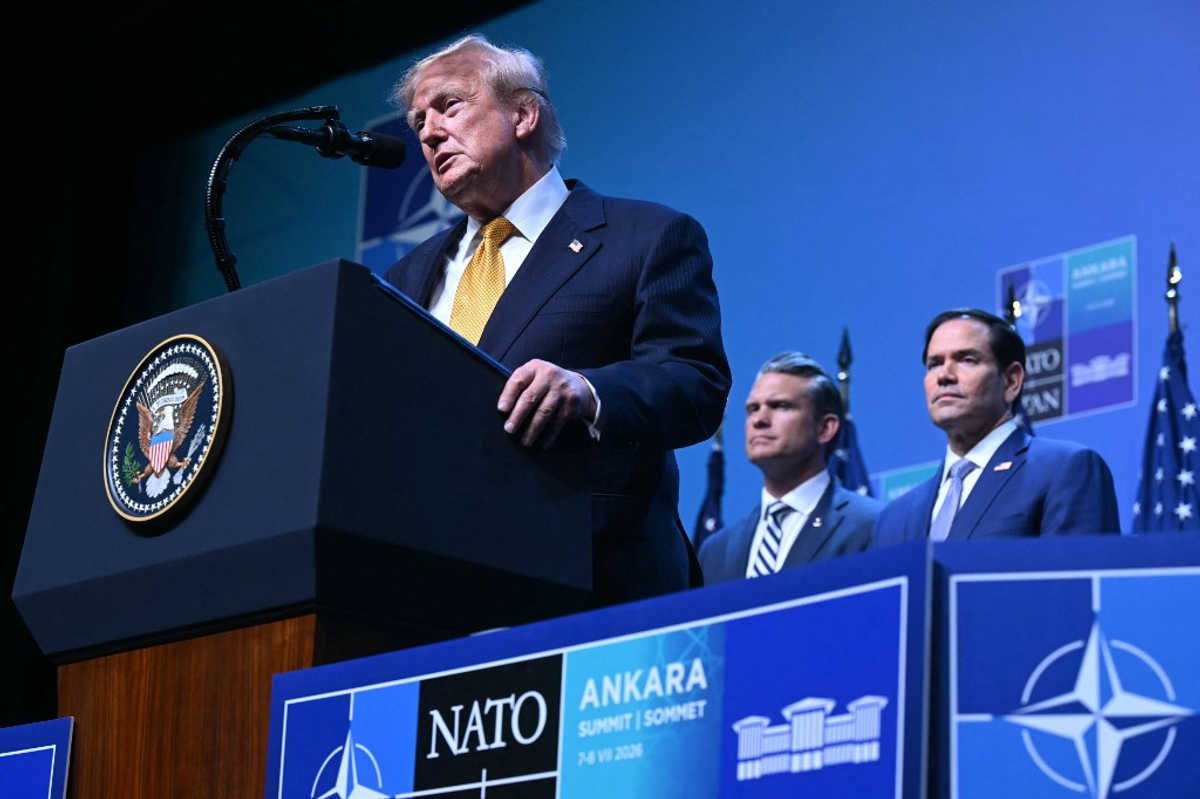
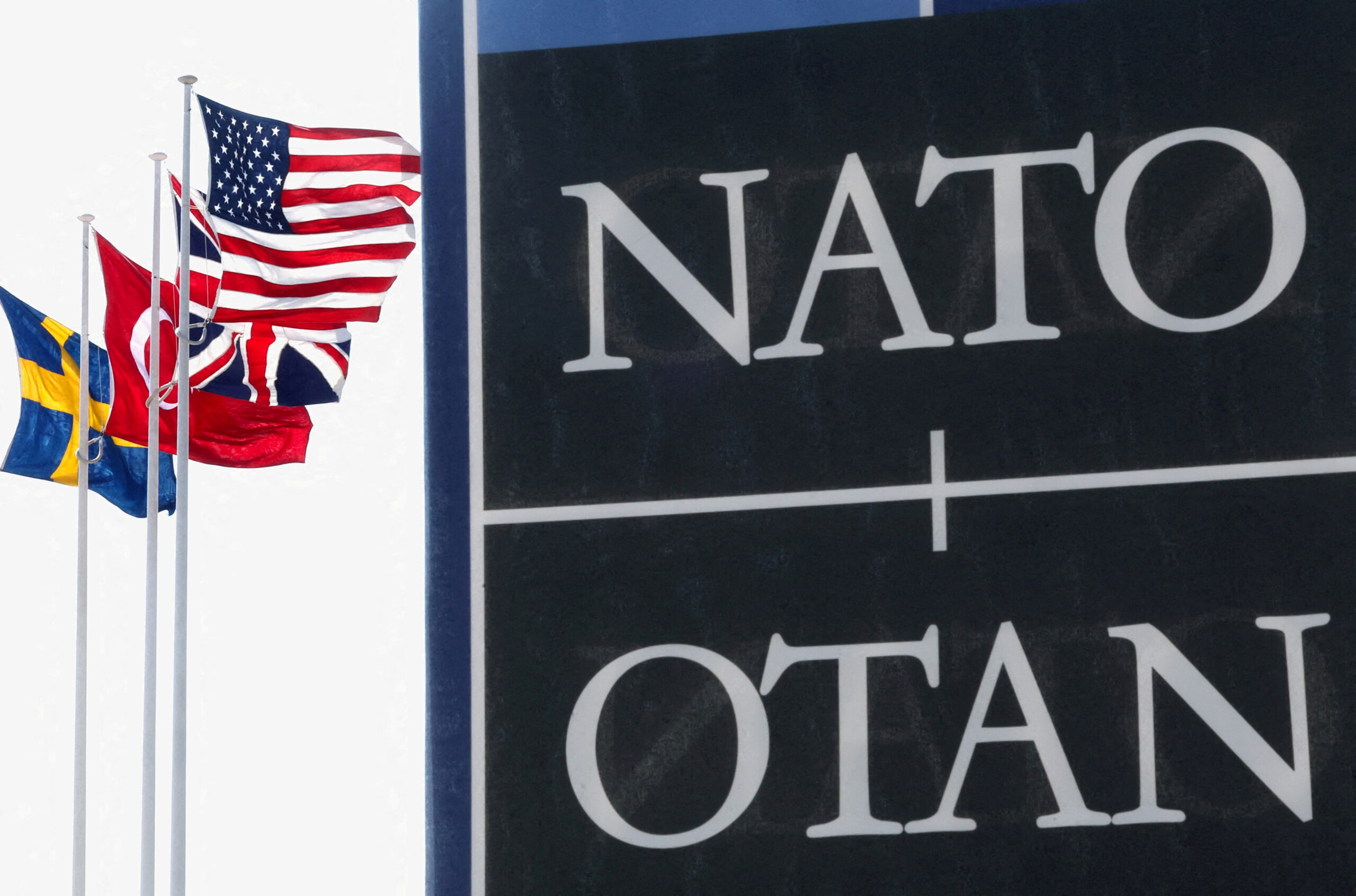
But as NATO’s annual summit in Ankara, Turkey, on July 7-8 draws near, it’s becoming increasingly obvious that an equilibrium has emerged. European leaders have learned how to handle Trump. Trump’s haphazard efforts to reshape continental order have yielded only partial results. As a result, the trans-Atlantic alliance has degenerated into a partnership of convenience, but it is a partnership all the same.
U.S. President Donald Trump revels in his reputation as a disruptor. Europe has typically been on the receiving end. Cozying up to Russian President Vladimir Putin, calling for the seizure of Greenland, slapping arbitrary tariffs on the European Union, forging alliances with insurgent parties and politicians on the far right, threatening to punish NATO allies for not backing the United States against Iran—there has been no shortage of drama in trans-Atlantic relations since he took office last January.