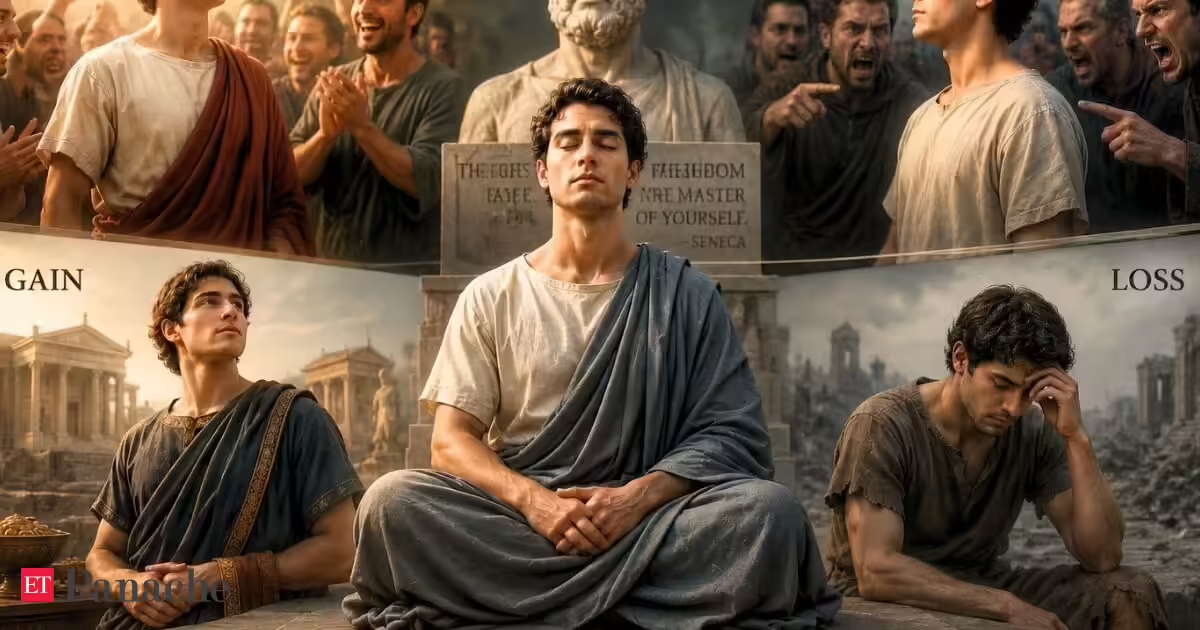
Roman Proverb of the Day: Freedom has always been one of humanity's most cherished possessions. Yet throughout history, wise thinkers have understood that liberty is not lost only through force. Sometimes, it is surrendered willingly through debts, obligations, and favors that come with hidden expectations. The Roman proverb, "To place yourself under an obligation is to sell your liberty," captures this enduring truth with remarkable clarity.The saying encourages people to think carefully before becoming dependent on others. It does not condemn kindness, gratitude, or mutual support. Instead, it warns that every obligation carries a certain cost, and that personal freedom can gradually disappear when individuals lose the ability to act according to their own principles.Its message remains relevant today because the tension between independence and dependence exists in every generation.Roman proverb of the day: Understanding the meaning of the Roman sayingYou Might Also Like:"To place yourself under an obligation is to sell your liberty."The wisdom behind the expression lies in its understanding of human relationships. When a person accepts a favor, a debt, or a commitment, they often create expectations in return. Sometimes these expectations are fair and harmless. Other times, they can limit freedom, influence decisions, or create pressures that did not previously exist.The proverb teaches that liberty is not merely political freedom. It is also the ability to make choices without undue control, indebtedness, or external influence. Before accepting obligations, consider what they may ultimately require.You Might Also Like:What this Roman proverb teaches about independenceOne important lesson is that self-reliance protects freedom. People who depend entirely on others for financial support, approval, or opportunity may eventually discover that their choices are no longer entirely their own. Independence provides the ability to act according to personal values rather than outside demands. Another lesson concerns hidden costs. Not every gift comes without expectations. Throughout history, Roman thinkers recognized that favors often create relationships of obligation that can endure far longer than anticipated.The proverb also encourages prudence. Accepting help is sometimes necessary and honorable, but wisdom lies in understanding the responsibilities attached to that assistance. True freedom requires thoughtful choices.You Might Also Like:Life lessons from the proverbEvery obligation carries responsibilityWhether financial, personal, or professional, commitments should be entered into with clear understanding and intention.Independence is a valuable assetThe ability to support oneself often provides greater peace of mind and personal autonomy.Gratitude and caution can coexistAccepting help is not wrong, but recognizing the expectations that accompany it is essential.Freedom involves more than physical libertyPersonal liberty includes the freedom to make decisions without excessive dependence on others.Why this message matters in modern lifeThe wisdom of this Roman saying feels especially relevant in today's world. Many people face obligations in the form of debt, workplace commitments, social expectations, or digital dependence. Financial loans, career opportunities, and even personal relationships sometimes come with unspoken conditions.The proverb does not advocate isolation or complete self-sufficiency. Human beings naturally rely on one another. Communities are built on cooperation and mutual support. Rather, it encourages awareness. It asks people to consider whether certain obligations strengthen their lives or quietly limit their freedom.In a world where convenience often comes at a cost, this ancient wisdom remains surprisingly modern.English equivalent and related expressionsSeveral English sayings reflect similar ideas:"There is no such thing as a free lunch.""He who pays the piper calls the tune.""Debt is the worst kind of poverty."Each highlights the reality that obligations and dependence frequently influence personal freedom.Across civilizations, people have recognized that liberty must be protected not only from external forces but also from unnecessary entanglements.Life lesson: Guard your freedom wiselyAt the end of the day, this proverb is not a rejection of generosity or human connection. It is a reminder that liberty carries immense value and should never be surrendered carelessly.Help others when you can. Accept assistance when truly needed. But always understand the commitments and expectations that accompany every obligation.After all, freedom is rarely lost in a single moment. More often, it is exchanged piece by piece for comforts, favors, or conveniences that seem harmless at first. As Roman wisdom reminds us, to place yourself under an obligation is to sell your liberty. The wisest people know the difference between receiving help and giving away their independence.You Might Also Like:
Roman Proverb of the Day: 'To place yourself under an obligation is to sell your liberty...'- A timeless lesson on independence, self-reliance, and the price of favors
An ancient Roman proverb, 'To place yourself under an obligation is to sell your liberty,' offers a timeless warning about the subtle ways freedom can be compromised. It emphasizes that accepting favors or debts, while seemingly helpful, can create hidden expectations that gradually erode personal autonomy. This wisdom underscores the importance of self-reliance and thoughtful consideration before entering into any commitment, reminding us that true liberty requires careful stewardship.
704 words~3 min read