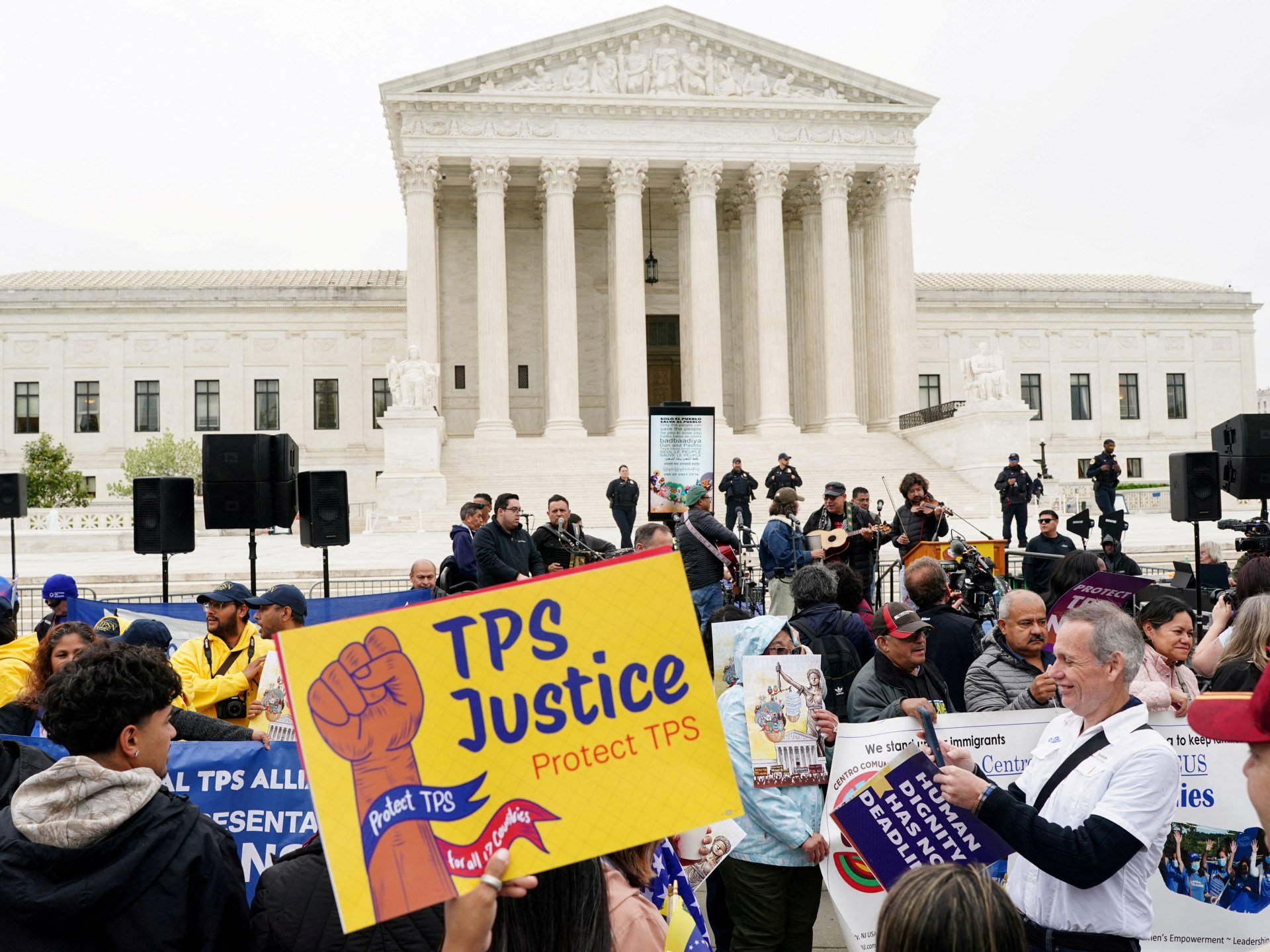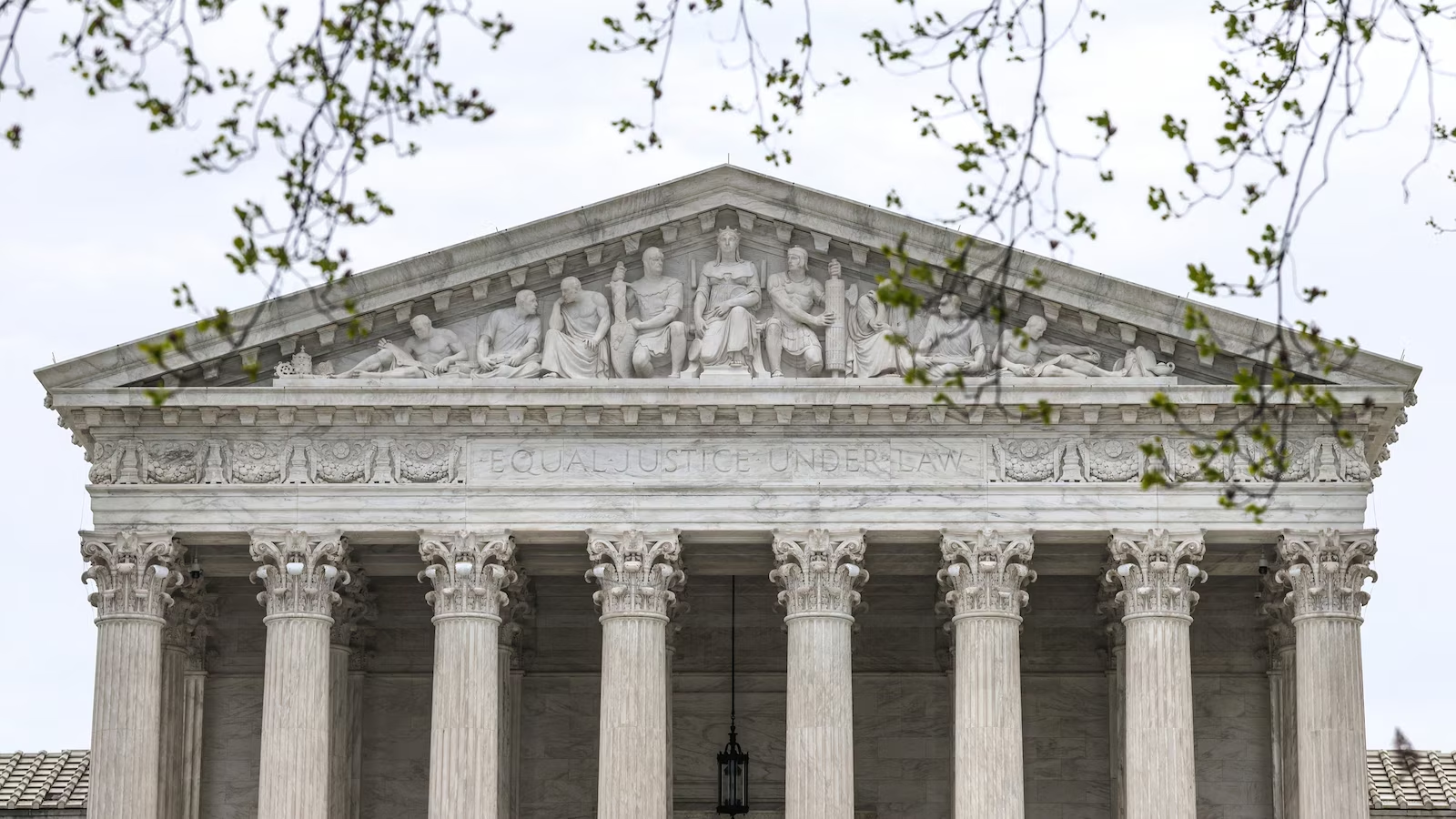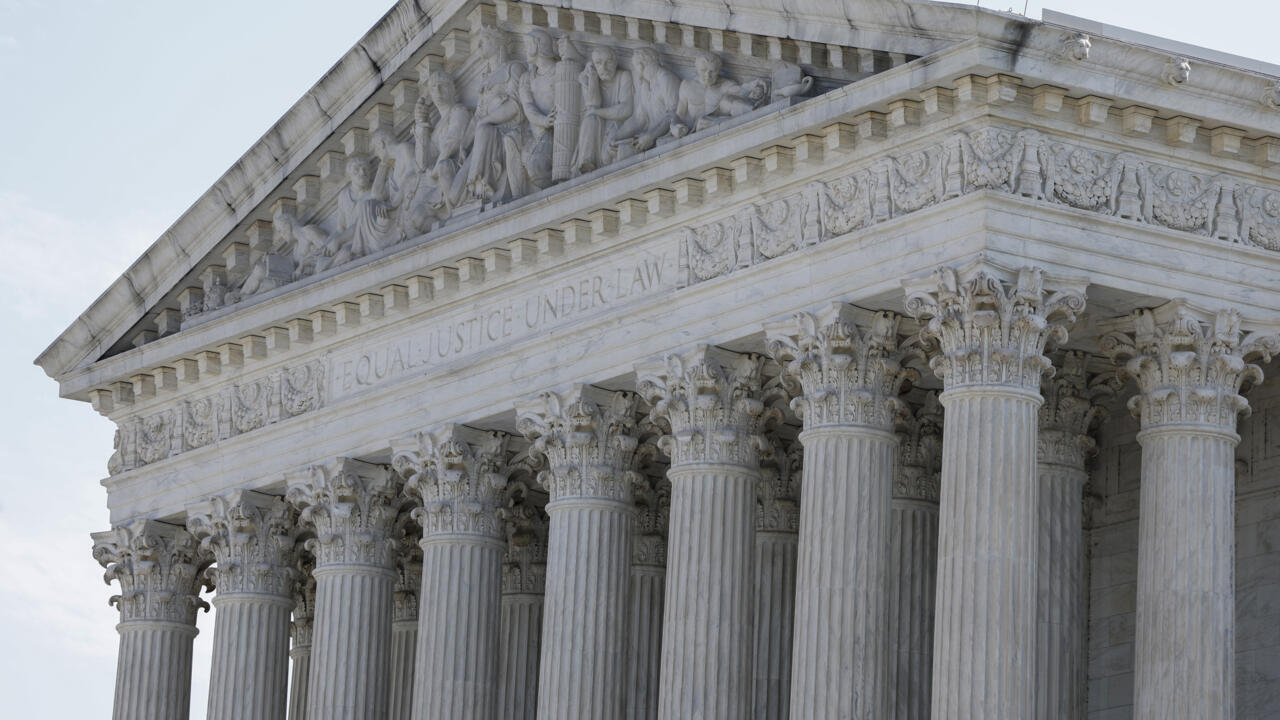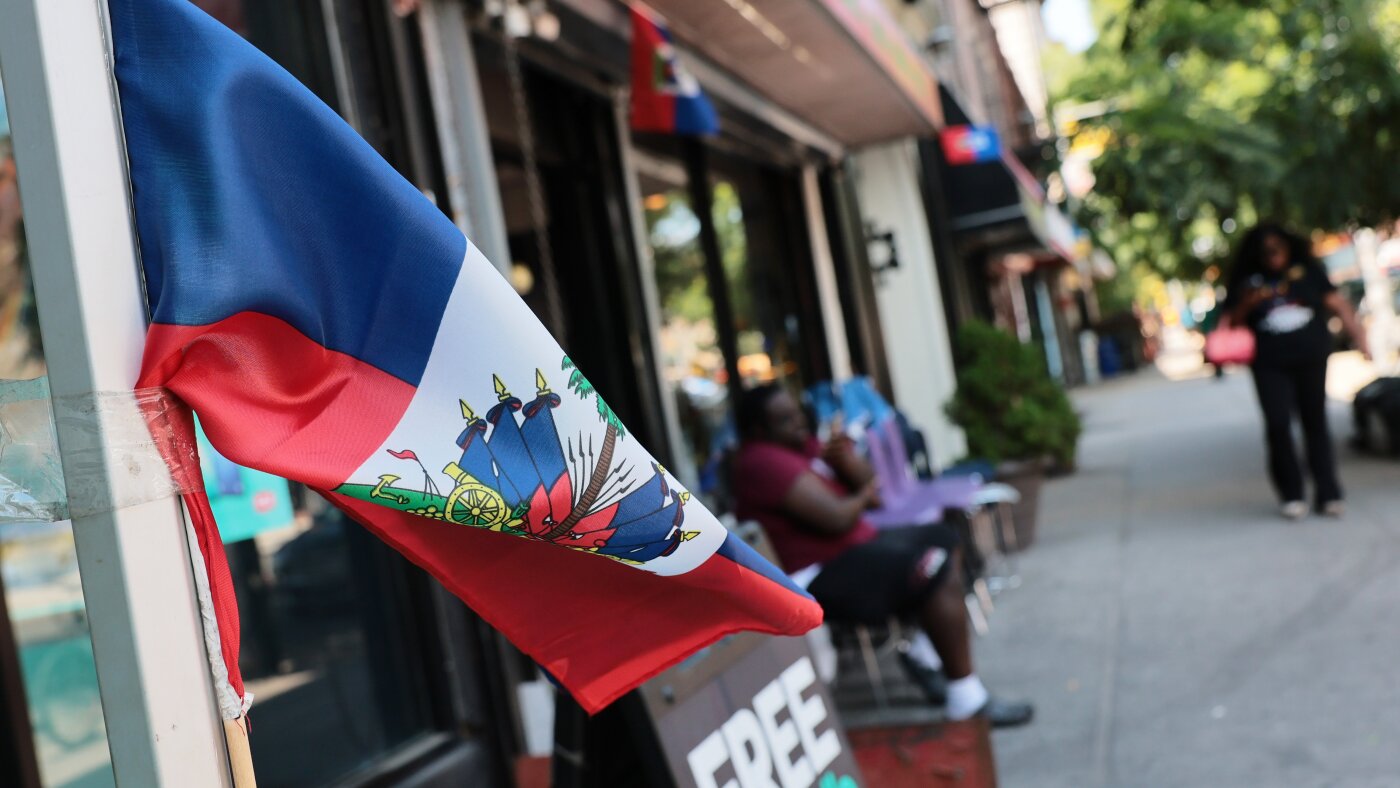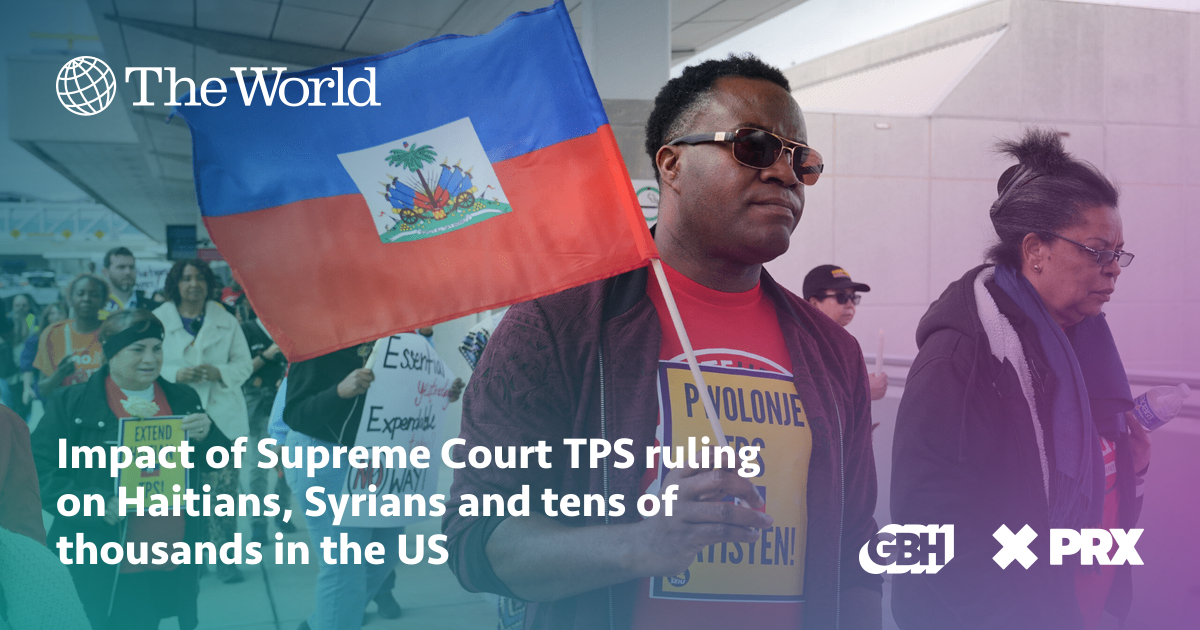
Public radio’s longest-running daily global news program.AboutContactDonateMeet the TeamPrivacyTerms of use©2026 The World from PRXPRX is a 501(c)(3) organization recognized by the IRS: #263347402.Impact of Supreme Court TPS ruling on Haitians, Syrians and tens of thousands in the USThe US Supreme Court has ruled that the Trump administration can end Temporary Protected Status (TPS) for Haitian and Syrian migrants, putting roughly 356,000 people at risk of losing work permits and facing deportation. To discuss the impact on Haitians in the US, we’re joined by Francois Pierre-Louis of Faith in Action International in New York. ImmigrationJune 29, 2026Updated: June 29, 20268:08A man carries a Haitian flag during a rally in support of the extension of Temporary Protected Status (TPS) for Haitian immigrants in Fort Lauderdale, Fla., Jan. 28, 2026.The US Supreme Court allowed the Trump administration to revoke legal protections for Haitians and Syrians in the US. More than 350,000 people will be at risk of deportation and losing their work authorizations. Many people are in the country under what’s called Temporary Protected Status, or TPS. It’s designed to prevent migrants from being deported to countries made unsafe by war or natural disasters. The Supreme Court’s decision ended that status for Syrians and Haitians. That means people may no longer be able to put food on the table for their kids, pay their rent or go to doctors’ appointments for themselves or their children.To dig deeper, The World’s Host Carolyn Beeler talked to François Pierre-Louis, the national director for Haiti at Faith in Action International. He said the community is devastated.“Because this will not only affect the 350,000 Haitians, but many other members of the family.”This photo made from video shows people at a rally in support of Haitians, June 25, 2026, in Springfield, Ohio, after the United States Supreme Court ruled that the Trump administration can end temporary protected status for Haitians and Syrians. Patrick Aftoora-Orsagos/APPeople march during a rally in support of the extension of Temporary Protected Status (TPS) for Haitian immigrants, Jan. 28, 2026, in Fort Lauderdale, Fla.Lynne Sladky/APFlorida US Rep. Sheila Cherfilus-McCormick speaks during a rally in support of the extension of Temporary Protected Status (TPS) for Haitian immigrants, Jan. 28, 2026, in Fort Lauderdale, Fla.Lynne Sladky/APWell, if you don’t leave the country and you are not legal, you don’t have a job, and if you are sick, you cannot go to the hospital, it’s possible that ICE will pick you up on the streets anytime. It creates a lot of fear within the community. So, other members of the community who are legal will have to support their family members, will have to shelter them. It would be a difficult situation for the whole community when you look at it, because even if they self-deport back to Haiti, right now the situation in Haiti doesn’t allow them to have a life, to have housing. Infrastructure is bad, and the gangs have occupied most of the country. And you have a government that is corrupt and not addressing the needs of the population.Sheena Warren Chery wears a Make Haiti Great Again hat at a news conference where community leaders spoke after a federal judge blocked the Trump administration from ending temporary immigration status, or TPS, for Haitians, Feb. 3, 2026, in North Miami. Lynne Sladky/APKrish Vignarajah, president of the nonprofit Global Refuge, said the ruling could affect other humanitarian programs and leave many people with few legal pathways to remain in the US. She added that Congress could still step in to protect TPS holders. Still, without legislative action, the decision could reshape the future of TPS and deepen uncertainty for immigrant communities.Click on the player above to hear more.Parts of this interview have been lightly edited for length and clarity.
Impact of Supreme Court TPS ruling on Haitians, Syrians and tens of thousands in the US - The World from PRX
The US Supreme Court has ruled that the Trump administration can end Temporary Protected Status (TPS) for Haitian and Syrian migrants, putting roughly 356,000 people at risk of losing work permits and facing deportation. To discuss the impact on Haitians in the US, we’re joined by Francois Pierre-Louis of Faith in Action International in New York.
624 words~3 min read