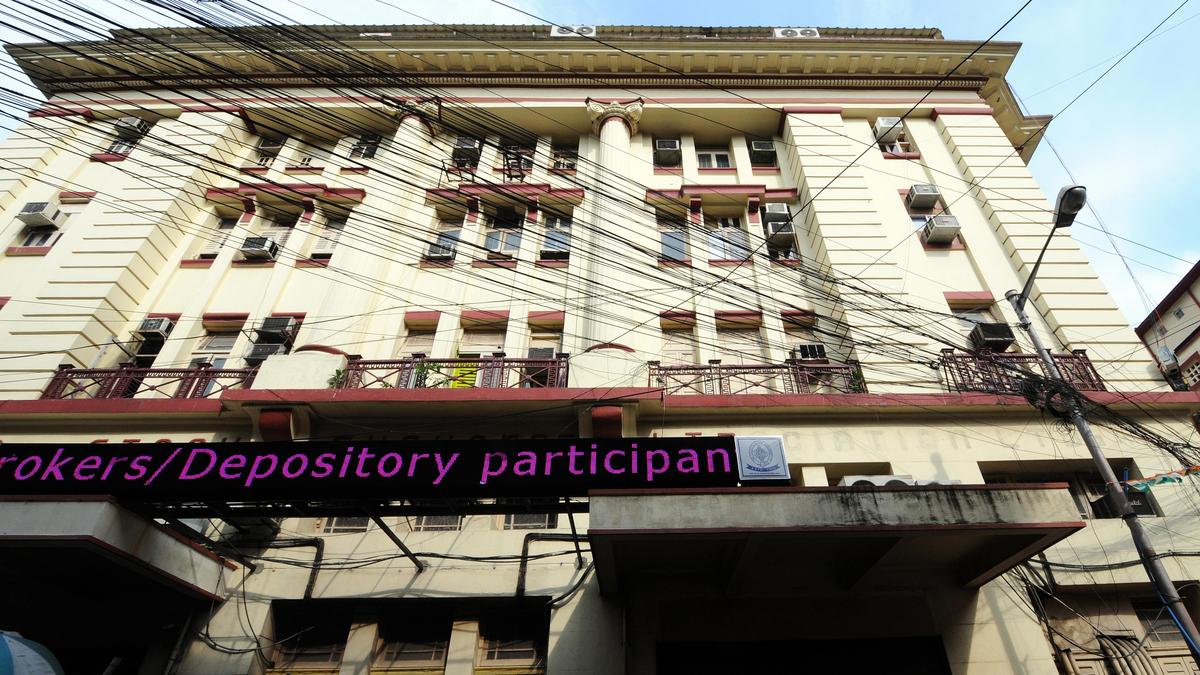
Move to revive the Calcutta Stock Exchange serves no purpose
| Photo Credit:
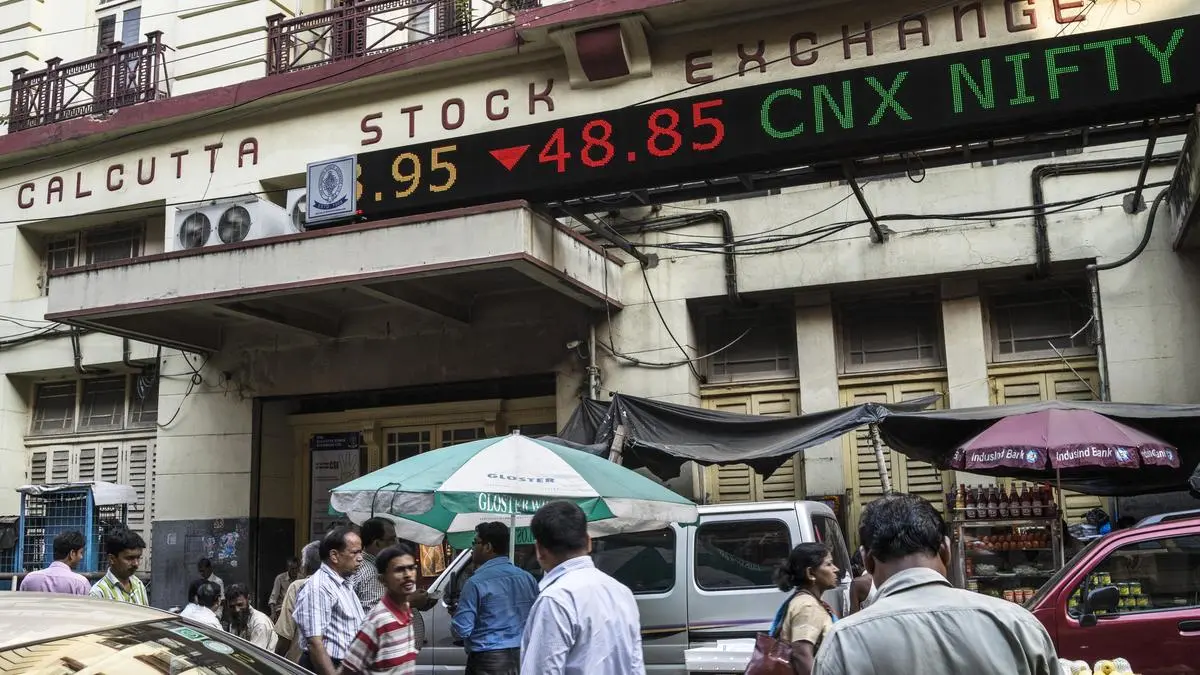
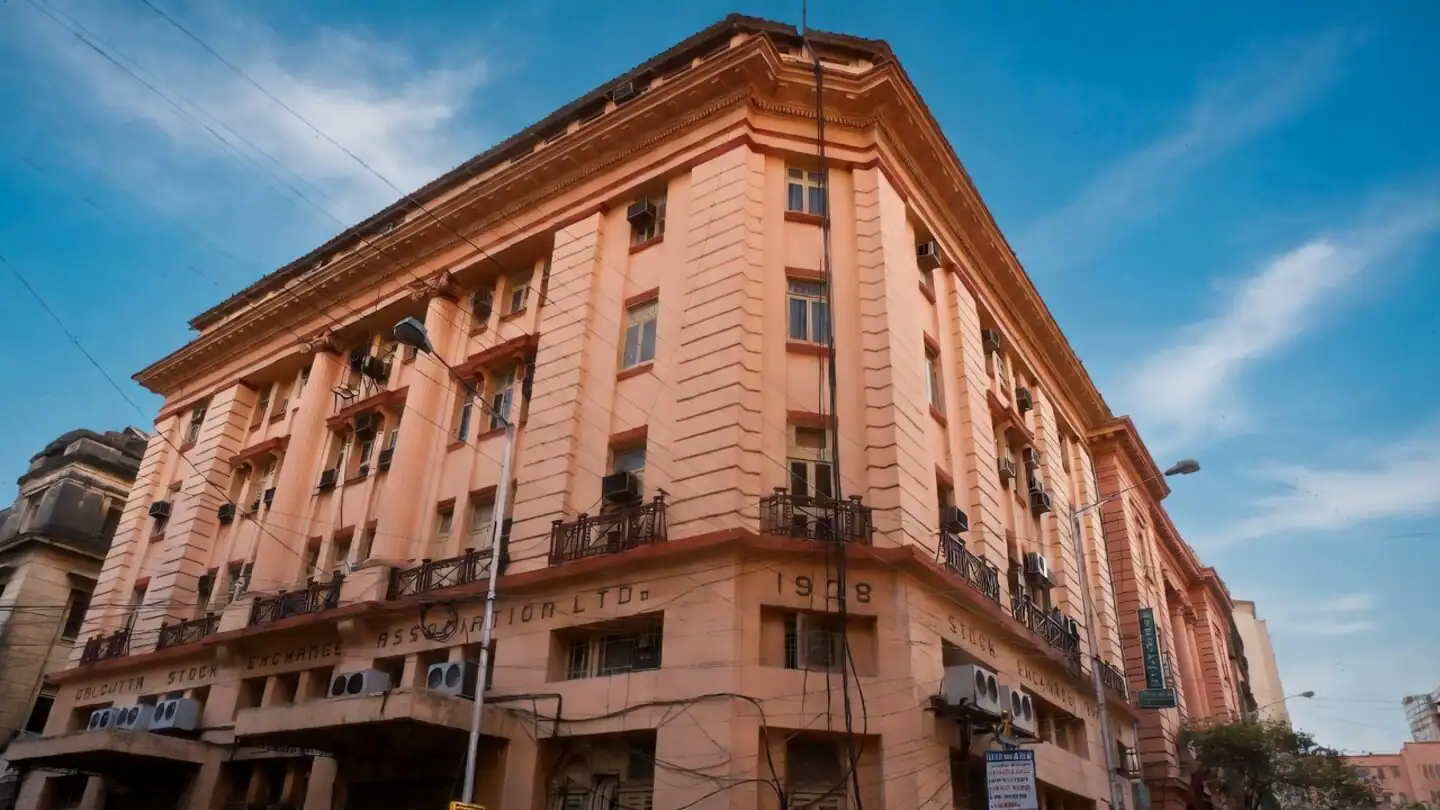
The West Bengal government’s effort to revive the Calcutta Stock Exchange (CSE) is baffling. Regional stock exchanges (RSEs) are vestiges of a bygone era when transactions were executed in stock exchange rings, availability of information was limited and channels of communication were restrictive. But with National Stock Exchange and Bombay Stock Exchange enabling nationwide satellite-linked trading on computer terminals in the 1990s, trading has become location-agnostic. As a result, RSEs have become redundant.Turnover had dropped sharply on RSEs since early 2000. Many of them formed subsidiaries which acted as intermediaries to route trades from their region into the NSE and the BSE. SEBI, therefore, took the right decision to provide an exit for these exchanges in 2013. It specified that RSEs without any trading on their platforms, or with an annual turnover under ₹1,000 crore and a networth under ₹100 crore, could apply for voluntary exit. Subsequently, SEBI initiated the proceedings for ‘compulsory exit’. As a result, 18 regional stock exchanges including the Madras, Delhi, Ahmedabad and Bangalore Stock Exchanges were granted exits between 2013 and 2019. The CSE, however, still exists, in a nominal sense. There has been no trading on the exchange since 2013. Trading was suspended because CSE did not comply with the requirement of setting up a clearing corporation.Today, there are several reasons why the proposal to revive it may not work. First, CSE does not look capable of meeting current turnover and net worth thresholds. Even if it does commence trading, it will have to spend heavily on upgrading its trading platform, setting up a clearing corporation, depository, surveillance and other technological infrastructure. Two, CSE enthusiasts believe that revival of the exchange will help fund raising and employment creation in the region — but that may not happen. The experience with Metropolitan Stock Exchange, Mumbai, shows that companies and investors flock to the largest and the most liquid exchange where price discovery is efficient, with a large number of buyers and sellers.Three, turning it into another SME exchange is not a good idea. The risks of price rigging, circular trading and unfair trade practices are higher in stocks of smaller companies. It may be recalled that stocks on CSE were manipulated heavily during the Ketan Parekh scam in 2001, leading to a payment crisis. Also, with both BSE and NSE offering platforms for listing and trading SME stocks, a regional stock exchange for these companies seems pointless. Lastly, revival of the exchange will amount to reversing the reforms initiated in 2013 to restrict trading to a few large and well-governed exchanges. If CSE opens its doors to trading, other regional exchanges could seek to commence operations too — leading to fresh monitoring worries for the regulator. Regional exchanges are an idea whose time has passed.Published on June 29, 2026