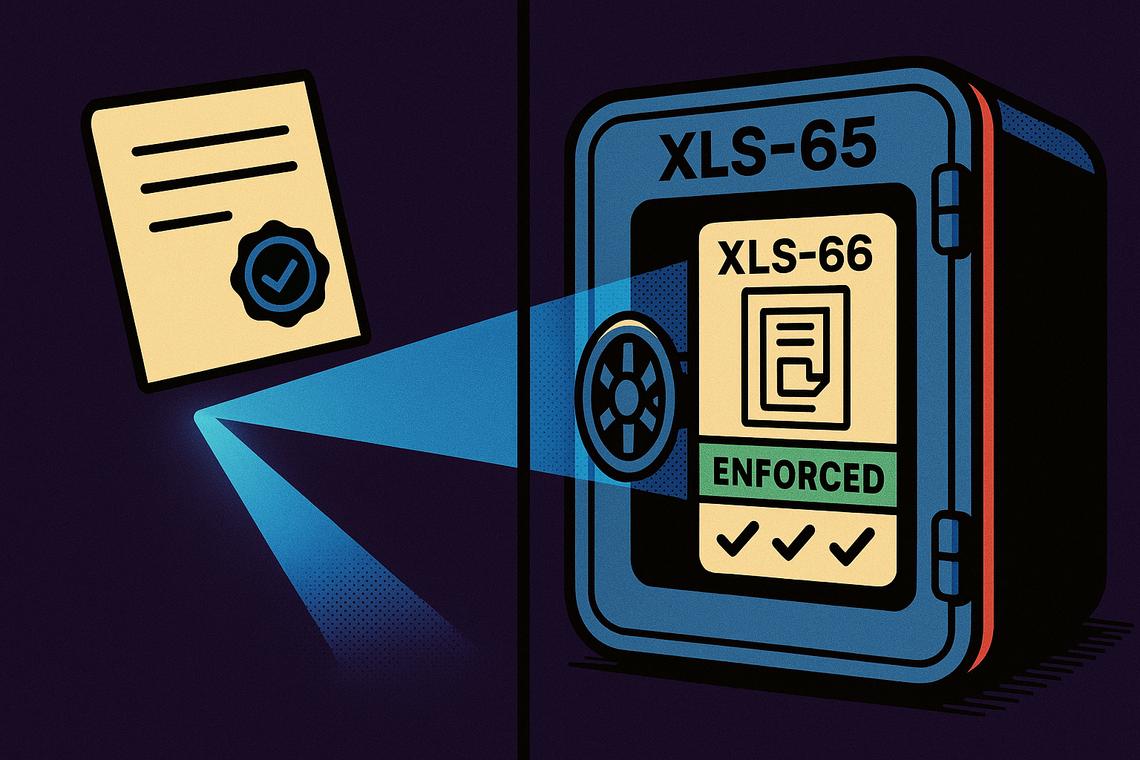
Ripple is pushing the XRP Ledger into institutional lending territory with the XLS-66 Lending Protocol, paired with XLS-65 Single Asset Vaults, a framework that enables fixed-term credit facilities funded by pooled deposits and settled automatically on-ledger. Institutions put assets into a vault, borrowers draw from that pool on defined terms, and the ledger handles repayment mechanics without a middleman touching the money.
The underwriting still happens off-chain. Risk assessment, credit decisions, compliance checks: all conducted before anything touches the ledger. Once approved, execution is automated.
How the protocol actually works
Single Asset Vaults, defined under XLS-65, are the deposit side of the equation. Liquidity providers deposit into these vaults, which then fund fixed-term loans to institutional borrowers.
The loans themselves are uncollateralized in the traditional crypto sense. There is no overcollateralization requirement like you would see on Aave or Compound. Instead, underwriting happens through off-chain credit assessment, which means the protocol is explicitly designed for institutions that can be evaluated like real-world borrowers, not anonymous wallets.