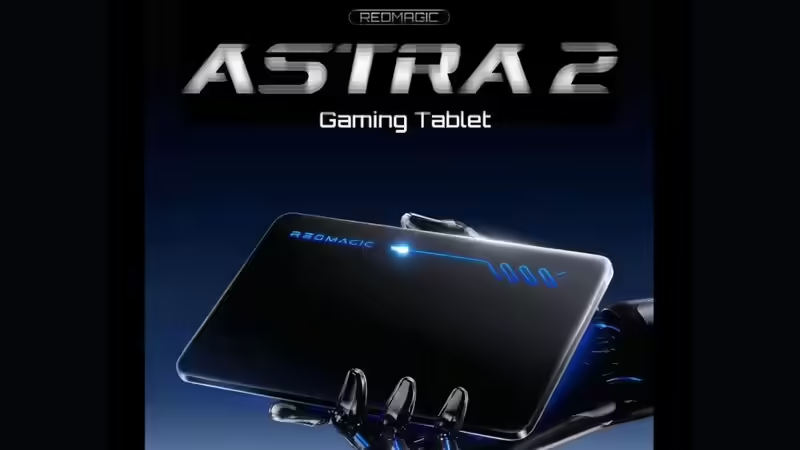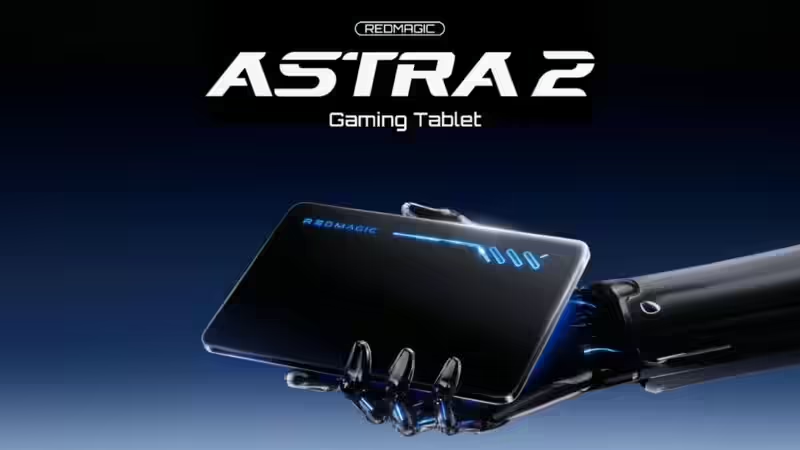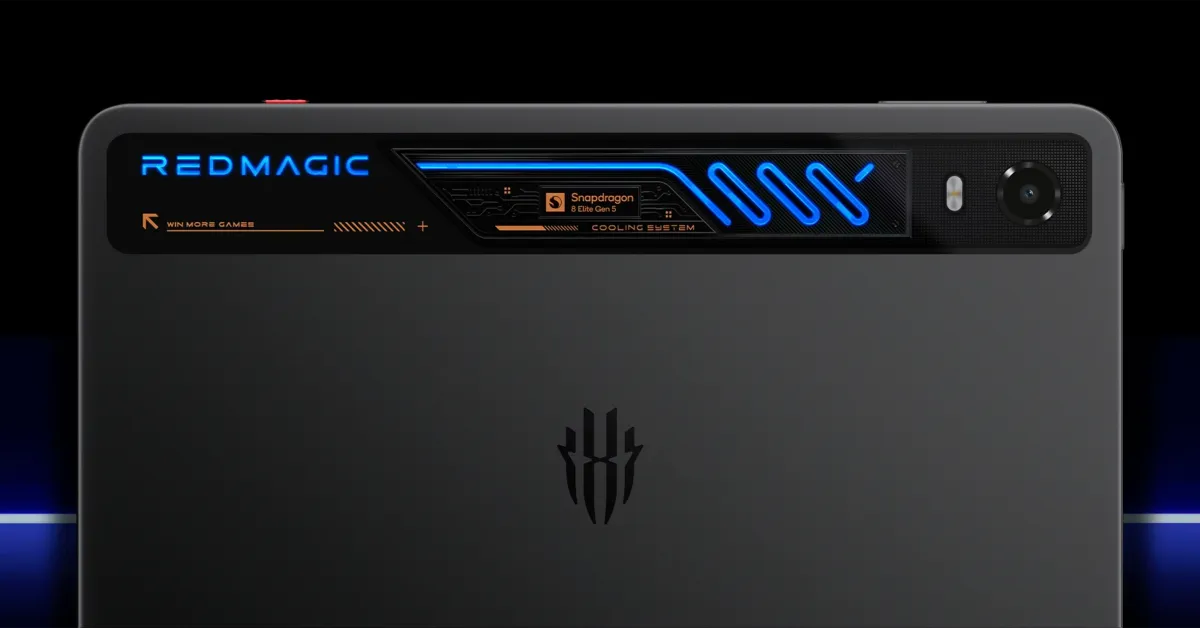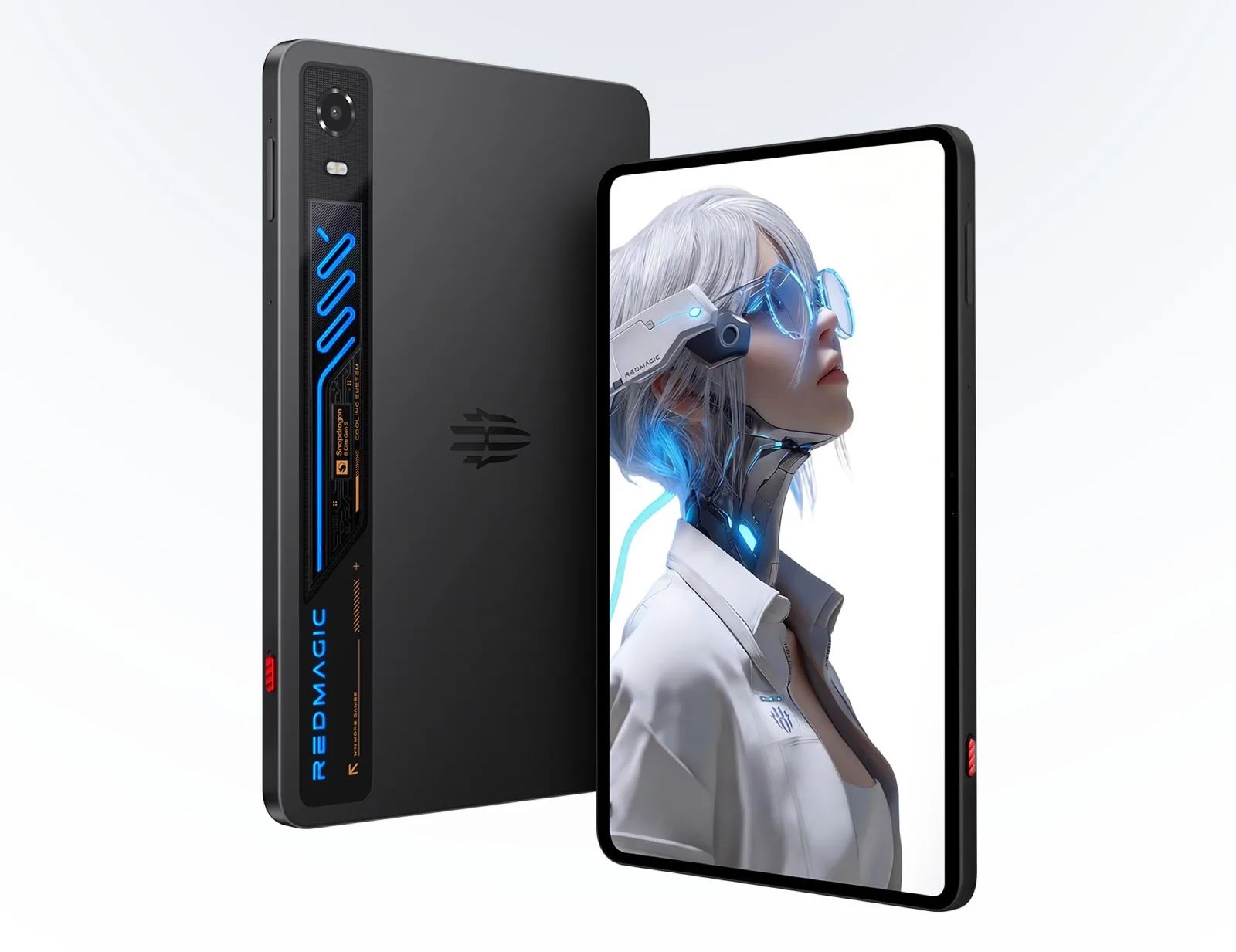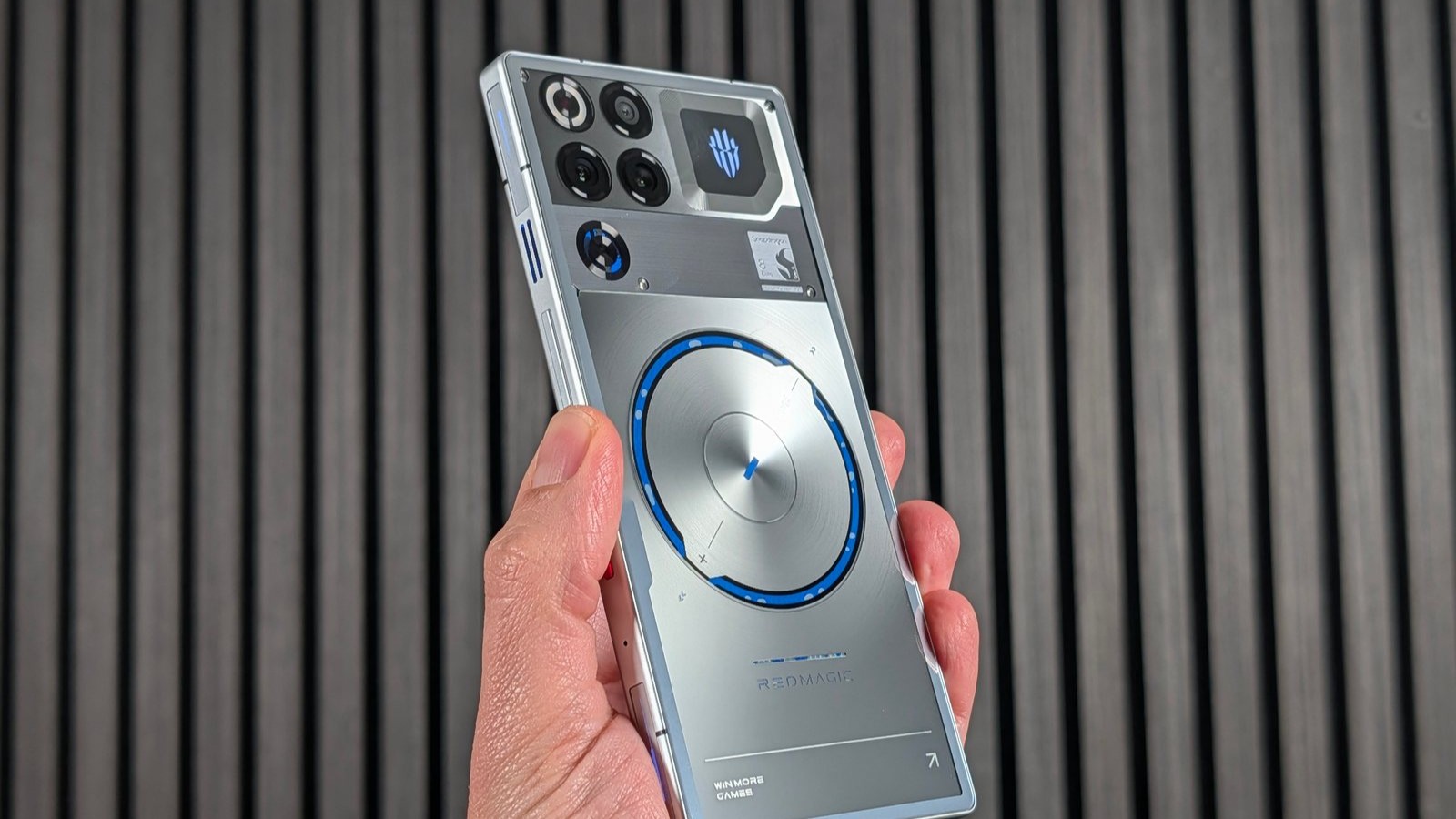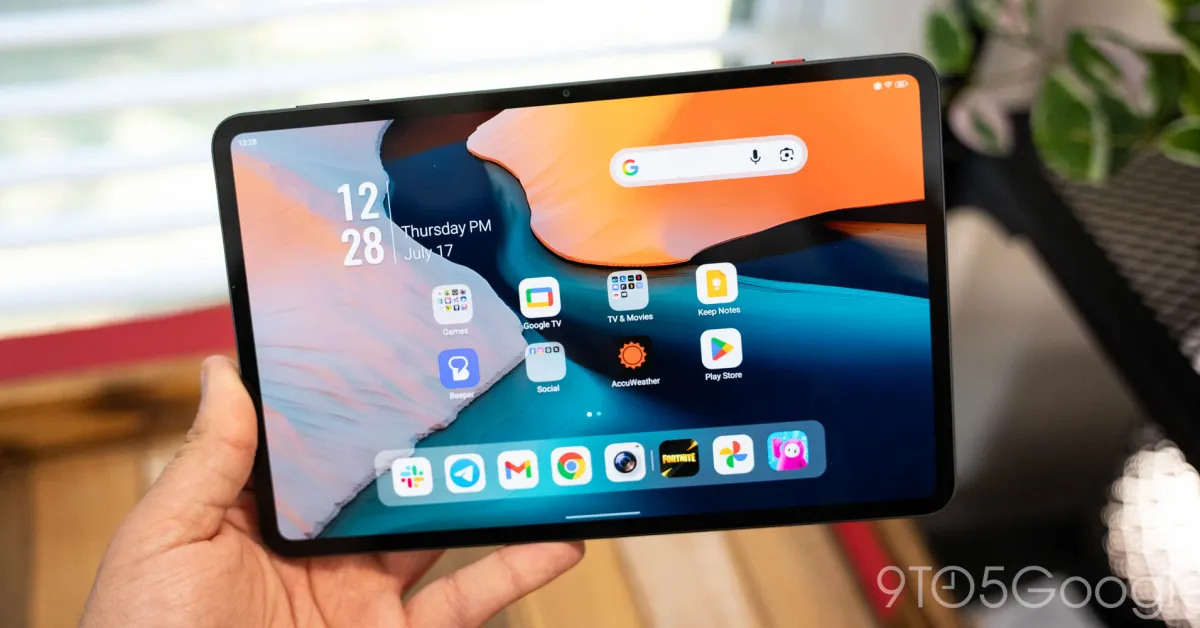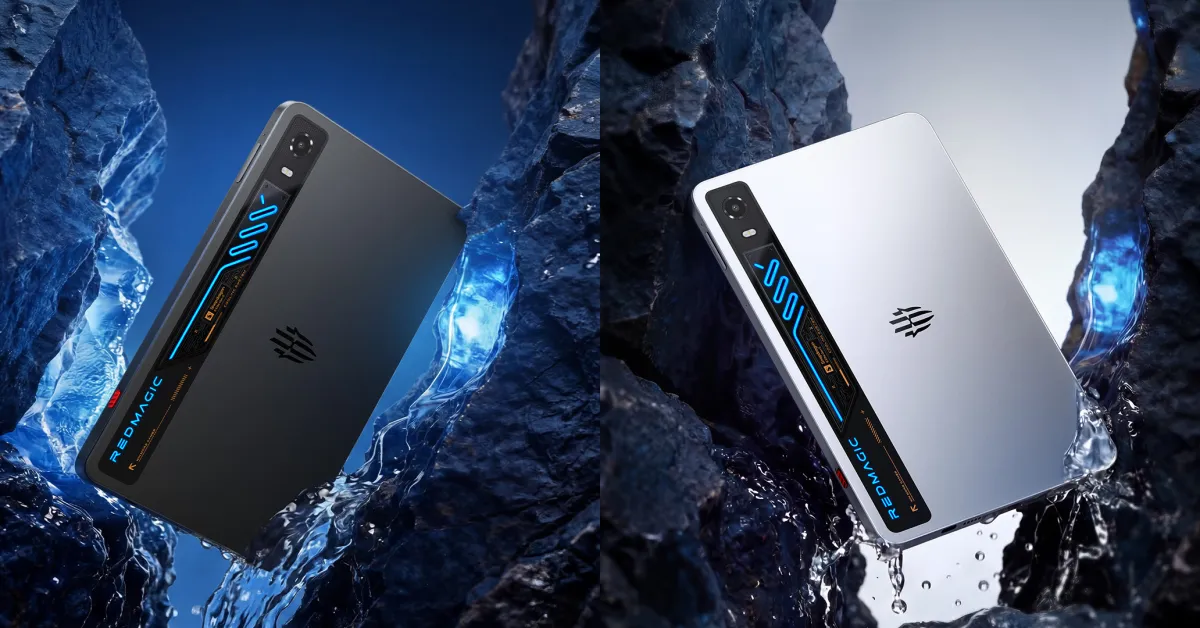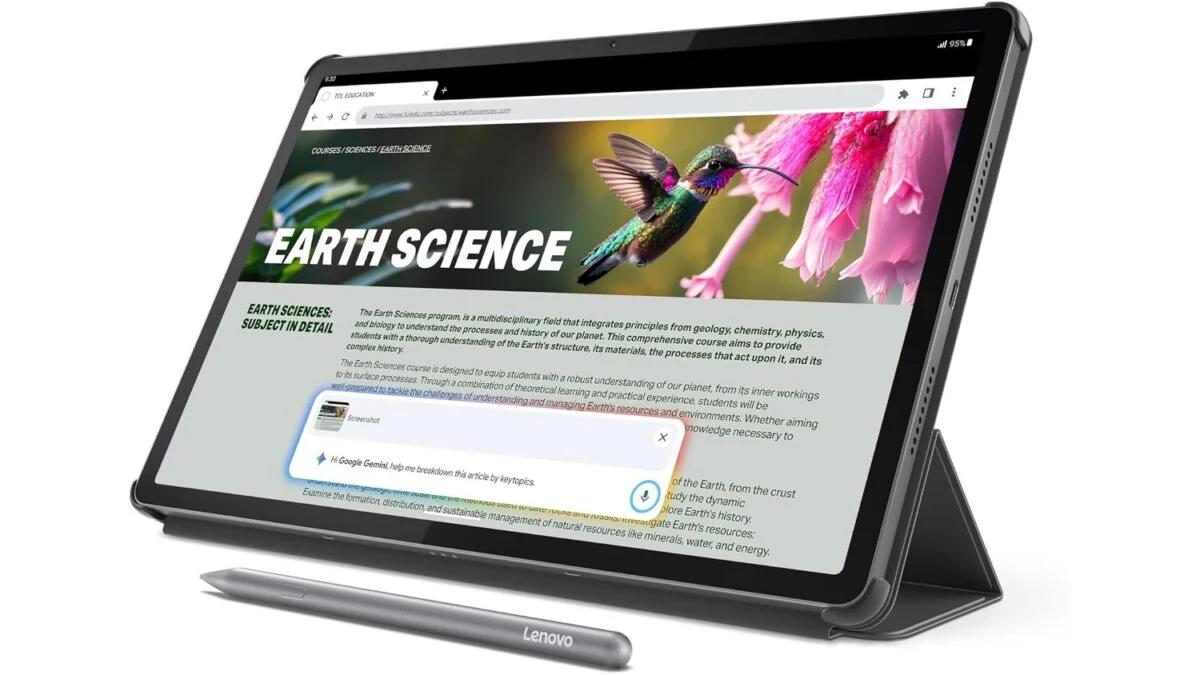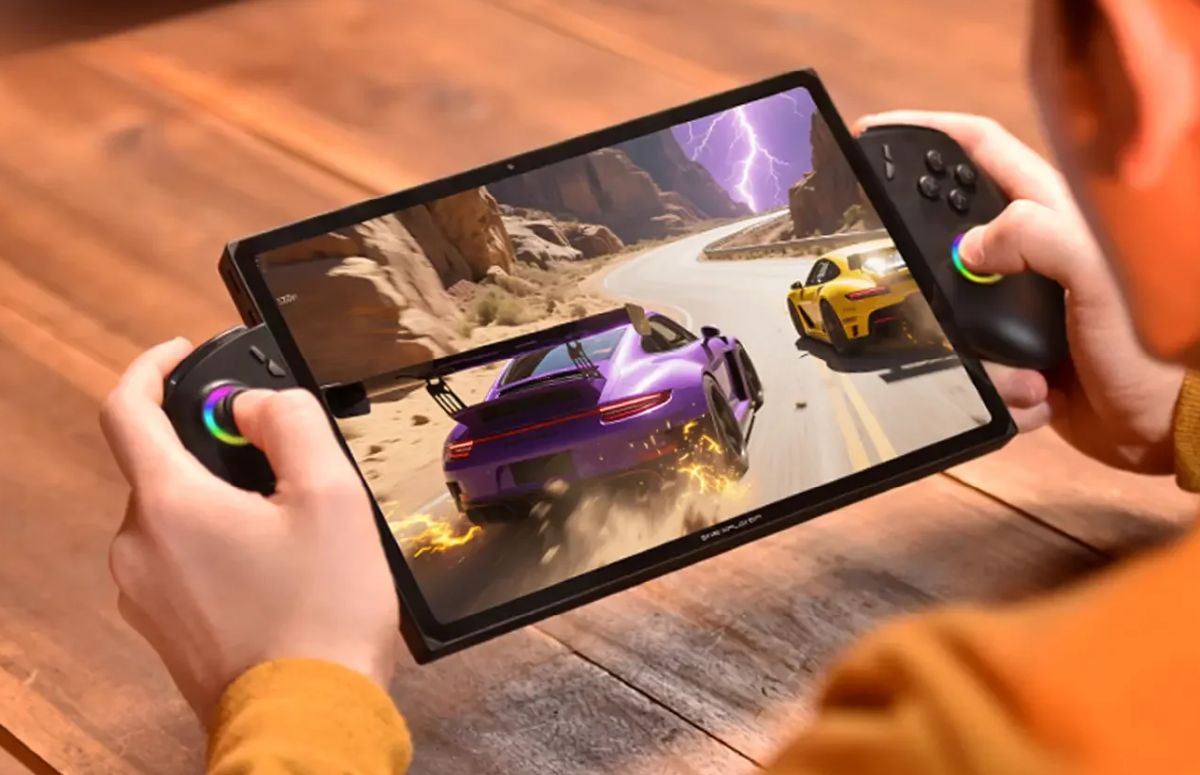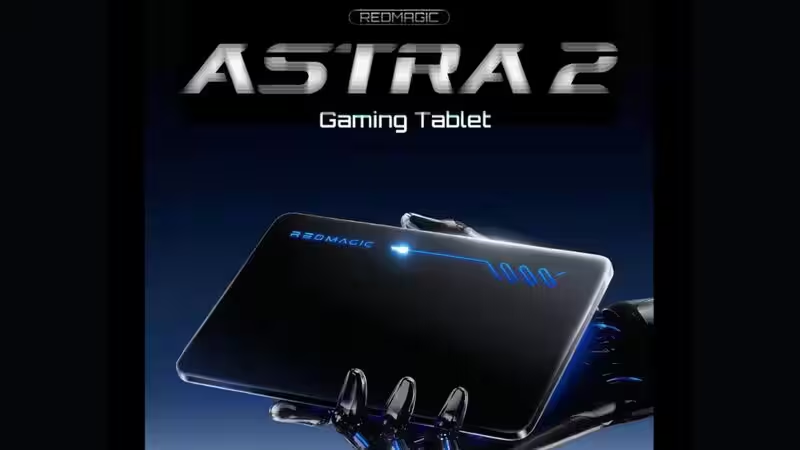
RedMagic confirms the Gaming Tablet 5 Pro — a 9.06-inch OLED gaming slate built on the Snapdragon 8 Elite Gen 5 — for a China debut on 30 June, and the headline ambition sits a layer below the hardware. This tablet wants to run PC games. Real x86 titles from your Steam library, rather than mobile ports dressed up for a big screen, played on ARM silicon through software RedMagic wrote itself.The mechanism is a translation layer. PCs speak x86; phones and tablets speak ARM, and the two architectures behave like separate languages that need an interpreter between them. RedMagic threads that interpreter into its Game Space app, converting PC instructions into something the Snapdragon understands on the fly. Supported AAA titles run straight out of the box, the company claims, at resolutions up to 2K and refresh rates up to 144Hz. Players pull in existing Steam libraries through a Steam Direct mode or sideload games via EXE files, with save data following them across platforms.About The AuthorJournalist and a writer with a strong interest in news, culture, technology, and human-interest stories. Passionate about making complex topics accessible and engaging.Why this matters more than any single spec: handheld gaming has split into camps. Nintendo's Switch line leans on exclusives, Valve's Steam Deck ports the PC library to a Windows-class handheld, and the mobile world chases raw silicon. RedMagic plants the Gaming Tablet 5 Pro in the gap between them — a pocket-adjacent Android slate that borrows the Steam Deck's promise while keeping a phone-grade chip and a phone-grade price ambition. Land that, and the line between handheld and gaming PC blurs by another notch.Key TakeawaysLaunchChina debut on 30 June; global release to follow as the RedMagic Astra 2Headline featureBuilt-in PC emulator runs supported AAA titles from Steam or EXE files, up to 2K and 144HzSiliconSnapdragon 8 Elite Gen 5 (4. 6GHz) plus RedMagic's own RedCore R4 chip and CUBE Gaming Engine 3.0Display9.06-inch 2. 4K OLED, 185Hz, 1,600 nits, HDR10CoolingActive liquid-cooling driven by a piezoelectric micropump, visible through a transparent backBattery8,300mAh, 80W wired, dual USB-C with bypass chargingPriceReserved for the China eventHow the built-in PC emulator worksThe headline trick lives entirely in software, and RedMagic built it in-house. The translation layer sits inside Game Space, the same gaming hub that runs across the company's phones, so the emulator arrives as a feature of the OS rather than a separate download. RedMagic posted a Weibo video showing the system in action, with the tablet paired to one of its own controllers, plug-and-play handle support, keyboard-and-mouse input, and live display projection to a larger screen.The engineering problem behind it runs deep. Early emulators leaned on pure instruction interpretation, translating each PC command one at a time, which throttled performance to a crawl. Modern systems optimise that translation, caching and batching instructions so the conversion cost shrinks. RedMagic claims its layer reaches the point where supported AAA games launch without extra tooling, carry their save files across from a desktop, and hold a playable frame rate. The breadth of that supported-title list waits on hands-on testing — a claim of "AAA games out of the box" earns its weight only once a dozen demanding titles run on a retail unit.Two chips, one jobMore articles by AuthorTrending StoriesPower starts with the Snapdragon 8 Elite Gen 5 clocked at 4. 6GHz, the strongest consumer mobile platform on the market today, built on Qualcomm's third-generation Oryon architecture. Beside it sits the RedCore R4, RedMagic's own gaming co-processor, the same silicon the company drops into its 11-series phones. The R4 handles display and touch tasks the main chip would otherwise carry — frame interpolation, super-resolution upscaling, latency trimming — which frees the Snapdragon to push the game itself.RedMagic layers its CUBE Gaming Engine 3.0 on top, the software half of the pairing, tuned for super-resolution and super-frame concurrency. The logic holds together: a flagship chip supplies the horsepower, a dedicated co-processor smooths the output, and the engine stitches the two into a steady stream. The previous Astra ran a single Qualcomm part; this generation keeps the second chip that defines the RedMagic identity.Keeping the water movingThermals carry the real engineering story, because silicon throttles the moment it overheats and a PC emulator pushing a Gen 5 chip generates serious heat. RedMagic answers with its Magic Cooling architecture: a super-large vapour chamber, a pulsation water-cooled engine, and Liquid Metal 3.0 packed between the chip and the battery. Driving the loop is a self-developed piezoelectric micropump that measures 0. 48mm thick, draws 8mW, and pushes 100kPa of pressure — small enough to fit a tablet chassis, strong enough to circulate coolant under load.A tablet body buys RedMagic room a phone lacks, and the company spends it on a genuine liquid-cooling circuit rather than a passive plate. The whole assembly sits behind a transparent rear panel ringed with RGB lighting, so the cooling hardware doubles as the design language. The payoff RedMagic chases is endurance: a benchmark burst proves little, but holding peak clocks through an hour of an emulated AAA title is the test that sells the concept.185Hz, 1,600 nits, and an 8,300mAh trade-offThe 9.06-inch OLED uses a fresh X10 luminescent material and runs at 185Hz, up from 165Hz on the Astra, with a 1,600-nit peak, HDR10, a 1ms response, a 16:10 ratio, and a 90.1 per cent screen-to-body figure. A Synaptics S3930 touch chip handles input with a 2000Hz instant tick rate, 300Hz multi-finger sampling, 10x super-resolution touch, and wet-hand support, alongside Star Shield Eye Protection 2.0 for longer sessions.Energy comes from an 8,300mAh cell with 80W wired charging across dual USB-C ports. The dual-port layout earns its place during play — one cable charges the tablet while the other feeds a controller or a dongle — and bypass charging routes power straight to the board to cut heat during simultaneous charging and gaming. The cell trails the 9,000mAh pack in Lenovo's rival, a gap RedMagic answers with faster 80W charging against Lenovo's 68W.Full spec sheetSpecRedMagic Gaming Tablet 5 ProDisplay9.06-inch OLED, 2. 4K, 185Hz, 1,600 nits, HDR10, 16:10, 90.1 per cent screen-to-bodyDisplay techX10 luminescent material, 1ms response, Star Shield Eye Protection 2.0TouchSynaptics S3930, 2000Hz tick rate, 300Hz multi-finger, wet-hand supportChipsetSnapdragon 8 Elite Gen 5 (4. 6GHz) + RedCore R4EngineRedMagic CUBE Gaming Engine 3.0CoolingPiezoelectric micropump, super-large VC, pulsation engine, Liquid Metal 3.0Battery8,300mAh, 80W wired, bypass chargingPortsDual USB-CRAM / storageUp to 24GB / 1TBEmulatorSteam Direct mode, EXE install, 2K / 144Hz, cross-platform savesColoursDeuterium Edge Transparent Silver Wing, Dark NightGlobal nameRedMagic Astra 2Where it sits against Lenovo, Valve, and NintendoThe direct rival is the Lenovo Legion Tab Gen 5, and RedMagic trades a larger battery for a faster fill and a higher refresh ceiling. Step wider and the comparison sharpens: the Switch 2 tops out near 120Hz, the Steam Deck OLED around 90Hz, so a 185Hz panel hands FPS and MOBA players a response-time edge the consoles lack. Against the iPad Pro and its 120Hz ProMotion, the RedMagic argues smoothness over polish.The three-camp split frames the bet cleanly. Nintendo owns content, Valve owns the PC library, and RedMagic gambles that mass-market gamers want flagship Android performance with a PC emulator riding shotgun — all at a price closer to a phone than a handheld console. The historical caveat stands: RedMagic hardware tends to outrun its software, and buyers weighing this tablet trade a touch of polish for a lot of raw capability.Until 30 June, the number stays hiddenRedMagic holds pricing for the China event, reserving the figure for launch day. The global name stands confirmed as the Astra 2, following the pattern set last year when the Gaming Tablet 3 Pro reached worldwide shelves as the Astra a month after its China bow. India availability and price remain open, and RedMagic keeps a thin official retail footprint in the market, so a local launch waits on the company rather than the calendar.RedMagic names its colours after Deuterium — fusion fuel, the stuff of starship reactors. The conceit fits. The Gaming Tablet 5 Pro pours desktop ambition into a nine-inch reactor and trusts the water loop to hold the line. On 30 June, the price tag lights the fuse.FAQ1. When does the RedMagic Gaming Tablet 5 Pro launch?RedMagic unveils it in China on 30 June, with a global release to follow as the RedMagic Astra 2.2. How does the built-in PC emulator work?A translation layer inside Game Space converts x86 PC instructions for the tablet's ARM chip, letting supported AAA titles run at up to 2K and 144Hz through a Steam Direct mode or EXE installs, with saves carried across platforms.3. Which chips power the tablet?The Snapdragon 8 Elite Gen 5 at 4. 6GHz, paired with RedMagic's own RedCore R4 gaming co-processor and CUBE Gaming Engine 3.0.4. Why does it use liquid cooling?A flagship chip running a PC emulator generates heat that throttles performance; the Magic Cooling loop, driven by a piezoelectric micropump, circulates coolant to hold peak clocks through long sessions.5. How much will it cost in India?RedMagic reserves pricing for the China event, and an India price and date stay unconfirmed.end of article
RedMagic Gaming Tablet 5 Pro Runs Real PC Games On A 9-Inch Screen
RedMagic confirms the Gaming Tablet 5 Pro for a 30 June China debut, built around a PC emulator, a Snapdragon 8 Elite Gen 5, liquid cooling, and a global Astra 2 release to follow.
1,512 words~7 min read