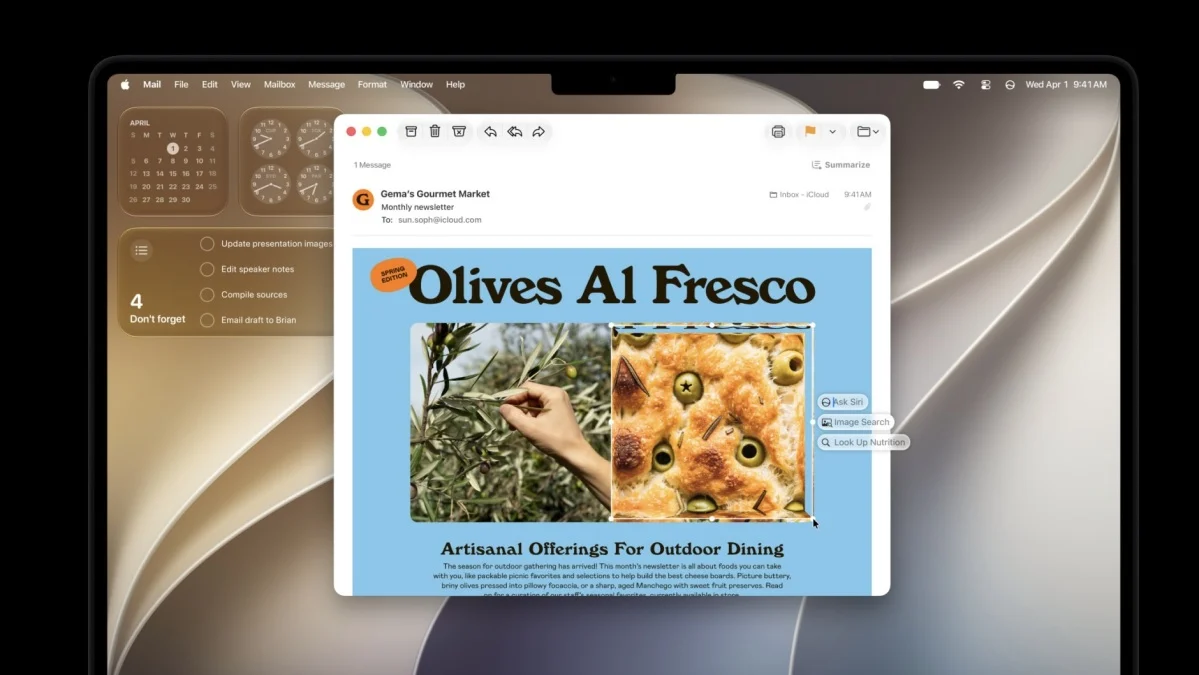
In 1987, Apple released a four-minute vision of computing that was nearly 40 years ahead of its time.
The video, named Knowledge Navigator, showed a professor at his desk talking to a digital agent on a tablet-style computer. The agent surfaced new research, reminded him of an upcoming lecture he was scheduled to deliver, and dialed in a colleague to help with the material. It moved between modes without being asked. Voice when voice made sense. Screen when screen made sense.
Today, work still happens largely from app to app. You open a dashboard to check last quarter’s numbers or fire up a spreadsheet to project this month’s sales. Each is a destination you visit to get something done.
But thanks to agentic AI, work increasingly happens within the tool you’re already using. Ask a question, crunch the numbers, produce a chart, all without opening separate programs to do so.
If you’re working in, say, Slack, WhatsApp, or Telegram, the open-source agents OpenClaw and Hermes carry out their instructions there, where you already are. Claude Code goes further by generating the interface itself. That matters because a machine that builds interfaces on demand can tailor them to an individual, then discard them when the task is done: bigger letters for the visually impaired, an app in someone’s native language, a voice interface for someone whose hands are busy, a simpler view for new hires that fills in as they demonstrate fluency.