Add as a preferred source on Google
Table of Contents
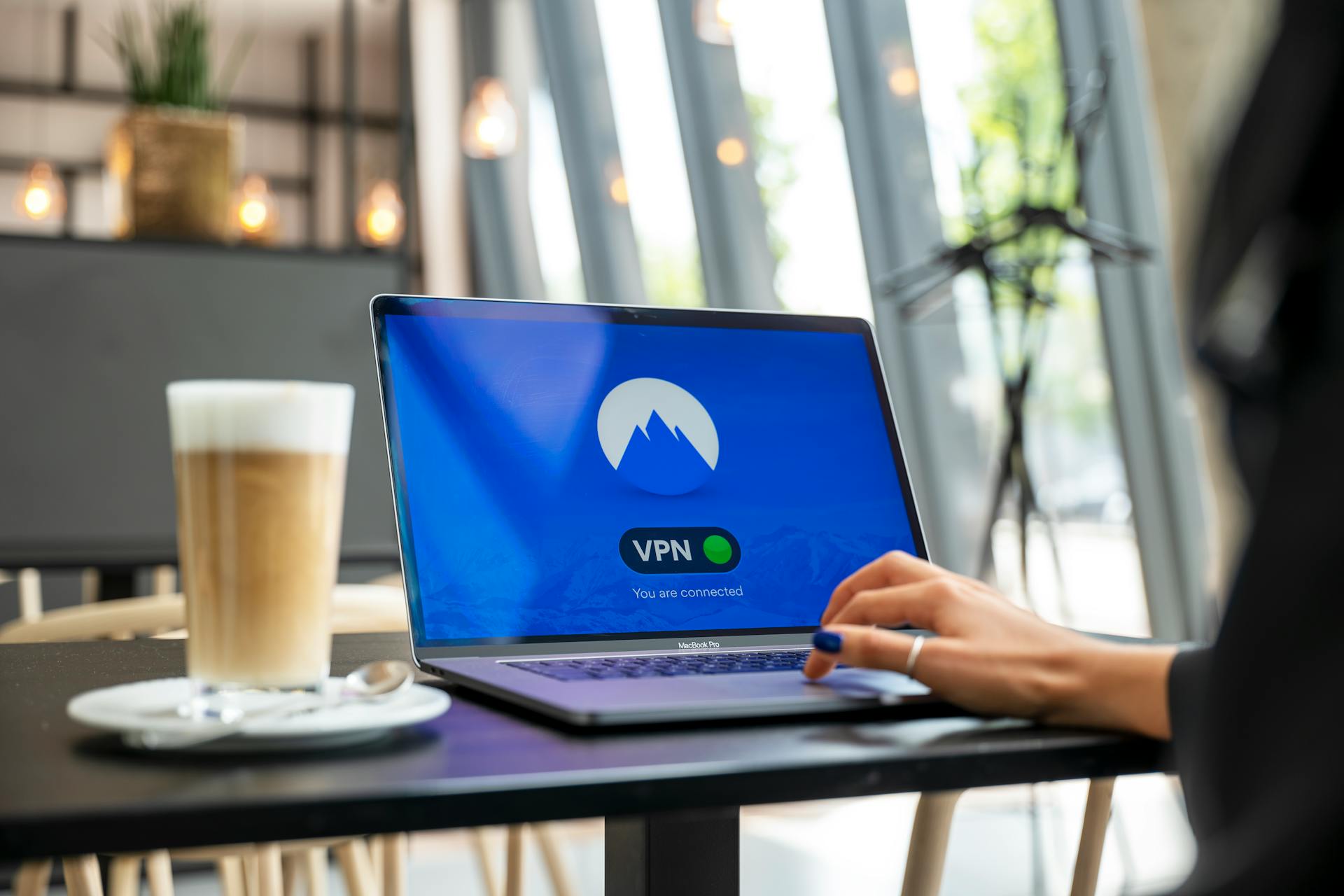
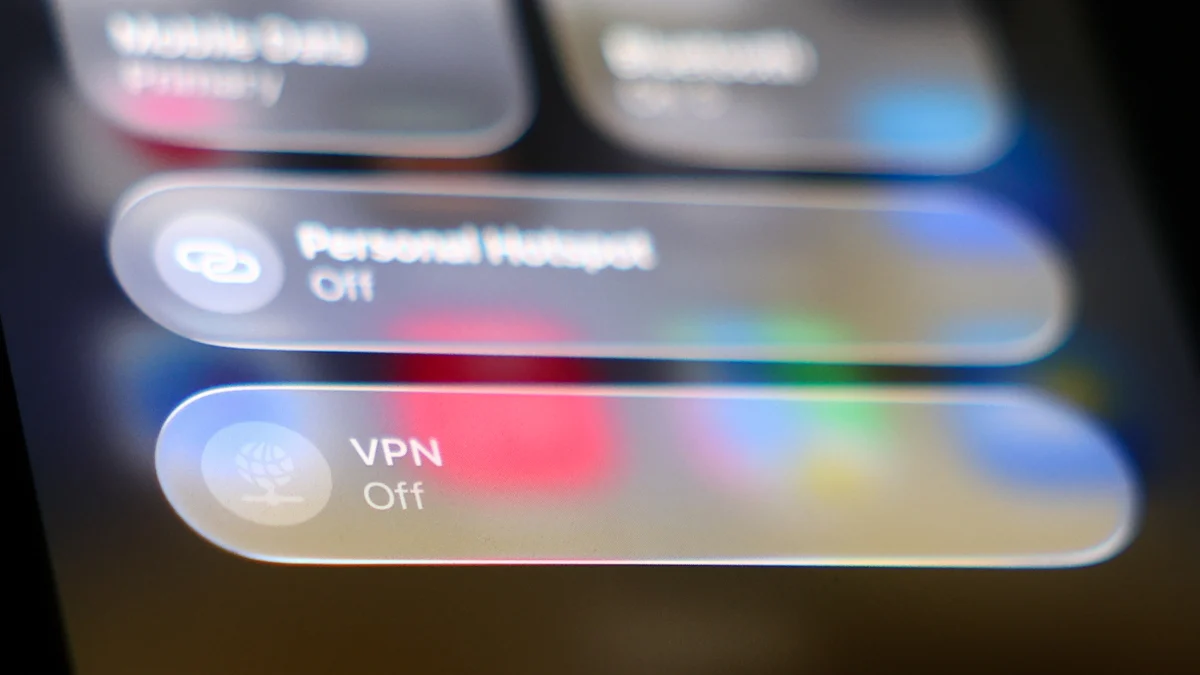
VPNs are a fantastic security tool. While they aren't infallible, a properly configured VPN can secure your traffic across apps and websites. But the added network latency can slow down apps that rely on high bandwidth usage or lock you out from those that specifically ban network spoofing, putting up roadblocks as you try to use the internet. That's where split tunneling comes in.Split tunneling is a relatively new VPN feature that lets you route specific apps or websites through your VPN, while the rest of your device’s network uses your unencrypted network. That way, you can stay protected while browsing the internet while allowing exceptions for your banking app or local printer. While not all VPN providers support it on every device, split tunneling remains a very useful feature that takes only a few clicks to enable and customize. It gives you greater control over your digital footprint and prioritizes convenience without hurting your security. What split tunneling does with your VPN By default, VPN providers will route all your network traffic through an encrypted tunnel that hides your IP address once enabled. It’s great for maintaining privacy or avoiding censorship, but it can create problems for you when you’re using your banking app, printing something over wifi, or using banking apps that need to verify your geographical location.