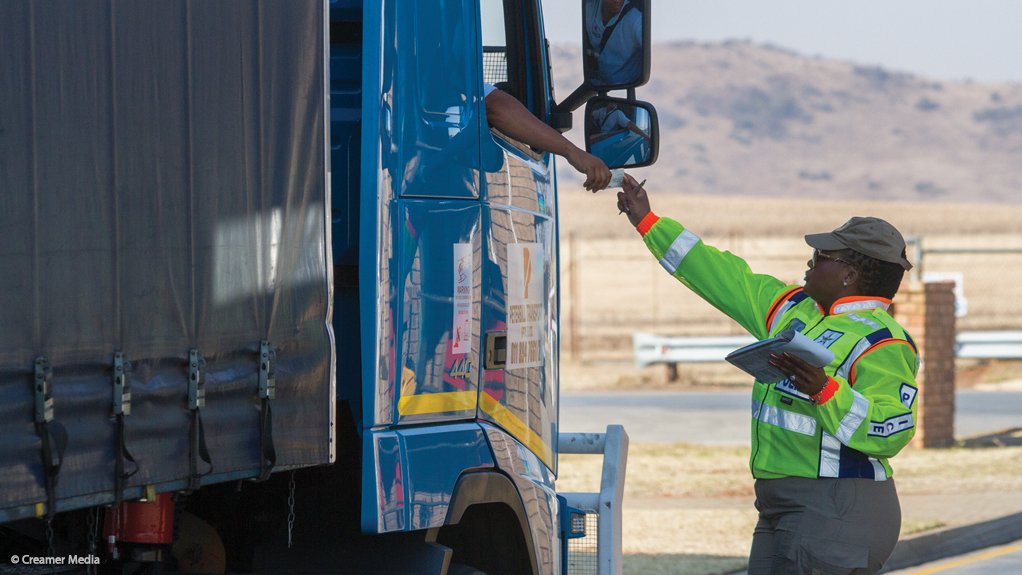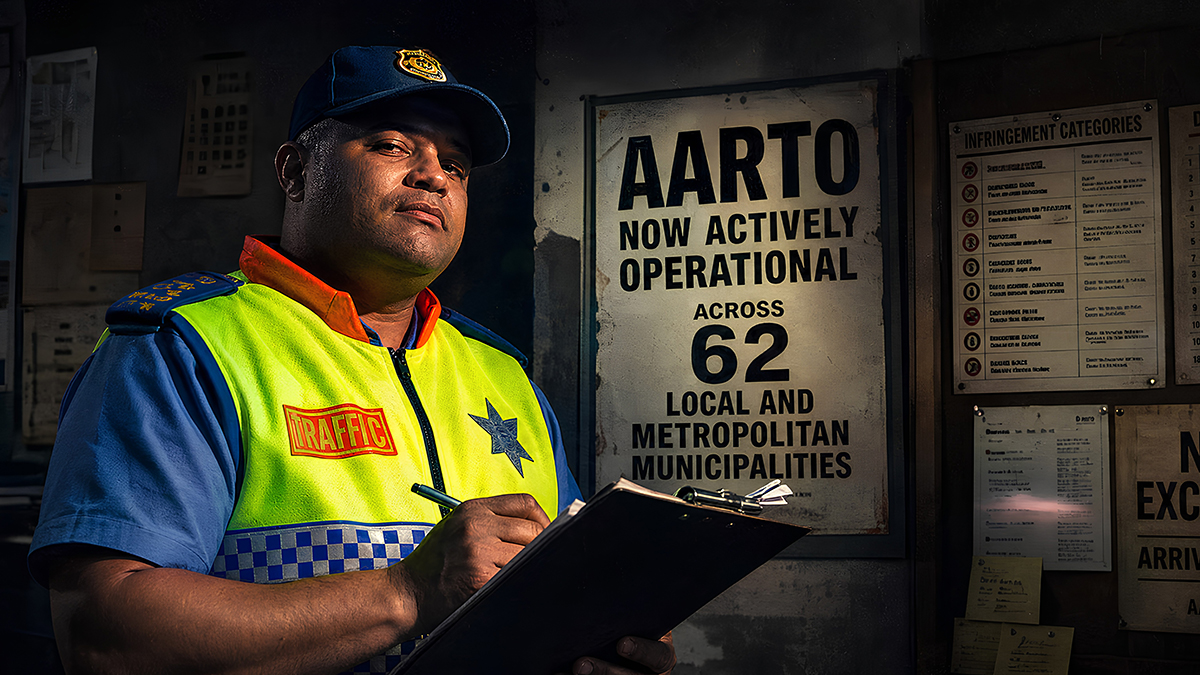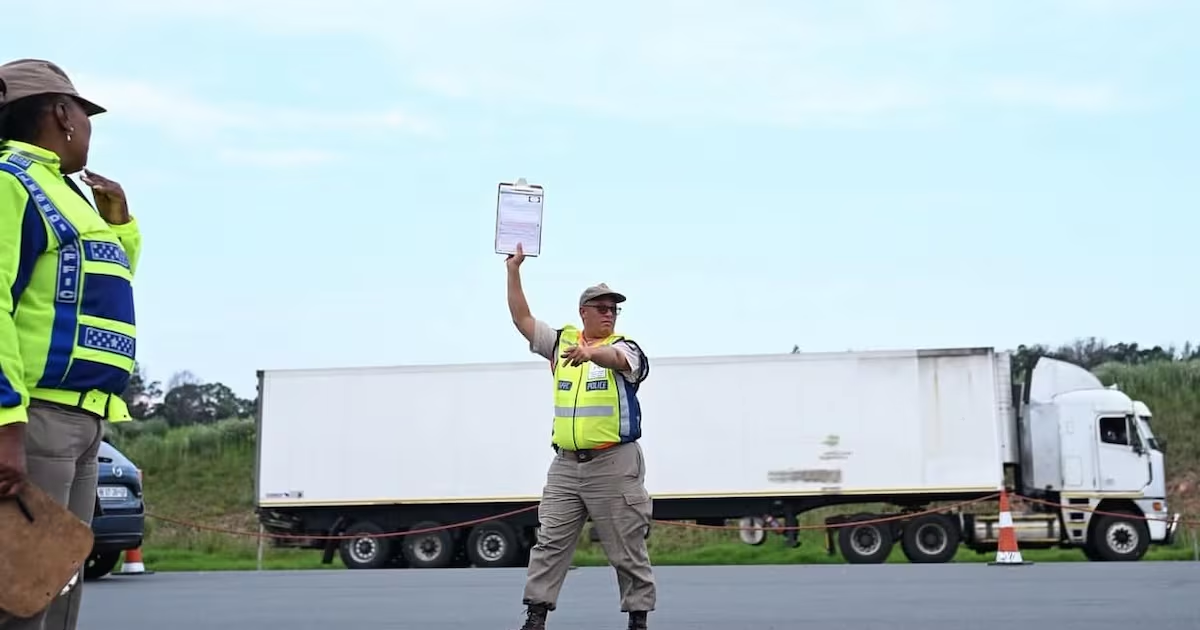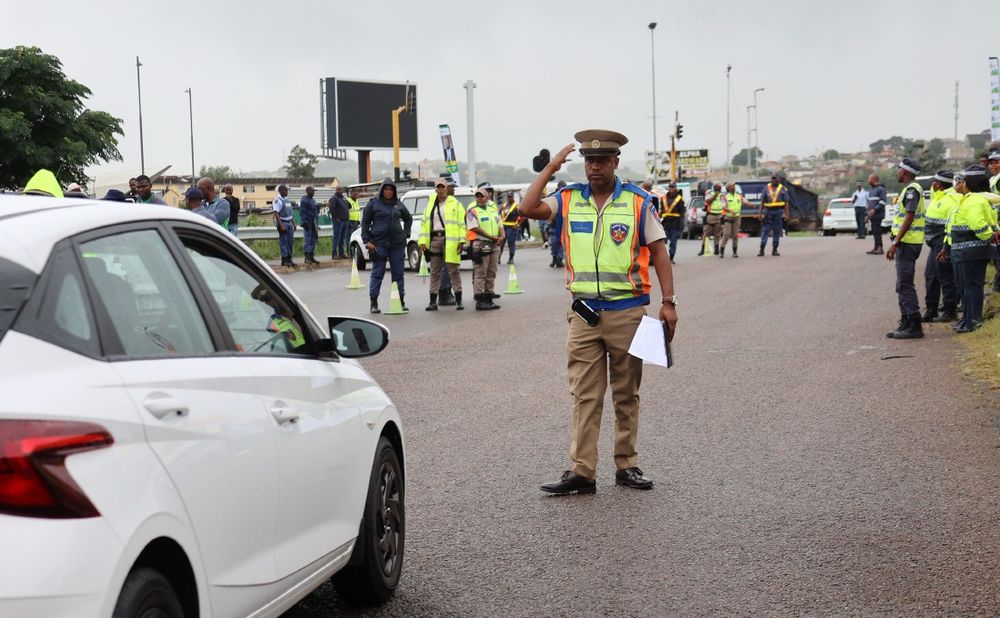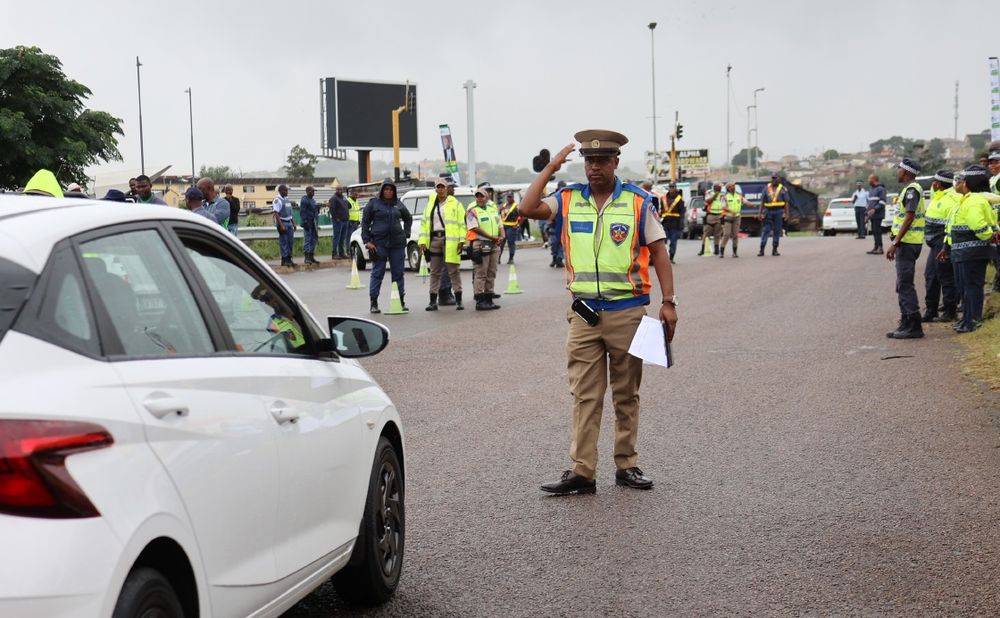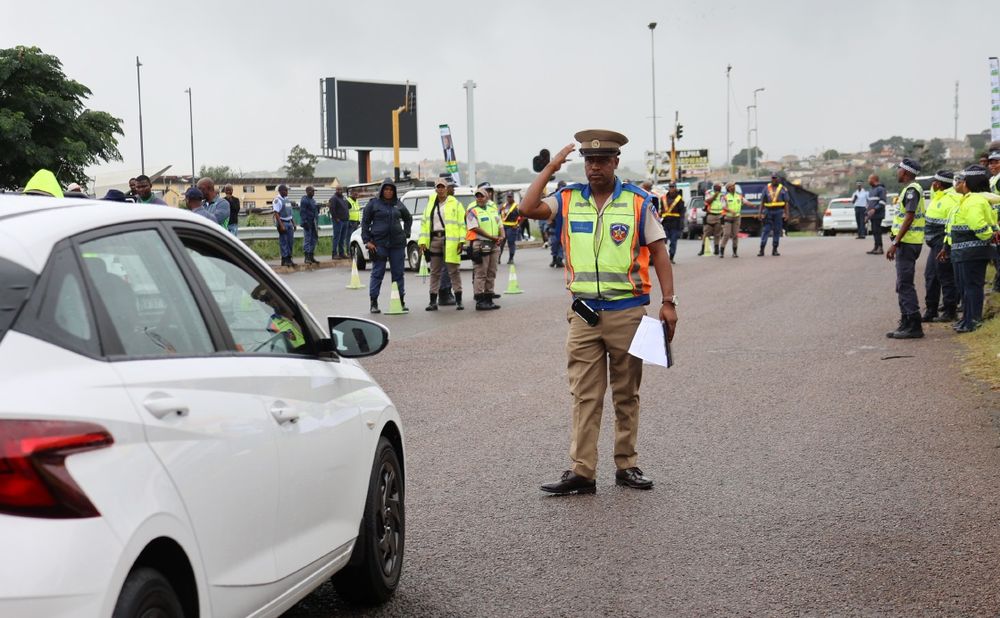
Organisation Undoing Tax Abuse (Outa) has called on the government to clarify whether the next phase of the Administrative Adjudication of Road Traffic Offences (Aarto) system will proceed as scheduled on July 1.The civil action group said the Road Traffic Infringement Agency (RTIA) has yet to demonstrate the controversial system, which will include a licence-demerit points system, is ready.After several delays and court challenges over the past two decades, the controversial new system to deal with traffic offences was to have been introduced in phases starting on December 1, with the licence demerit points system scheduled to have gone live countrywide on September 1 2026. Transport minister Barbara Creecy postponed the first phase from December 1 to July 1 2026 due to some municipalities not being ready.Aarto is the government’s plan to replace the existing criminal system with an administrative one. With Aarto, drivers will be allocated points for offences and face suspension or cancellation of their licences if they accumulate too many, in addition to any penalty fee payable. If this happens repeatedly, the licence is cancelled and the driver must, after a prescribed period, redo their learner’s and full driving tests from scratch. Outa said this week that the rollout remains clouded by uncertainty, with no comprehensive readiness report or implementation plan released and key regulations still outstanding days before the planned expansion.The latest phase has also come under pressure after several municipalities approached the courts seeking to halt the rollout, arguing they are not operationally or financially prepared to implement the system.“This is no way to introduce legislation that will fundamentally affect millions of motorists, businesses and municipalities,” Outa CEO Wayne Duvenage said.The department of transport postponed the nationwide rollout from December 2025 after acknowledging shortcomings in municipal readiness, officer training, systems integration, back-office capacity and funding. Outa said there had been little evidence that these issues had since been resolved.“The government cannot keep telling South Africans that Aaarto is ready while municipalities are heading to court, the regulations required to implement the next phase have still not been finalised, and one of the system’s key operational partners, the South African Post Office, remains in business rescue,” Duvenage said.Outa also questioned the government’s reliance on the Post Office to serve infringement notices and other legal documents required under Aarto, arguing its ongoing financial and operational difficulties cast doubt on whether the system could function efficiently and fairly.The government cannot keep telling South Africans that Aaarto is ready while municipalities are heading to court, the regulations required to implement the next phase have still not been finalised, and one of the system’s key operational partners, the South African Post Office, remains in business rescue,— Wayne DuvenageThe organisation said motorists, businesses and municipalities still lacked clarity on which municipalities would participate, whether RTIA’s systems had been fully tested, how objections and appeals would operate and what compliance requirements would apply under the expanded regime.Outa reiterated its longstanding position that South Africa’s road safety problems stem from weak law enforcement, corruption within parts of traffic policing, deteriorating road infrastructure and inconsistent prosecution, rather than shortcomings in the administrative system governing traffic infringements.“You cannot administrate your way to safer roads,” Duvenage said. “Road safety depends on visible policing, effective law enforcement and consistent prosecution.”The organisation also argued that the decade-long Aarto pilot in Johannesburg and Tshwane had failed to produce convincing evidence that the system significantly improved road safety or reduced fatalities.It urged the government to publish the outstanding regulations and allow sufficient time for public consultation and operational preparation before proceeding with the next phase of implementation.
Outa questions government’s readiness for Aarto rollout on July 1
Civil action group says key regulations remain outstanding
597 words~3 min read