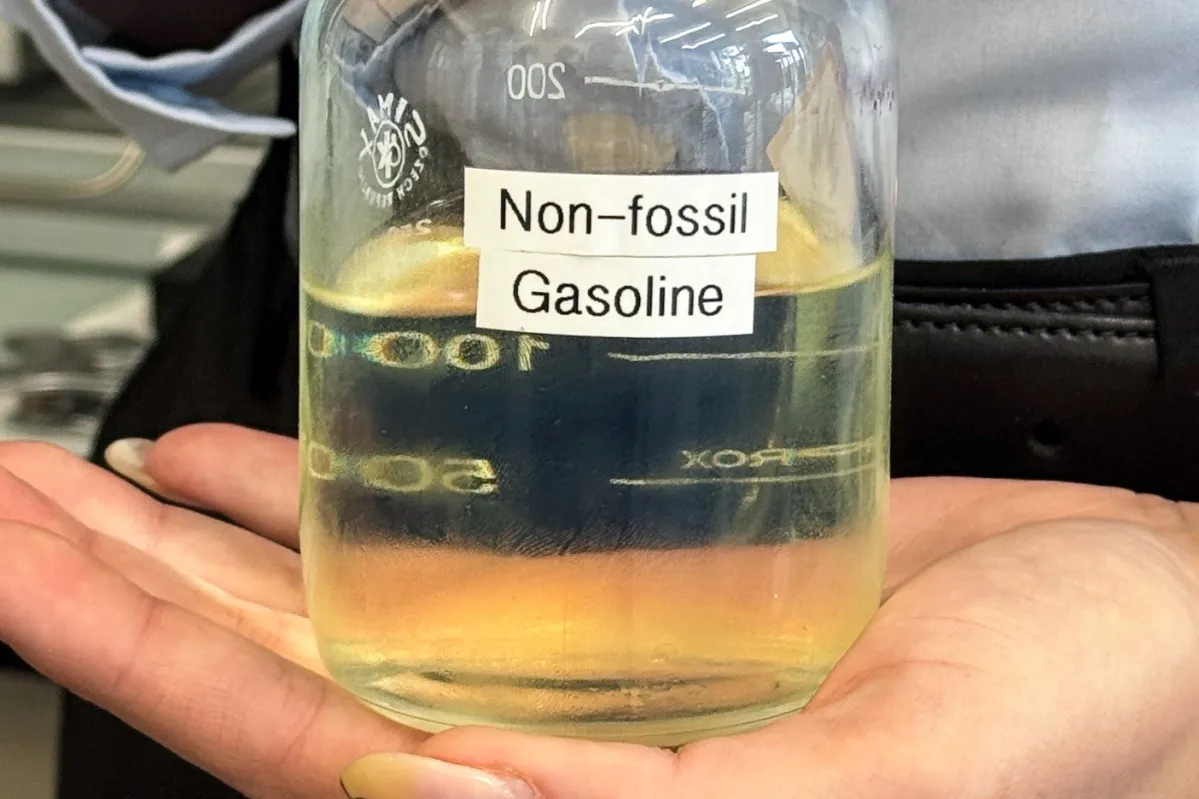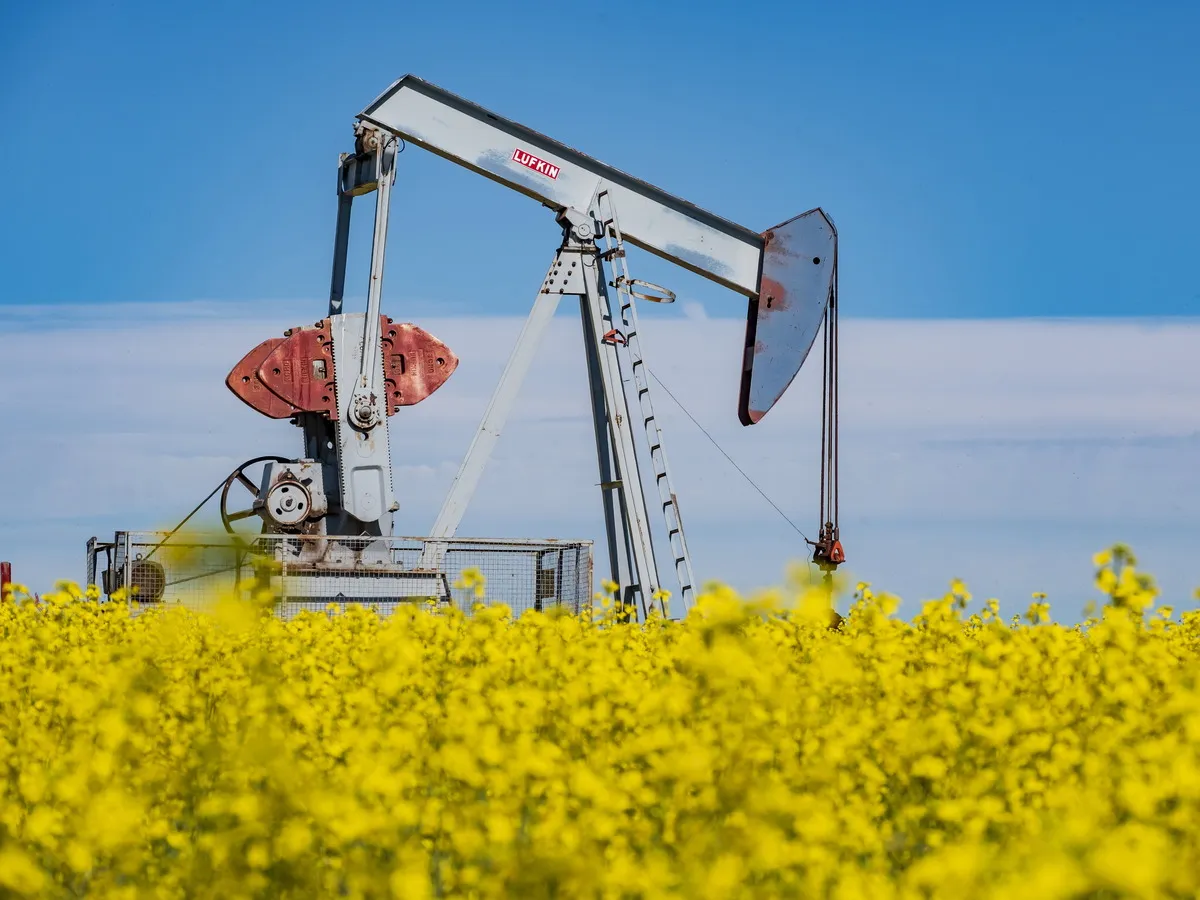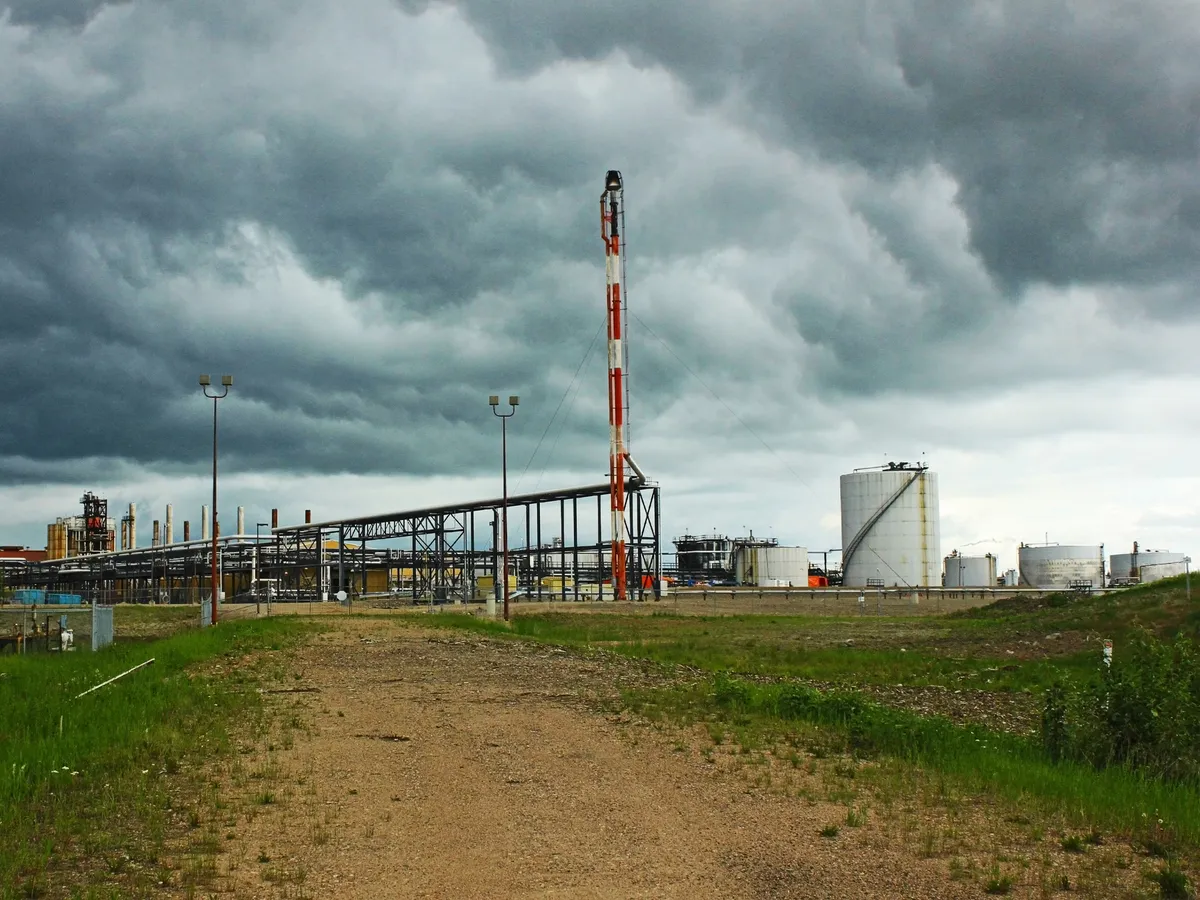
Skip to Content News Archives Economy Energy Oil & Gas Renewables Electric Vehicles Mining Commodities Agriculture Real Estate Mortgages Mortgage Rates Finance Banking Insurance Fintech Cryptocurrency Work Wealth Smart Money Wealth Management Investor Personal Finance Family Finance Retirement Taxes High Net Worth FP Comment Executive Women Puzzmo Newsletters Financial Times Business Essentials More Innovation Information Technology FP500 Podcasts Small Business Lives Told Tails Told Shopping Financial Post Store Obituaries Place a Notice Advertising Advertising With Us Advertising Solutions Postmedia Ad Manager Sponsorship Requests Classifieds Place a Classifieds ad Working Profile Settings My Subscriptions Saved Articles My Offers Newsletters Customer Service FAQ News Economy Energy Mining Real Estate Finance Work Wealth Investor FP Comment Executive Women Puzzmo Newsletters Financial Times Business Essentials HomeEnergyNewsCan you make jet fuel without hydrocarbons? Calgary oilsands experts say yesVista Projects and U.S. energy producer Twelve say their sustainable aviation fuel is sourced with materials that are onshore, abundant and scalableLast updated 2 hours ago You can save this article by registering for free here. Or sign-in if you have an account.Vista's Calgary engineers have designed a process that turns carbon dioxide, water and renewable electricity into jet fuel, a far cry from its expertise in SAGD or in-situ technology in the oilsands. Getty Images/iStockphotoCalgary-based Vista Projects is more accustomed to devising ways to extract oil from beneath the surface of northeastern Alberta.Subscribe now to read the latest news in your city and across Canada.Exclusive articles from Barbara Shecter, Joe O'Connor, Gabriel Friedman, and others.Daily content from Financial Times, the world's leading global business publication.Unlimited online access to read articles from Financial Post, National Post and 15 news sites across Canada with one account.National Post ePaper, an electronic replica of the print edition to view on any device, share and comment on.Daily puzzles, including the New York Times Crossword.Subscribe now to read the latest news in your city and across Canada.Exclusive articles from Barbara Shecter, Joe O'Connor, Gabriel Friedman and others.Daily content from Financial Times, the world's leading global business publication.Unlimited online access to read articles from Financial Post, National Post and 15 news sites across Canada with one account.National Post ePaper, an electronic replica of the print edition to view on any device, share and comment on.Daily puzzles, including the New York Times Crossword.Create an account or sign in to continue with your reading experience.Access articles from across Canada with one account.Share your thoughts and join the conversation in the comments.Enjoy additional articles per month.Get email updates from your favourite authors.Create an account or sign in to continue with your reading experience.Access articles from across Canada with one accountShare your thoughts and join the conversation in the commentsEnjoy additional articles per monthGet email updates from your favourite authorsSign In or Create an AccountorBut recently, its engineers have gone in another direction — designing a plant in the United States that produces jet fuel without oil, the first such commercial facility of its type in the U.S.That culminated in the official christening earlier this month of energy producer Twelve’s sustainable aviation fuel AirPlant One facility in Moses Lake, Wash.“Vista Projects brought the right mindset to a genuinely hard problem: building something that had never been built before,” said Twelve CEO Nicholas Flanders at the plant’s opening.Breaking business news, incisive views, must-reads and market signals. Weekdays by 9 a.m.By signing up you consent to receive the above newsletter from Postmedia Network Inc.A welcome email is on its way. If you don't see it, please check your junk folder.The next issue of Posthaste will soon be in your inbox.We encountered an issue signing you up. Please try againOver three years, Vista’s Calgary engineers designed from scratch a process that turns CO2, water and renewable electricity into jet fuel, a far cry from its expertise in coaxing oil employing SAGD or in-situ technology in Alberta’s oilsands.But it’s that expertise that attracted Twelve to Vista, said its CEO Scott Mussbacher.“They were looking for help in setting up some of the engineering tools and they asked us to take on more and more of the work engineering, designing and procurement management of the entire project,” he said, adding that at the project’s peak, 60 Albertans were engaged in the effort.“By leveraging that experience, we were successful with this project.”CO2 is captured from a nearby ethanol producer and fed into electrolyzers which, with water, transforms it into synthetic gas.That’s then run through a Fischer Tropsch reactor, where it’s transformed into liquid hydrocarbons before being refined into aviation fuel.While conventional sustainable aviation fuels use agricultural feedstocks that are characterized by land and supply limitations, the new physical plant is sourced with materials that are onshore, abundant and scalable, says Twelve and its Calgary contractor.“It’s close to being too good to be true but it’s really happening,” said Mussbacher.The plant also produces e-naptha, a petroleum-free chemical feedstock that can be used to produce plastics, solvents and synthetic fibres, he said.But perhaps the most attractive features of the sustainable aviation fuel flowing from the Moses Lake plant is that no modifications to aircraft engines are needed to accept it, said Mussbacher.“It works in today’s planes and in today’s engines,” he said. Scott Mussbacher, CEO of Calgary’s Vista Projects, poses at Twelve’s Airplant One facility in Moses Lake, Wash., on June 10, 2026. Photo courtesy of Vista ProjectsThat’ll enable airlines and corporate purchasers to further their emissions reductions goals without fleet changes, said Twelve.For now, the fuel is “a little bit more expensive” than conventional product, said Mussbacher, but that could conceivably change when production is scaled up.The fuel, says Twelve, produces 90 per cent lower lifecycle CO2 emissions than its conventional counterpart.And he noted uncertainty over the availability and cost of petroleum due to the recent conflict in Iran and before that, Ukraine, make the Twelve plant all the more timely.“When you’ve got that stability, it changes the equation and the feedstocks are green, for sure,” said Mussbacher.For now, the plant is capable of producing 50,000 barrels of sustainable aviation fuel a year “but scaling up wouldn’t be a huge challenge from here,” he said.Confirming the project’s viability is the willingness of Alaska Airlines and Microsoft to procure its fuel for their flight needs, say both Vista and Twelve.“Our partnership with Twelve and Microsoft demonstrates the power of innovation and collaboration to successfully advance SAF, while creating new jobs, diversifying fuel supply chains and strengthening energy security,” Ryan Spies, Alaska Airlines’ managing director of sustainability, said in a statement.Catch up with the day’s headlines, curated by our editors and delivered to your email inbox at lunchtime on every business day. Sign up now for the Calgary Herald Noon News Roundup. Join the Conversation This website uses cookies to personalize your content (including ads), and allows us to analyze our traffic. Read more about cookies here. By continuing to use our site, you agree to our Terms of Use and Privacy Policy.
Can you make jet fuel without hydrocarbons? Calgary oilsands experts say yes
A Calgary engineering firm accustomed to working in the oilsands has designed a factory that makes jet fuel without oil.
1,145 words~5 min read