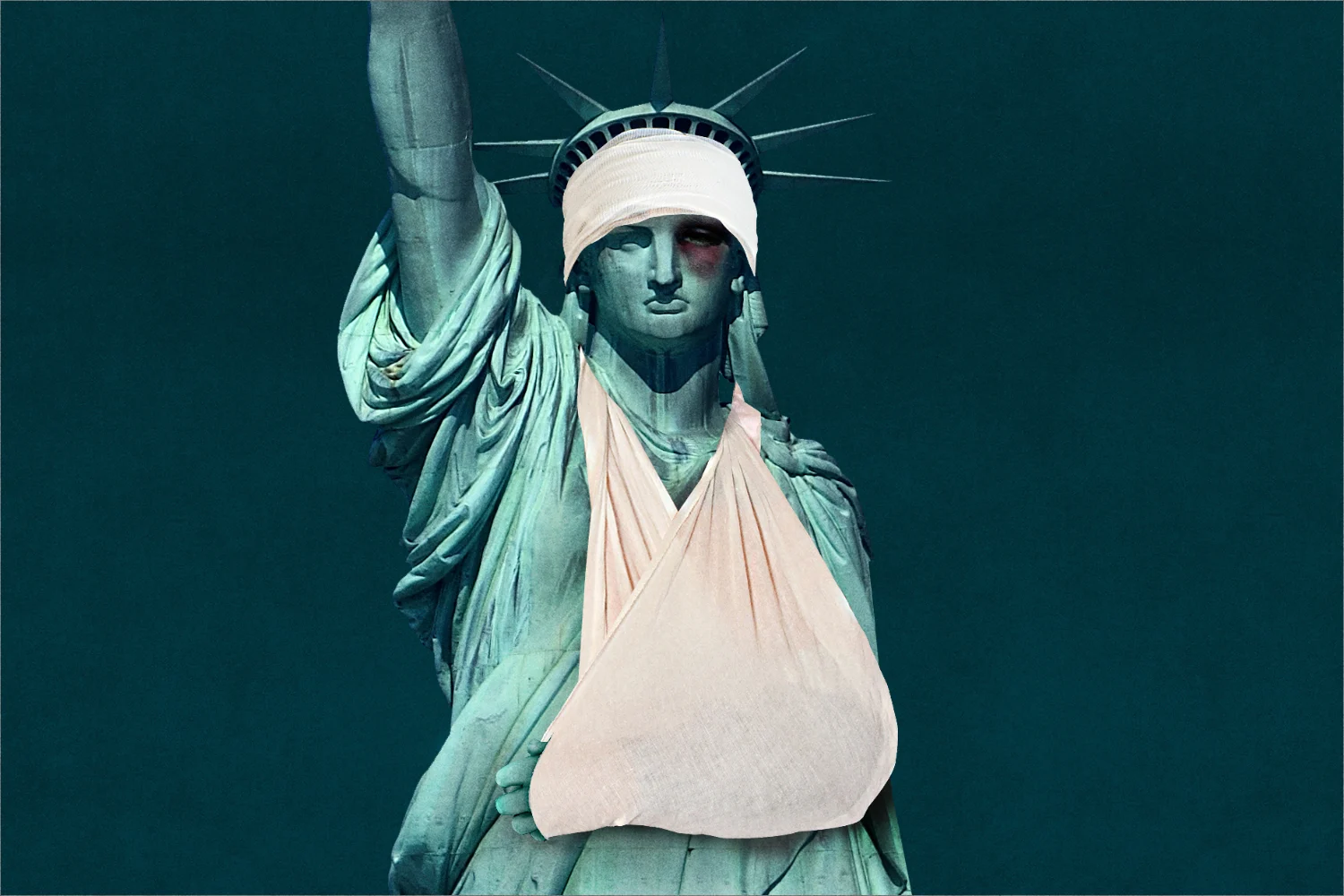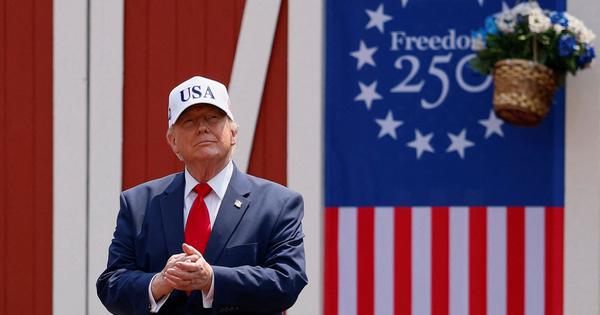
America at 250 presents one of the strangest paradoxes in modern history. No democracy has accumulated greater economic, military, technological, and cultural power. Few are less content. The anniversary — in marked contrast even to the Bicentennial, despite troubles in those times as well — is being celebrated amid a hurricane of angst and anger.It can seem perplexing, because the United States remains the world’s largest economy, the dominant military power, home to an astonishing disproportion of the world’s most valuable companies and highest-ranked universities, and the principal exporter of global popular culture. American music, films, software, financial markets, and scientific research influence billions of people far beyond its borders. By almost every conventional measure of national success, America rocks.Yet the other side of the ledger is equally striking. Among advanced democracies, America combines immense wealth with unusually high inequality. It spends more on healthcare than any country in the world while achieving life expectancy below many of its peers — and is the only advanced economy without a guaranteed healthcare baseline. It experiences levels of gun violence unmatched elsewhere in the developed world. It refuses to seriously regulate guns and allows states to ban abortion — both also uniquely bad. Large numbers of Americans reject scientific consensus on issues ranging from climate change to vaccination. Because of polarization, its Constitution has become a blockage on critically needed electoral reforms — or any reforms.
Why is the world's greatest nation so miserable at 250?
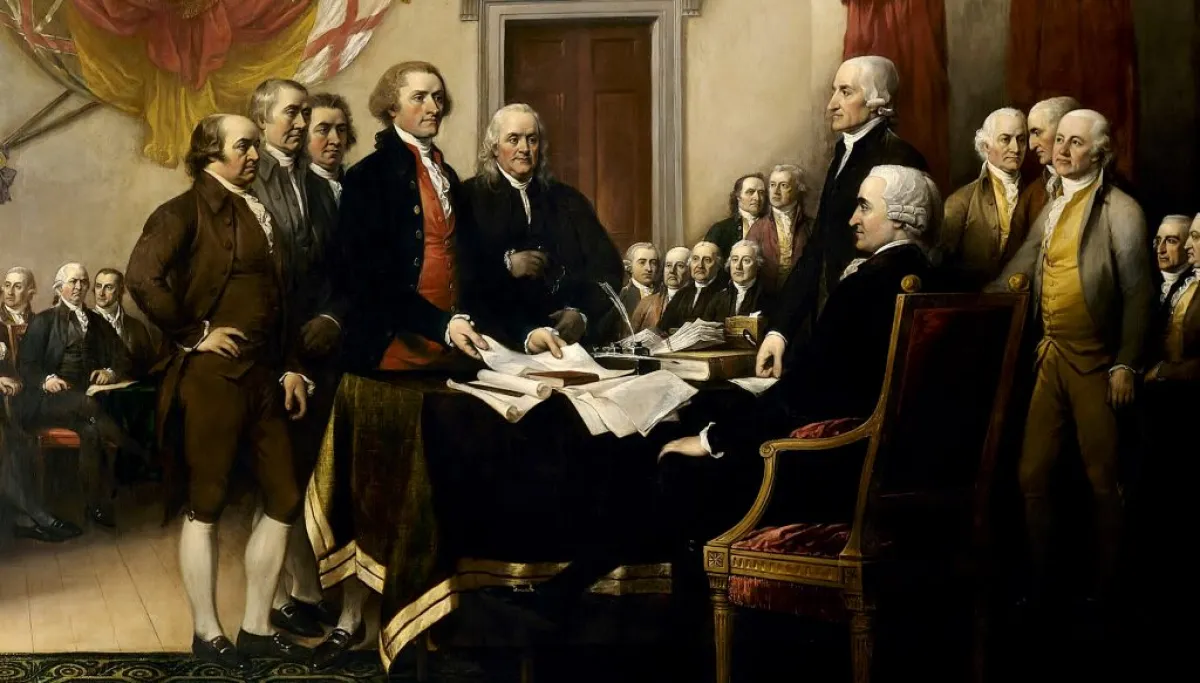
Perhaps the wisest ambition in the Declaration of Independence is "the pursuit of happiness." It does not actually promise this happiness.
1,469 words~7 min read