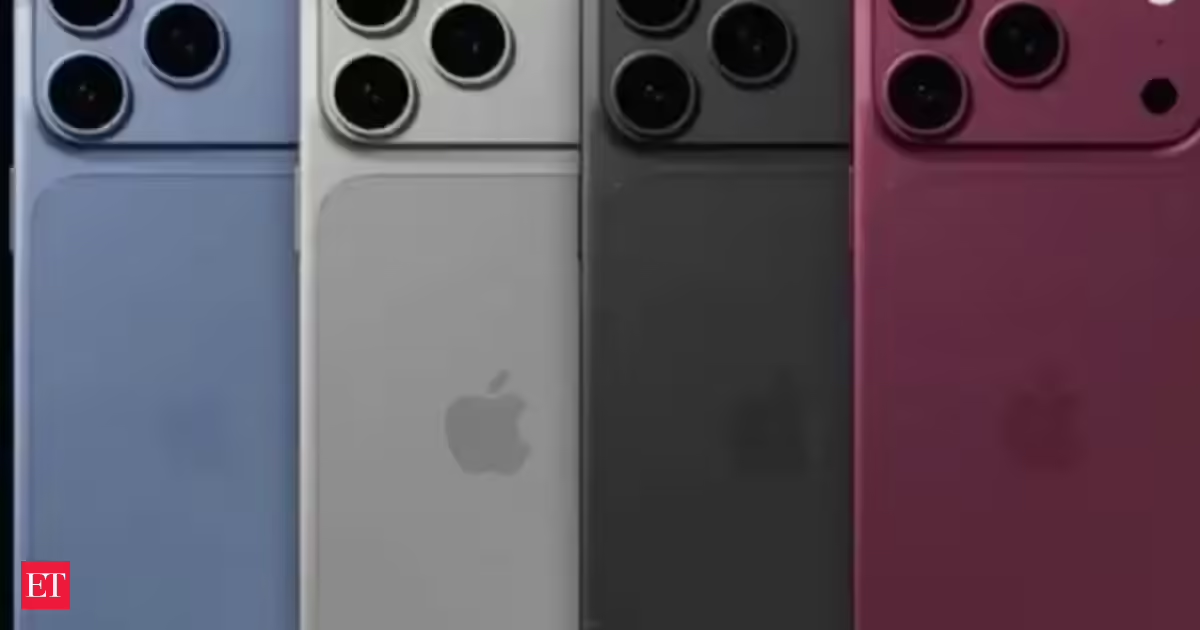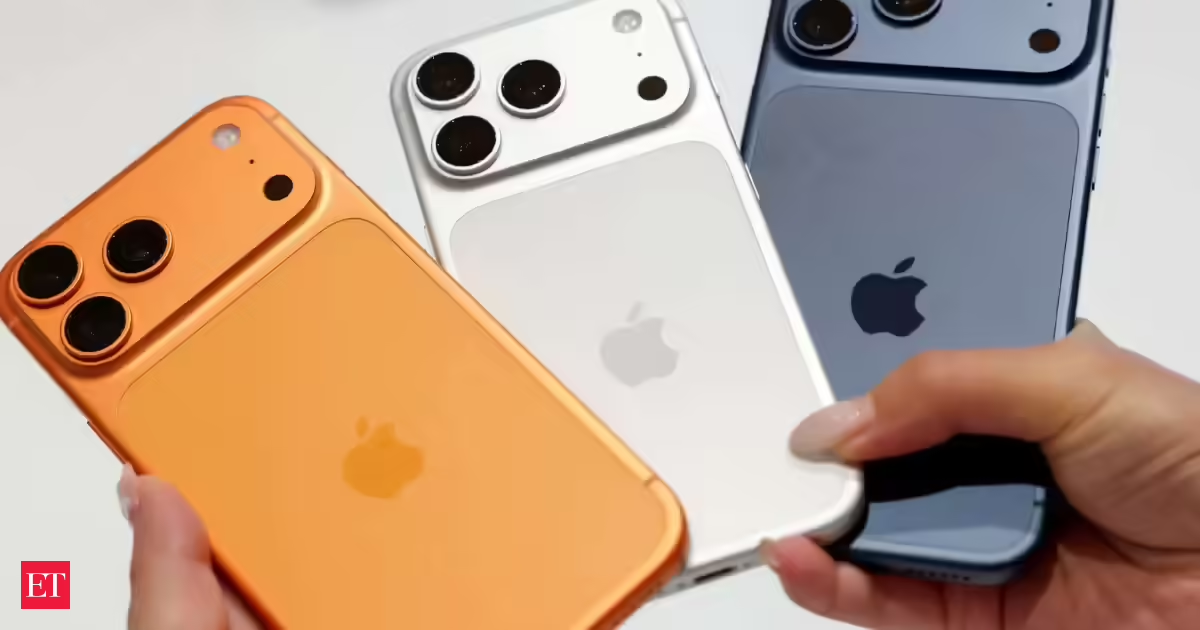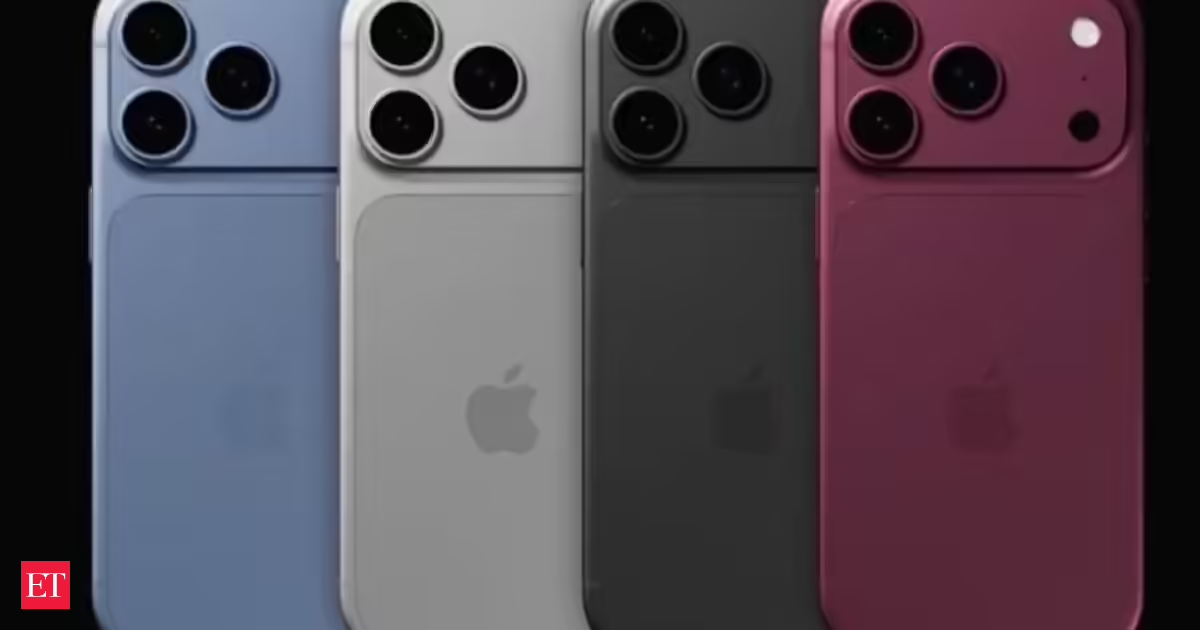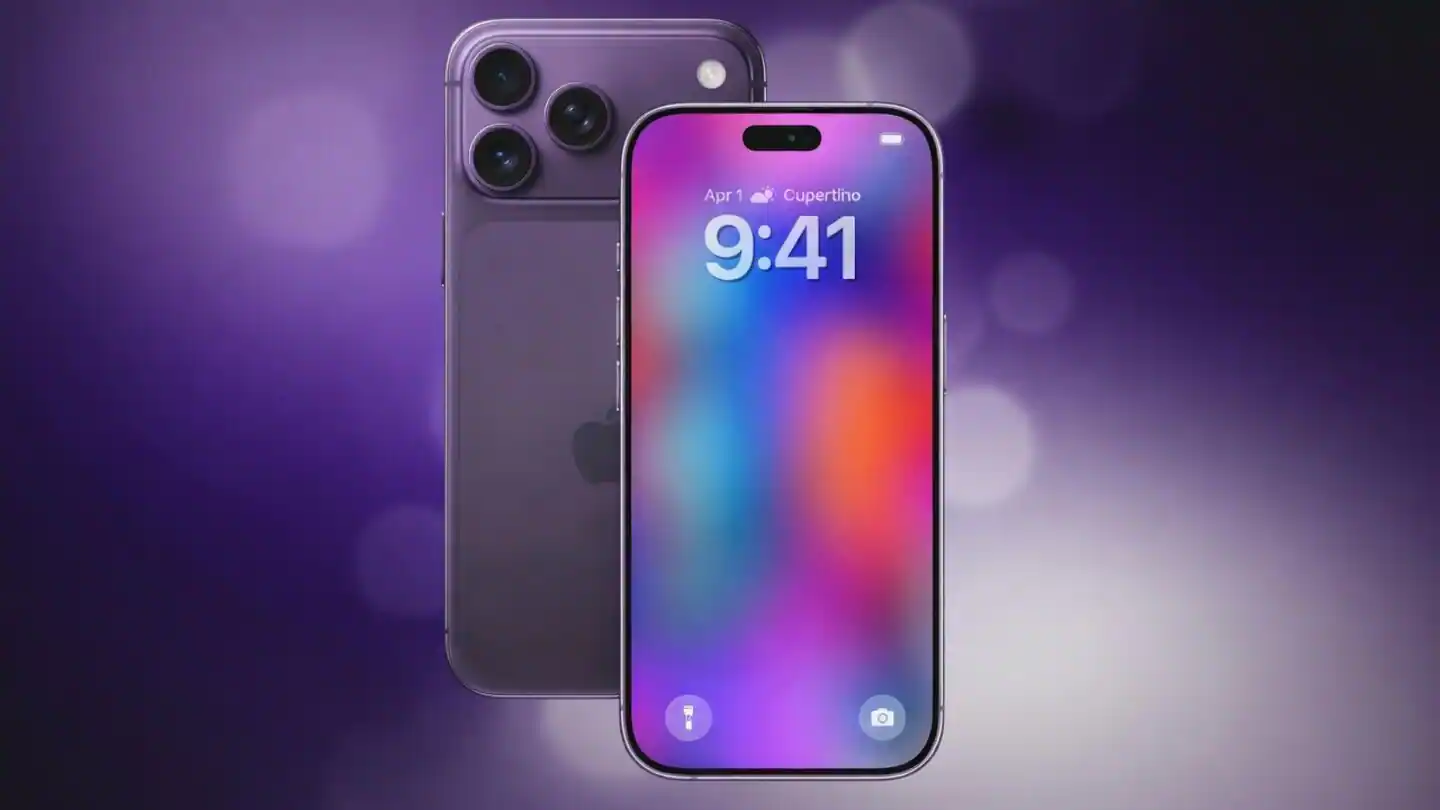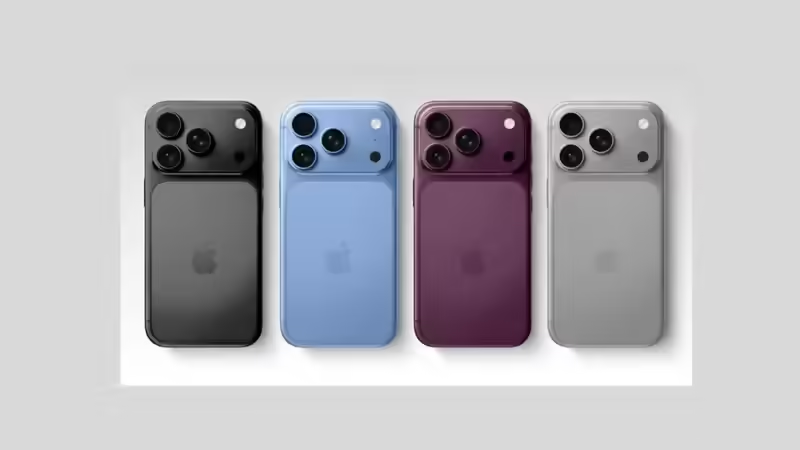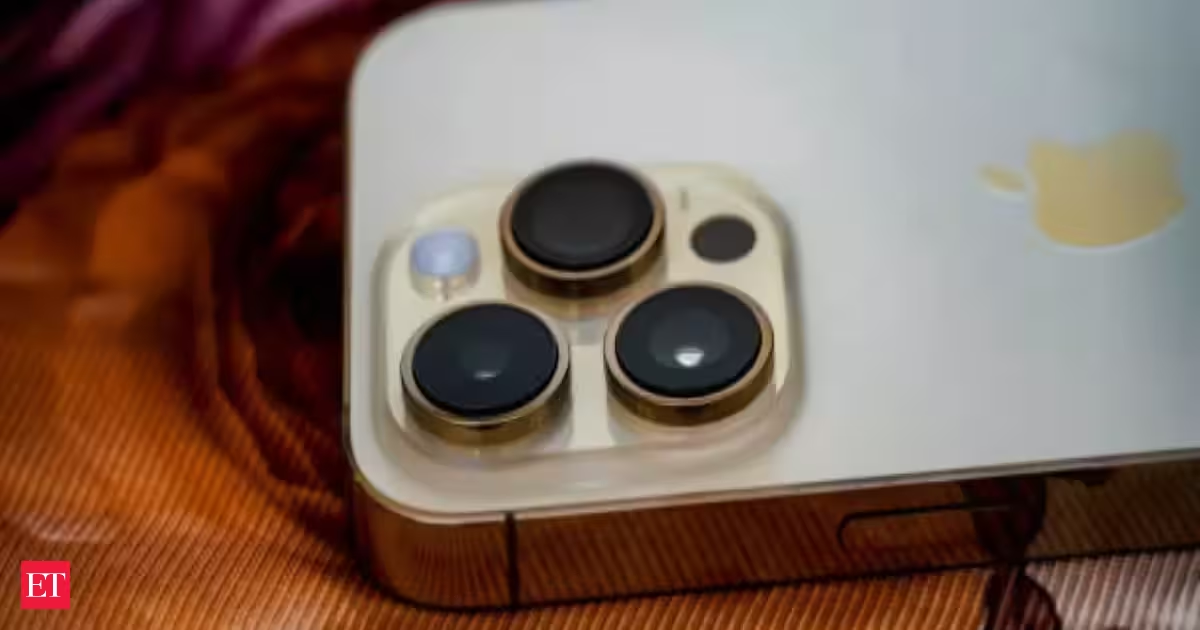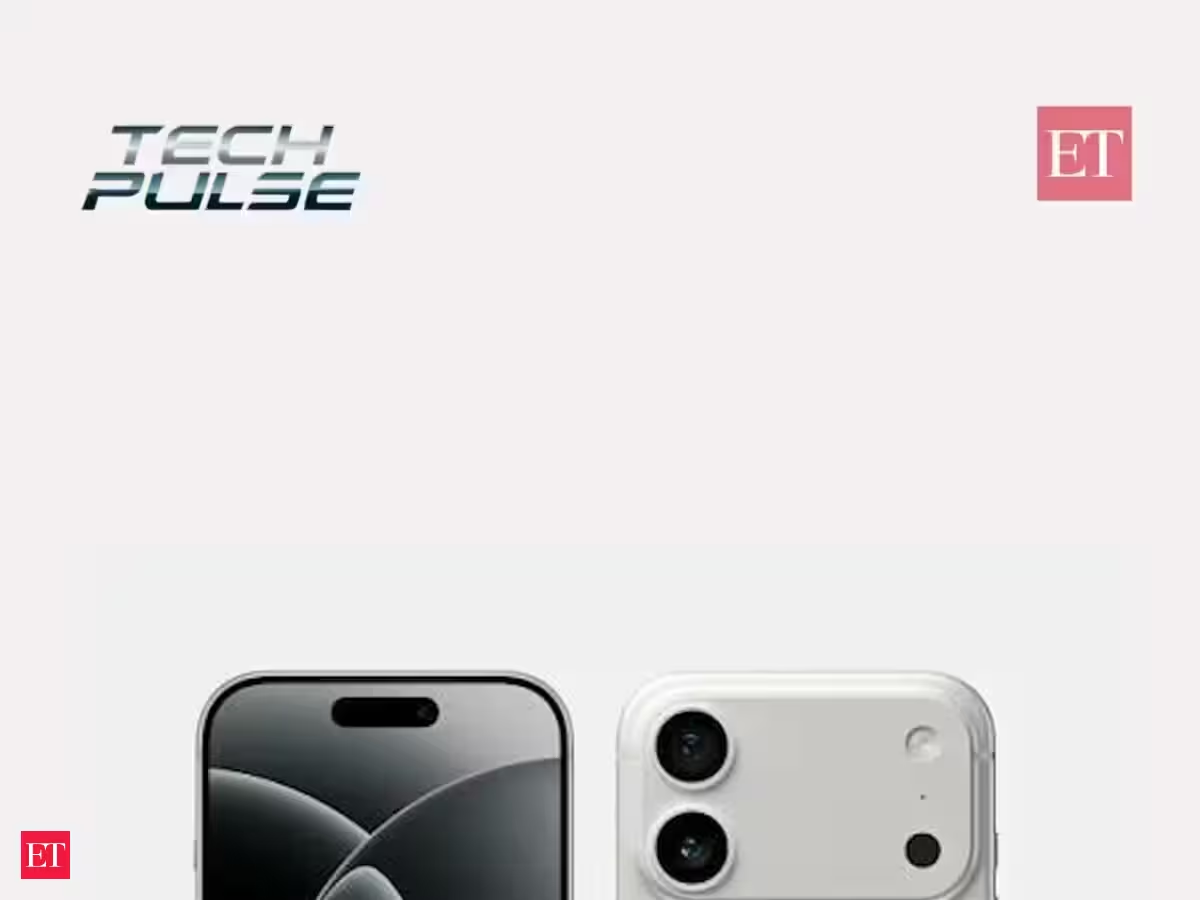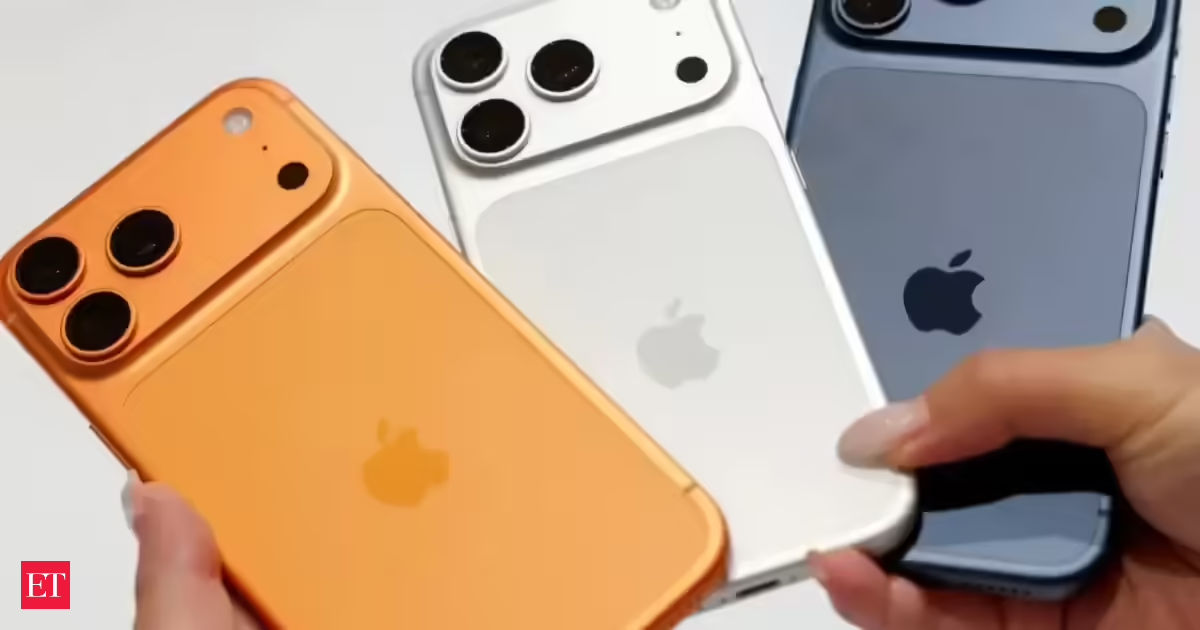
The leaks point to Apple's most hardware-led Pro in years – a 2nm chip, a moving aperture and a Gemini-powered Siri. Apple has stayed silent on almost all of it, and the memory crunch may make price the real headline.The iPhone 18 Pro and iPhone 18 Pro Max are expected to arrive in September 2026 with a list of genuine firsts: Apple's first 2nm processor in a phone, the first iPhone with a mechanical variable aperture camera, and the first new hardware to ship with the Gemini-powered Siri that Apple unveiled in June. That is the picture supply-chain analysts and leakers have assembled over the past year. The caveat sits above all of it: every hardware detail remains unconfirmed by Apple, and every spec here comes from analysts and component sources whose records range from reliable to occasionally wide of the mark.Read past the spec sheet, and a second story emerges. Apple spent 2026 raising prices on Macs and iPads as memory costs climbed, and the same pressure points are straight at the iPhone 18 Pro. So the interesting question is less whether the camera gains a moving aperture, and more what all of this costs once Apple's tripled memory bill reaches the till. Here is what the leaks say, sorted by how much weight each one carries.When will the iPhone 18 Pro launch?Apple has kept the dates to itself. Going by its usual early-September cadence, the Pro models should be revealed in September 2026 and reach shelves a week or so later. The bigger shift is the calendar itself. Multiple reports say Apple will split the iPhone 18 line across two windows: the iPhone 18 Pro, iPhone 18 Pro Max and Apple's first foldable iPhone in the autumn, with the standard iPhone 18 and iPhone 18e held back to spring 2027. If accurate, it would be the biggest change to Apple's launch rhythm since the lineup grew beyond a single model, and it makes the autumn event a premium-only affair. Worth clarifying one point the rumour mill keeps blurring: the foldable, widely dubbed the iPhone Fold and rumoured to start near $1,999, is a separate device sharing the stage, rather than the Pro itself turning into a folding phone.How does the iPhone 18 Pro compare to the iPhone 17 Pro?SpeciPhone 18 Pro / Pro Max (Rumoured)iPhone 17 Pro / Pro MaxChipsetA20 Pro, TSMC 2nm (N2)A19 Pro, 3nmRAM12GB (per most reports), 9GB (per Ming-Chi Kuo)8GBDisplay6.3-inch / 6.9-inch LTPO+ OLED, 120Hz ProMotion6.3-inch / 6.9-inch LTPO OLED, 120HzDynamic IslandReportedly smaller, under-display Face IDUnchanged since iPhone 14 ProMain Camera48MP, variable aperture48MP, fixed apertureFront Camera24MP18MPBattery (Pro, eSIM)About 4,288mAh (per supply-chain reports)About 4,252mAhModemApple C2, in-house, mmWave 5GQualcommColoursDark Cherry, Light Blue, Silver, Dark GreyCosmic Orange, Deep Blue, SilverThe chip: Apple's first 2nm phoneThe headline component is the A20 Pro, expected to be Apple's first chip built on TSMC's 2nm process, a step down from the 3nm A19 Pro. Analyst Jeff Pu and others describe it as a first-generation N2 part, which usually means a measured rather than dramatic leap. The figures doing the rounds put it at roughly 15 per cent faster and around 30 per cent more power-efficient than the A19 Pro, with the efficiency gain mattering more for a phone, since it feeds battery life. Reports tie the design to Gate-All-Around nanosheet transistors, the structural change that makes 2nm worthwhile.The packaging is the part worth understanding. The A20 is reported to use Wafer-Level Multi-Chip Module, or WMCM, packaging, which integrates the RAM onto the same package as the CPU, GPU and Neural Engine, rather than sitting it alongside the chip and linking the two through a silicon interposer. Shortening that path should speed up on-device AI work and trim the space the silicon occupies, freeing room for other components. Apple is also widely reported to be the lead customer for TSMC's first 2nm capacity, which would put its phones at the front of the queue for the node. One detail the early drafts tend to overstate: the chip's rumoured codename and the exact RAM figure both remain unsettled, with Kuo putting the Pro at 9GB while most other reports say 12GB, so treat the memory number as contested.The camera: Apple's first moving apertureFor the first time, Apple is reported to be putting moving mechanical parts inside the lens. Supply-chain analyst Ming-Chi Kuo flagged in December 2024 that the main 48MP camera on both Pro models would gain a mechanical variable aperture, and a run of reports since has backed it, with LG Innotek and Foxconn named on assembly and the actuator that drives the aperture blades attributed to Luxshare ICT and Sunny Optical. Kuo also reckons the part will cost Apple around 50 per cent more than the current fixed-aperture camera unit, a figure that feeds straight into the price discussion below.The point of it is control. Every iPhone to date has used a fixed opening, leaving depth of field and bright-light exposure to software. A variable aperture physically widens and narrows the opening, the way a professional camera does: wide for portraits and low light, narrow for landscapes and harsh daylight. A separate strand of reports suggests the 48MP periscope telephoto could gain a larger aperture too. The front camera, meanwhile, is expected to step up from 18MP to 24MP across both Pro models, sharpening selfies and video calls.The display and the shrinking Dynamic IslandScreen sizes are expected to hold at 6.3 inches on the Pro and 6.9 inches on the Pro Max, both LTPO OLED panels with 120Hz ProMotion, and reports point to more power-efficient LTPO+ panels and a brighter screen than the current roughly 3,000-nit ceiling. The visible change sits at the top. The Dynamic Island is reported to shrink as Apple moves the flood illuminator for Face ID beneath the display glass, with some sources describing a notably smaller cutout. The precise dimensions vary by leak, so the safe read is smaller rather than any exact measurement, and a full under-display front camera still looks a generation or two away.Battery and connectivity, minus the hypeHere the rumour mill needs correcting. The cleanest supply-chain figure, from MacRumors, puts the iPhone 18 Pro at about 4,288 mAh in eSIM-only trim, a slim rise from the 4,252 mAh in the iPhone 17 Pro, with a smaller cell in the physical-SIM model sold in China. The eye-catching claim that the Pro Max crosses 5,000 mAh as the largest battery Apple has built rests on a thinner, single-leak strand that sits awkwardly against those conservative numbers, so it deserves a heavy pinch of salt for now. The more dependable gains come from efficiency rather than cell size, since the 2nm A20 Pro and the new modem both sip less power, and the iPhone 17 Pro Max already tops independent battery rankings.Connectivity centres on the C2, Apple's third-generation in-house modem, expected to replace Qualcomm on the Pro models and to add mmWave 5G. It is also tied to a privacy setting called Limit Precise Location, which lets the modem withhold exact location from mobile networks, so a carrier sees a neighbourhood rather than an address. Wi-Fi 7 and Bluetooth 6, handled by Apple's N1 networking chip, carry over from the iPhone 17 generation. The claim that the C2 brings satellite-based 5G web browsing goes further than the evidence supports, so leave it aside until Apple says otherwise.Siri AI: the Gemini-powered rebuildThis is the one piece of the story Apple has actually confirmed. At WWDC 2026 on 8 June — Tim Cook's final keynote as chief executive before John Ternus takes over — Apple unveiled a fully rebuilt assistant it calls Siri AI, running on a custom Google Gemini model. Reporting from Bloomberg's Mark Gurman puts the arrangement at roughly $1 billion a year for a model of about 1.2 trillion parameters, figures Apple has stayed quiet on and which are best read as well-sourced rather than official. The rebuilt Siri gains a standalone app, on-screen awareness that lets it act on what you are looking at, and a three-tier routing system that keeps simple requests on-device and sends only the heaviest queries to Gemini.The link to the hardware is timing. Siri AI ships with iOS 27 in the autumn as a gated beta, which means the iPhone 18 Pro would be the first new iPhone to launch with it onboard, and the device's 2nm chip and extra memory are pitched squarely at running that kind of on-device intelligence. After two years of a Siri overhaul that slipped, including a $250 million settlement over features Apple advertised early, the iPhone 18 Pro becomes the showcase for the assistant Apple has finally shipped.The price question, and why India feels it moreNow the part that may matter most. Apple raised Mac and iPad prices in June 2026 as memory costs climbed, and the iPhone 18 Pro carries the same pressure. IDC expects the Pro models to land up to $200 dearer, which would put starting prices near $1,299 and $1,399, while the Wall Street Journal has pointed to a $1,399 floor on the back of Apple's RAM costs more than tripling. The variable-aperture camera, reported to cost about half as much again as the current unit, only adds to the bill. This is the same memory crunch reshaping consumer electronics across the board, and the iPhone is far from immune.For India the maths runs harder. A dollar price rise arrives amplified by import duty and 18 per cent GST, so a $200 global increase widens by the time it reaches a rupee sticker. The partial offset is local assembly: Apple now builds a growing share of its Pro iPhones in India, and domestically made units sidestep import duty, which could soften the blow for Indian buyers relative to a straight conversion. The component-cost rise still flows through regardless, so an Indian price step-up looks likely even if assembly blunts its edge.Design and coloursThe exterior is expected to carry over from the iPhone 17 Pro, keeping the 6.3-inch and 6.9-inch sizes and the raised camera plateau, with reports suggesting the back glass will be recoloured to match the frame more closely and retire the two-tone look that drew complaints last year. Leaker Sonny Dickson's dummy units point to four shades — Dark Cherry, Light Blue, Silver and a darker grey — with Cosmic Orange and Deep Blue from the 17 Pro on the way out. Dark Cherry is the one drawing attention as the season's standout. A single Weibo leaker has floated a partly translucent ceramic-shield section on the back, though that one sits firmly in low-confidence territory.Should you wait, or buy now? For anyone on an iPhone 16 Pro or older, the case to wait strengthens with each leak: the 2nm efficiency jump, the variable aperture and a Siri rebuilt for on-device AI together make the iPhone 18 Pro a meaningful step rather than a yearly nudge. iPhone 17 Pro owners have a thinner case, since that phone already leads on battery life and gains the same Gemini Siri through iOS 27, which leaves the camera's moving aperture as the main pull. The wildcard is price. Should the rumoured rise land, the iPhone 17 Pro may become the value pick of the range the moment its successor arrives. Anyone buying today for the long haul might simply hold a few weeks and let Apple's September event settle the maths.Where the leaks leave usStrip them to their load-bearing claims and the iPhone 18 Pro shapes up as Apple's most hardware-driven Pro in years: a real process jump to 2nm, the first moving aperture in an iPhone, a sharper front camera and the debut hardware for a Gemini-powered Siri. The softer claims — a record battery, satellite web browsing, an exact Dynamic Island measurement — deserve more caution than the confident roundups give them. And hanging over all of it is the price, which the memory crunch may push higher than any single feature can justify. Apple settles the rest in September. Until then, every line here is a leak, weighted accordingly.iPhone 18 Pro FAQWhen will the iPhone 18 Pro launch?Apple has kept the date to itself. Going by its usual cadence, the iPhone 18 Pro and Pro Max should appear in September 2026, with the standard iPhone 18 and iPhone 18e reportedly held back to spring 2027.Will the iPhone 18 Pro have a 2nm chip?Reports point to the A20 Pro as Apple's first 2nm phone chip, built on TSMC's N2 process, with gains of about 15 per cent in speed and 30 per cent in efficiency over the A19 Pro. Apple has yet to confirm it.Does the iPhone 18 Pro have a variable aperture camera?Multiple supply-chain reports, led by Ming-Chi Kuo, say the 48MP main camera will gain a mechanical variable aperture that physically opens and closes the lens — a first for any iPhone. The front camera is tipped to rise from 18MP to 24MP.Will it run the new Gemini-powered Siri?Yes, by timing. Apple confirmed the rebuilt Siri AI, running on a custom Google Gemini model, at WWDC 2026, and it ships with iOS 27 in the autumn, so the iPhone 18 Pro would be the first new iPhone to launch with it.How much will the iPhone 18 Pro cost?IDC expects a rise of up to $200, taking starting prices near $1,299 for the Pro and $1,399 for the Pro Max, driven by Apple's memory costs more than tripling. In India, import duty and GST would amplify any global increase, though local assembly could soften it.Should I wait for the iPhone 18 Pro or buy the iPhone 17 Pro now?Buyers on an iPhone 16 Pro or older have a stronger case to wait for the 2nm efficiency, the variable aperture and the AI-ready hardware. iPhone 17 Pro owners gain less, since that phone already leads on battery and receives the same Gemini Siri through iOS 27.end of article
iPhone 18 Pro Rumours: 2nm Chip, Variable Aperture Camera and Gemini Siri
The forthcoming iPhone 18 Pro, set to launch in September 2026, promises to be Apple's most innovative model yet. Rumored features include a cutting-edge 2nm chip, a groundbreaking mechanical variable aperture camera, and the introduction of Gemini-enhanced Siri. However, significant increases in memory costs may lead to a steep rise in prices, leaving consumers anxious about the final price tag.
2,309 words~10 min read