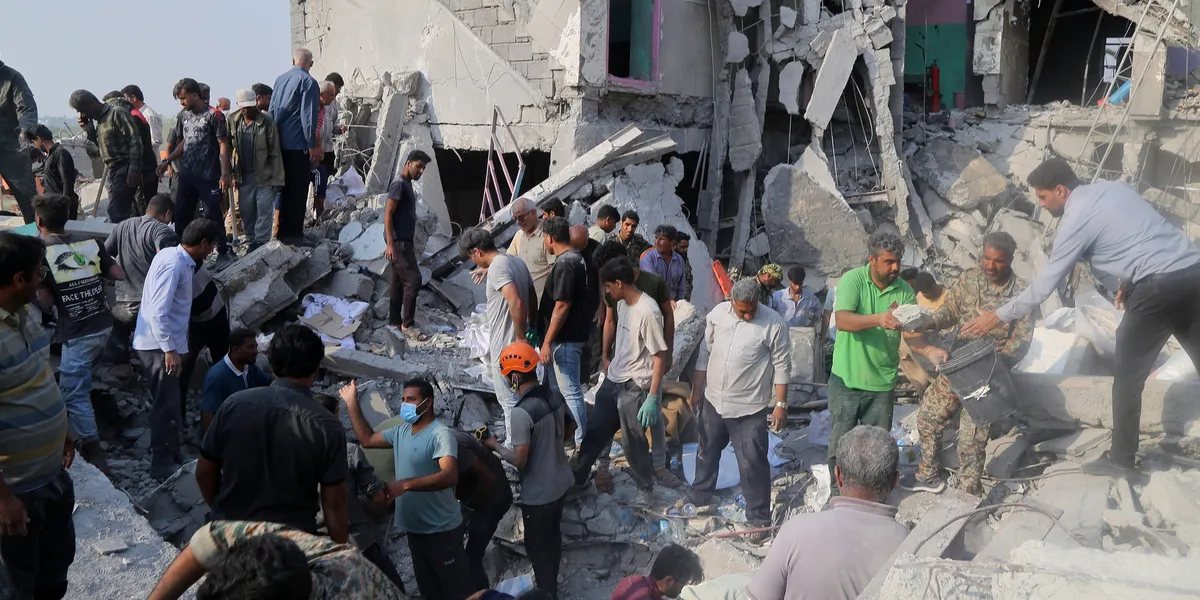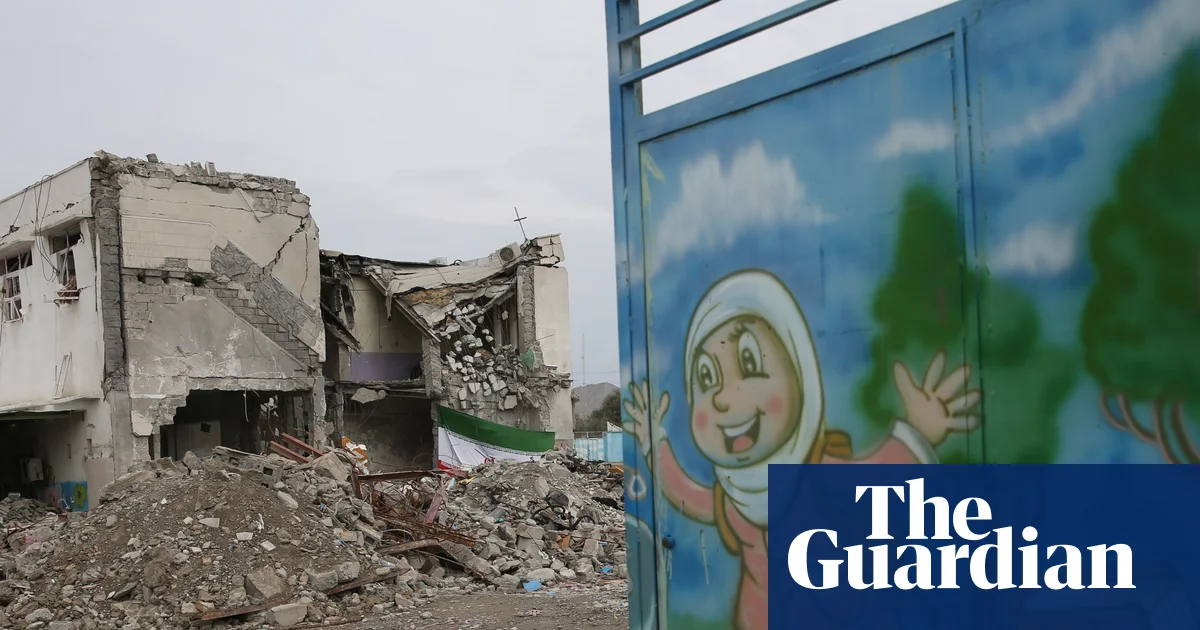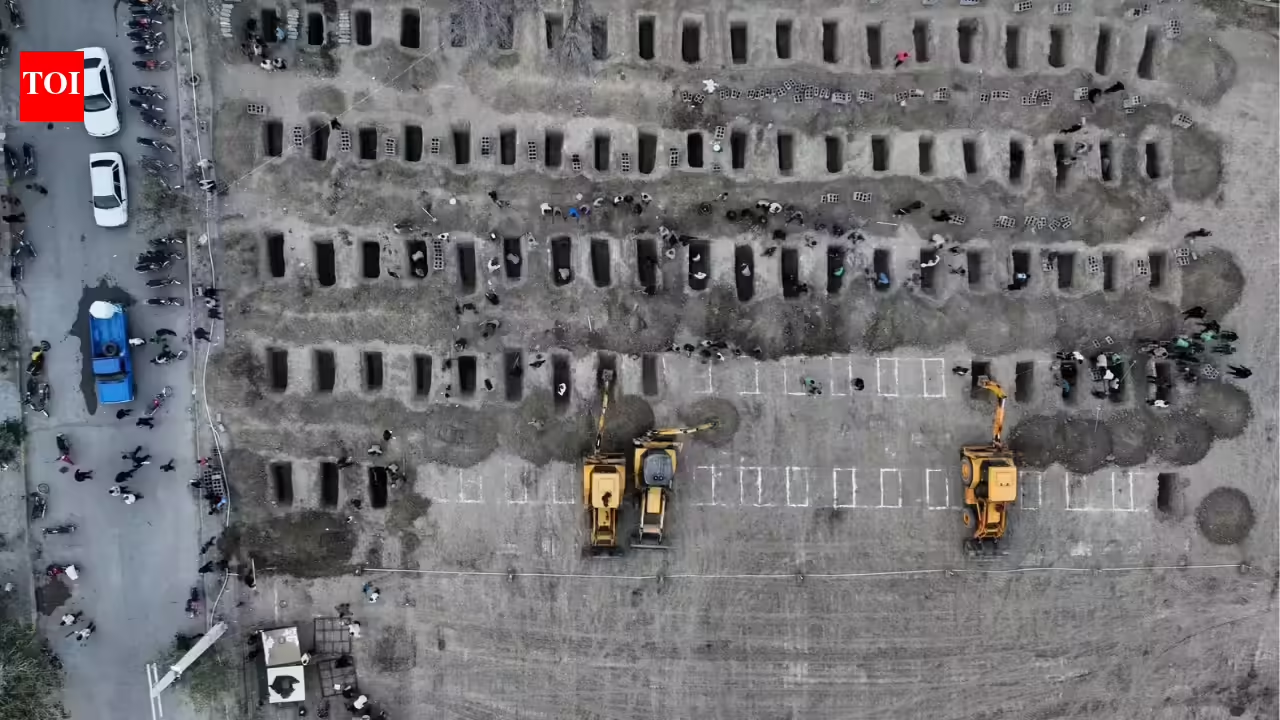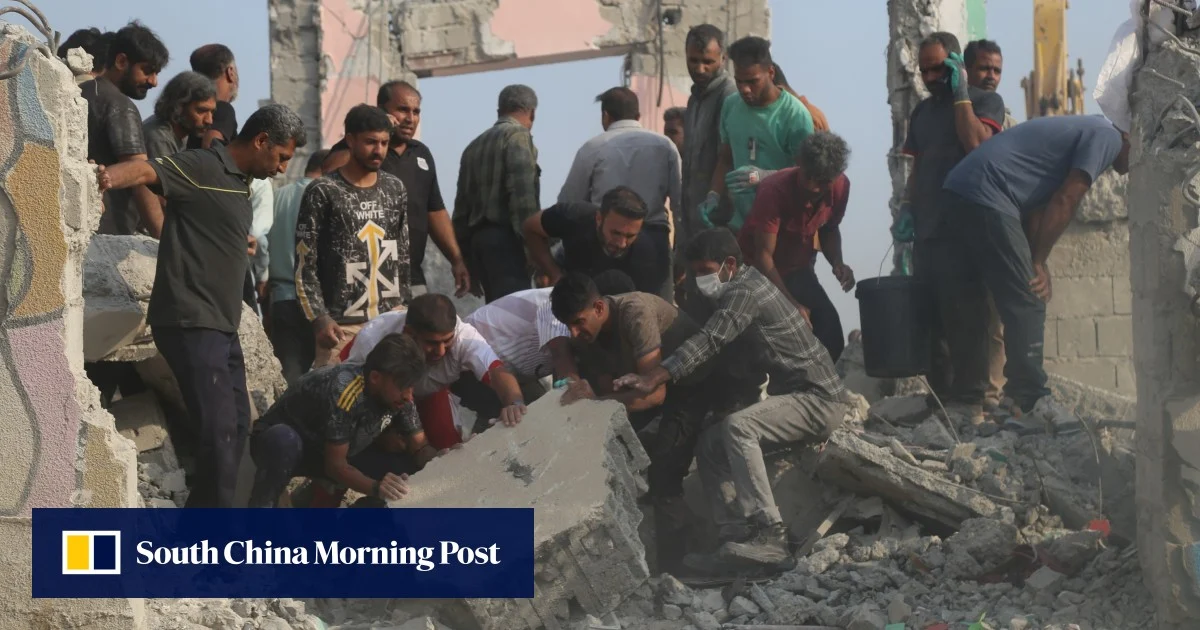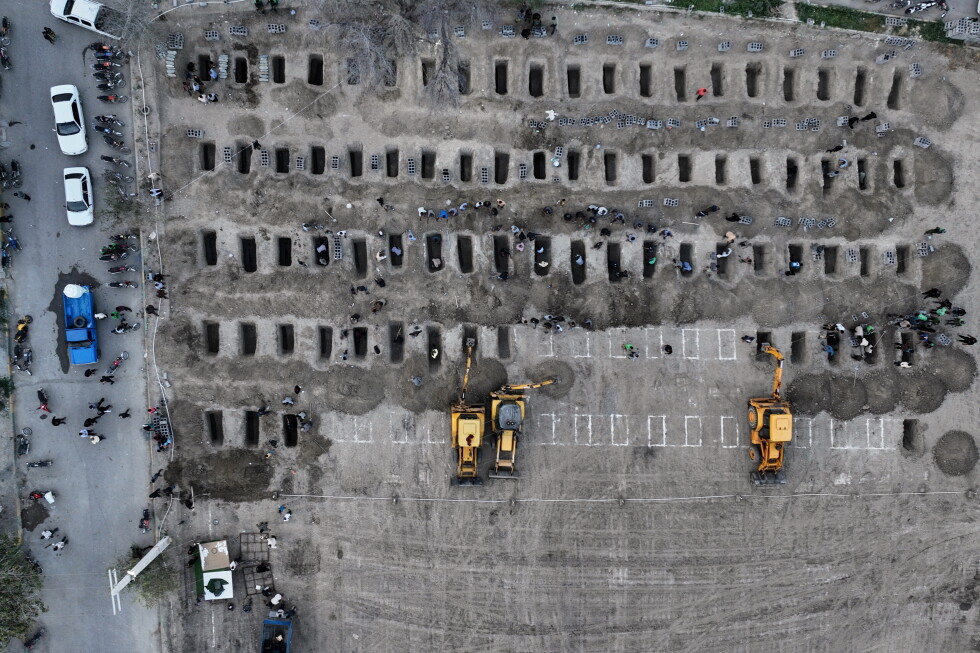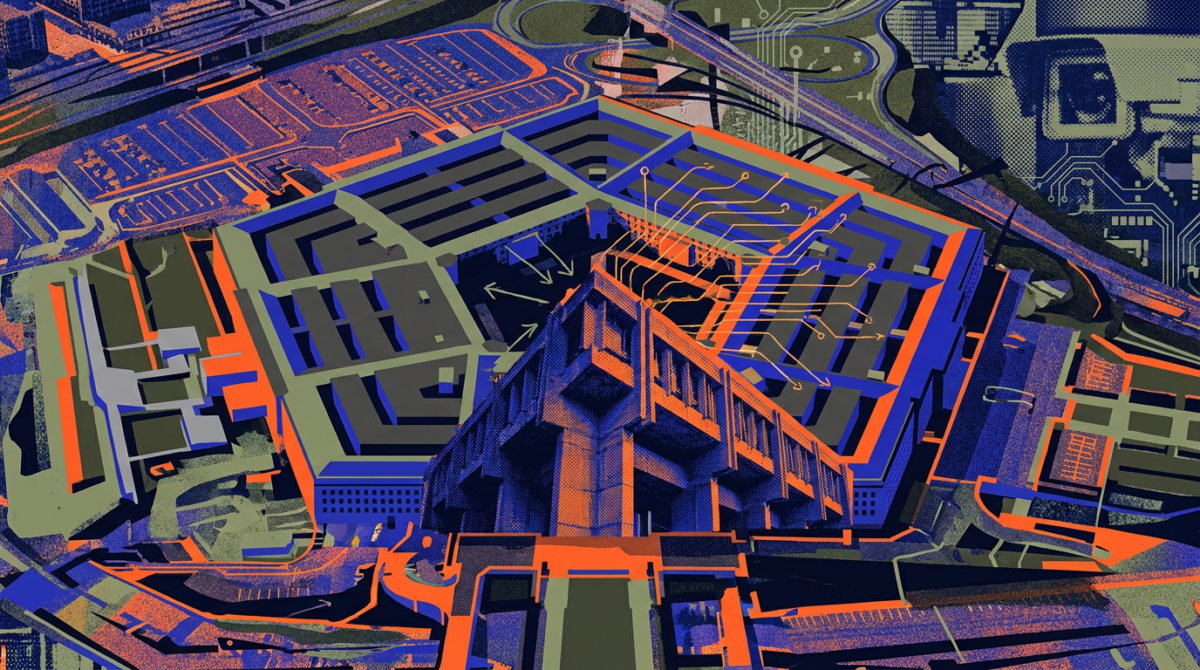
The probe into a missile strike on an Iranian school exposes serious gaps in the US military's targeting infrastructure. AI is supposed to close them.
A missed note from an intelligence analyst and systems that didn't talk to each other: according to a Los Angeles Times report, these are the two central failures investigators uncovered while looking into a missile strike on an Iranian school. The late-February attack killed an estimated 120 children. The strike took place during a war in which the US military, according to earlier reports, used AI at scale for target selection for the first time. Anthropic's Claude model was embedded in Palantir's Maven Smart System and suggested roughly 1,000 targets on day one.
Years before the strike, an analyst noticed changes at a site in the city of Minab in southeastern Iran. The US had previously classified the building as an Iranian military naval facility. By then, it had become an elementary school.
A note nobody ever saw
The analyst flagged the changes in 2019 using a digital intelligence tool, according to the LA Times. The critical problem was that the tool wasn't linked to the official target database the US military uses to develop strike targets. The information never reached commanders. The building was reviewed multiple times, but nobody updated the database. According to the New York Times, the imagery used was seven years old.